For three decades, WWF’s Living Planet Report has tracked the decline of nature. The latest edition shows wildlife loss continues at an alarming rate, but also highlights that nature can recover when we act together.
Read the findings: https://t.co/sYIuHzT7rZ
#WWF#WWFIndia
WWF’s Living Planet Report 2026 points to habitat loss and degradation as the most frequently reported threat affecting monitored wildlife populations. But the report also charts a way forward through the science of hope.
Read here: https://t.co/TcPwMRREFM
#WWFIndia#WWF
The Living Planet Report (LPR) notes that freshwater species are faring the worst.
But not all species are declining. In fact, around half the populations in LPI are stable or even increasing. Read about the science of hope: https://t.co/C8C8fTXgFH
#WWFIndia#WWF
The report also highlights the science of hope: Nature can still recover if we act together and follow clear pathways to trigger positive tipping points in the energy, food and finance systems.
Read more here: https://t.co/M9F585UEwV
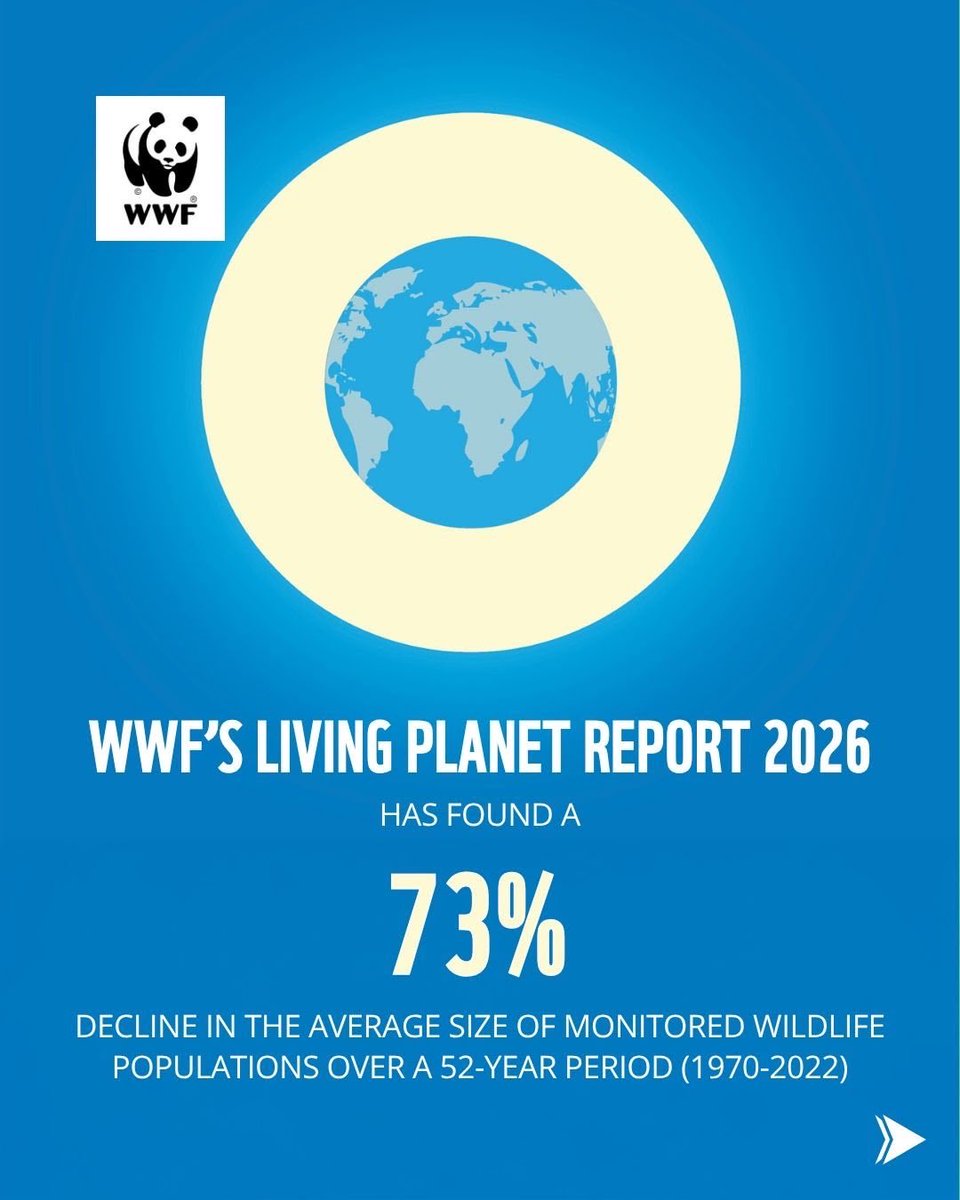
Nearly 6,000 monitored vertebrate species across more than 35,000 populations declined by an average of 73% from 1970 to 2022, the World Wide Fund for Nature said in its latest Living Planet Report published on Thursday. https://t.co/J28kH25etl https://t.co/J28kH25etl
India stands out as a bright spot amid the rapid decline in global wildlife populations, according to an international report released on Thursday.
#wildlife#India
https://t.co/i3RbE9qBoA
Global wildlife populations have declined by an average of 73% in five decades. But India offers some hope.
@WWF's latest Living Planet Report highlights India's conservation gains, particularly among tigers, lions and rhinos.
Yet experts warn that protecting wildlife beyond reserves and tackling human-wildlife conflict remain major challenges.
🔗 Read the full story by @jayantabasuenv : https://t.co/bzKJr6wZCQ
#WildlifeConservation #Biodiversity #India #LivingPlanetReport
A five-year GPS tracking study by the Assam Forest department and WWF-India has provided new insights into the movement of wild elephants through forests, tea plantations, agricultural areas, and riverine habitats, generating crucial information on elephant ranging patterns and habitat use.
Read: https://t.co/2nIOHlbvSH
#Elephants #GPS #Assam #TheAssamTribune
Listen to nature. It tells us: monitored wildlife populations have declined by an avg of 73% since 1970.
It also tells us: what falls can rise again. Elephants, tigers, green turtles, tuna. All made a comeback.
Not by chance. By people. Share with hope. #LivingPlanetReport
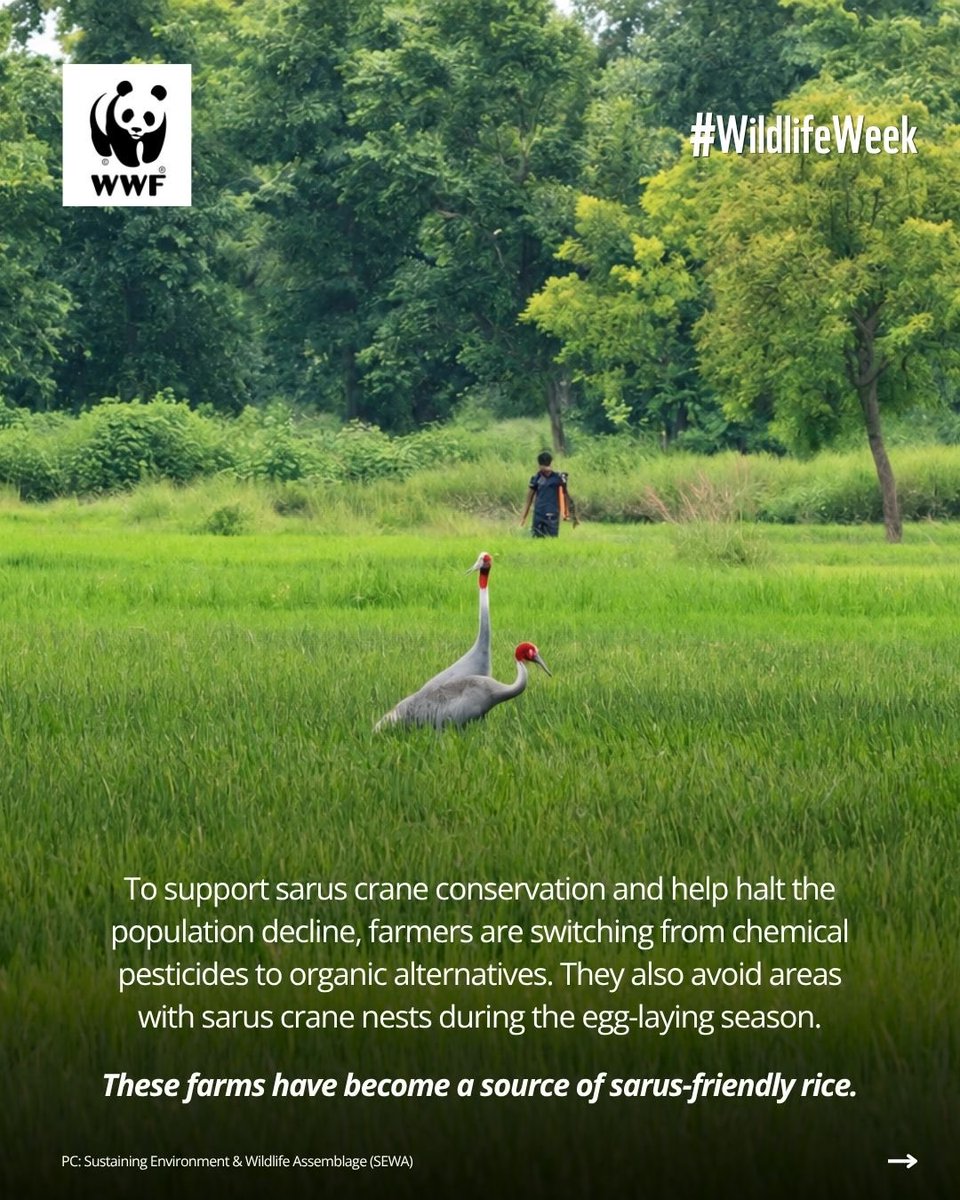
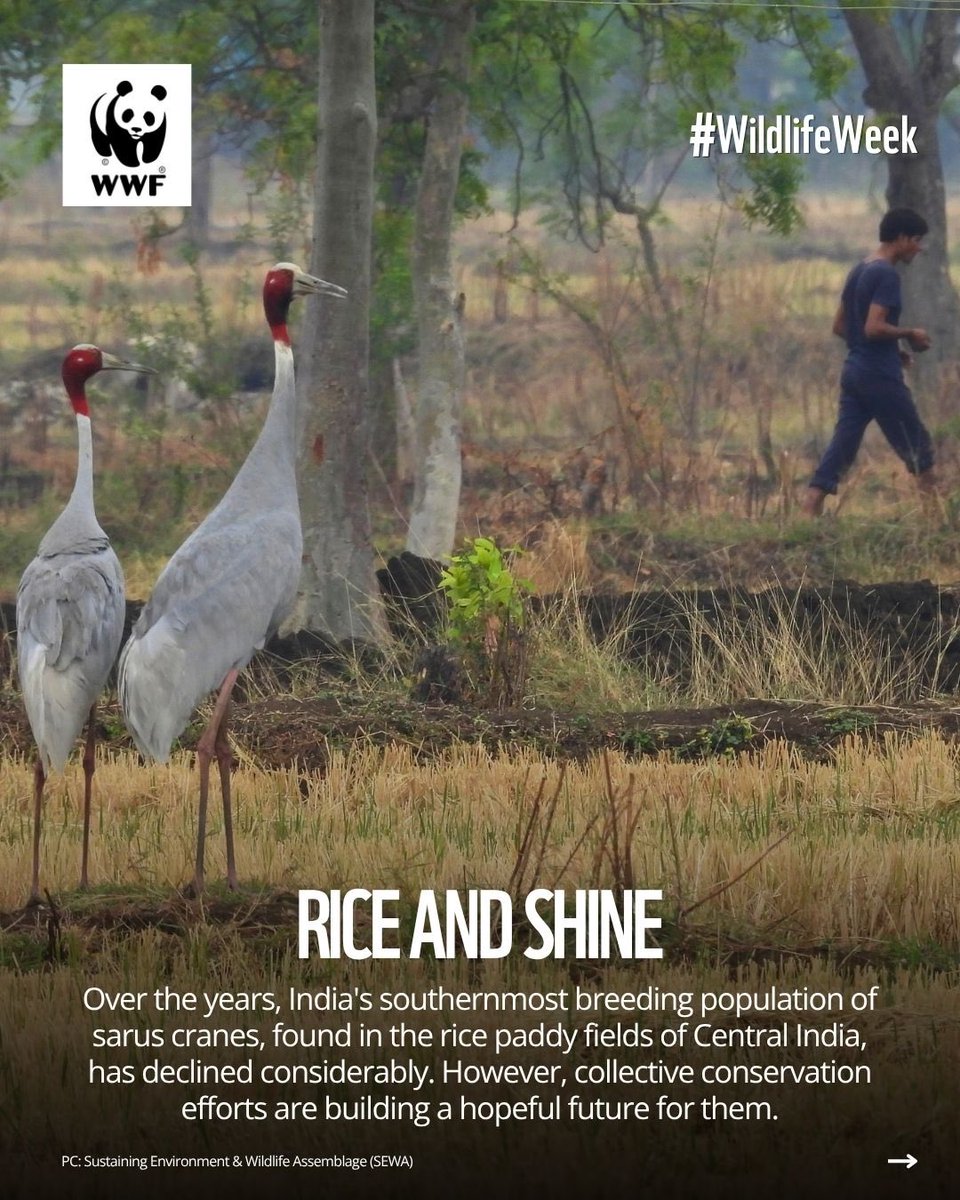
(1/2) In the paddy fields between Gondia and Balaghat, a new initiative is being sown to help sarus cranes reap a better tomorrow.
#WildlifeWeek#WWFIndia#TogetherPossible
(1/2) A new report sheds light on elephant movement patterns across Assam using GPS telemetry, offering crucial insights for conservation and coexistence. Learn more: https://t.co/cer1gMqJzB #WildlifeWeek#WWFIndia
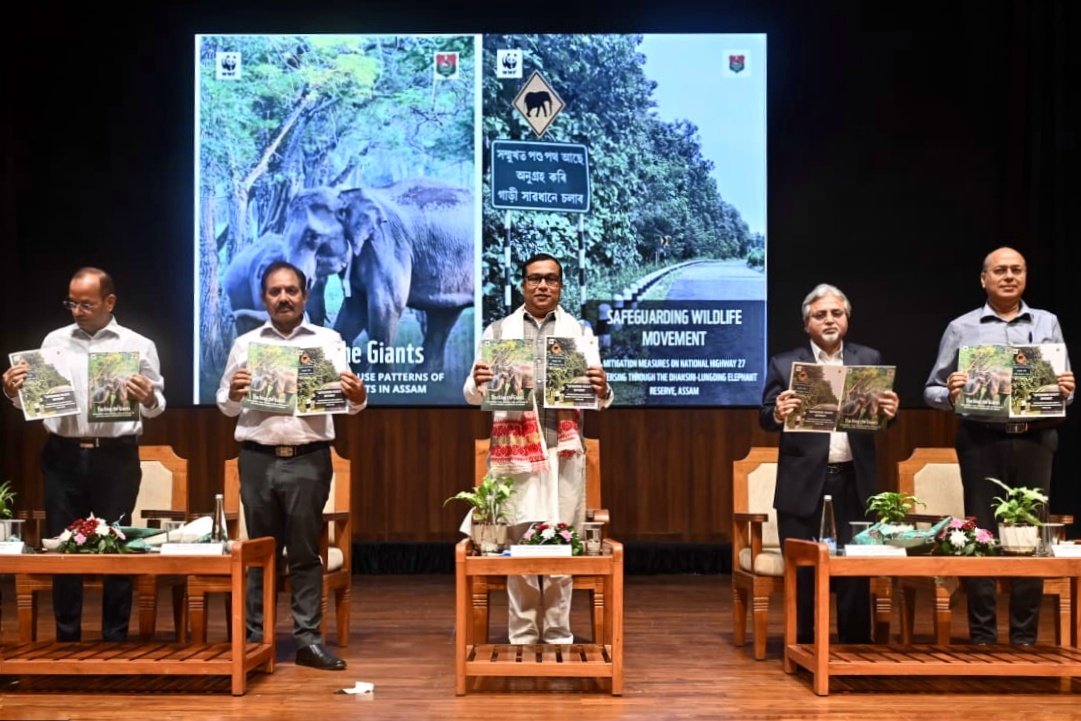
While attending the 72nd Wildlife Week celebration, we released two important reports strengthening Assam’s efforts towards science-based wildlife conservation and human-wildlife coexistence.
One was “Tracking the Giants”, a joint initiative of the Assam Forest Department and WWF-India, presents insights from 38,000+ GPS locations of five radio-collared elephants over five years, mapping their movement, habitat use, seasonal migration and transboundary passages and the other one was “Safeguarding Wildlife Movement” which documents the mitigation measures along NH-27 through the Dhansiri-Lungding Elephant Reserve, including underpasses, fencing, caution signage, speed breakers and other measures to facilitate safe wildlife movement.
These studies will help guide conservation planning, strengthen wildlife-friendly infrastructure and support safer coexistence between people and wildlife across Assam.
@assamforest@WWFINDIA
📍Sri Sri Damodardeva International Auditorium, Kalaketro, Guwahati
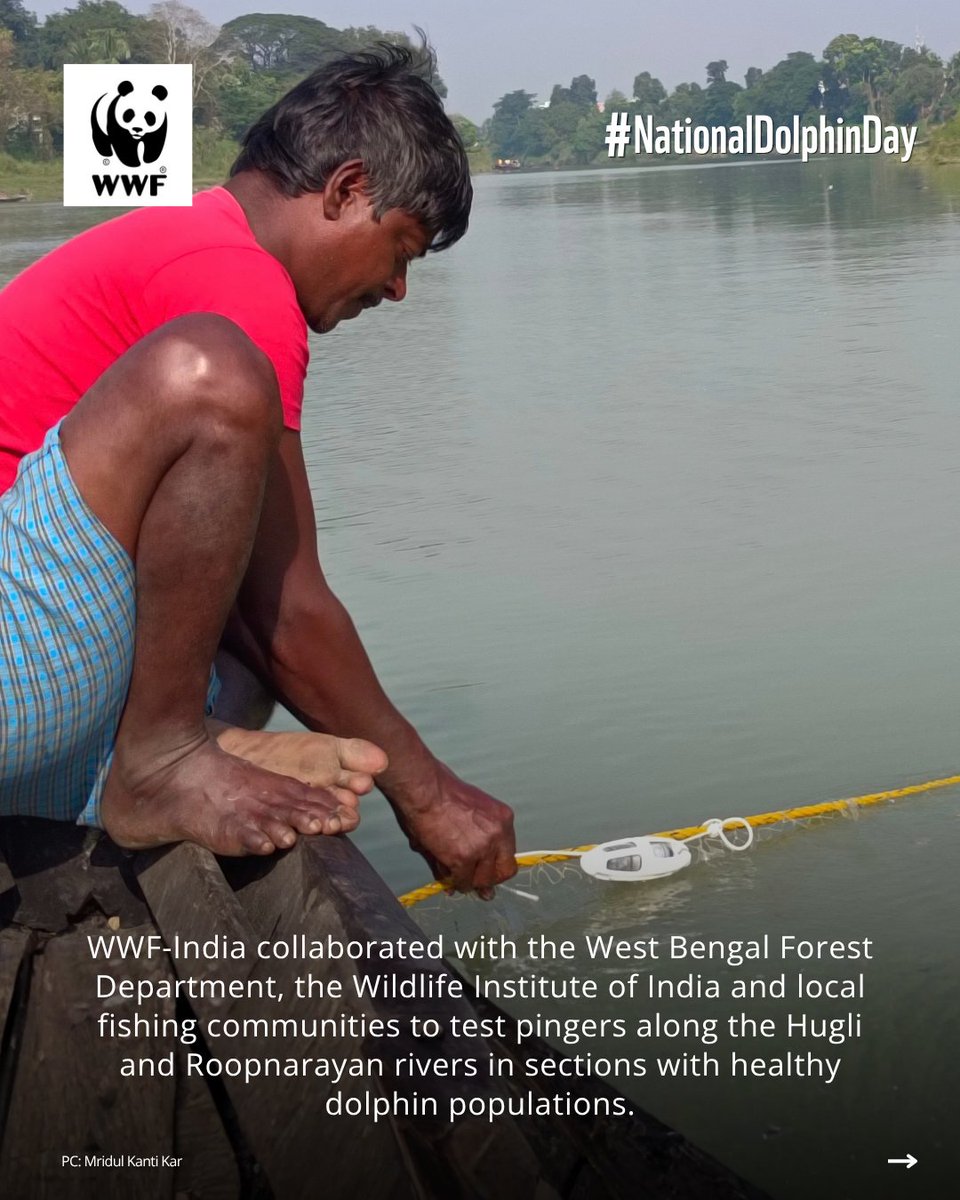
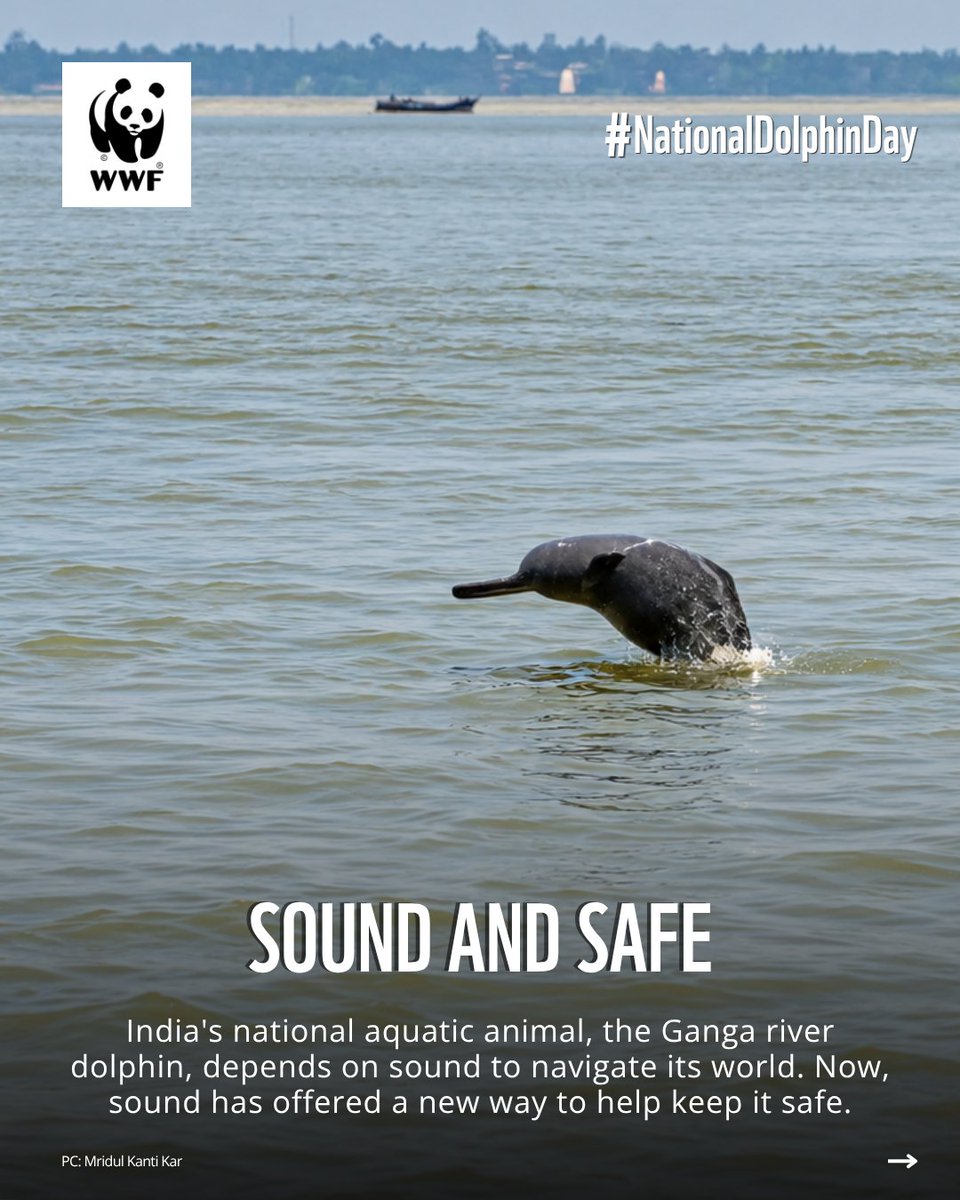
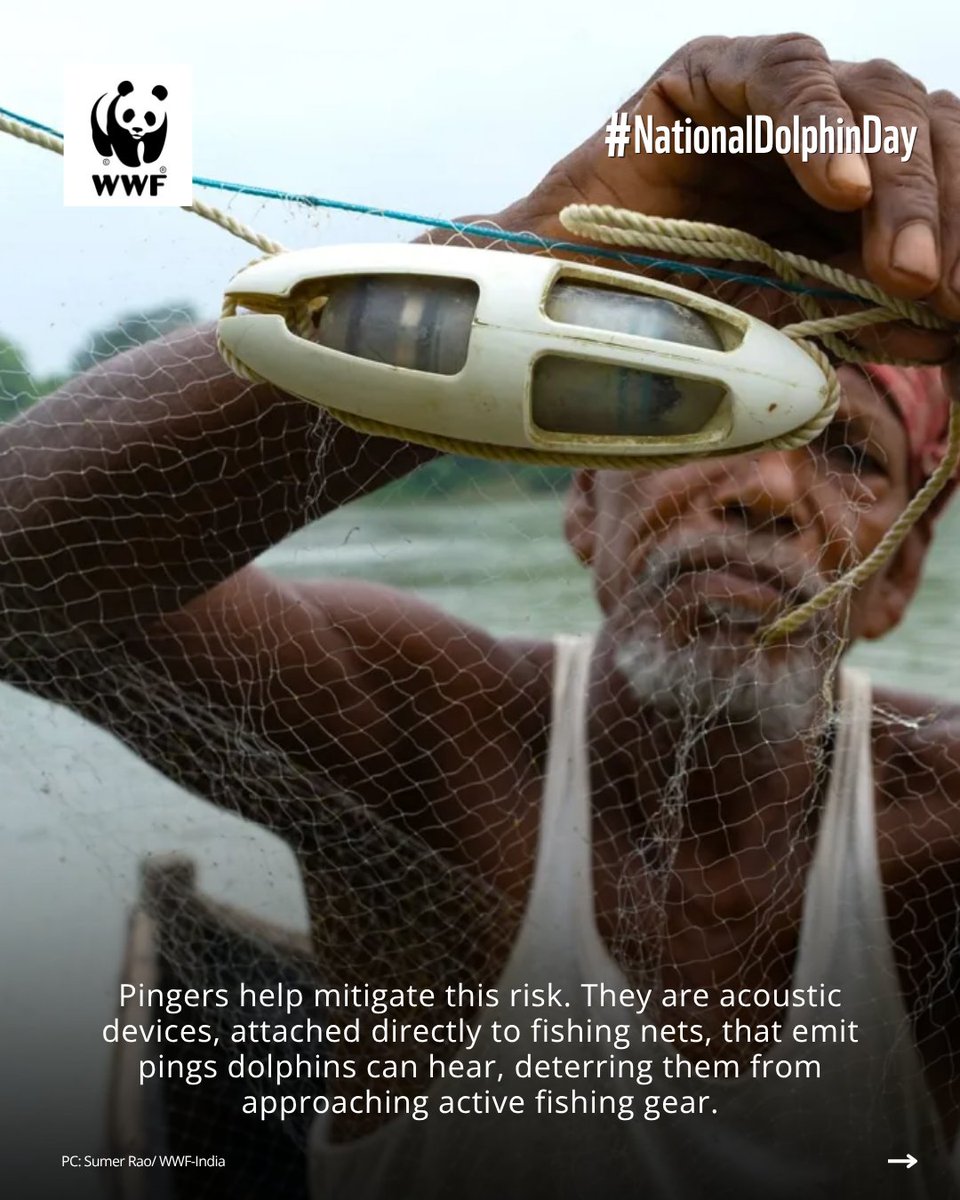
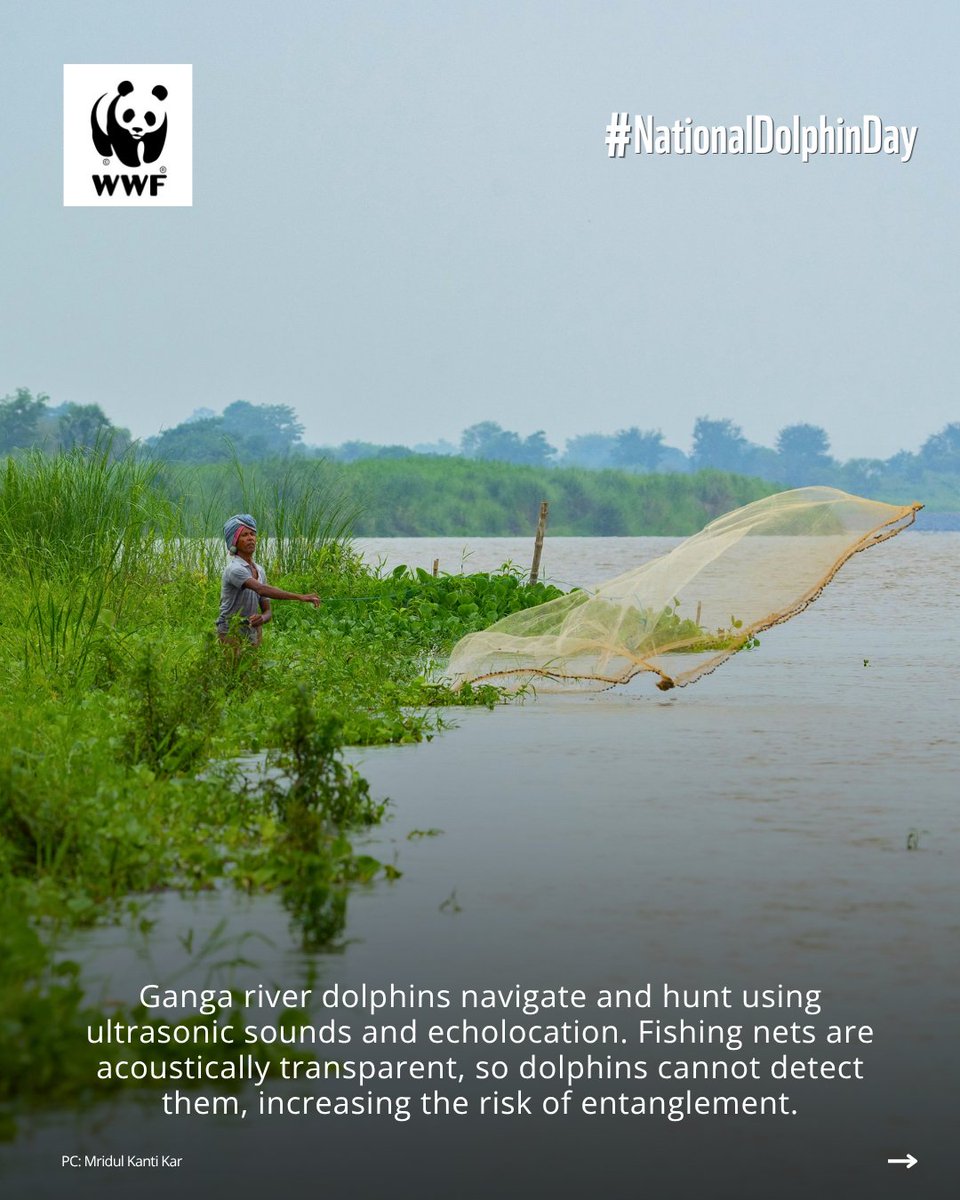
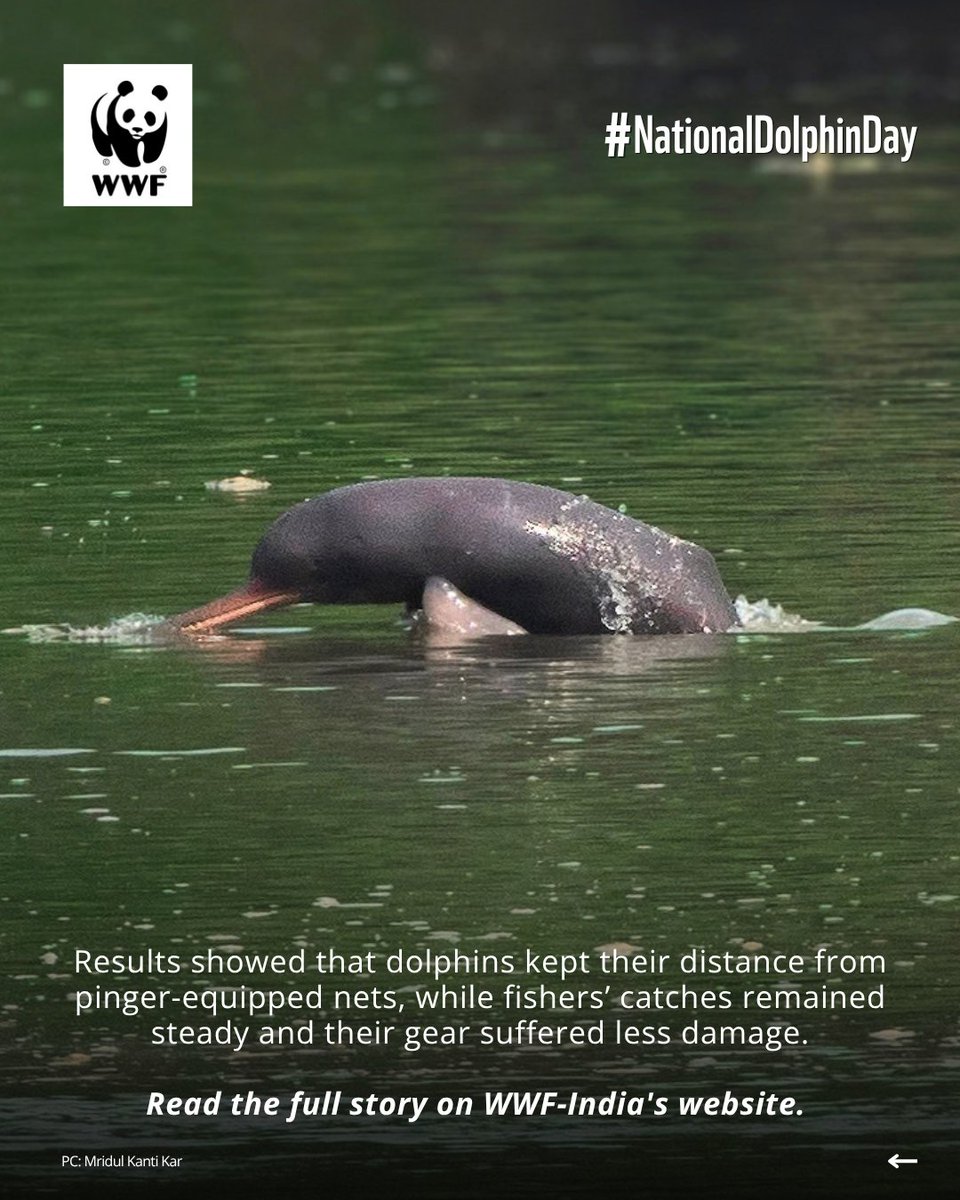
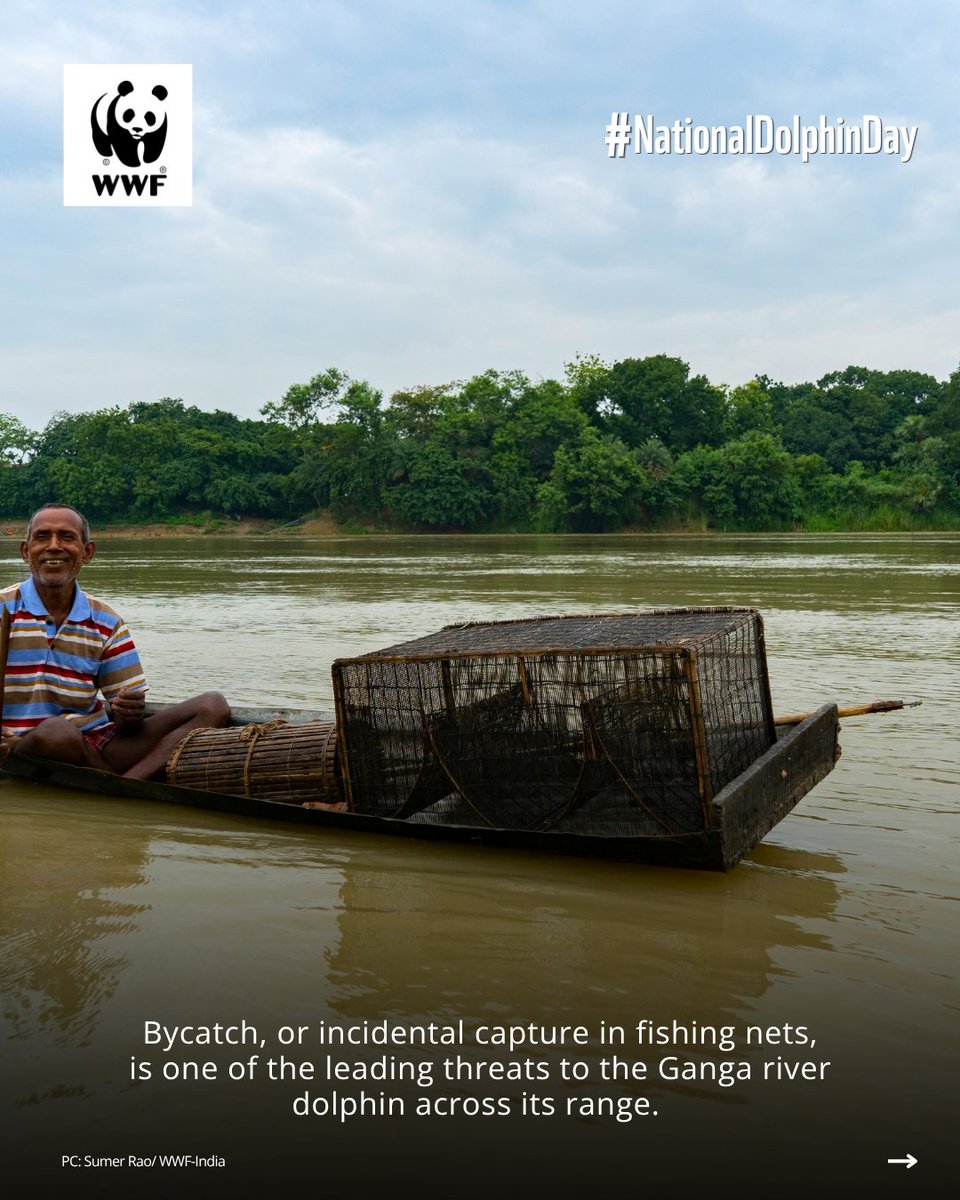
(1/2) Over 6,000 Ganga river dolphins swim through India's mightiest rivers, navigating their world by sound. Sound can also help keep them safe from fishing nets, supporting their conservation.
#WWFIndia#NationalDolphinDay#WildlifeWeek
With only a few days left before the #AnnualVultureCount 2026 closes, #WWFIndia, in association with @birdcountindia (BCI), encourages you to participate.
Register at https://t.co/jCij9hvSJI
Step outdoors, look to the skies and record your vulture sightings on the #eBird app.
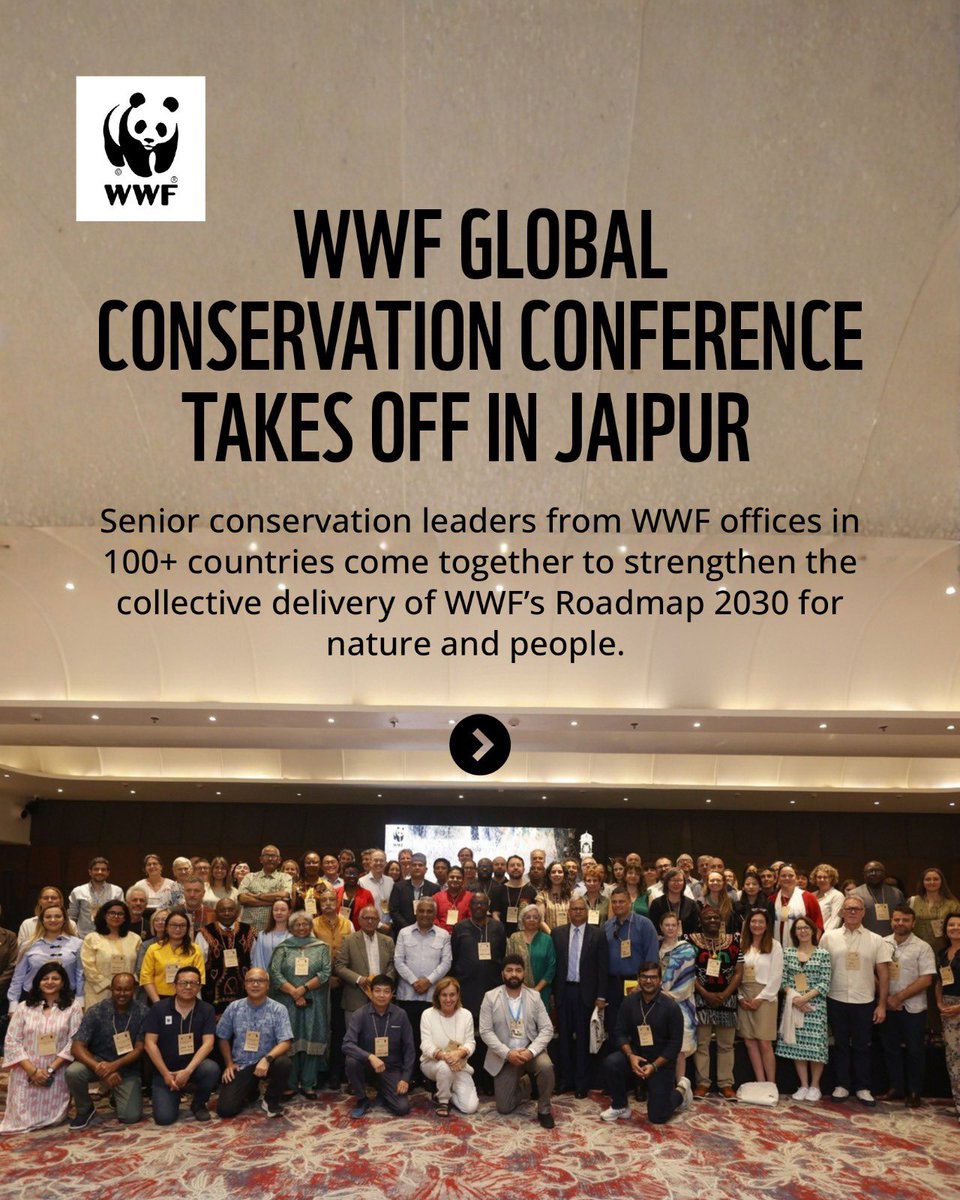
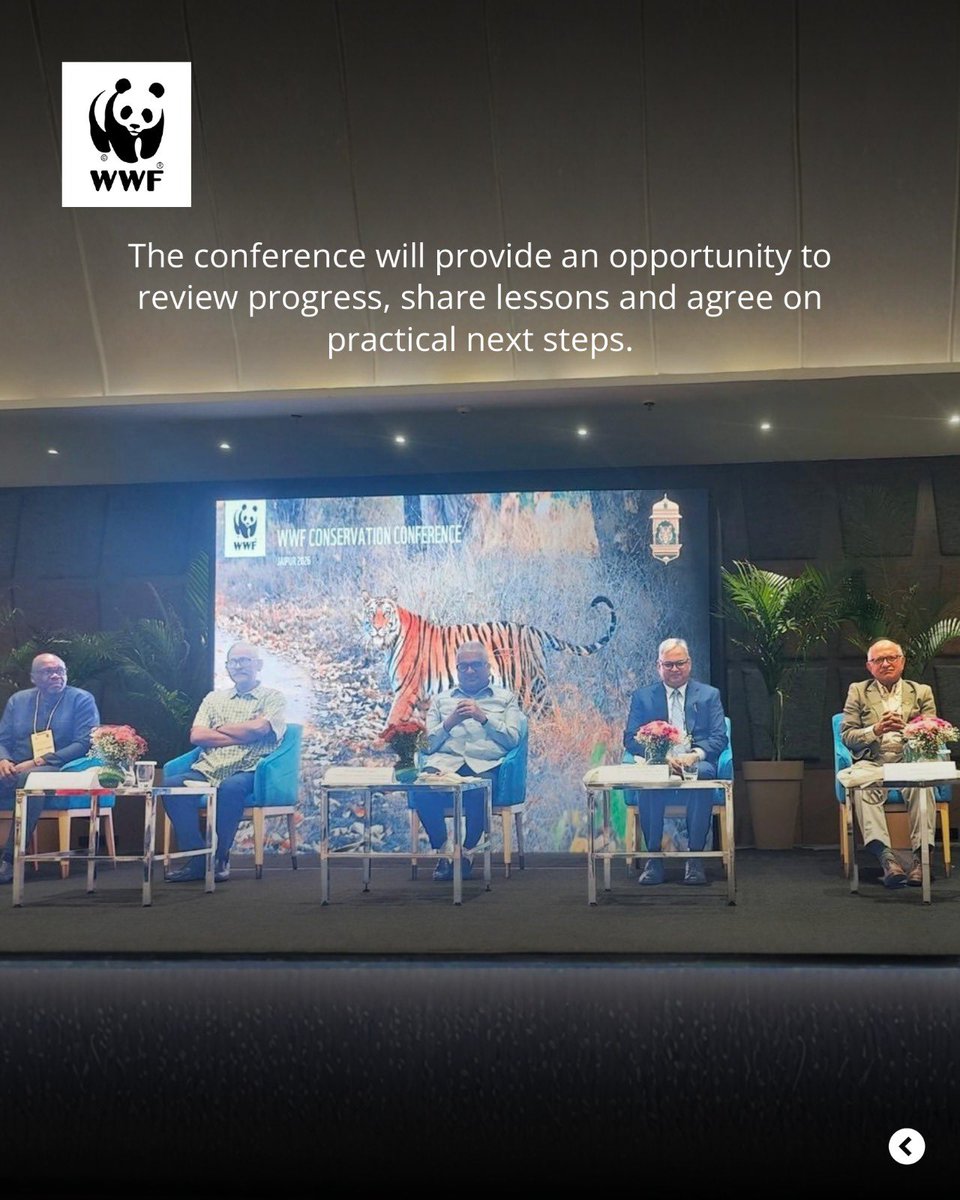
The WWF Global Conservation Conference is a four-day conference bringing together senior conservation directors from WWF offices in 100+ countries. It was inaugurated on Sep 21, by the Honourable Union Minister for Environment, Forest & Climate Change, Shri. Bhupendra Yadav.