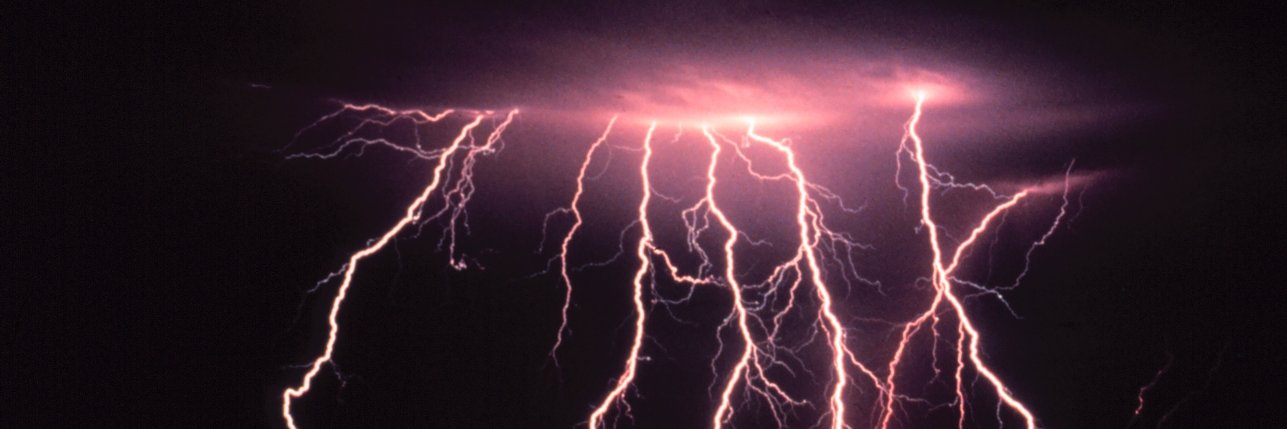
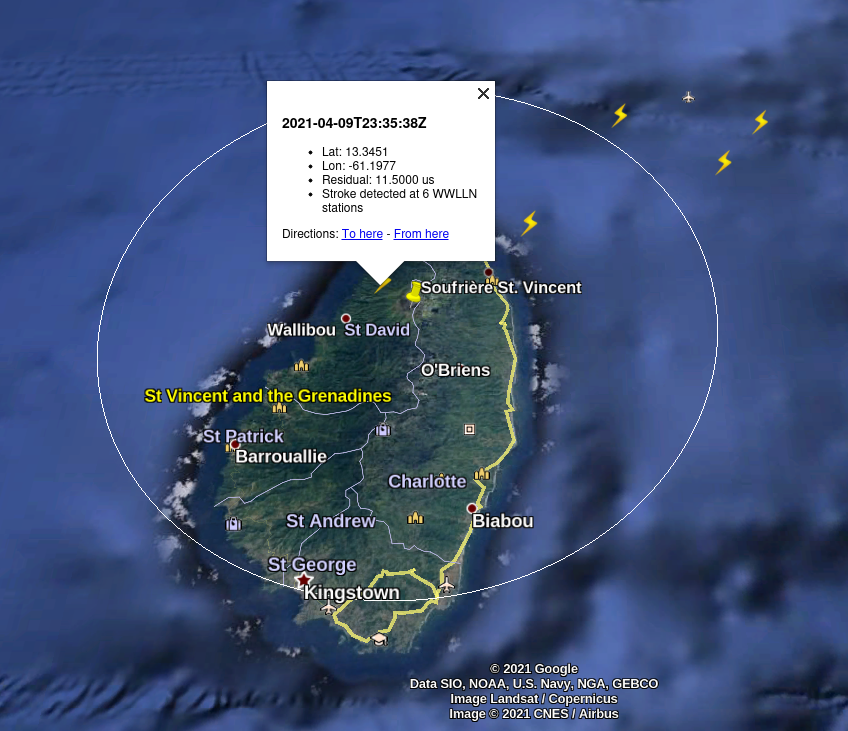
Cleaner ship fuel is reducing lightning in key shipping lanes. Research using WWLLN data shows ~36% drop in lightning stroke density along major shipping lanes (Bay of Bengal, South China Sea) after the 2020 IMO sulfur cap reduced ship sulfate emissions. https://t.co/Tb9iQLFOxK
Reduction in Global Lightning Activity During the COVID Pandemic - Liu - 2025 - Journal of Geophysical Research: Atmospheres - Wiley Online Library https://t.co/VynIcwDgfI
Nature Geoscience article reveals how environmental and human factors shape fire regimes in Arctic and boreal regions. Using WWLLN and satellite data, researchers identified 7 distinct "pyroregions" with varying sensitivities to climate and lightning. https://t.co/0L3GTPe5Sg
New in Nature Communications: Kolmašová et al. use WWLLN data to show how winter lightning triggers whistler echo trains in the magnetosphere, with signals spanning 4000 km. 🌩️ https://t.co/8xzGmwvNon
Are thunderstorms linked to the rapid Sea ice loss in the Arctic? WWLLN used in study proposing that increasing storm activity is increasing the water vapor in the upper troposphere, partially explaining the variability & decrease in summer sea ice extent https://t.co/3Y7jKbvPSU
The @WMO has recently declared lightning flashes to be an essential climate variable. Read more in the latest 2021 State of the Climate Report: https://t.co/siYMiOGQBa
Check out: How will lightning change during the pollution-reduced COVID-19 pandemic period? A data study on the global lightning activity @ AGU Fall Meeting 2021 https://t.co/aJ33Ss6ta6
NEW DATASET🔍 Researchers at the University of Hong Kong have released a dataset tracking lightning strikes around the world⚡ @WWLLN https://t.co/LjGxF0poMO