Thanks to @suziesheehy for being one of the few particle/accelerator physicists to appreciate my meteorological work, and highlighting it on Start the Week on BBC Radio 4 this morning. https://t.co/0AKtUCcRnq
30 years ago this evening, I set off from Reading for a hilltop near Woodcote, to the NW of town, with a friend, hoping to see a thunderstorm. We ended seeing and experiencing a violent storm, including seeing a supercell. Letter in https://t.co/rT2EQGJ4la, and attached here too.
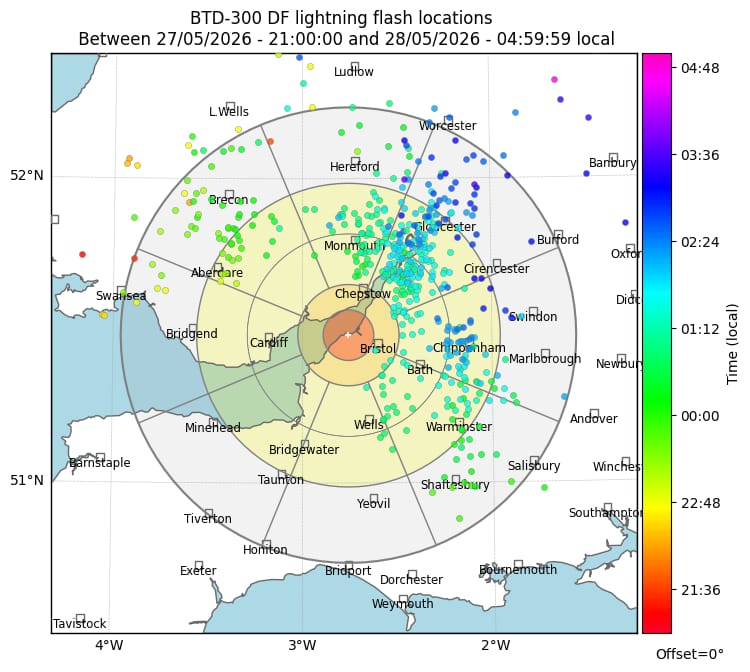
2076 flashes in Western UK detected by Portishead lightning detector (not all shown on graphic) 27-28/5/26. Notably, one triggered a premature chime by Wells Cathedral's 700 year old quarter jack bell 15s before the correct bells rang for 1am. (Thanks to Alec Bennett)
A great capture by Jack from Arley in Warwickshire last night. With the time and location, I was able to find the lightning strike - measured with a peak current of +92kA!
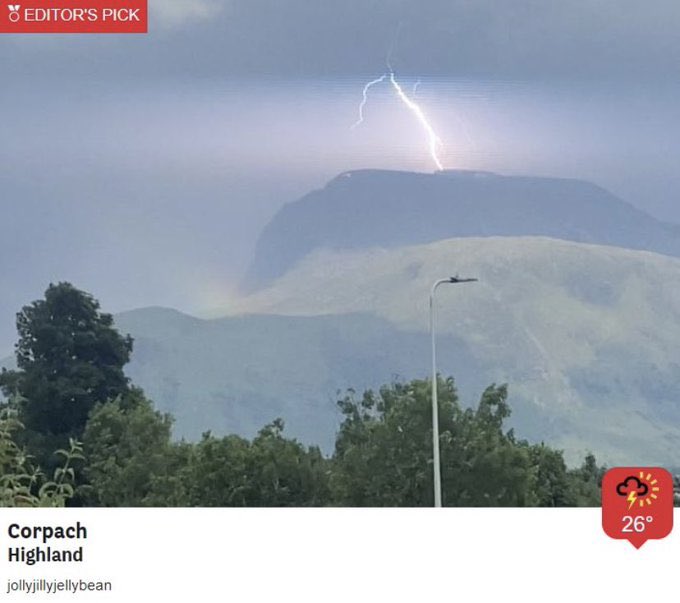
On the 12th June 2023, a BBC Weatherwatcher sent in a photo of Ben Nevis being struck by lightning. The next day a local guide went to the top and found the exact point where it had hit. If there’d been a group of walkers there it would have resulted in multiple fatalities.
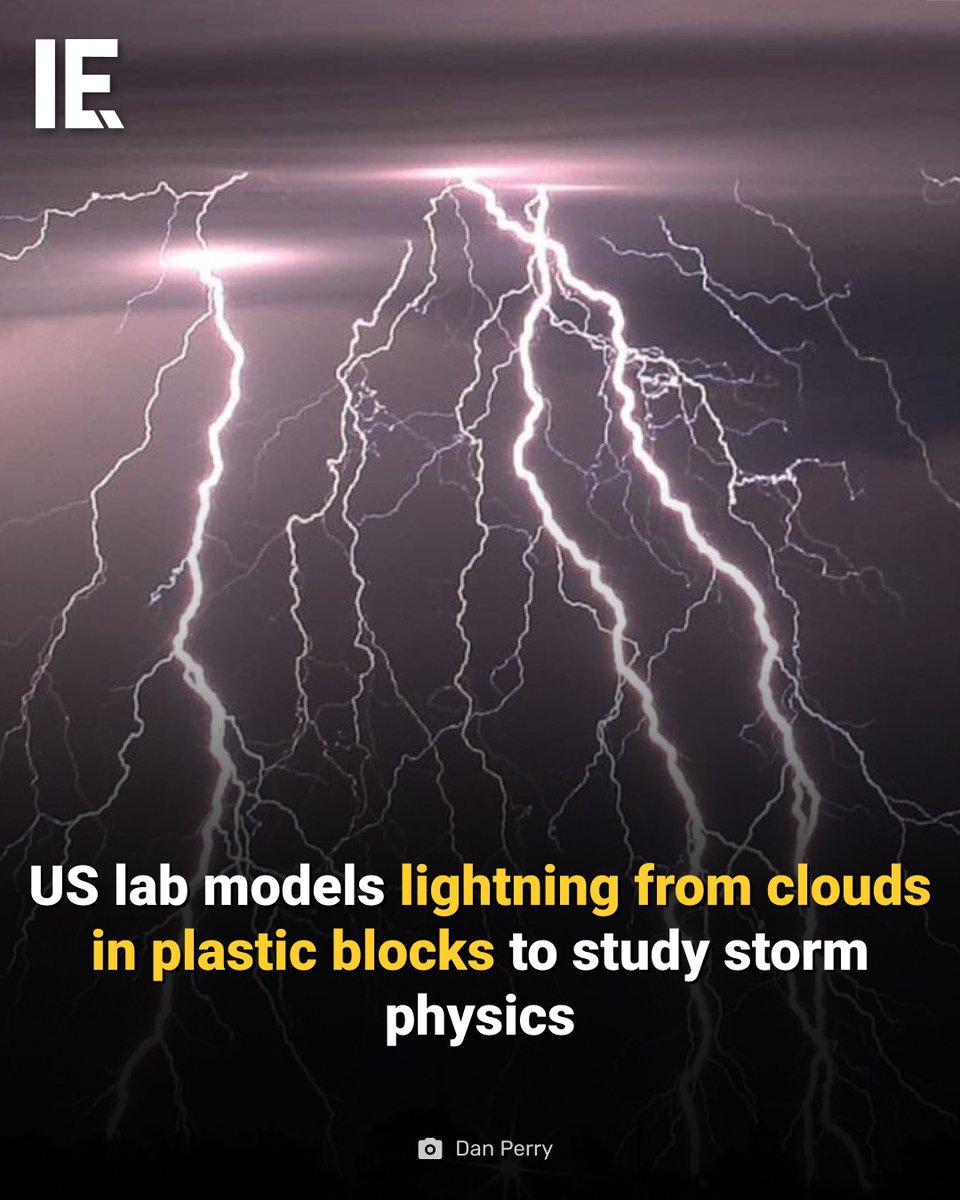
Are you fascinated about lightning and all the high-energy processes that happen in and around thunderclouds? ⚡ 🌩️ 15 PhD projects are available within the GRAIL project addressing high-energy atmospheric electricity
https://t.co/ISw9I5VvxH
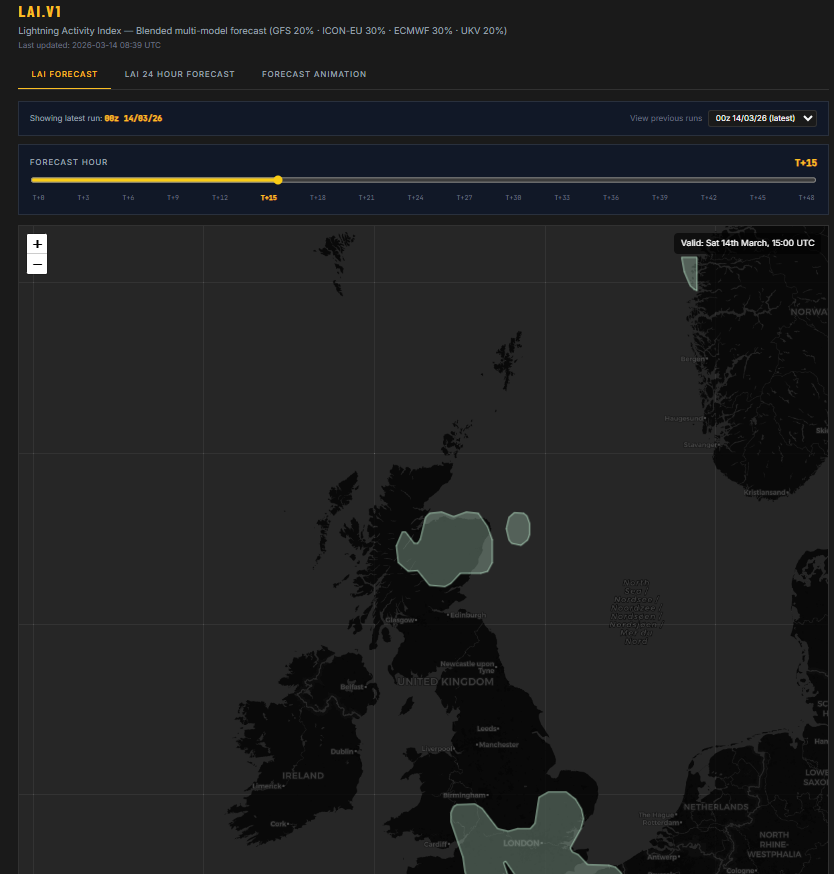
The lightning activity index (or LAI) is a new addition to the thunderstorm outlooks, and the LAI in forecasts will be derived from the LAI.v1 model composing of ECMWF, GFS, ICON and UKV outputs.
The model produces a dynamic run-by-run 48 hour forecast in 3-hour intervals, plus a 24-hour forecast composing all four, 0, 6, 12, 18z forecasts.
Additionally on the homepage you can view the LAI forecast for today and tomorrow. The LAI forecast will be kept to T+48 hours due to the data loads.
I'm hoping to see how it verifies in future thunderstorm risks and potentially alter the calculation of the LAI a tad for better verification in the future, but thus far it looks quite OK even when only very isolated strikes are possible (LAI 0.5-1).
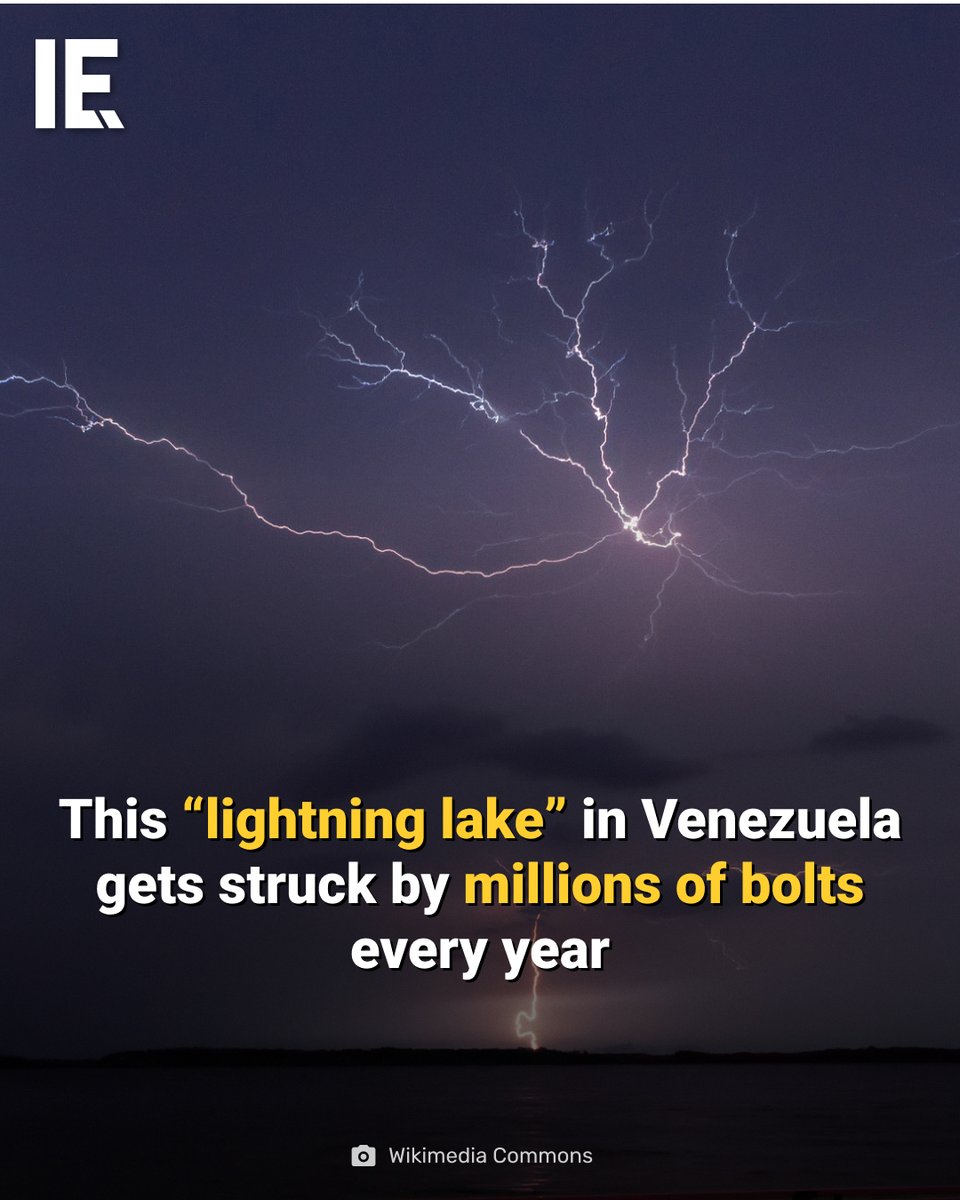
Over Lake Maracaibo where the Catatumbo River pours in, the sky turns into a constant electric show — lightning flashes up to 140–160 nights per year and can strike 16–40 times per minute, making this place the highest‑density lightning hotspot on Earth. Scientists think the region’s bowl‑like geography and collision of warm, moist Caribbean air with cool mountain winds keeps the storms firing night after night, almost like a natural strobe light over the water.
#CatatumboLightning #LightningLake #LakeMaracaibo #Venezuela #ViralScience