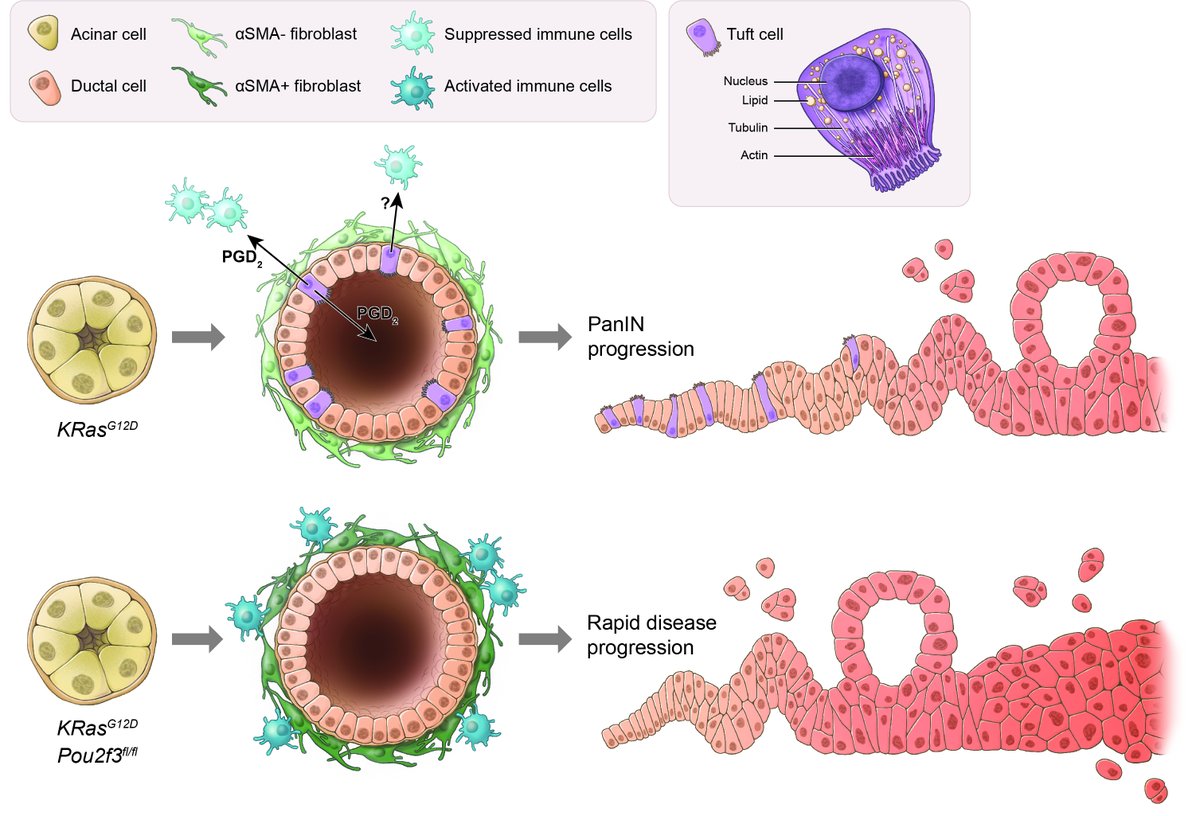
New Research: Tuft Cell Formation Reflects Epithelial Plasticity in Pancreatic Injury: Implications for Modeling Human Pancreatitis https://t.co/O8MtKu8PUv #Physiology
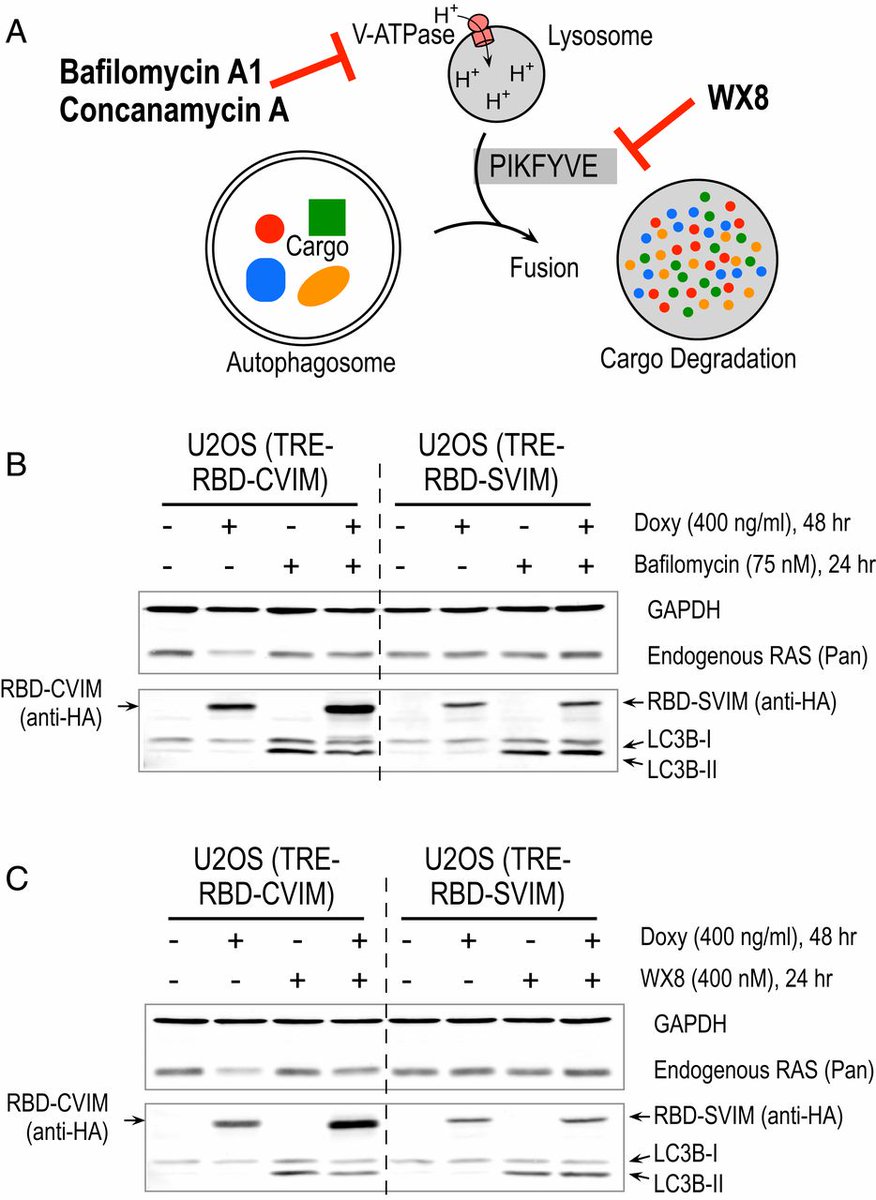
Understanding such mechanisms may help to identify therapeutic avenues to promote targeted depletion of RAS proteins, such improvements could greatly benefit a large number of patients with pancreatic and other cancers that depend on oncogenic activation of RAS proteins.
The Wahl lab @salkinstitute discovered a new mechanism for regulating #RAS activity and protein levels, which provides a novel therapeutic strategy for inhibiting and depleting oncogenic RAS proteins! Great work by @yaochengli and colleagues! @PNASNews https://t.co/rcFYE9AZwl
5. High-affinity conventional PPI between RAS and RAS binders cause inhibition, which is mediated by an autophagosome-lysosome degradation pathway. Membrane targeted strong RAS binding proteins deplete K-, N-, and H-RAS proteins (check the details in the paper).
4. MAFI-mediated RAS-RBD_R89L low-affinity interaction is not sufficient to inhibit RAS activity. Rather, high-affinity classic PPI between RAS and RBD is required to inhibit ERK phosphorylation. (p.s. Look his beautiful western blots!)
3. RAS-RBD interaction was utilized to model conventional protein-protein interaction (PPI) and Membrane Association Facilitated Interaction (MAFI). Both PPI and MAFI could lead to luciferase fusion and activation.
2. Different RAS isoforms localize sufficiently close on membrane domains in cells to enable Membrane Association Faccilated Interactions (MAFI) at near-endogenous expression levels in cells.
1. To accurately quantify protein-protein interaction, we improved the original split-luciferase assay (ReBiLC) by normalizing the luminescent signal to the amount of expressed 1/2luc fusion proteins. Named it ReBiL2.0!
IF you are interested in #breast and/or #pancreas cancer, single cell methods, #development, microscopy, mouse models, etc..WE ARE LOOKING FOR YOU! Hiring Now. @WahlLabSalk