My Kukhu died in May 2018 from complications of advanced cancer.
For about 7 years after her first diagnosis, our family did fundraiser after fundraiser just to take her to India for treatment because the care she needed wasn’t available here.
Back then, Kenya didn’t even have a single operational PET scan. Aga Khan had acquired one in Dec 2017, but it only became operational later in October 2018, and that’s a private hospital. KU Referral only got the country’s first public PET scan in Jan 2022. My auntie died of complications of cancer in Dec 2022 after undergoing treatment at KU referral, barely 6months after her diagnosis.
It’s honestly heartbreaking that in 2026, access to something as critical as a PET scan is still so limited. Meanwhile, India has over 300 of them, including over 50 in public hospitals.
Healthcare is one of those things you don’t think much about until it becomes your life. Then you realize how many Kenyans are forced to suffer while they wait, fundraise, or travel abroad just to get a diagnosis.
I really think Africa is ruled by some of the most selfish of us and I don’t know what it’ll take for healthcare to become a real priority instead of an afterthought.
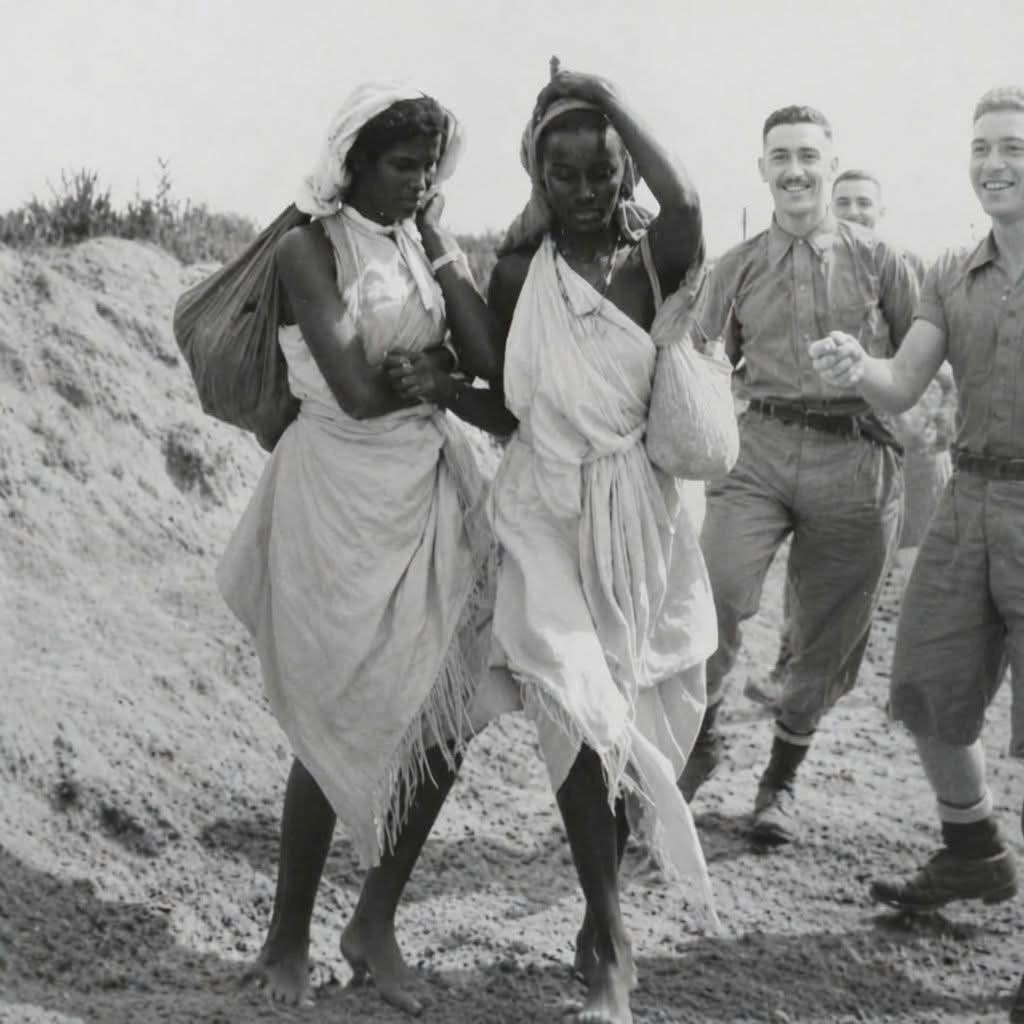
During Italy’s occupation of Ethiopia, Eritrea and Italian Somaliland, many Italian settlers and soldiers entered into arrangements known as madamato. Under this informal system, local women, often referred to as madamas, were taken as domestic companions and intimate partners by Italian men. While some of these relationships varied in nature, they existed within a colonial structure marked by unequal power, racial hierarchy, and limited rights for African women.
Italian colonial authorities initially tolerated the practice, and it became widespread throughout the region. For many African women, these relationships were tied to economic survival in a society where colonial rule had disrupted traditional social and economic structures. The imbalance of power between colonizer and colonized meant that these arrangements were rarely relationships between equals.
As Fascist Italy intensified its racial policies in the late 1930s, the colonial government began restricting and later prohibiting relationships between Italians and Africans. These measures were part of a broader effort to enforce racial segregation and preserve what the regime called “racial purity.” Children born from these unions often faced discrimination and legal uncertainty, while African women were left vulnerable within a system designed to serve colonial interests.
Photographs like this remind us that colonialism was not only about battles, borders, and political control. It also shaped personal lives, family structures, and the everyday experiences of ordinary people. Understanding these histories helps us better understand the lasting social and cultural impacts of colonial rule across Africa.
History is not just about remembering what happened. It is about understanding how systems of power affected real people and why those stories still matter today.
#drthehistories
Watu wa majani chai Mpo? At last week's Mombasa tea auction, Rwandan tea fetched an average of Sh354.75 per kilogramme. Kenyan tea fetched Sh299.28.
This is Kenya, the historic home of East African tea, with a brand built over generations, being outpriced by a smaller neighbour at our own auction.
Why? A Sh2.28 levy introduced on every kilo of exported tea since May 1 has pushed buyers toward Rwandan, Ugandan and Tanzanian alternatives. One industry leader said producers from those countries "are smiling all the way to the bank," while Kenyan tea struggles to find buyers. Last week alone, 1,600 tonnes of KTDA tea went unsold.
Stakeholders are now asking the government to scrap a levy worth roughly Sh1.2 billion a year, rather than watch the entire industry and the smallholder farmers who depend on it sink.
This is what happens when every new tax is designed around how much revenue it raises, never around what it costs the economy. We taxed our way out of our own market.
Farmers did not create this problem. Someone did.
UPDATE: It has been a long and difficult day trying to locate Halima Ngache.
We sincerely thank everyone who shared information, reached out, and helped amplify the search. Our thoughts are with Halima and her son during this difficult time. We ask everyone to continue respecting their privacy and supporting them.
We also want to reiterate that all the flight information we have ever shared has come from publicly available, open-source sources.
Anyone can independently verify aircraft movements using public flight-tracking platforms and other open data.
At no point was our intention to compromise the security of the President or anyone else. Our interest has always been transparency and accountability in matters of public interest.
If any of our posts caused concern or were interpreted differently from what we intended, we genuinely regret that.
We appreciate everyone who engaged in good faith and will continue to report responsibly while remaining committed to the public's right to information.
After PS Fikirini Jacob's bodyguard shot Cecil Ouma a student at the Technical University of Mombasa in the PS's presence inside his car.
They threw him out of the car and drove to Ridgways in Kiambu Road where he cleaned his car, he later went to sarit centre where he bought new clothes!
The PS is yet to comment anything about the incident or even record a statement over Ouma's death.
He used the young man to mobilize youth at his event and later killed him for disagreeing with him over payment!
The KILLER REGIME has gone rogue!
Kijana Cecil was asked to gather Tutam Youths for an empowerment event for PS Fikirini Jacobs.
He mobilized about 60 youths. The PS came, took photos for his propaganda and then handed kshs 10,000 for Ouma to share with the youths.
Each youth was to get around kshs 167, compensation for whole day work of singing Tutam and Praising the government.
The youths refused, saying that money wasn’t enough for the whole day’s work. They forced Ouma to go back to the PS and ask for more money.
Ouma entered the PS car, but never made back out alive. The bodyguard of the PS shot him.
Dying for kshs 167 after shouting Tutam for a whole day is very sad. May Cecil rest in peace.
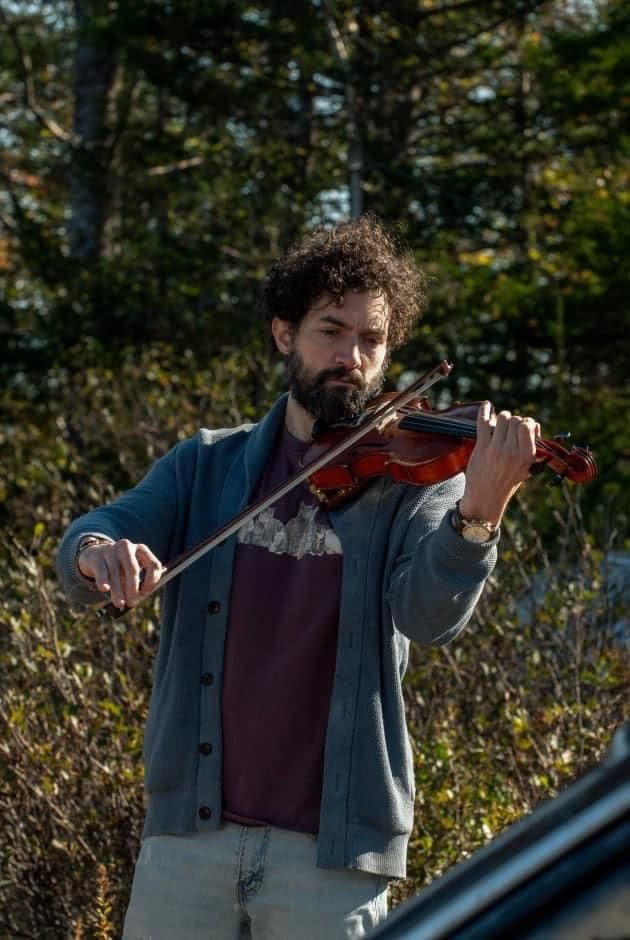
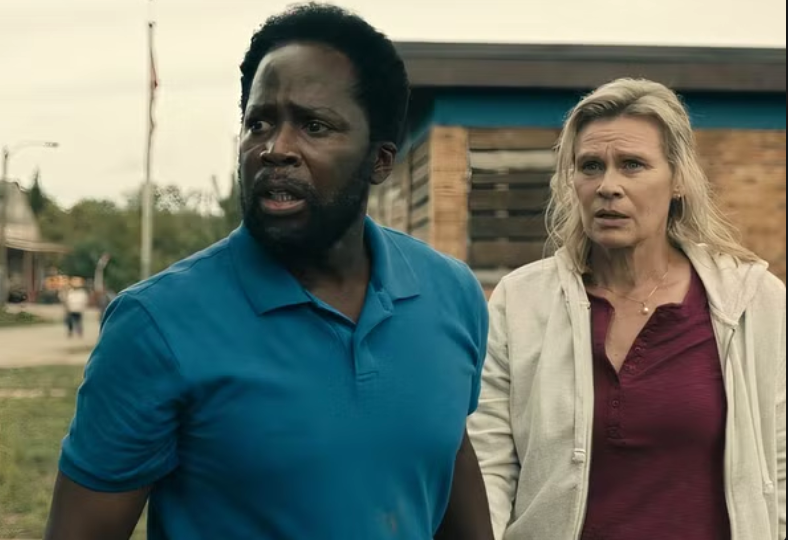
It's crazy that four seasons of #FROM have only had one sex scene.
For a show built around isolation, loneliness, grief, and the desperate need for human connection, the intimacy it cares about has never been physical.
FROM is obsessed with a different kind of intimacy the kind born from grief, memory, and the things people carry but can never quite say out loud.
It's Boyd still talking to Abby at her grave. It's Victor holding the hand of a doll made to look like his mother. It's Tabitha and Jade circling back to each other across lifetimes, not through romance, but through something stranger two souls that keep finding each other after centuries of loss and failure.
The show understands something a lot of writers don't:
The most intimate thing two people can share isn't a bed. It's the weight they choose to carry together.
#From #FromTV #Frommily
The power Ruto has is what the Kenyan parliament has allowed him to have. If they wanted him to stop torturing people, they can.
So - remove every member of the current parliament, refuse to vote in anyone from his party and you momentarily take all his power away.
Take any population on earth.
For several generations, remove their most physically capable members by force and sell them abroad.
Destroy their existing political institutions and replace them with administrative structures designed to extract rather than develop.
Draw their borders to maximize ethnic conflict and minimize political coherence.
Extract their mineral and agricultural wealth for a century at prices you set unilaterally.
When you leave, install governments that serve your economic interests rather than their populations.
Fund civil wars when those governments are threatened by leaders who want to redirect resource revenues toward domestic development.
Then, three generations later, administer a cognitive test.
Compare the scores to those of the populations who spent the same period accumulating capital, building universities, developing public health infrastructure, and compounding the advantages of political stability.
Put the results on a map.
Call the map a "nature documentary."
Tell yourself the scores show something biological.
Tell yourself the history had nothing to do with it.
Tell yourself you arrived at this conclusion by following the evidence.
You did not follow the evidence.
You followed the map to the place you had already decided to go.
And the evidence, the entire, documented, sourced, cross-disciplinary evidence, is the invoice you refused to open.