To practice brahmacharya and vairagy (detachment) turning inward instead of outward
allows us to not be swept up by worldly affairs
It's painful watching others get caught in it
but understandable, as their metaphysics are not based on a proper identification with the Absolute
As Advaitins, we are lucky to have the doctrines of Drishti-Srishti-Vada and Ajativada,
which are a direct metaphysical source to enlightenment and happiness
grounded in truth and beyond the temporal properties the ego clings to through its direct phenomenological methodology
Finally found a tradition whose goal is to go beyond language & thought into pure being itself
Reading the sages has softened my mind & chanting OM 108x daily softened my heart
Its given me a freedom and bliss I've never felt before
And ask others to do the same wherever it is
@Ethan0008000 And showed precisely how Dristhi-Srishti vada (Perception prior to Creation) is the key to this, unlike the Srishti Drishti (objective Creation prior to Perception) views of most schools
@Ethan0008000 Your posts do seem to show the strong non-dual elements of Sufism, but if I can ask,
Why is their soteriology a little more rigid?
One of the reasons I left Sufism for Advaita was that the Sri Atmanada Direct Path school gave a clear and precisely mapped view of enlightenment
@Ahmed_the_world In Vedanta we have best of both worlds.
Advaita does tend to nullify it's metaphysical meaning tho, it's more for pedagogical reasons.
@ArchonAvalon "You should know that true detachment is nothing else but a mind that stands unmoved by all accidents of joy or sorrow, honor, shame, or disgrace, as a mountain of lead stands unmoved by a breath of wind. This immovable detachment brings a man into the greatest likeness to God."
"He who looks upon the Self as the slayer and he who looks upon It as the slain—neither of these possesses correct knowledge. It neither slays nor is It slain." (2.19)
There is a sense of peace and tranquility when reading the non-dual verses of the Gita:
"Know That to be indestructible by which all this is pervaded.
None can cause the destruction of That which is immutable." (2:17)
"Knowledge of the mystical states can only be had by tasting: the rational person cannot conceive of it by intellect, nor can the scholar reach it through demonstration."
— Ibn Arabi, The Meccan Revelations
@Hussainsysd@SBGillani Ofc they were Muslims in life, identity, and religion. Yet,
"Out beyond ideas of wrongdoing and rightdoing, there is a field.
I will meet you there"
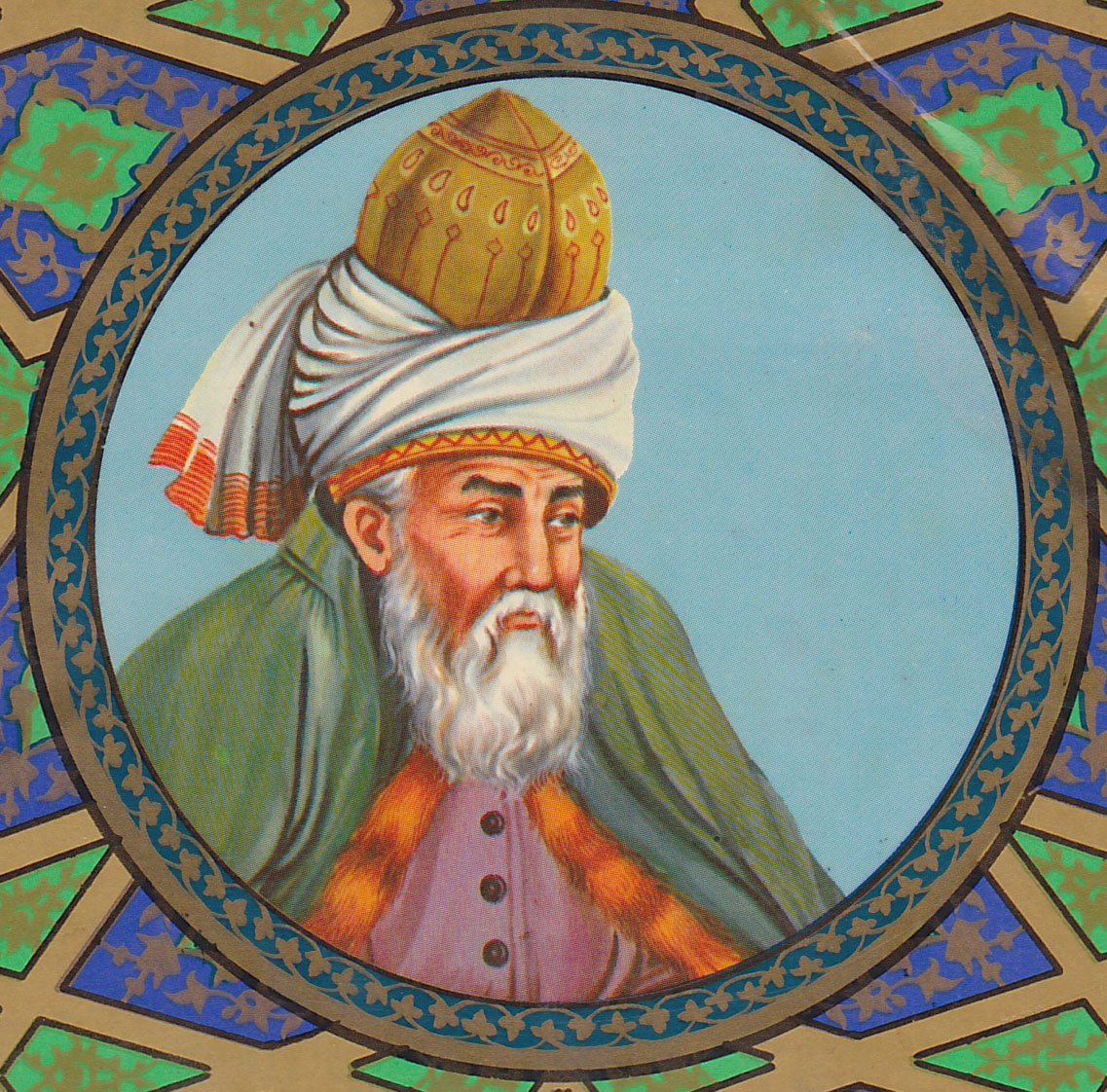
~ Rumi
A etymological understanding of "Vedanta" is not the end of a text
(Veda meaning "knowledge" & "anta" meaning end)
But the "End of Knowledge" itself as The Absolute is beyond any comprehension
Therefore it is the minds acceptance of its limitation & submission into the Unknown
@SBGillani "My heart wears all forms:
For gazelles it is an open field,
for monks a cloister
It is a temple for idols, and for pilgrims the Ka'bah It is the Torah's tablets & the pages of the Quran. Love is the faith I follow
Whichever path Love's caravan takes,that is my road & religion
This may sound hypocritical as it's based on my own research
But the only true measuring stick I have found to be absolute is peace and happiness
Pure Bliss (Ananda) is no different than pure existence (sat) and the truth
And I have only found Advaitan sages to be purely free
Moving away from Islamic metaphysics toward Advaita Vedanta
Trying to find the best in Sufism but I mostly just see how "my" tradition, "my" school, "my" history is better than others
But noticed Advaitans who transcend realms beyond these categories into pure happiness & bliss
While Advaita Vedanta upholds the metaphysical principles of both transcendence and immanence
It pushes more to towards grounding oneself in the ontological Absolute beyond material constraints,
allowing its sages to be truly free of the suffering & angst bound to space & time