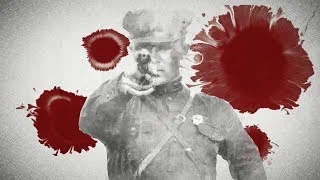
General Józef Haller was the commander of the Polish Legions 2nd Brigade and the Polish Army in France in 1939. During the Polish-Bolshevik War, he was a member of the State Defense Council and the General Inspector of the Volunteer Army.
Haller was buried at the Gunnersbury Cemetery in London (in 1993, his ashes returned to Poland).
He was born #OTD in 1873.
Read more: https://t.co/f7YQPzctzM
"The people that run Celtic are in denial that Celtic Boys Club had nothing to do with Celtic.
It had EVERYTHING to do with Celtic. They wore their badge, they wore their blazer. People who worked for Celtic ran Boys Club teams."
The mother of the autistic child who was manhandled by police then left for hours in custody for calling a police woman lesbian nana is set to take legal action
Go on girl! We are all behind you. Sue West Yorkshire police and get that bullying cop fired
I always wait a couple of months before forming my opinion on new players. Sadly many are rejected by our fans after 2 games. Ibrox is a hard place to play because of the demands we make. Wee bit of patience is required.
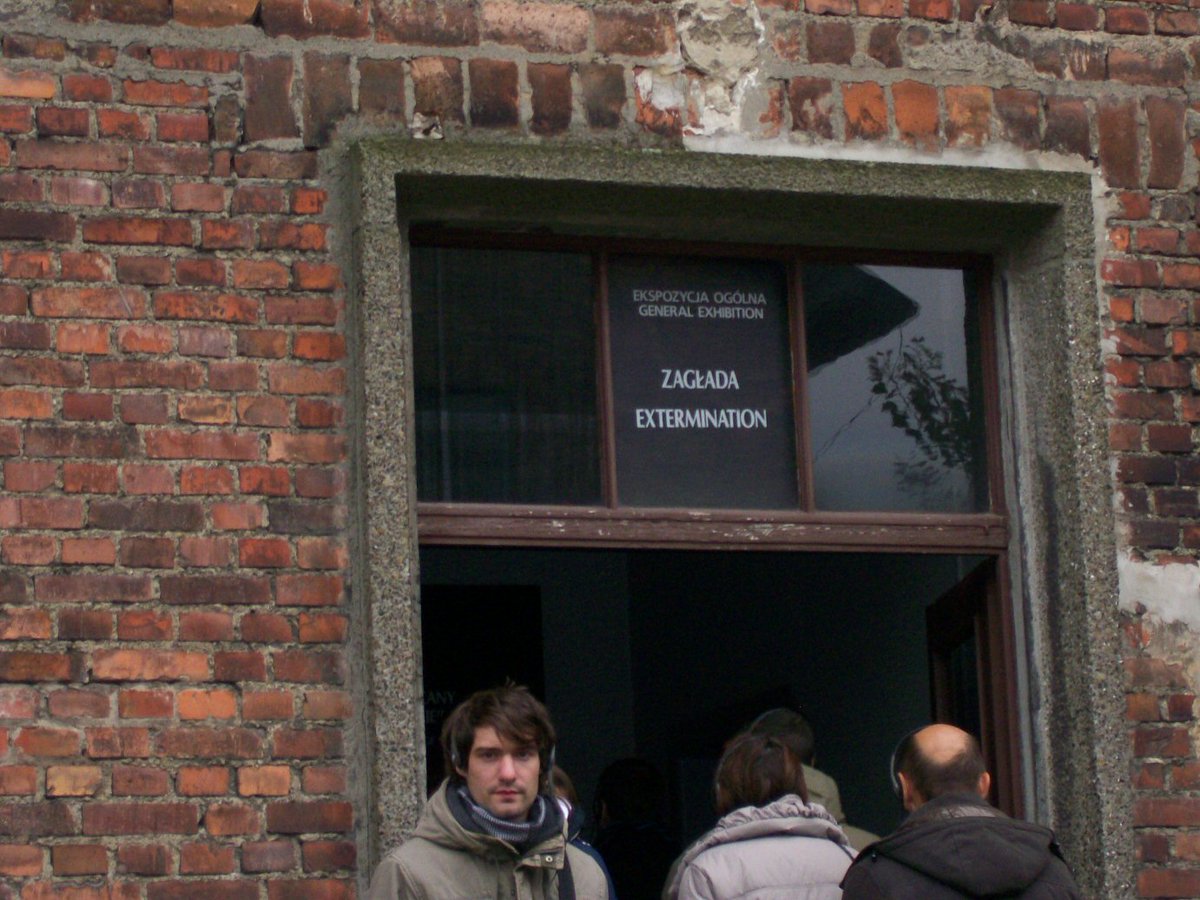
Horrible uneducated bastard. I've been to Auschwitz, Birkenau, Treblinka, Sobibor, Majdanek. Belzec, Chelmno, and several others more than once and this clown has no idea at all😡😡😡😡😡😡
@DavewLxiii A horrible creature. I've never been to Auschwitz, but I've been to Studthoff. There's a chilling atmosphere, made worse by the absolute normality of the railway which runs alongside it (Where the captives were gassed) and the Commandant's garden.
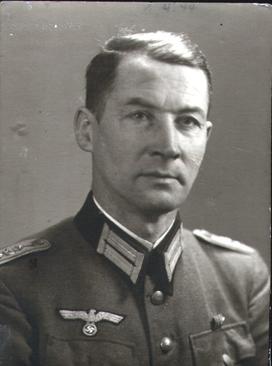
#OTD in 1952🗓Wilm Hosenfeld died in Soviet captivity. He was a German officer known for rescuing Jews and Poles during the WW2 German occupation of Poland.
He helped composer Władysław Szpilman survive in the ruins of Warsaw after the Warsaw Uprising had been suppressed.
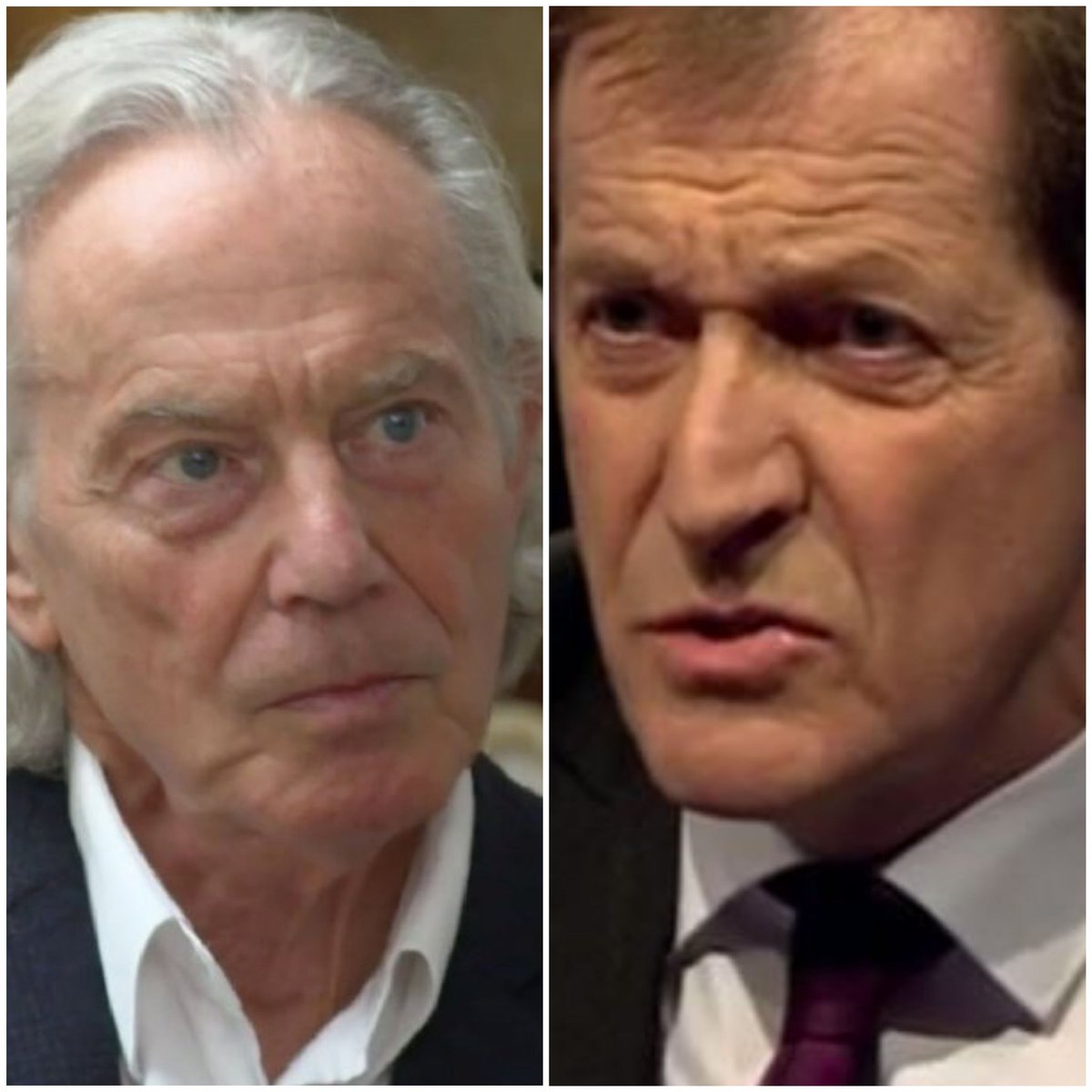
Invasion of Iraq... our young soldiers died on their watch.. thousands of civilians died, weapons of mass destruction..
Not one... two horrible bastards, without a doubt....
August 11, 1937 - The NKVD Operation against Polish victims began in the Soviet Union.
This was a purposeful and determined extermination against Poles living in the USSR during the period of the Great Purge.
Genocide is nothing new to the Polish people, nor is their history being forgotten or neglected.
Stalin's "Polish Operation" is another example of this happening. This buried extermination of the Polish people is hardly known, even to some Polish don't know, but like all victims, it is necessary to remember them by sharing their stories.
In the end, at least 139,835 people - mostly Poles. - no less than 111,091 people - were shot in the back of the head.
This action was applied under Order Number 00485, issued on August 11, 1937, by the People's Commissar for Internal Affairs of the USSR Nikolai Yezhov.
The Polish people are proud and value their historical roots as they should. They particularly appreciate their compatriots who fell victim to dreadful persecution in the 20th century.
Touching ceremonies and events are organized in the name the past, during which we pay tribute to the sacrifices they made for the Polish nation.
It seems, though, with one particular exception. This Soviet crime against the Polish nation has remained all but forgotten. To this day, it seems somehow omitted from historical consciousness, yet it is now becoming more and more known because of Polish writers and some institutions that are recalling this nightmare.
This atrocious event is the NKVD's "Polish Operation" in 1937-1938 – the first genocide against the Polish nation. It was a drastic and brutal crime of an immense nature.
To put this in perspective, the number of Poles killed in the genocide is four times more than the capacity of the National Stadium of Warsaw, and at the time, 1.5 Poles lived in the Soviet Union.
Something else disturbing is the proportion of death sentences and imprisonments ordered during the operation, around 80 percent of the total number murdered.
According to Terry Martin, an American historian, Poles we 30,94 times more likely to be shot than other ethnic minorities living in the Soviet Union.
The initiator behind the operation was Joseph Stalin. He declared that the whole territory of the Soviet Union was filled by a conspiratorial element of the Polish Military Organization (PMO).
In reality, this element did not exist – it created Stalin's unhinged imagination. This did not pose a problem for NKVD investigators, however. During long nighttime interrogations – which used bestial and advanced torture techniques – detained Poles were forced to confess that they were Polish spies and members of the Polish Military Organization. Polish nurses confessed to having poisoned Soviet children at the behest of the Organisation. Workers admitted to sabotaging machines. Members of Kolkhozes said that they had set fire to land and barns. The Soviets used whips, batons, bayonets, rifle butts, and sometimes even electricity to force these confessions out of the Poles.
They used a range of torture techniques, many of which they later used in occupied Poland from 1944 onwards. These included ripping out fingernails, burning hands with cigarette butts, kicking of the kidneys, and crushing the testicles with office cabinets.
Many Poles would later suffer the same fates in World War II and in postwar Poland when dealing with the UB. Unfortunately, it seemed not much ever changed from the torture techniques.
To give you insight into how the Soviets dealt with prisoners, about a decade later, Captain Witold Pilecki would state his time with Gestapo was child's play compared to that with the Soviets.
Joseph Stalin encouraged the invigilators to continue their "hard work," and he supervised the progress of the Polish Operation investigation. "Very good," he wrote to Yezhov, adding, "Kick and clean out this Polish espionage scum. Destroy it for the good of the Soviet Union".
Yezhov himself gave his underlings the following orders: "Beat the Poles as much as you can. Carry on in this spirit, extract confessions, and don't pay attention to anything else."
They went as far as to scour the phonebooks and on employment and tenancy lists for Polish-sounding surnames, even a "ski" or "wicz" could be enough for one to end up with a gun to their head.
Soon after, no one cared about formalities, they became redundant, and Poles were murdered on such a large scale that attention was longer paid to official causes of death or even sentencing.
In many cases, people were simply murdered, and their sentences were confirmed afterward. Situations arose where surnames, dates of birth, and prison cells were mixed up.
As a result, prisoners were often mistakenly murdered just because they had a surname resembling someone on the death list. This event became a sadistic, gory orgy of mass murder with the usual traditional shot to the back of the head.
Poles were shot anywhere and everywhere, except for some brutal beatings to death with a club. In one case of the NKVD officer in Kuibyshev – Ivanov. "He set up competitions to see who could kill a detainee with one single kick,"
Tomasz Sommer wrote in his book titled the "Anti-Polish Operation". "Ivanov himself, however, walked around in a white apron and carried a special device with which he cut people's throats, which earned him the nickname "Doctor" among his cohorts. Ivanov demanded compassion in lieu of the fact that his health suffered as a result of the intensity with which he carried out the death sentences".
Murdered Poles were dumped in burial grounds used by the Checkists since the revolution. They were buried in wastelands and thrown into rivers. Occasionally, the murders occurred in abandoned churches and monasteries, where the bodies would simply be left there.
A Kyiv-based NKVD officer, Musogorski testified, "People were shot in prison basements, and during the night, special tongs were used to load the bodies onto trucks. We used the tongs to grab the bodies by their necks and legs and throw them onto the trailers. We then covered them with a canvas and drove them to Bykivnia. Finally, we threw the bodies into pits, one after another".
Indeed, persecution did not end with the death of the victim; it continued to shadow the family. On the orders of Yehzov, the deceased's family was persecuted. Widows would be arrested and sent to Gulags, where many would never return. Children were labeled enemies of the state; those 15 years or older were sent to camps, and those younger would be sent to orphanages stripped of their Polish identity.
Family fortunes were confiscated, and homes were boarded over. Most families had several generations living in the same home, and the parents of the executed Pole were thrown onto the freezing winter streets with no prospects of an income to starve.
Many that lost their lives were several thousand Poles that had been removed to Kazakhstan. During this period, deportations took place, as they would later at the start of World War II, under horrendous conditions, and many would perish, mostly children. This was part of the depolinization process.
Tomasz Sommer would state that "the word "genocide" most accurately describes the Soviet extermination policy of Poles. Certain demographic groups within the Polish population were killed almost entirely, eradicating Polish families, leading to a breakdown and the gradual disappearance of Polishness.
Again, genocide is nothing new; we all know about the Holocaust because it's in our collective memory, but there were other ones, and this was one of them years before that one was even being considered possible.
It's another example of the determination to eliminate an entire people from a nation and completely eradicate their memory.
Source assistance: Piotr Zychowiz, Tomasz Sommer, Institute of National Remembrance and Mieroszewski
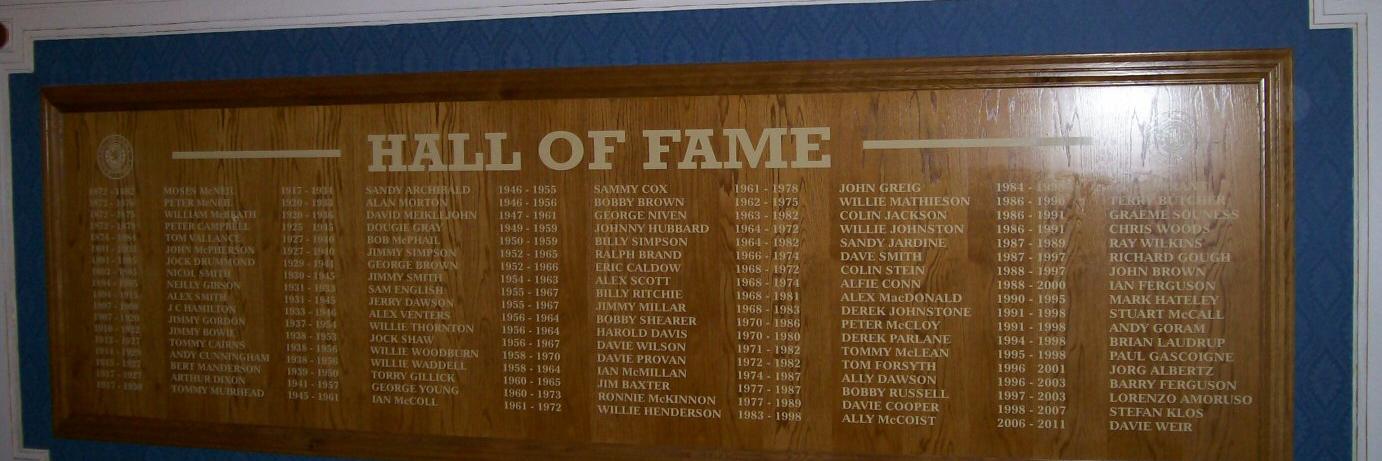
Celtic chairman Kevin Kelly is seen here with Paedophile Jim Torbett.
Celtic Manager Tommy Burns is seen here with Paedophile Frank Cairney.
Both photos were taken after these Paedophiles had abused Celtic Boys Club players.
Why did they let them come back?
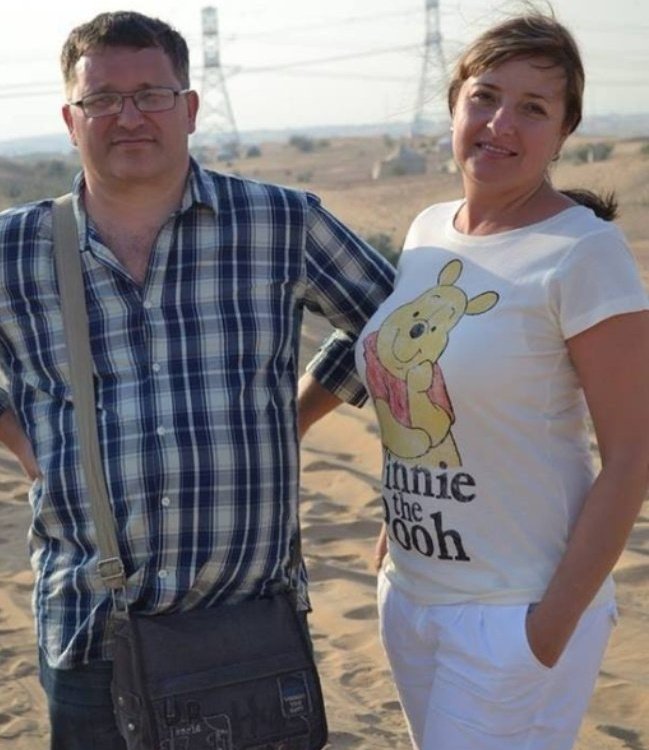
This beautiful couple Volodymyr Aliokhin and Olena Kulish were shot dead by the russian occupiers on August 10, 2014, for bringing food to Ukrainian defenders in the Luhansk airport. Don't forget that this war didn't start in Feb 2022. russia has always been a terrorist state
Wiesław Chrzanowski, a Home Army soldier, was 23 years old when the Warsaw Uprising broke out. He participated in the insurgent fights in the Old Town and Śródmieście. Chrzanowski was one of the lucky ones who lived to see free Poland, he passed away in 2011.
Maria Skłodowska-Curie and Albert Einstein on Lake Geneva - minds that changed the world in one rare photo.
Einstein stated that Skłodowska was probably the only person who could not be spoiled by fame. Maria and her husband often refused awards.
On 7 August 1944, a massive attack of German artillery on the Warsaw Old Town during the Warsaw Uprising began. By January 1945, 90% of the city’s historic buildings were completely destroyed.
🚌 Get on this double-decker run by @HopWarsaw and see the top sights of Warsaw. You can hop on and off the bus between two routes and explore the city. Check timetables on their website.
🏆 You can get tickets for this ride and more if you join our #PerełkiWarszawy challenge. Design your walking route around your favourite spots in Warsaw and submit it on https://t.co/8IAez24t3j until 20.08.2023.
#DiscoverWarsaw 🧜🏼♀️
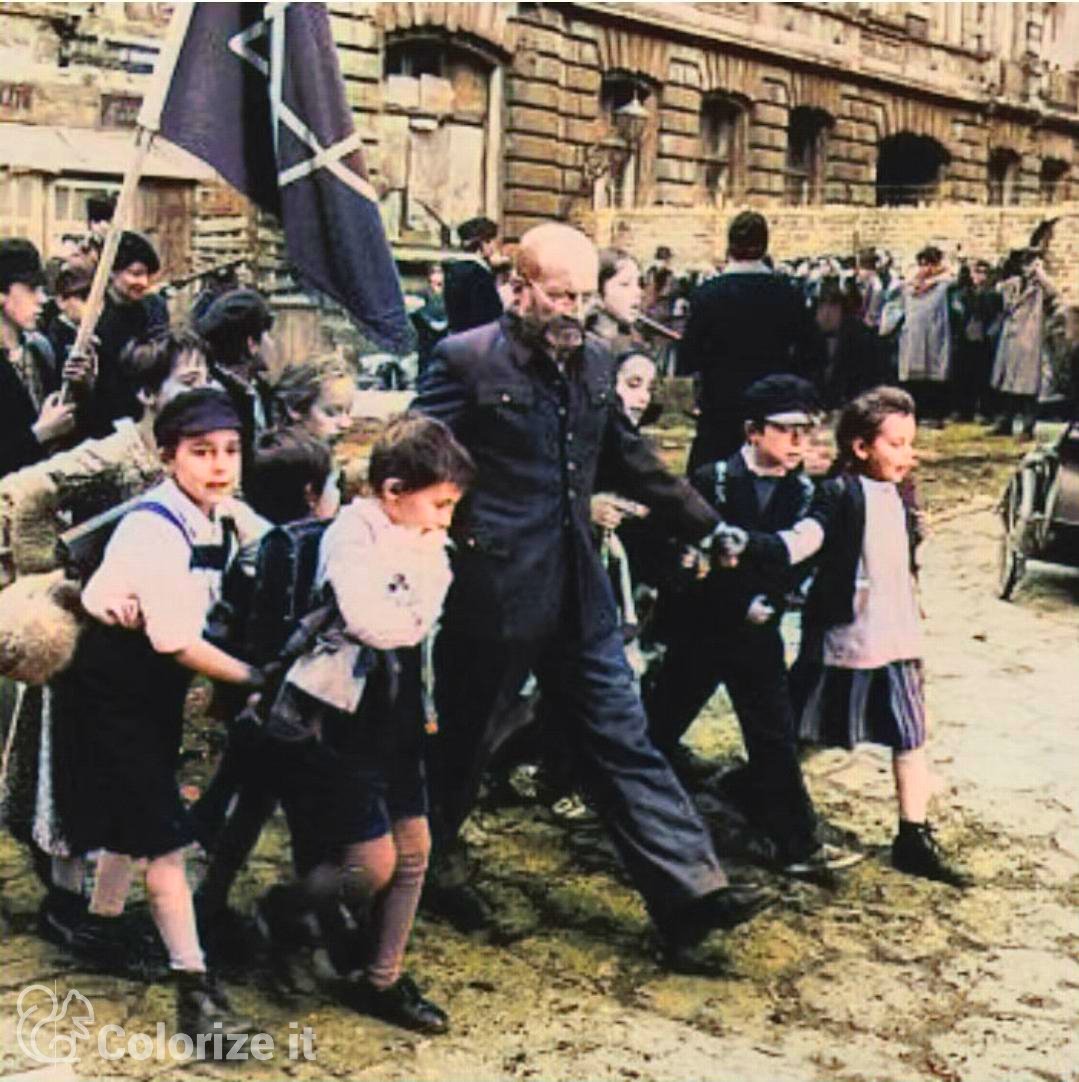
#OTD 81 years ago, Janush Korchak , the head of an orphanage in Warsaw, decided that he would not save his own life and that he would accompany his students to the death camp of Treblinka where they were all were murdered by the Germans and their helpers.