Growers may need to start learning how to calculate a carbon footprint said @WarwickBadgery at the Wagga #GRDCUpdate. Establish a GHG emission baseline then assess reduction options.
📖 Read https://t.co/xDrwZt6mkJ
📺 Watch https://t.co/0RmYgXbHnx.
@nswdpi @UniMelb@QUT
"Often people know things are happening, but they don't know exactly when," - @WarwickBadgery
Great to see Grazing Intelligence, our collaborative project with @nswdpi and @pastureio featured in @thelandnews today.
Read more ⤵️
https://t.co/a2fgiBmEkg #AusAg#AgChatOz
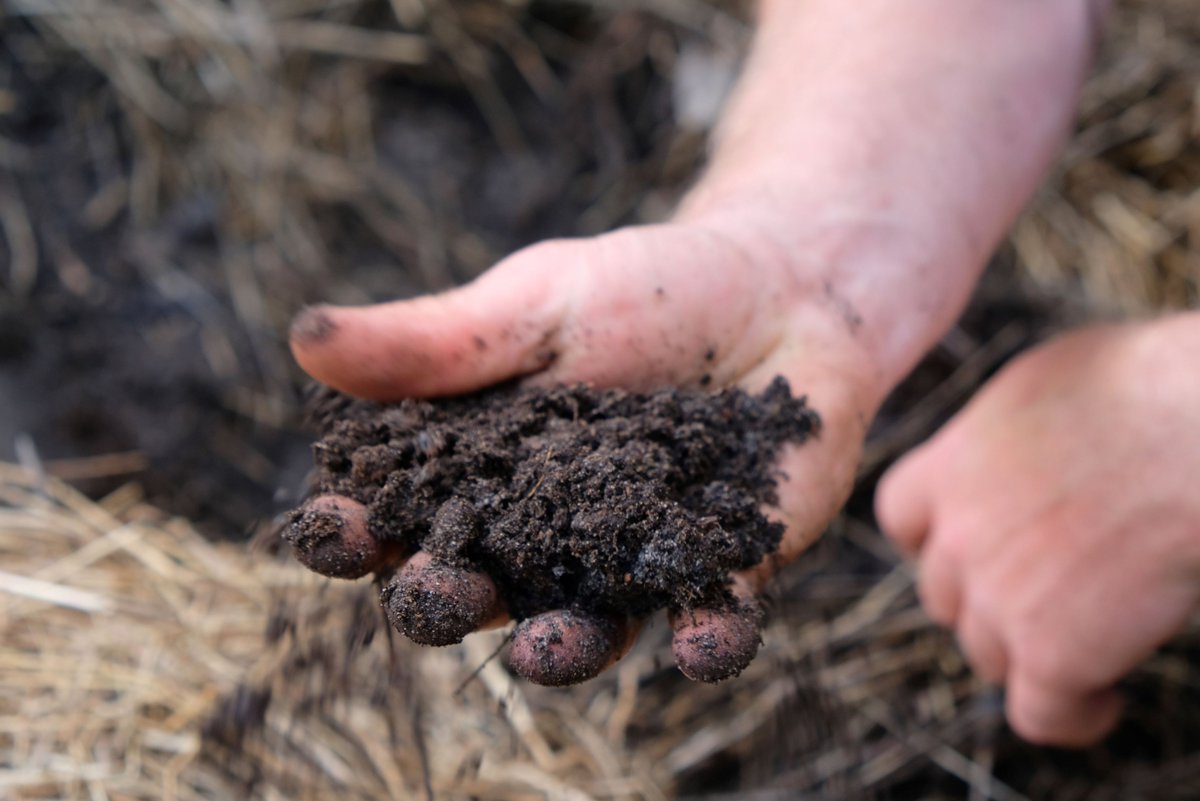
Happy World Soil Day! 🌱
With the urgent need to tackle climate change, soil's role as a #carbonsink is increasingly being recognised.
Join us online on Thursday to find out about whether #grazingmanagement can help increase #soilcarbon.
Register at https://t.co/J0RwVwXPvM
Cracking lineup for the upcoming @LandcareAust webinar.
Register (https://t.co/RM8vzwcyLF) to hear @WarwickBadgery provide answers on:
- How does soil C change with management and over time?
- Measuring soil C, how confident can we be?
- What soil C can be sequestered at depth?
@mjgoodenco@NSWDPI_Pastures More data on changes in soil C over time is greatly needed. I fully support pulling together data from ERF projects if there is a way.
Today we published our review on the influence of grazing management on soil carbon in Australia. Increases in soil carbon could not be detected with increased intensity of grazing management or lower stocking rates.
https://t.co/yZq06bcqhO
@NSWDPI_Pastures
@stuartaustin82@NSWDPI_Pastures Thanks Stuart, over a third of studies had data to depth. It didn’t change the outcome. Where we have monitored changes at depth they are generally reflected in the top 30 cm. Under the Paris agreement C can not be counted below 30 cm either.
@GusWhyte@foodagility@NSWDPI_Pastures Changes may be happening, but they are likely to be small and with a lot of variability, very difficult to detect.
Here's how to fix Australia's approach to soil carbon credits so they really count towards our climate goals https://t.co/0DE6MD5Wdk via @ConversationEDU
New #CropPastureSci#SpecialIssue: @AusGrassland 2023: Pasture legumes for sustainable systems
Review: legume research & extension in NZ #OpenAccess
Strawberry clover: current status & future role #OA
Legume persistence for grasslands in SE Aust tablelands
https://t.co/83NueX3jez
.@WarwickBadgery and team have recently published a review looking at the role pasture species have in reducing methane produced by livestock. #LowMethanePastures
https://t.co/A4TPMetITV