What is the bottleneck for current robot RSI (recursive self-improvement) methods? They need to really understand the physical world instead of residing in virtual space.
We introduce RoboAuto: autonomous robot program search through multi-level physical understanding.
Paper: https://t.co/hxkExVxLet
Webpage: https://t.co/ny2Emx4eC2
🧵1/8
The result is a tractable path toward protecting complex secrets in high-dimensional learning systems while retaining the expressive semantics of Pufferfish Privacy.
Paper: https://t.co/9hpsomBbDU
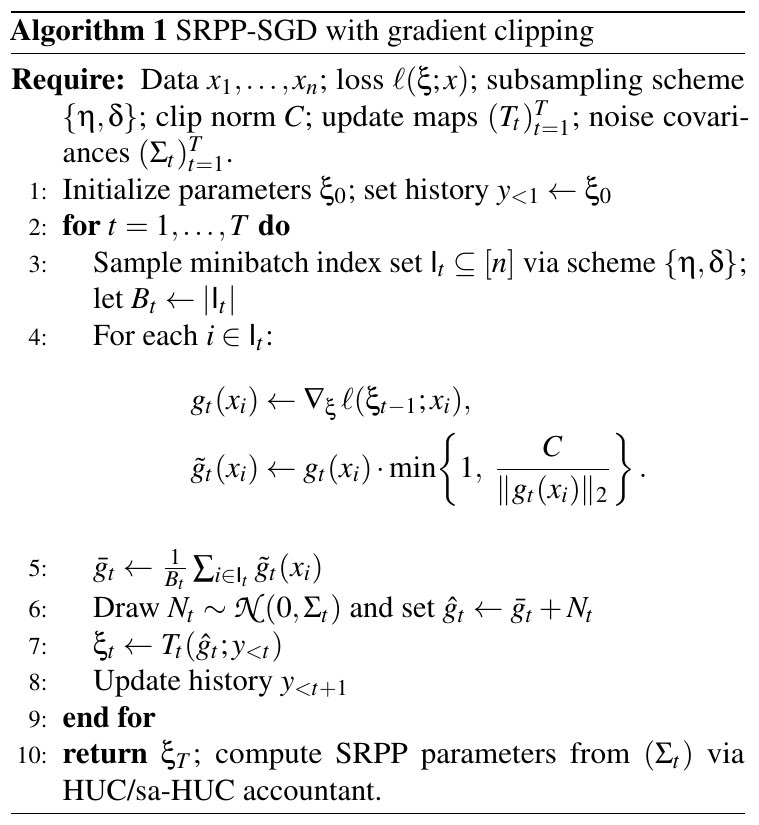
We develop sliced Wasserstein mechanisms with efficient Gaussian noise calibration, and SRPP-SGD, a DP-SGD-style decompose-then-compose framework with gradient clipping and new privacy accountants for iterative learning.
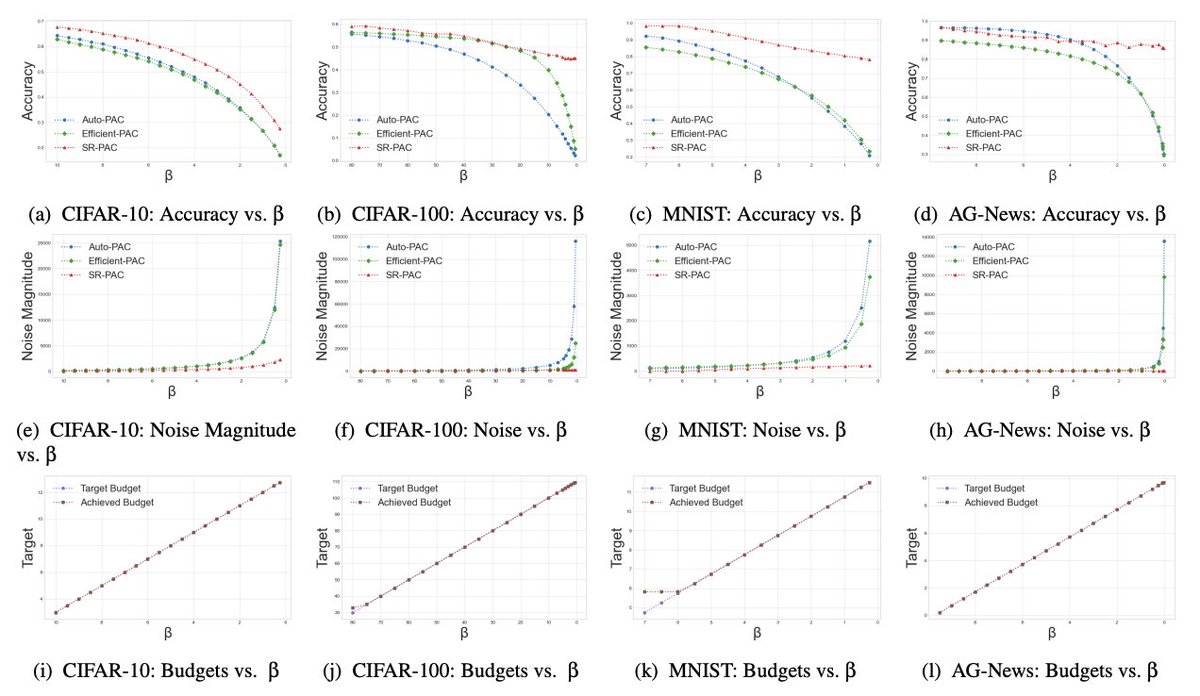
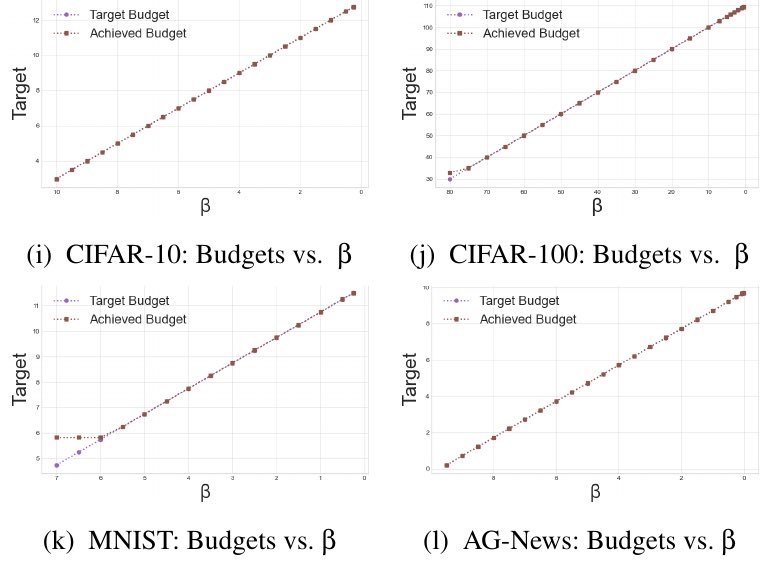
Building on this perspective, we develop Stackelberg Residual-PAC (SR-PAC), an automatic privatization framework designed for tighter privacy-budget utilization while retaining black-box applicability and composition.
Paper: https://t.co/Qlfcsuq13w
New paper from our group at USENIX Security 26: Residual-PAC Privacy: Automatic Privacy Control Beyond the Gaussian Barrier.
Led by @TaoZhang10086 and advised by @YevgeniyV55066
We then introduce Residual-PAC (R-PAC) Privacy, which takes a complementary perspective: rather than quantifying only the privacy leaked through a mechanism, R-PAC quantifies the privacy that remains after adversarial inference.