Official account of Stanford's Water in the West program, developing cutting-edge freshwater solutions through interdisciplinary research, dialogue & teaching.
🌽 Globally, food supplies are threatened by concentrated production in water-scarce areas.
Read more about this phenomenon in @nytimes: https://t.co/nKgHCFeSbe and learn about what @WaterintheWest is doing to make groundwater management more sustainable: https://t.co/jpecqKremR
For decades, farmers, water districts, and environmentalists have fought over water in California. But, in 2020, they agreed to collaboratively identify solutions for safe & reliable water, environmental restoration, and more. #FlashbackFriday Read more: https://t.co/sXRlJFXiWf
How can the private sector help solve water issues? What legislation can balance private sector involvement with public interests? In his book, @WaterLawProf answers these questions and many more: "Liquid Asset." Listen to @MavensNotebook podcast episode: https://t.co/uCQknFMP68
How do groundwater levels affect crop yields in the US Corn Belt? As climate change brings more wet + dry extremes, a @PNASNews study from @stanforddoerr & @IowaStateU is shedding light on the critical role groundwater plays.
🌱 Read the paper: https://t.co/awEQZrciZl
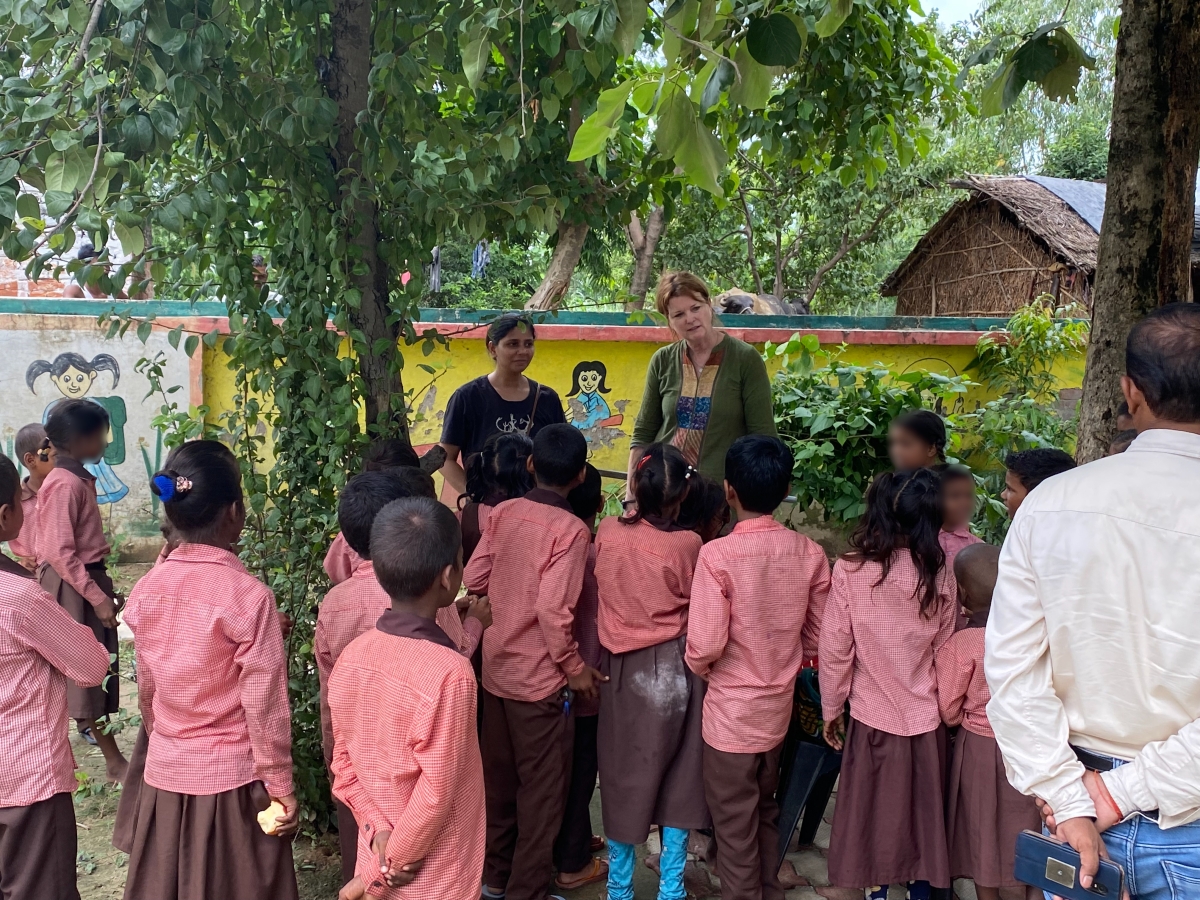
Stay tuned this #WorldWaterWeek for floods of water content 💦 as we revisit recent @Stanford projects that tackle global water issues: empowering kids to protect their health🚰 , analyzing wastewater for pathogens 💩, & understanding + preventing water conflict 🤝.
#WWWeek#WASH
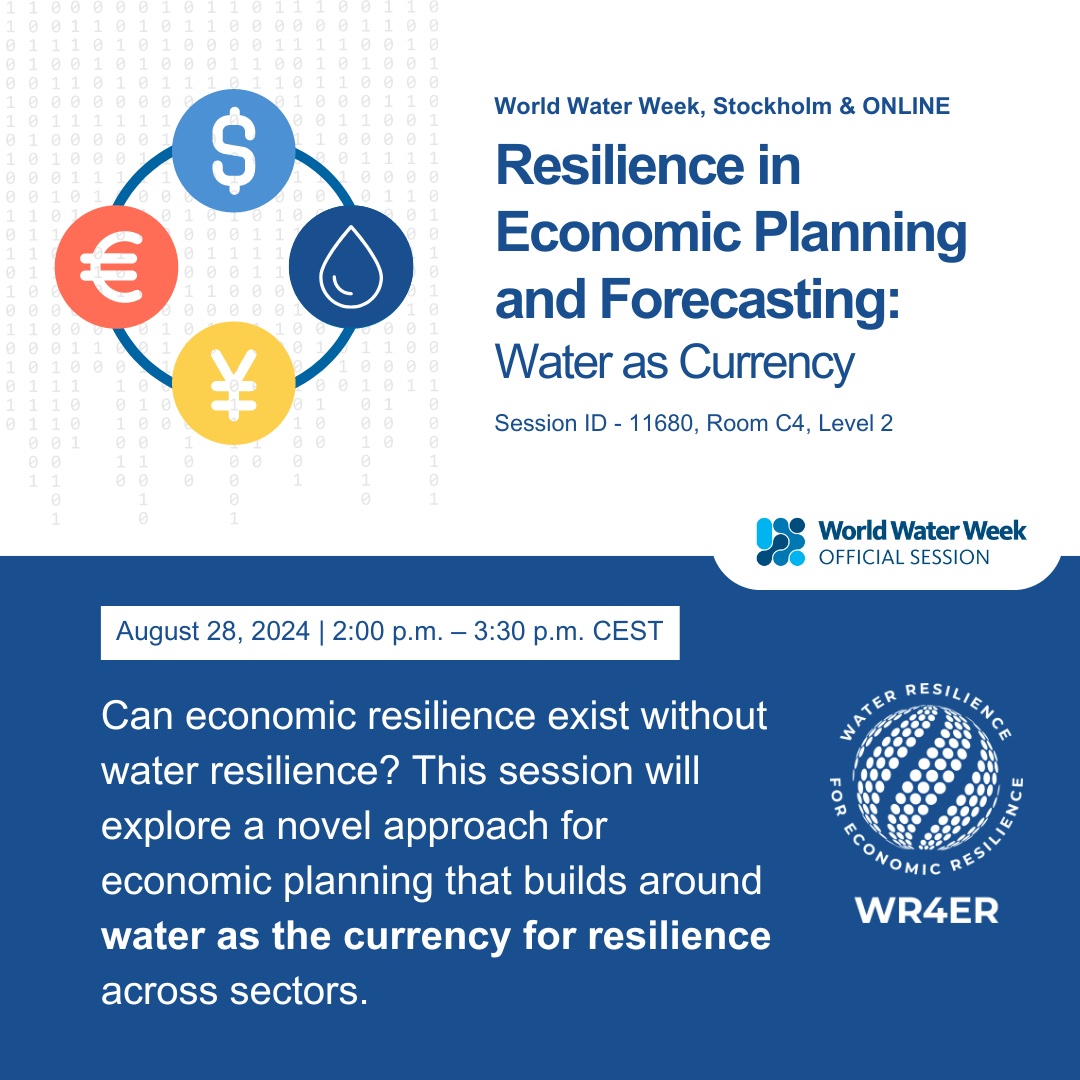
Water resilience is essential to economic resilience. This Thursday, August 28th, @FeliciaMarcus will present & answer questions at #WorldWaterWeek2024 on how California is investing now to forestall the worst water impacts of climate change. Learn more: https://t.co/kCVI8cOgGX
It’s almost #WorldWaterWeek!💧Explore the real-world complexities, challenges & opportunities surrounding water management in a free virtual session next Monday, 8/26, with Stanford presenter & moderator @FeliciaMarcus.
Register ➡️ https://t.co/M056ZnjMPJ
#WaterGovernance#WWWeek
For Shultz Energy Fellow Dillan Saltsman, an internship at the @CA_DWR was an opportunity to collaborate closely with mentors, improve data analysis skills, and gain a better sense of what it means to work in the public sector on water and energy issues: https://t.co/PvrtjvMV2p
Please share: We're hiring a postdoctoral fellow!
@oceansolutions is looking for an early career scholar interested in fisheries management, climate change, and sustainability science with a passion for co-designing research to inform policy.
Learn more: https://t.co/jEyTQJ9TIR
A recent technical paper from @cee_stanford engineers incorporates #socialequity into frameworks for water infrastructure maintenance & rehabilitation by including the fair and just distribution of water resources as a decision variable 👏
Read the paper: https://t.co/jBQ9kCj29j
New paper with @SFletcherH2O and @WE3Lab ! Many studies examine how changing climate impacts water planning in drought-prone regions, but the impacts of policy and technology innovations are less understood. https://t.co/89wTupubEj
Our faculty director, Buzz Thompson, leads the nominating committee for the Stanford Bright Award - recognizing an individual who has made significant contributions to environmental preservation and sustainability. Congratulations to this year’s winner! ⤵️
Meet @FcdsOrg director Rodrigo Botero Garcia, winner of the @StanfordLaw Bright Award 🏆. He has dedicated his career to preserving the Amazon and advocating for local communities + indigenous land rights in Colombia, one of the most biodiverse countries. https://t.co/dULyCyVJWA
Dams & reservoirs degrade freshwater ecosystems, but their stored water can also be used to support the environment. A @NatureComms paper, co-authored by our director Buzz Thompson, examines ways to allocate and manage reservoir storage for river health. https://t.co/VQR00i5TcD
Rosemary Knight, @StanfordWoods Senior Fellow, discusses research that could help ensure more effective #groundwater recharge in California's Central Valley - via @FresnoBee: https://t.co/XD7i5DPs8n #CAwater
Government agencies and water utilities may be underestimating how many households are struggling to pay their water bills. A new approach developed by Stanford scholars could help identify and aid those most at risk. Read more ➡️ https://t.co/wGXhYvbKNo #waterpolicy
Breaking down CA's new water conservation plan, saving salmon by replacing hydropower, & more western US water news in the latest roundup from our partner @westcenter ⤵️ #CAwater
From the editors of our '& the West' magazine, we bring you curated stories on California’s new water conservation plan; replacing Snake River hydropower with solar; regional water supplies in Albuquerque; the historic birth of a white buffalo; and more: https://t.co/oAFAy2SloS
Over the past decade, California has taken an all-of-the-above approach to improving #water sustainability, says @FeliciaMarcus.
💧conservation & efficiency
💧stormwater capture
💧water recycling
💧groundwater management
💧ecosystem protection
#podcast: https://t.co/T99UbYTh4I
A new accepted manuscript from Stanford scientists explores the use of satellite data to map and monitor river-sourced recharge in California aquifer systems, validating the potential of InSAR coupled with AEM data. Read: https://t.co/x1vfPah0xe #CAwater#groundwater#geophysics
We face 2 water problems in CA: the “too little” problem of droughts and the "too much" problem of sea level rise & flooding. @westcenter director Bruce Cain explains how our history & culture make these hard problems to tackle - via @FSIStanford: https://t.co/VmRqCPQYvC #CAwater