Comment on “Pollination supply models from a local to global scale”: convolutional neural networks can improve pollination supply models at a global scale.
Free OA download: https://t.co/KoTt8OImJt
@ibartomeus@ebdonana@BC3Research @gisc_group
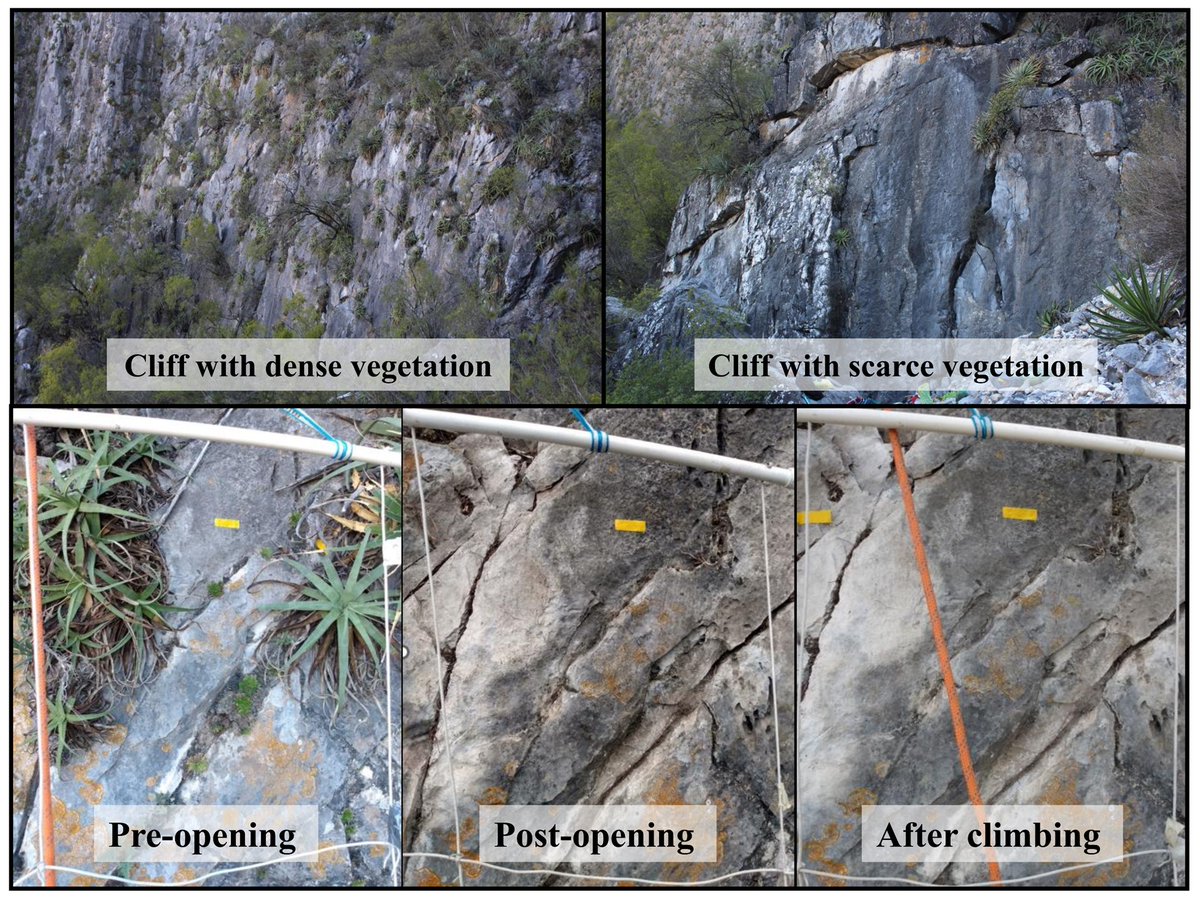
A new study reveals that developing new climbing routes is the biggest threat to cliff plants, cutting species richness by nearly 40% 🧗♀️
As a result, this study proposes a conservation protocol that regulates climbing and preserve pristine cliffs ⛰️
���� https://t.co/ViTFLWsXD9
After invasive guava tree elimination, frugivores increased their interactions with native plants. This shows how important management actions are for strengthening ecosystems and promoting biodiversity! Read more here:
https://t.co/vKnLry111B
@brisamarciniak
Environmental DNA in different media reveals distribution characteristics and assembly mechanisms of fish assemblages in a complex river–lake system.
Free DiamondOA download: https://t.co/zuusK6Mns3
🌿📸 Explorando a Biodiversidade na Era Digital! Descubra como imagens digitais e IA estão transformando a documentação de espécies. Leia mais no nosso artigo na @Web_Ecology#Biodiversidade#Tecnologia#Ciência https://t.co/eZurTZN4nM
"El éxito de iniciativas de ciencia abierta de verdad (diamante) dependerá de la credibilidad que les demos los científicos y del crédito que les otorguen las agencias que financian la investigación" https://t.co/f7ar47nu9s Creamos en @EcosistemasAEET, @Web_Ecology, etc...
Towards spatial predictions of disease transmission risk: classical scrapie spill-over from domestic small ruminants to wild cervids.
Free download: https://t.co/HDI6Qmb1D1 @CIBIO_InBIO
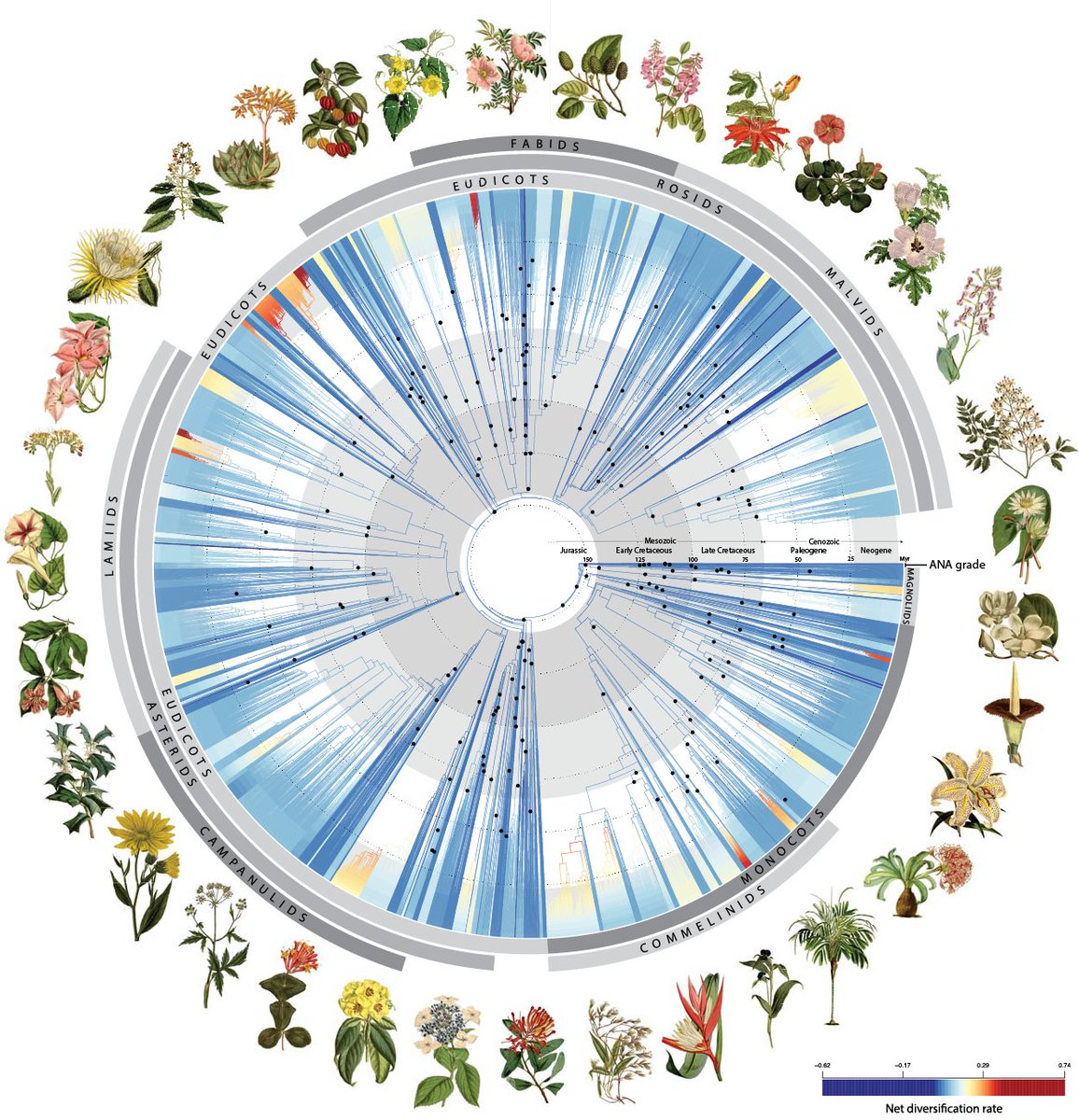
Our Big Flowering Plant Bang paper is now out in Nature!! So excited to have been part of this massive collaborative effort led by the @kewgardens team, involving 279 co-authors from 27 countries!
#angiosperms#phylogenomics
https://t.co/MedBpOumFd
Urban roadkill assessments reveals low incidence rates, likely as a result of already depleted wildlife populations. Free download: https://t.co/w9JU0WlRS5 @BOKUvienna
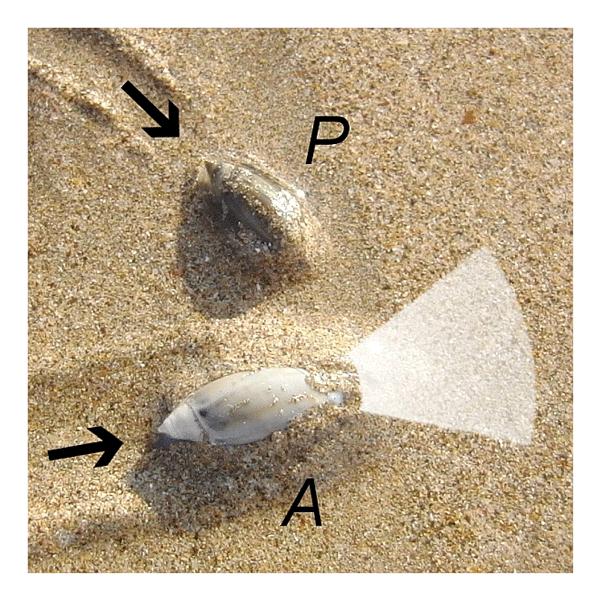
Prey may "freeze" to avert detection by predators. However, unexpected observations of “post-contact freezing” suggest that contact does not always help to distinguish freezing from other types of predator-induced immobility. https://t.co/d9oXtDRPOi @purduefw@WSUNews
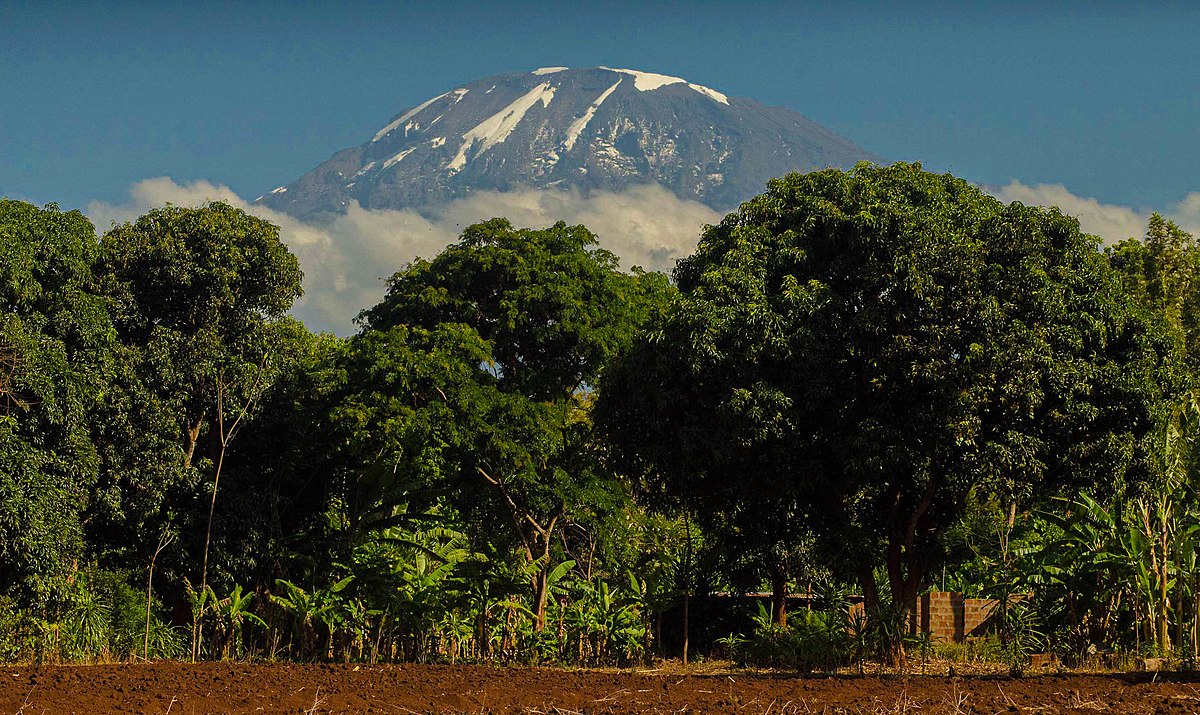
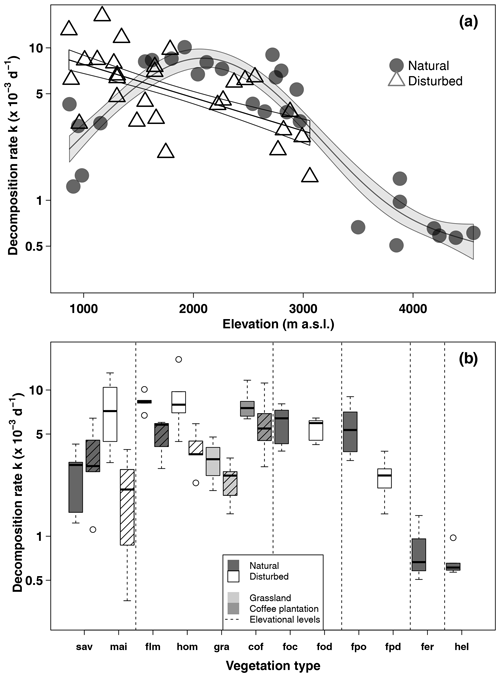
🍂 Litter decomposition along 3.6 km elevation gradient 🏔️
12 vegetation types, 2 seasons
Natural and disturbed vegetation
Most important: #climate, but different optima for natural and disturbed sites.
#mountain#ecology#KiLiProject#Tanzania
This is why Web Ecology has all its publications redundantly stored in two different long term repositories @CLOCKSSArchive and @Portico_Digital
https://t.co/MVzbFwoHE1
Disturbance can slow down litter decomposition, depending on severity of disturbance and season: an example from Mount Kilimanjaro. Free download @Web_Ecology: https://t.co/xe2QP1hW52 @Bio_UMR@naturejule
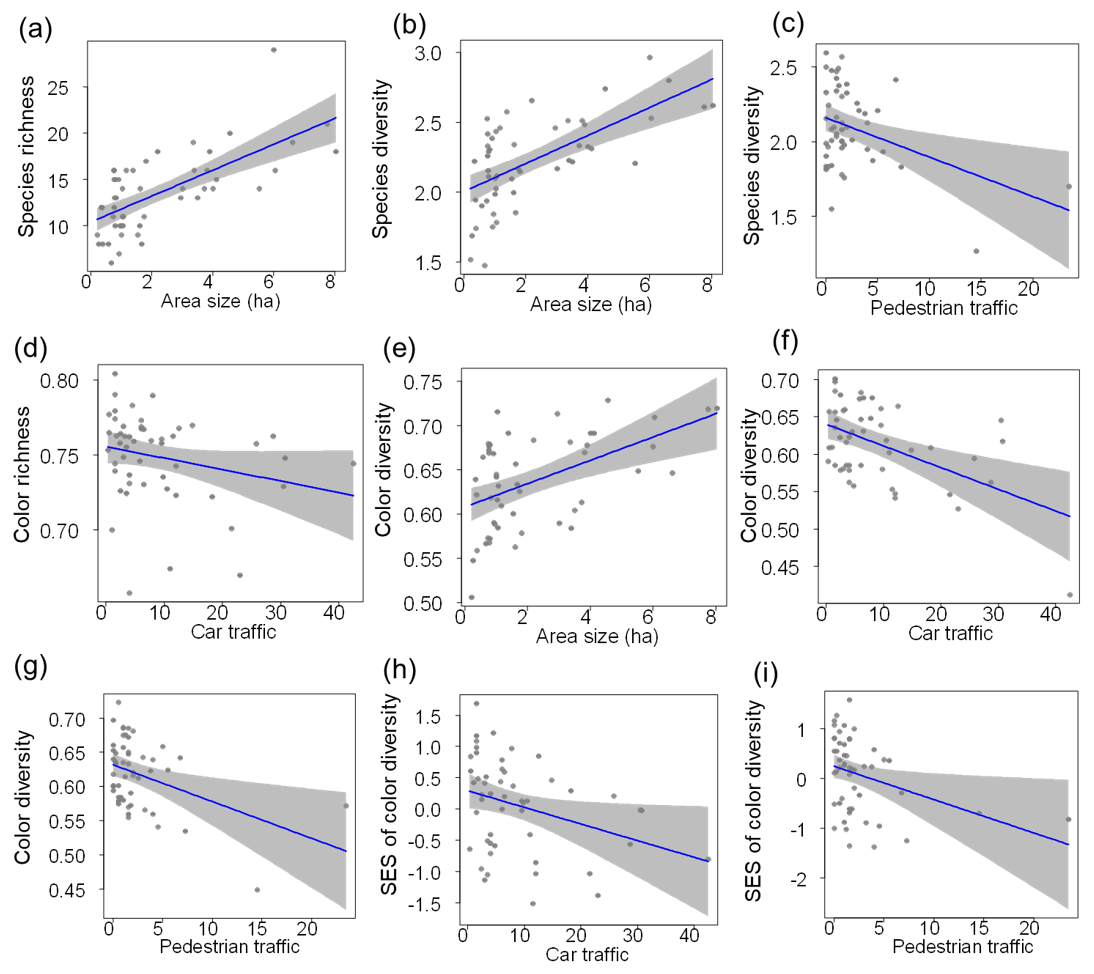
Grey birds for grey cities, but parks make a difference. A study shows how grey birds abound in cities, where they can easily camouflage. However, colourful birds are more common in parks, near rural areas, or in small cities. https://t.co/stSb5UXr4d