Heavy rain can lead to soil loss, the uneven distribution of herbicides, (which can result in variable control and crop injury in products pool in low spots), and the movement of weed seed.
Imagine a weed that grows over an inch a day, chokes out crops & shrugs off common herbicides. It’s not science fiction—it’s Palmer amaranth, & it’s a real threat.
Cornell research identifies threats and helps farmers fight back. https://t.co/1laMxKcKDa
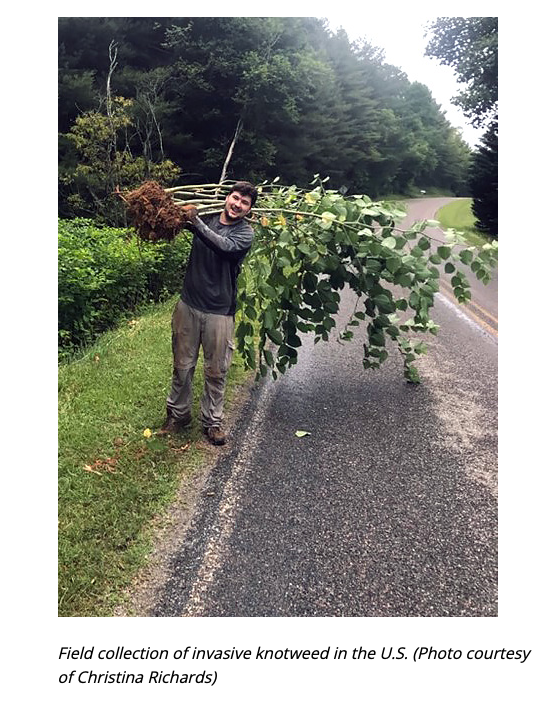
🌿 How does #Japaneseknotweed thrive across continents?
A new study from USF features how this aggressive invasive weed has evolved since its spread from Japan to Europe & North America.
#WSSA#weedscience#invasiveplants
How much crop yield is lost when weeds are present? Researchers with a @NDSoybean project are testing a model to estimate soybean yield loss from Palmer amaranth and waterhemp interference to show how weeds can impact yield. #USSoy https://t.co/RTniFF4FTn
Agtech casualties serve up warning about operational costs. Service provider instead of selling. Crowded market. But we still need more tech and more players. https://t.co/Q8wlXGvUkp
A Weed Science study shows Palmer amaranth devastates furrow-irrigated rice. Just one plant emerging 3–4 weeks after rice can reduce yield within 13 sq. ft., making weed-free fields essential year-round.
#WSSA#weedscience#invasiveplants#weedmanagement#foodproduction
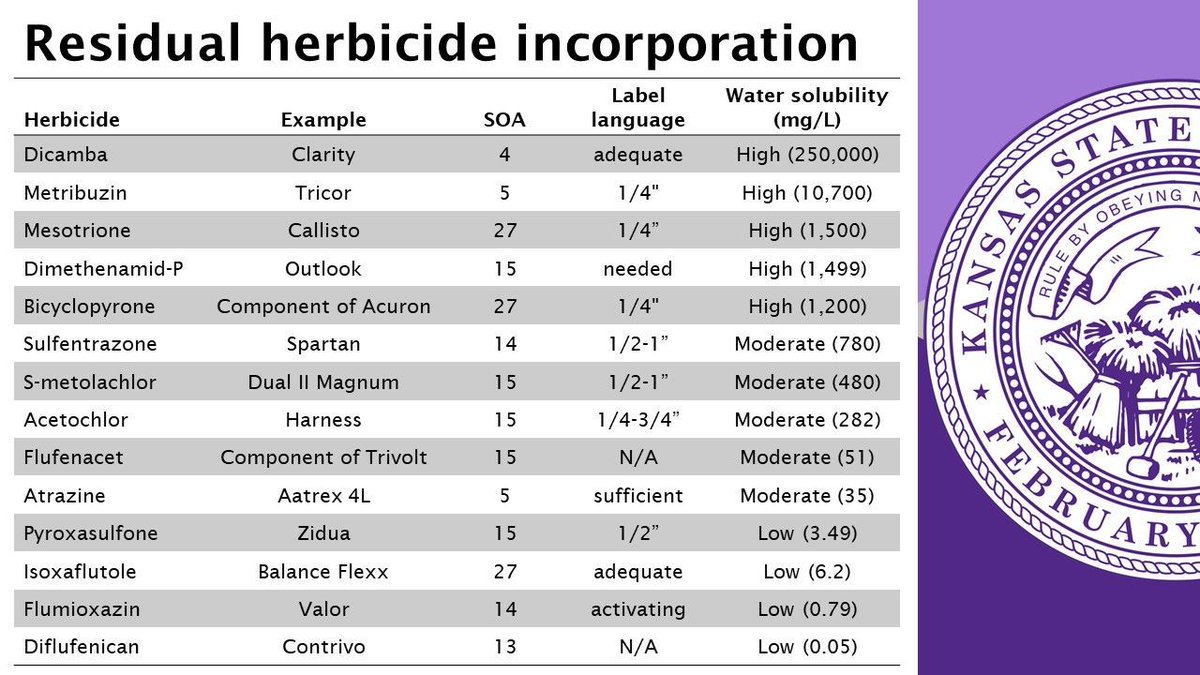
Recently discussed the importance of selecting residual herbicides with varying water solubility. Using herbicides with a range of solubilities increases the likelihood of successful weed control across different weather conditions. #LetsMessUpSomeWeeds
Does Microplastic Contamination in Agricultural Soils Decrease the Efficiency of Herbicides for Weed Control? https://t.co/SUpAn3YkCB #mdpimicroplastics via @MDPIOpenAccess
Perennial weeds are always difficult to control. Even if their aboveground stems are eliminated they reappear from underground stems (e.g., rhizomes, tubers, bulbs)
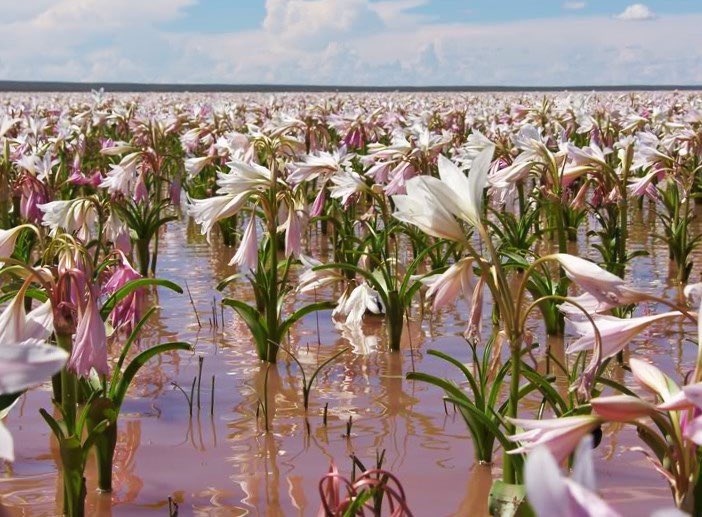
The heavy rains that have fallen in recent weeks in the Namibia Desert in Africa have caused one of the most spectacular natural phenomena, the flowering of millions of lilies that for tens of kilometers have covered the sandy soil that has dried completely for three years.