WCS team members contributed to an insightful article in @NatureClimate on human physiological limits to critical thresholds of humid heat focusing the mass mortality event at 2024 Hajj pilgrimage.
https://t.co/NXwEOs3Qqi
@drfahadsaeed@mariam_skhan@AnwarSadadKhan@Attawenclims
Curious about how dashboards can support climate adaptation? Join the webinar on heat stress in South Asia to explore how this tool informs adaptation decisions. Register here:https://t.co/PRzeBVokYp
🗓️28 November 2024
⏰16:00-17:00 PKT / 12:00-13:00 CET
@PROVIDE4CLIMATE@AITAsia
At @USAID🇵🇰event Together We Build, @mariam_skhan as panelist talks about maximizing existing resources:
Retrofitting community spaces e.g. 🕌against climatic threats to serve as communal shelters.
Collab b/w academia & policy to develop science base for planning infrastructure
@PROVIDE4CLIMATE - #COP29 Event The impact of today’s emissions has long-term implications on glacier loss, affecting sea levels &water resources!
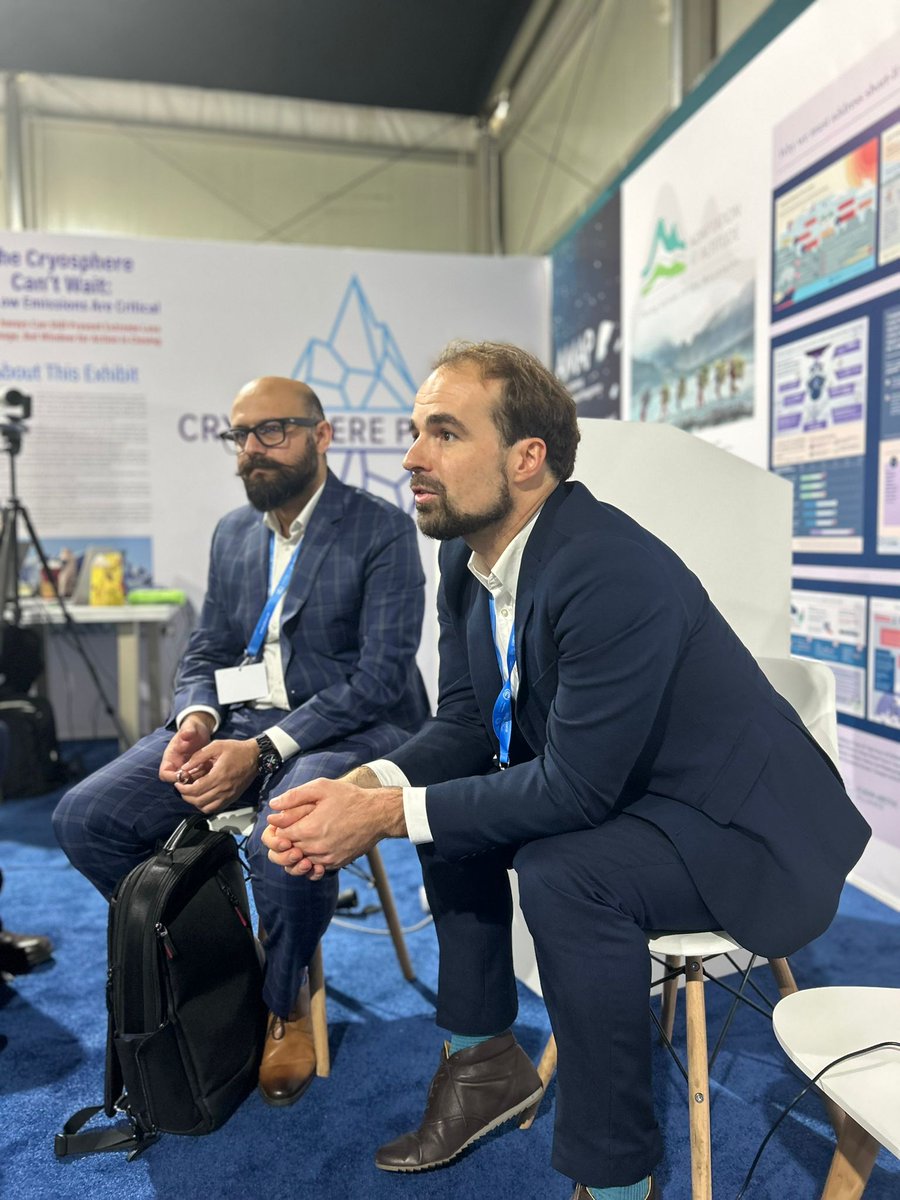
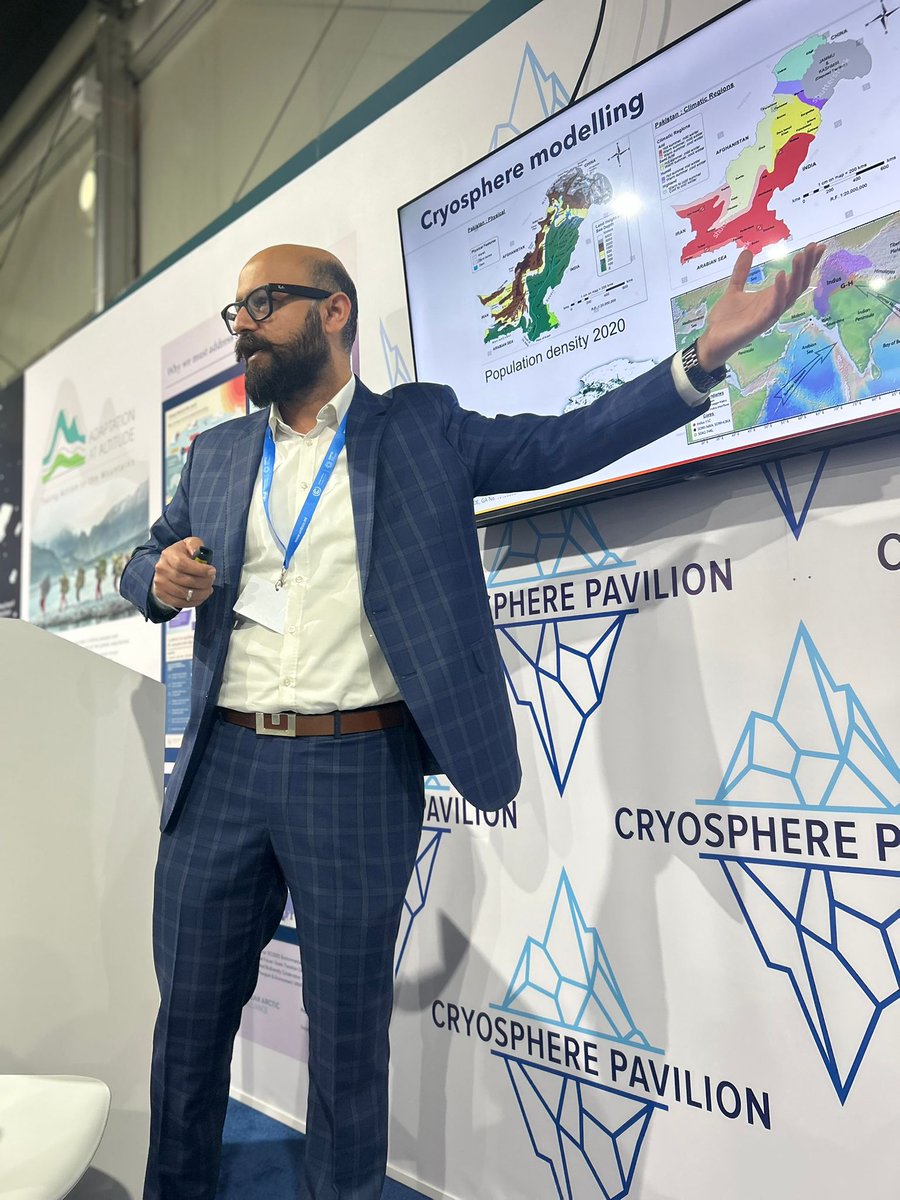
@drfahadsaeed@CarlFriedrich@FabClimate talk on 1.5C overshoot, impacts on glacier loss - Upper Indus Basin, tipping points & more.
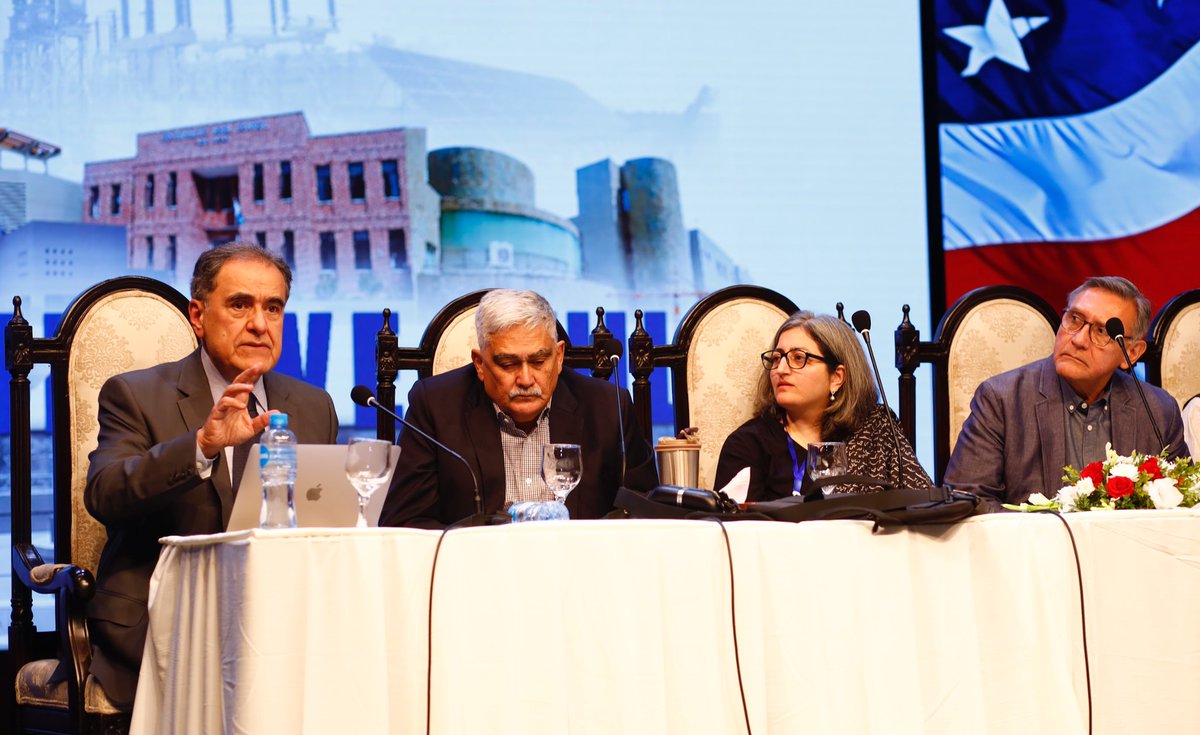
@drfahadsaeed joined the CMCC Foundation #COP29 side event exploring future climate scenarios, impacts, socioeconomic pathways & policy insight for urgent action. An effective science-policy interface is crucial in guiding climate action!
Insightful discussions with co-panelists
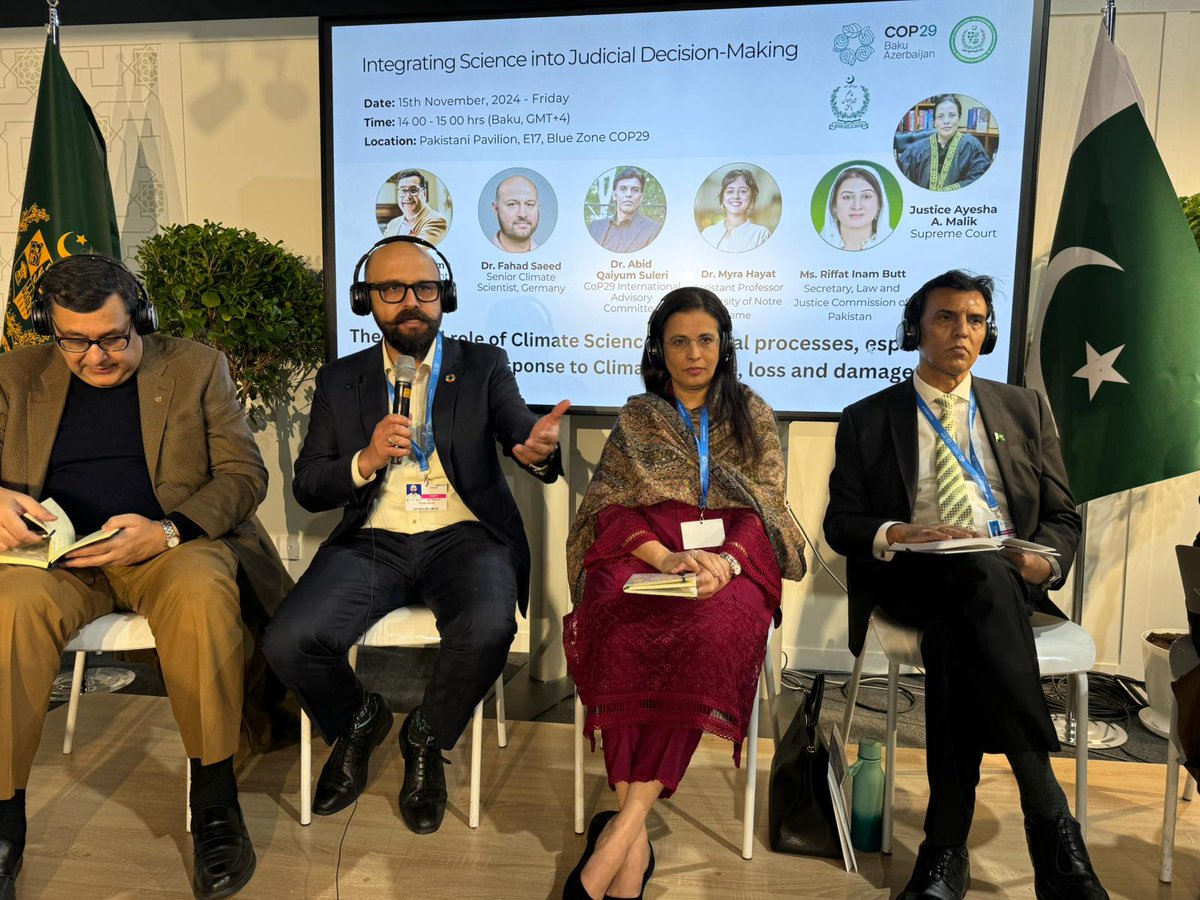
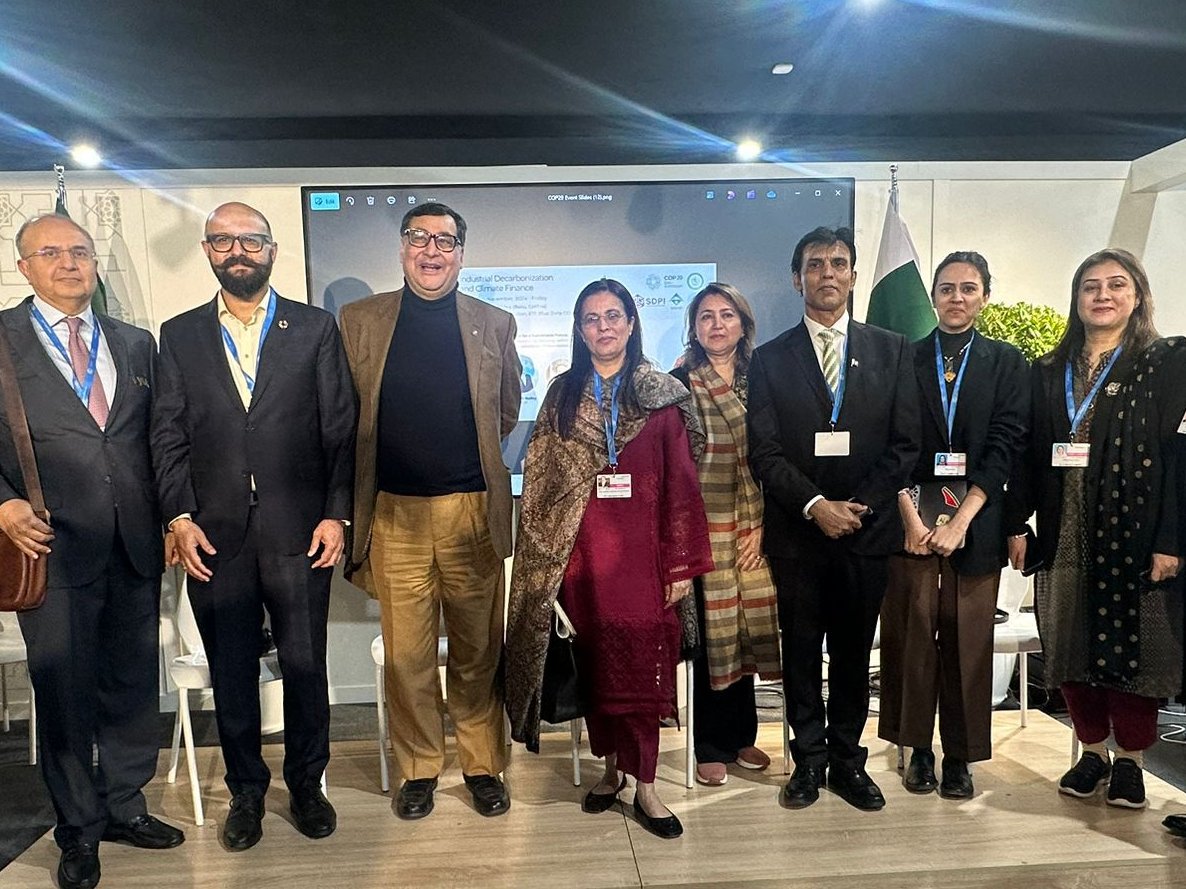
"Science has been central to guiding the UNFCCC process, a role it must also play in driving real support for developing countries via the Loss and Damage Finance Facility," says our expert @drfahadsaeed at a Pakistan Pavilion event on science and judicial decision-making.
@drfahadsaeed speaks at the #COP29 Pakistan Pavilion session on 'Integrating science into judicial decision making-the role of courts in navigating complex climate data'.
Insightful discussions with esteemed panelists @AdilNajam@Abidsuleri
As #NCQG negotiations at #COP29 unfold, quality of finance must also be dwelled upon! What lessons from the $100B target can steer NCQG toward more impactful, accountable #ClimateFinance?
Read in our latest blog by @itsKhadijaIrfan https://t.co/RhDM5dMXnX
Key findings from the @WMO latest report State of the Climate 2024:
Planetary warming reaches 1.3°C at present, the past decade being the warmest in 175 years of observational records. Repercussions around the world necessitate science backed policy & #ClimateActionNow#COP29
Delegates have gathered in Azerbaijan for the UN's climate conference.
Carbon emissions, rising sea levels and melting ice sheets are on the agenda.
🎙 #InsideStory spoke with @harjeet11, @nazaninemoshiri and @drfahadsaeed: https://t.co/8RYTjegpur
Humanity is in this together! @WMO new report shows that warming has reached 1.3C. If we are to tackle the climate crises, the quantity & quality of #climatefinance must be improved as needs are mounting in trillions -@drfahadsaeed talks to @AJInsideStory
https://t.co/CIqPEPPaHv
#NCQG will mark a milestone in advancing climate finance. But how has the past shaped this agenda? Here’s a timeline of pivotal interventions in #climatefinance leading up to #COP29Azerbaijan
As COP29 approaches, where #NCQG is all the buzz, let’s dive into the heart of #ClimateFinance: how it flows, who provides it, and what it’s meant to achieve. NCQG will be a critical progress in driving this agenda.
#COP29#COP29Azerbaijan
With global #climatefinance needs estimated in trillions, developed & emerging economies must unite to fund the climate priorities of the developing world. Safeguarding multilateralism is crucial to address this polycrisis.
- @drfahadsaeed at @SDPIPakistan panel discussion for CF
"Pakistan is already facing extreme impacts at 1.3°C warming", warns #adaptation expert @mariam_skhan Decision making requires scientific insights into climatic impacts & unavoidable risks, which are now offered by @PROVIDE4CLIMATE Climate Risk Dashboard. https://t.co/rLkm747lga
🌍 This map shows that at least ten countries have reported more than 50°C temperatures in the past year.
🌡️Heat directly impacts people and amplifies the risks of wildfires, droughts, water shortages, and food insecurity.
🔗 https://t.co/LBhS4hbtRL