I once mentored an undergrad who found 3 strong research ideas from one paper in two weeks.
I’ve also seen PhD students read 100+ papers and still have no clue what the research gap is.
The difference wasn’t intelligence.
It was how they read. Here’s the 3-pass method: 👇
🇨🇳 Even in 2011, Lei Jun was handing out flyers in the streets for Xiaomi’s first phone while people ignored him like a complete nobody.
By 2026, he was sitting at a state dinner with Trump and Xi, taking selfies with Elon.
Andrej Karpathy spent 8 years at OpenAI and Tesla
Last week, he compressed everything he knows into one free 2-hour lecture
Prompts → Harness → Loops → Graphs → Self-Improving Systems
People pay $15K for bootcamps that teach half of this
This lecture beats almost every paid AI engineering course on the market
This is not about tweaking text in a chat box
This is about understanding the core machinery and wiring the execution loop around it
You probably don't have 2 hours right now
Don't let this get lost in your feed
Watch it first
Then read the step-by-step guide below and build your first loop
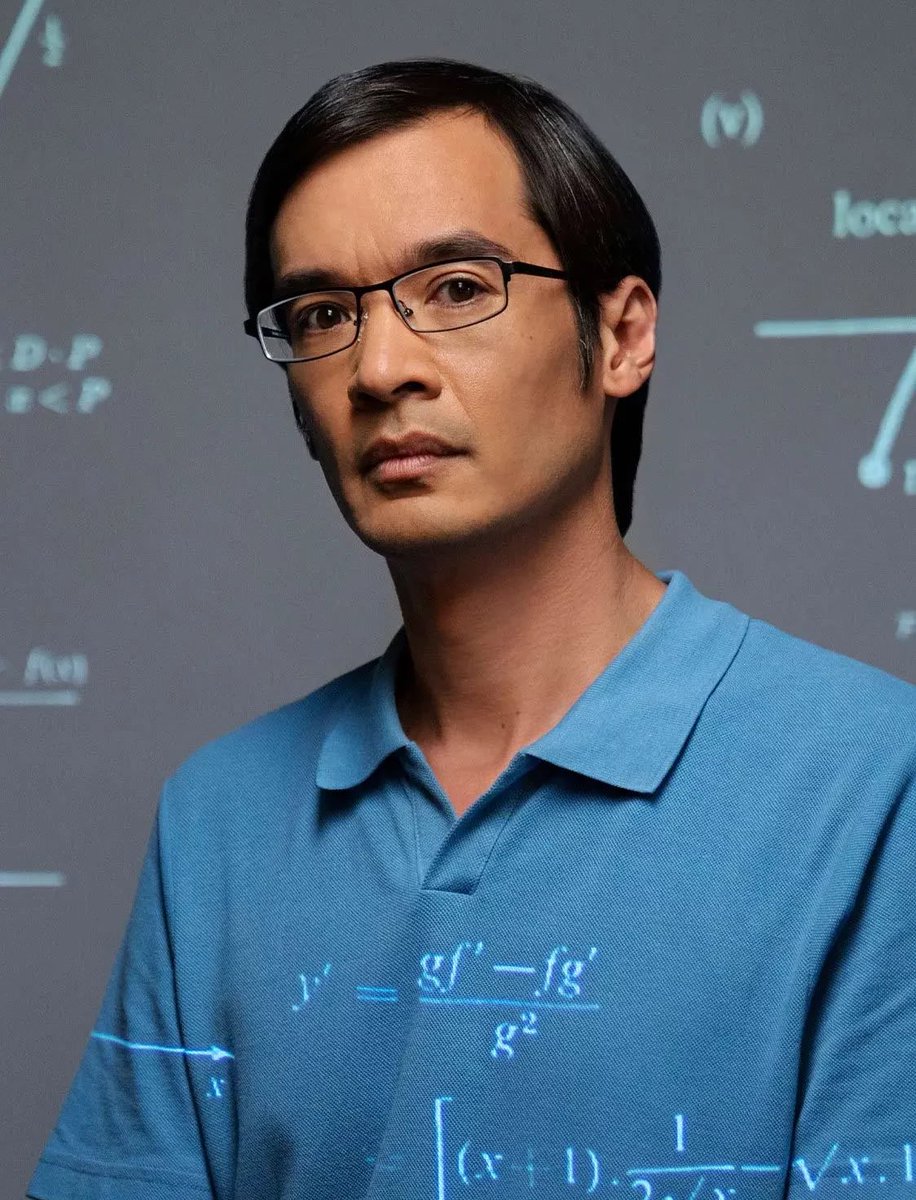
Terence Tao made a very powerful point:
“In most cases in pure mathematics, the problems are posed not because we desperately want the solution to these problems in and of themselves, but because we have seen from past experience that human-directed efforts to solve these problems tend to spur further development of the field through the efforts to solve such problems, and then to digest any partial or complete solutions that emerge for further insights.
Prematurely solving the problem by purely AI-powered methods—particularly without full transparency into the solution process—can contaminate this process to the point where it actually becomes a net negative for the progress of mathematics as a whole.”
I’ve been following Terence Tao for like 20 years, and I have always been impressed by the clarity of his thinking.
This clarity stands out even more in this difficult moment, as AI labs turn mathematics into a battleground in their race for supremacy.
In this race, they risk damaging one of humanity’s highest intellectual endeavours.
We’re sharing a solution to the Navier-Stokes Millennium Prize Problem, one of the deepest problems at the frontier of mathematics.
The proof was produced by a group of agents, using an OpenAI next-generation model significantly more capable than GPT-6 Astra.
The problem concerns whether the description of smooth three-dimensional fluid motion modeled by the Navier-Stokes equations can break down. It has remained unresolved for roughly 90 years.
How have software engineering fundamentals changed with agentic coding? Here is our AI Engineering Skills map for software engineering fundamentals. https://t.co/cnRLj43DLs
😊 I also just uploaded a new version of the lecture notes. https://t.co/bpIvdgG8KO (it's still, and perhaps will always be work-in-progress, given the field is moving fast. Any mistakes are mine :) and any feedback is more than welcome :).
instead of watching 2 hours of Netflix tonight, watch this Stanford lecture
it's the clearest explanation I've seen of how ChatGPT and Claude actually work
useful whether you've never touched AI in your life or have been using it every day for the past year
i took the key ideas and turned them into a practical guide on how to actually get 100% out of AI
you can find it below with ready-to-copy prompts and solutions
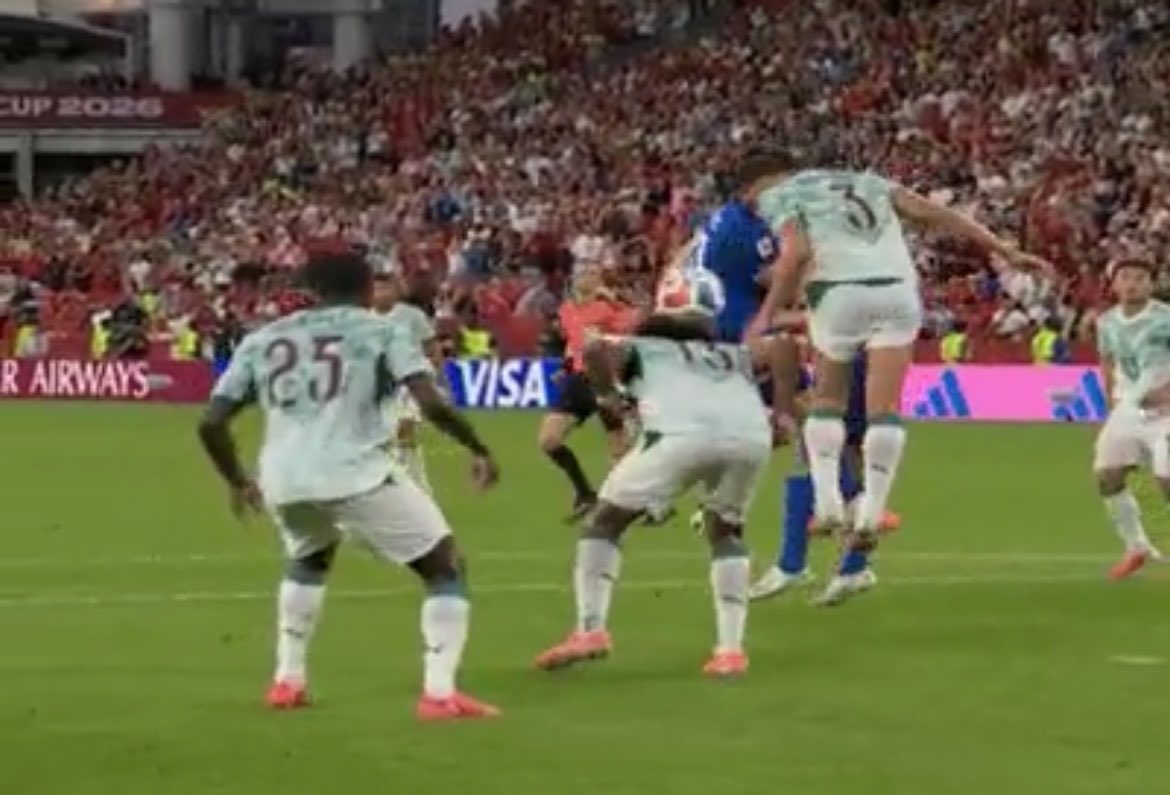
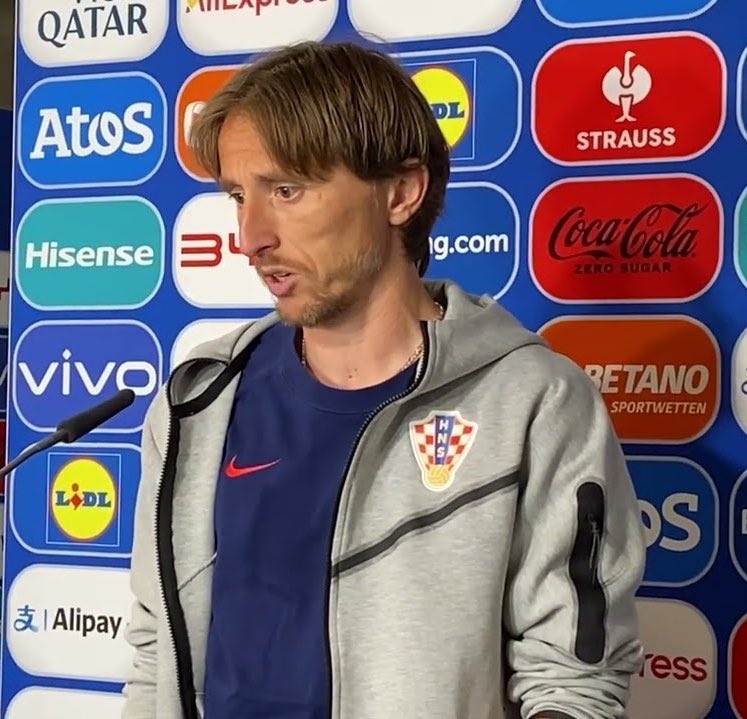
🚨 🗣️Luka Modric absolutely blasts the referees: "The referees did everything to favour Portugal throughout the match. They gave an offside to a clear Goal in the end. Might as well hand-over the trophy to them already"