Is it anything Hfq-like (RNA chaperone)? Or similar to CsrA (global translation modulator)? We don't know yet. But as it stands, Bacteroidota RRM proteins appear as excellent candidates to map post-transcriptional networks in gut microbiota species. https://t.co/YEOs7tcuXw
We are all living in a bubble that deprives us of experiences needed to understand the true magnitude of the threat posed by the rise of multi-drug resistant infections. It would be wise to allocate resources that match the severity of the threat.
https://t.co/grtVODQuW4
1/2
Please mark your calendars for the 8th Conference on Regulating with RNA in Bacteria and Archaea! The meeting will be held September 1 - 4, 2025, at the Strasbourg Convention Centre, Strasbourg, France 🇫🇷.
We are very excited and hope to see as many of you as possible!
We determined gene essentiality in 13 Enterobacteriaceae including E. coli, Salmonella and Klebsiella strains, and find ~1/3 of the essential genome is variable -- but! there's no evidence for genus-specific essential genes, implying rapid turnover https://t.co/dy0ovi4WE4
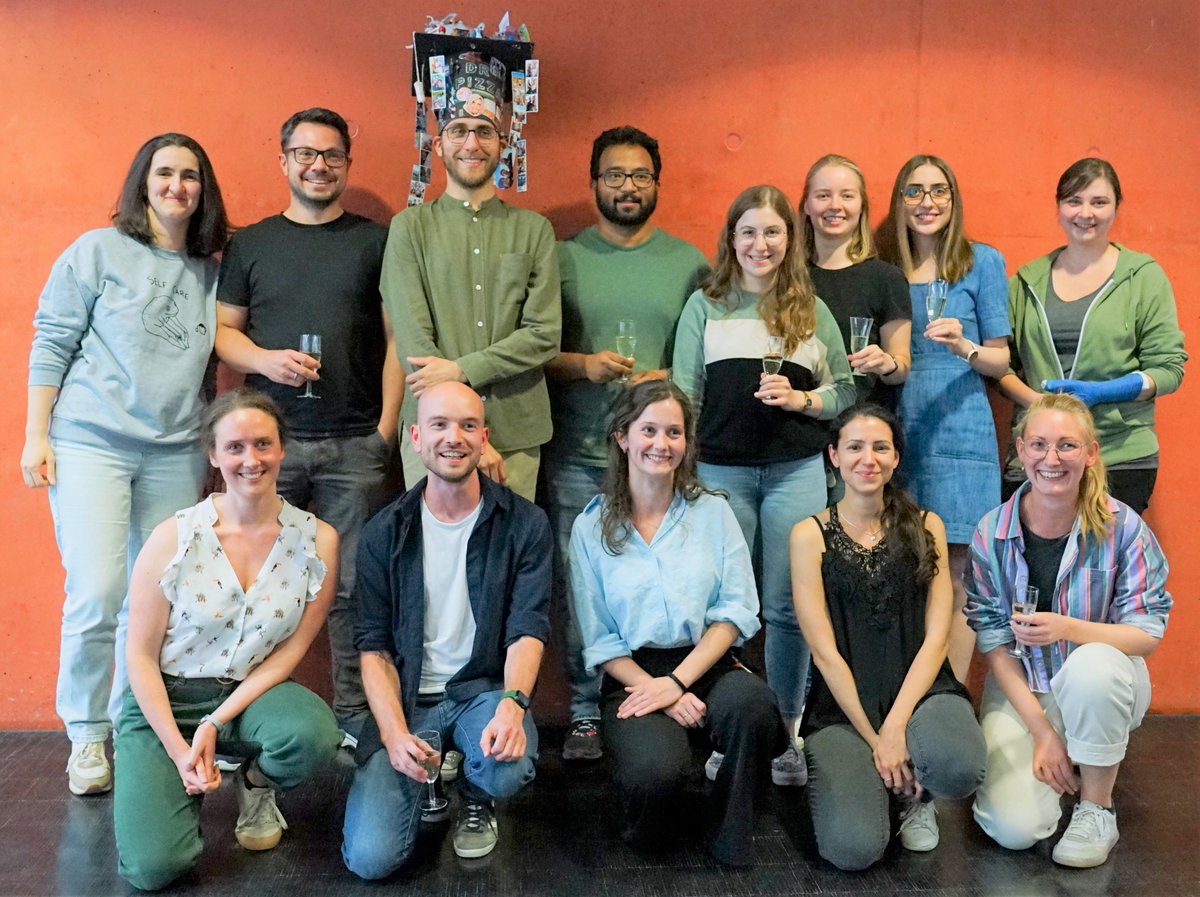
Last month, Gianluca Prezza (@prezzag) from the lab very successfully defended his PhD. 🎓Congratulations, Gianluca!!!
While we will sorely miss you, we wish you the best of luck for your future endeavors with @ProfTomEllis. (-AW)
A small RNA derived from the 5' end of the IS200 tnpA transcript regulates multiple virulence pathways in Salmonella Typhimurium https://t.co/nYXrAjEdq9 #biorxiv_molbio
Happy to share the results of last 5 years' work in #Klebsiella. By performing iRIL-seq in hypervirulent K. pneumoniae (HvKP ATCC 43816), we discover that ArcZ is a core sRNA inhibitor of capsule & virulence, and that its target gene mlaA is a key virulence factor of hvKP in mice
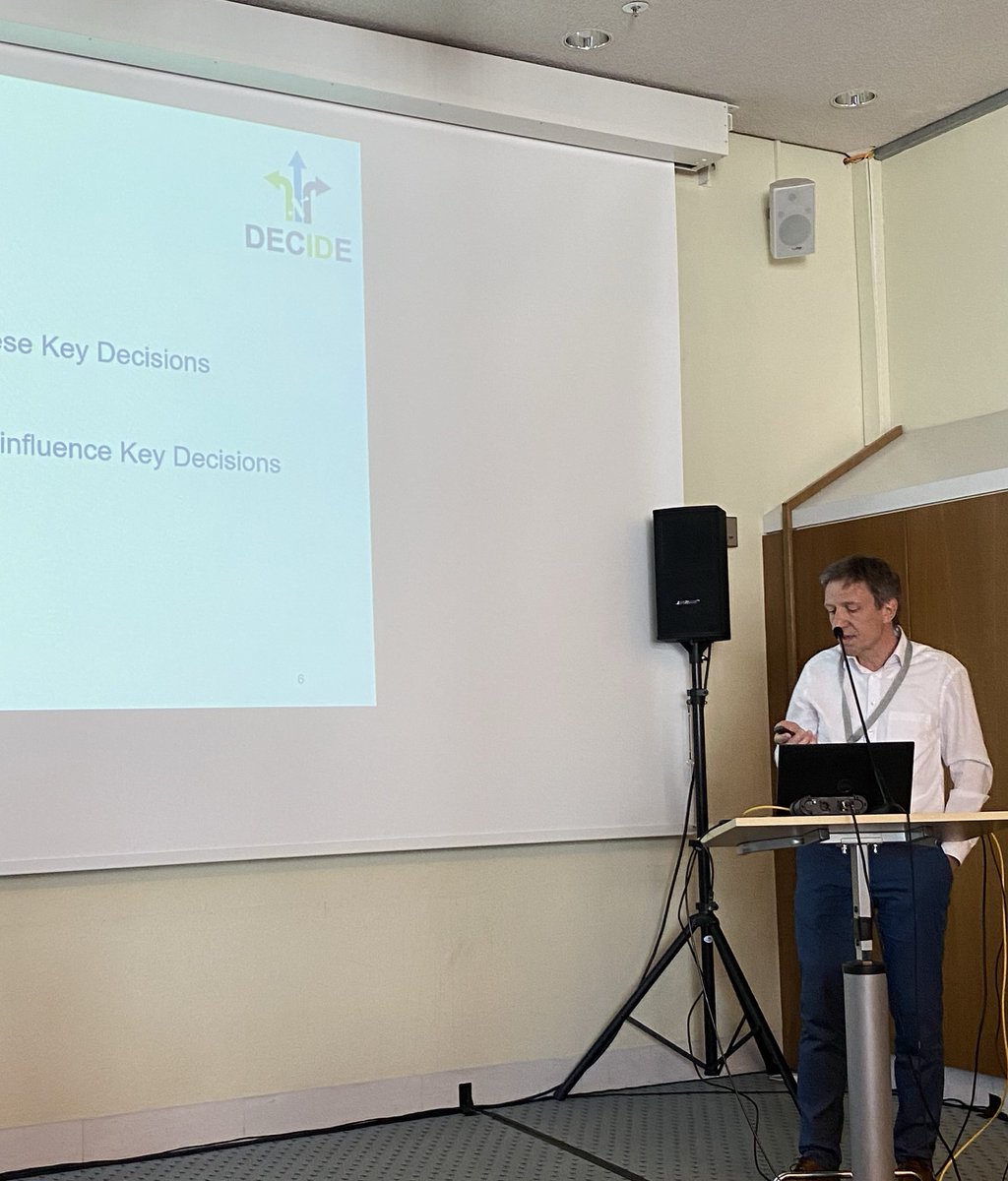
@lab_rudel introduces the basic concept of @CRC_DECIDE at #DGHMVAAM2024 after two great keynotes by @AndreasPeschel1 and Mathias Hornef: 3 key decisions determine outcome of human infection!
Interested in RNA-targeting antisense technologies to manipulate and kill bacteria? Come join us in Würzburg this September -- registration is open (and free!) https://t.co/Pe7WecxYmF
If you ever wondered why your favorite enteric bacterium does not grow well on a particular carbon source, despite carrying all the genes required for uptake & catabolism, this thread is for you ‼️ @PLOSGenetics
Very excited to finally see our study of global RNA stability in Salmonella out today in
@PNASnews, where we use Bayesian statistical modeling to show bacterial transcripts have subminute half-lives, far shorter than previously thought. https://t.co/9m1DVnIkOM 1/n
Over the moon that the DFG is establishing a priority programme to elucidate gene functions in the human gut microbiome. I am delighted to be coordinating this programme with @TypasLab, @JoergLab and @baerboletta. Exciting science to come!
https://t.co/QowgLDgaEu
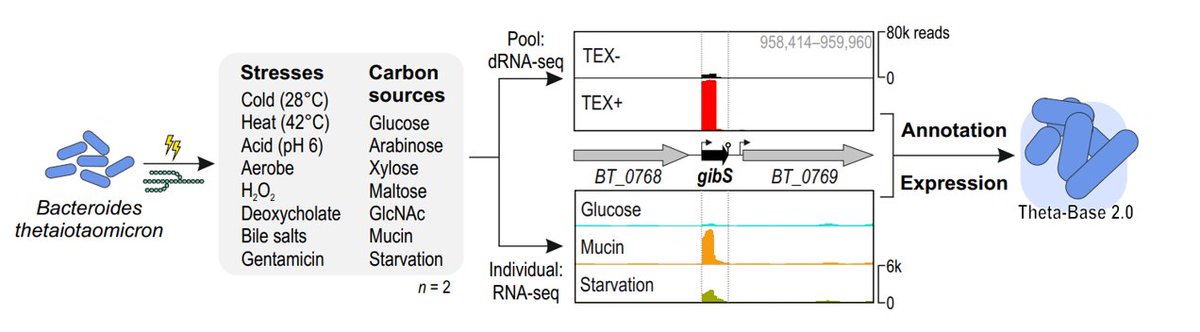
5/5: Sharing our discoveries with the world! 🌍 Our data, now publicly accessible via Theta-Base (https://t.co/qtDbNH36L3), serve as a valuable resource for the microbiome research community, fueling further exploration into the fascinating world of gut bacteria.
1/5: Molecular intricacies of gut bacteria! 🧬 Our study in @NatureMicrobiol , with colleagues from @Helmholtz_HIRI, @DeutschbauerLab , & @LBarquist groups, unveils B. thetaiotaomicron's transcriptional landscape across 15 gut conditions. https://t.co/NoX3tRSOdM
4/5: What's MasB up to? 🤔 Using MS2 affinity purification and RNA-seq, we identify MasB's target and explore its impact on bacterial phenotypes. #MasB#GeneRegulation