The biggest upside from adopting AI in enterprise finance is in the hundreds of margin-shaping decisions your teams make every day.
How do we price this customer?
Where do we put the next dollar of growth spend?
Which supplier do we choose?
But at almost every enterprise we’ve talked to, the data behind those decisions is messy. Systems don’t reconcile, and costs aren’t tied to the customers and products they belong to. If your best finance analyst can’t get a reliable answer out of it, an AI pointed at your systems won’t either.
margin puts trusted data behind each of your decisions on pricing, growth and ops.
margin’s agents learn how your business works, structure the data across your key systems, and keep it right as the business changes. You get customer- and product-level profit, reliable forecasts of your revenue and costs, and data that reconciles to the ledger.
We’ve spent the last 3 years deploying AI with finance orgs at leading manufacturers and financial institutions in the US and Europe. Two decisions their teams have unlocked with Margin:
- Large segments of users targeted in growth were loss-generating. Redirecting marketing spend improved LTV/CAC by 25%.
- The customer support site that looked the cheapest was 2x more expensive due to low efficiency. Changes to capacity planning were worth $15m in savings within 6 months.
Reach out if you want to deploy AI in enterprise finance but are worried about the quality of your data!
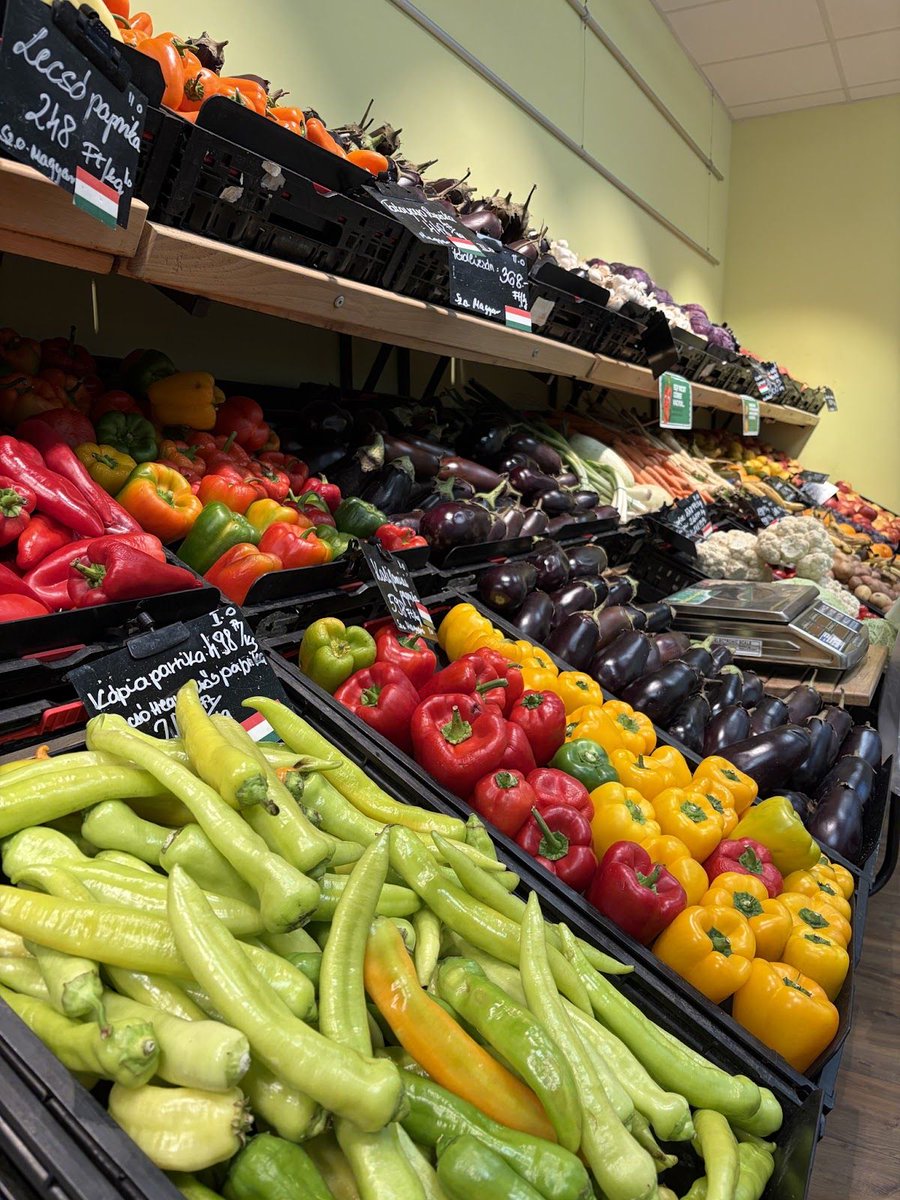
“Sadly, stores don't love me as much once I'm spotty. But I'm the sweetest.”
That's the sign above the bananas in our Szeged store. Next time you shop, we hope you'll buy only what you can actually eat, and maybe take the spotty bananas too, so they don't end up in the bin.
Our first Google Maps bill was a multiple of all the money we had.
Munch was maybe two months old. A very complicated algorithm calculated the distance to the nearest offer. I think the invoice was several thousand dollars.
In the end we got a discount and didn't have to pay.
Food waste causes about five times the emissions of aviation.
It's responsible for roughly 10% of greenhouse gas emissions, and we talk about flying a lot more. When we throw away a portion of food, all the work it took to get it from the field to our table is wasted too.
Would you spend more time with your co-founder than with your family?
My mentor Roland, co-founder of Árukereső, said: before starting a company, go away for a few days and talk about anything but work. Their basic character comes out. If it's still yes, you won't go far wrong.
The average Hungarian throws away about their own body weight in food every year.
That's from a study by Nébih, the Hungarian food safety authority. Sadly, we throw away roughly a third of all the food we produce. That's staggering when you know how many people go without.
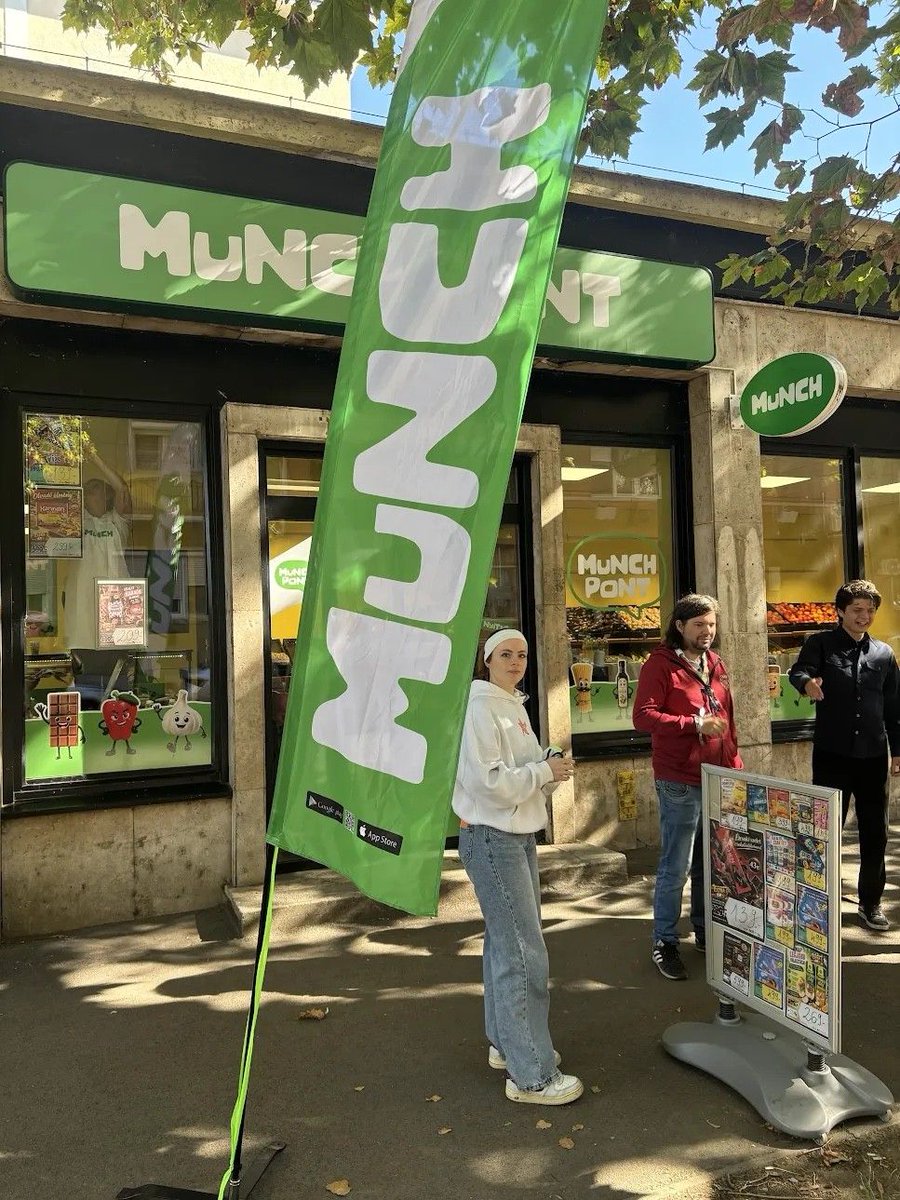
It's no accident that our first store opened in Szeged.
Among Hungary's big cities, Szeged has the most people rescuing food with Munch per capita, and more than 220,000 packages have been saved there so far. So opening there first was our way of saying thank you.
After six years as an app, we opened our first physical store in Szeged, Hungary.
On Munch, shops and restaurants sell good food at a big discount, basically all within its shelf life, a lot of it close to the date. Our users had asked for a dedicated place from the start.