The WHO Regional Office for Europe is one of 6 WHO regional offices around the world. It works with public health partners across the Region. Led by @hans_kluge
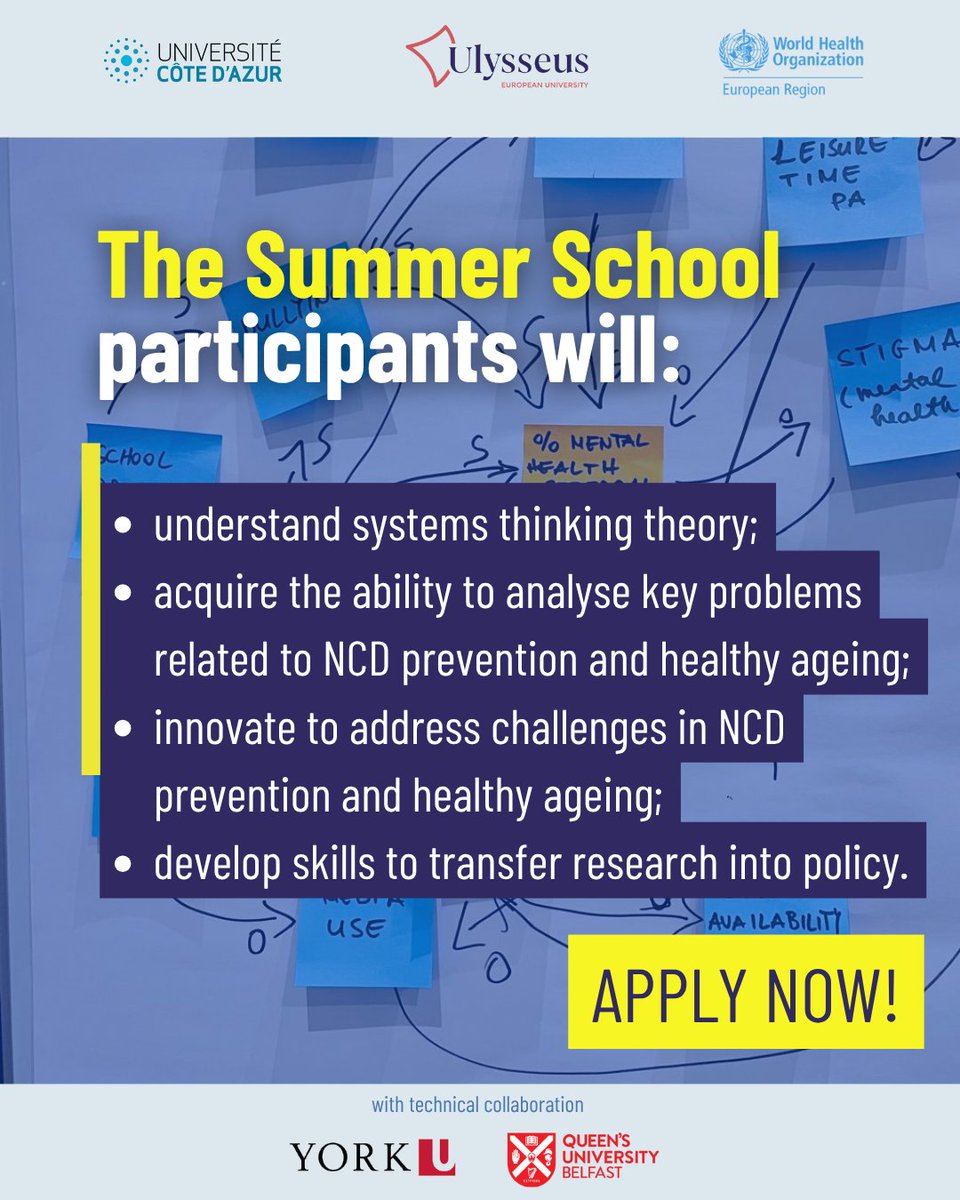
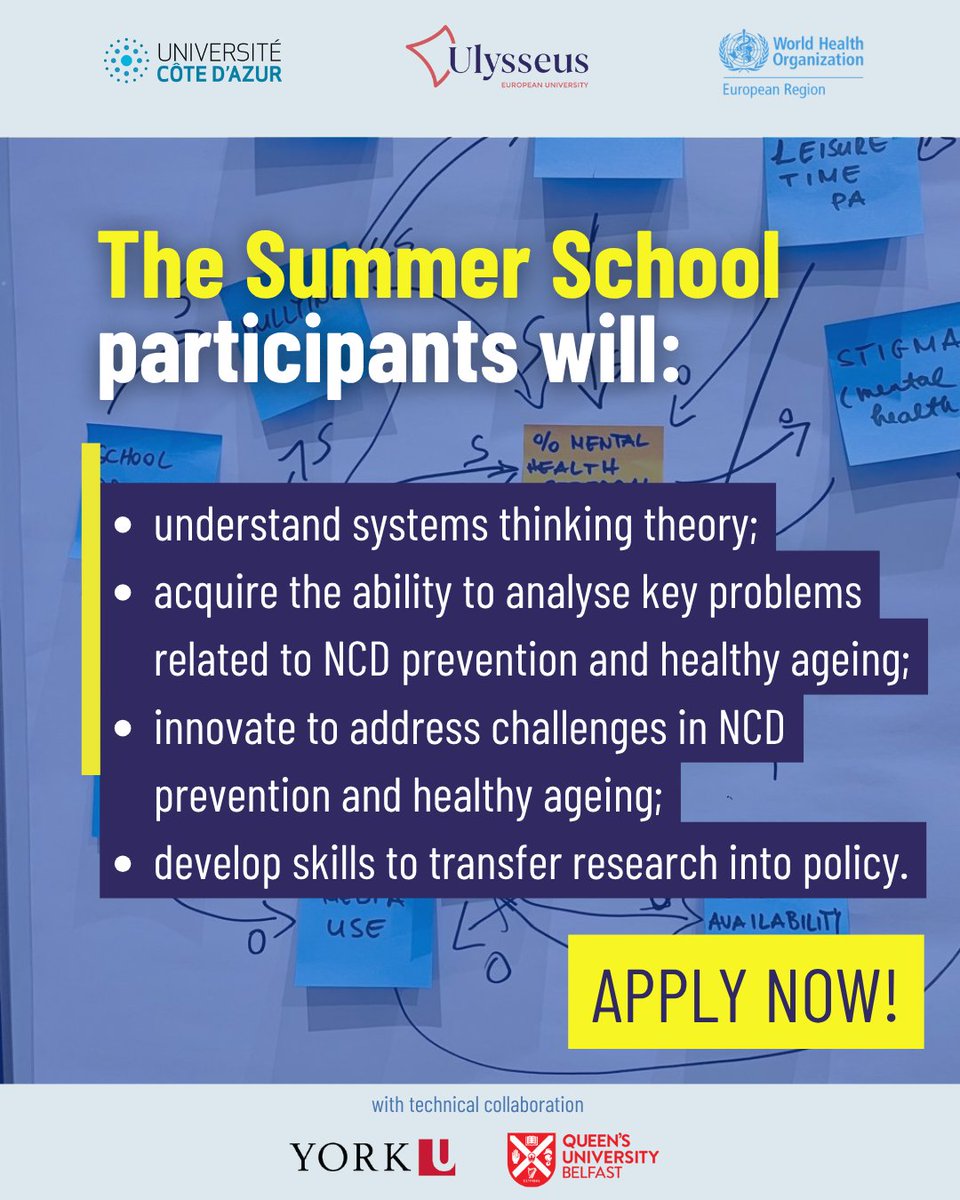
📢 Applications are now open for the 2027 WHO Summer School on Systems Thinking and #Innovation for NCD Prevention and Healthy Ageing, taking place on 20 -23 July 2027 in Nice, France.
⏰ Apply by 23 November 2026 👇
https://t.co/7O7LCMIp9x
#NCDs
📢 The full WHO/Europe report on noncommunicable disease (NCD) trends is now available!
Every year, 1.8 million deaths from NCDs in the WHO European Region could be avoided.
✅ 60% are preventable
✅ 40% are treatable
📖 Explore the full report: https://t.co/jEjK5rDiDZ
#France has reported the first documented case of a human infection with #Shamonda virus, a virus only previously detected in animals.
The patient was immunocompromised, which made them more vulnerable to infection and severe disease, and unfortunately died. My heartfelt condolences to their loved ones.
Shamonda virus primarily affects animals such as cattle, sheep, goats and horses. The virus is thought to spread between animals by the bites of a midge, which is a small fly-like insect. Further studies are needed to fully understand transmission.
The French patient was in an area where the Shamonda virus was circulating in animals and where Culicoides midges were also present.
@WHO is in contact with French authorities who are collecting information to better understand the source of infection in the first human patient, possible routes of transmission and any potential risk to public health.
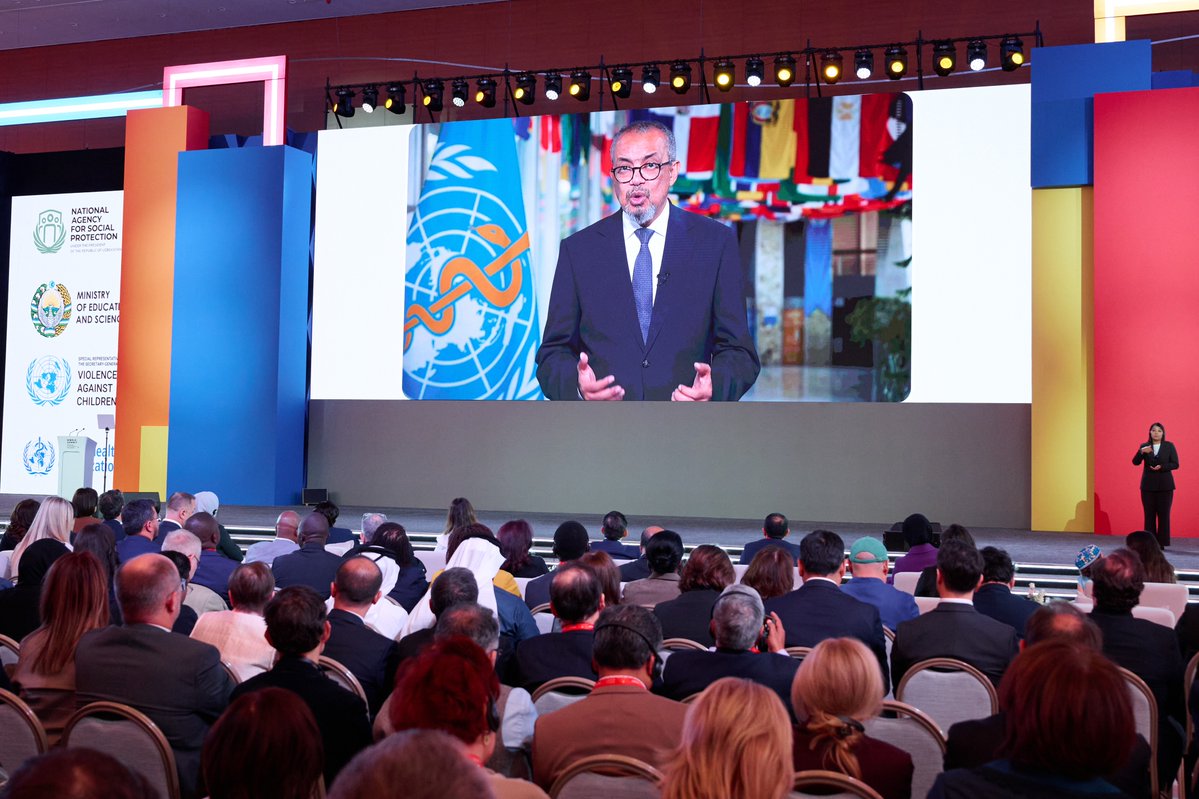
🏆 Congratulations to Uzbekistan’s 🇺🇿 First Lady on receiving the WHO Director-General’s Award 2026 for her leadership in advancing childhood cancer care and championing every child’s right to a healthy life.
💙 Every child deserves not only to survive, but to thrive.
📢 What does nursing education tell us about Europe's future workforce?
Our new analyses of data from 18 EU 🇪🇺 countries reveal key trends & the need for stronger education, better data + sustainable workforce policies
🔍 Explore #NursingAction findings https://t.co/fy5NkmpxyR
📢 The WHO Summer School on Systems Thinking and #Innovation for NCD Prevention and Healthy Ageing will take place 20-23 July 2027. You'll learn how to apply systems thinking to complex public health challenges.
⏰ Apply by 23 November 2026👇
https://t.co/7O7LCMIp9x
#NCDs
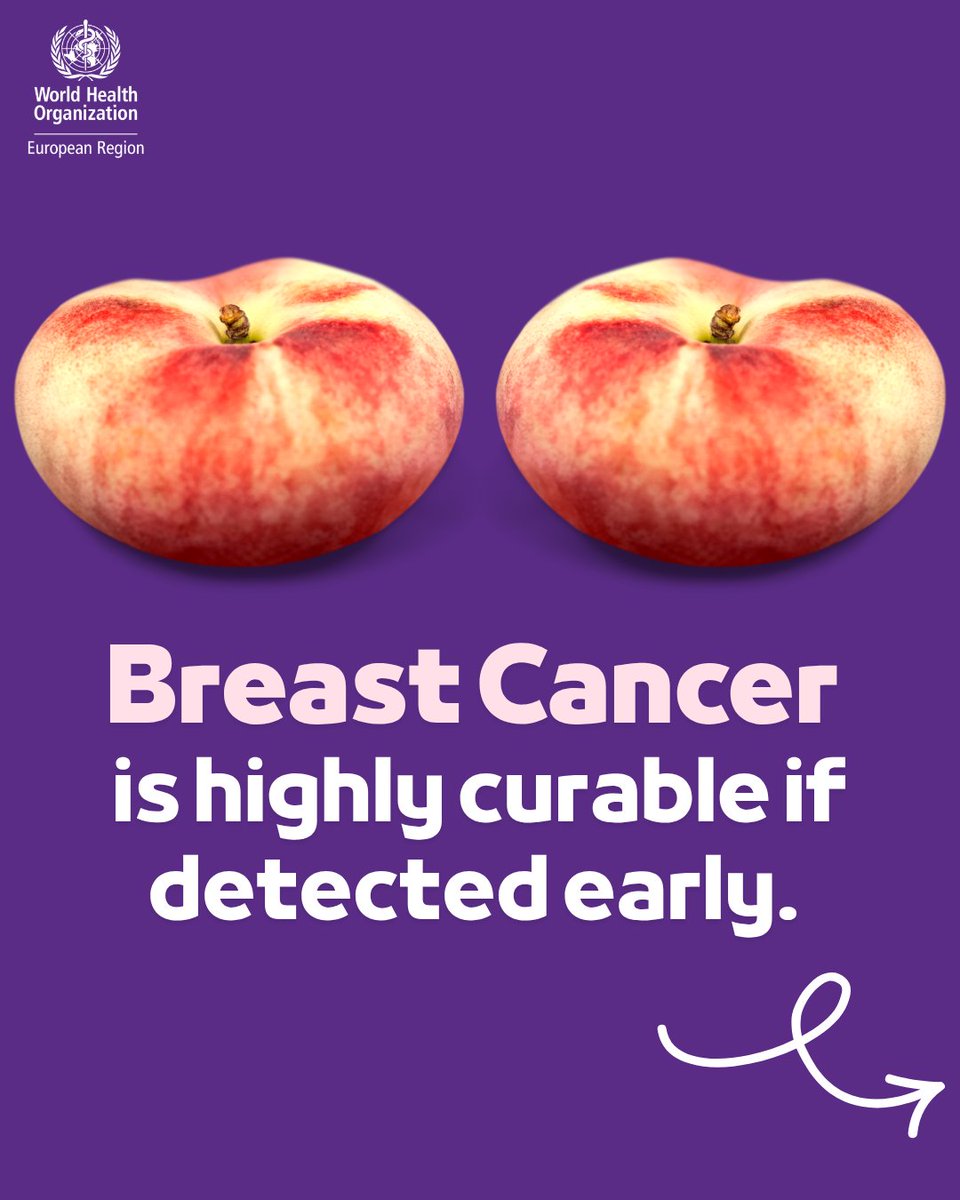
When it comes to #BreastCancer, early detection saves lives. 🎗️
Health systems must:
✅ be able to rapidly distinguish between malignant and benign breast findings and
✅ provide rapid access to diagnosis and treatment when needed.
#BreastCancerAwarenessMonth
When an emergency strikes, the need for health care does not stop.
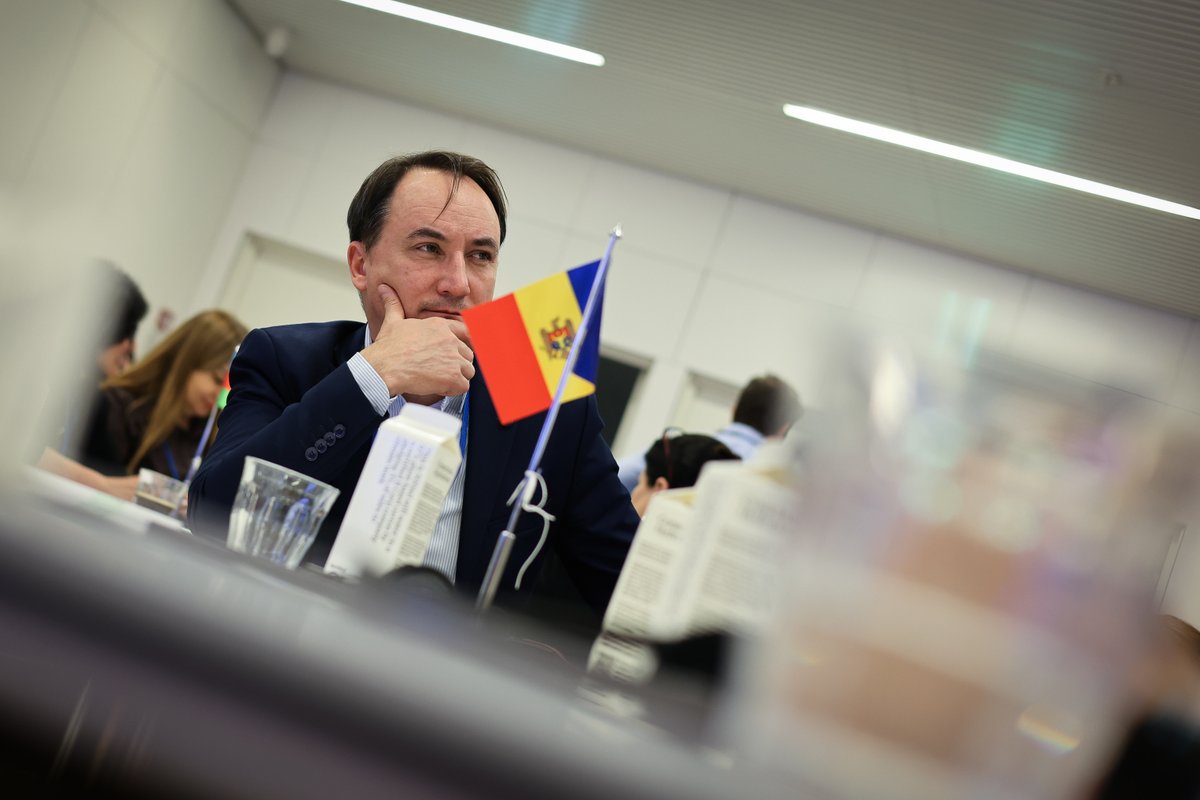
🎥 Dr Alexandru Gasnaș, Minister of Health of the Republic of Moldova, shares a vital lesson from his country's experience: continuity of treatment and prevention of #NCDs during emergencies can save lives.
How can countries better plan for their future health workforce needs? 🩺
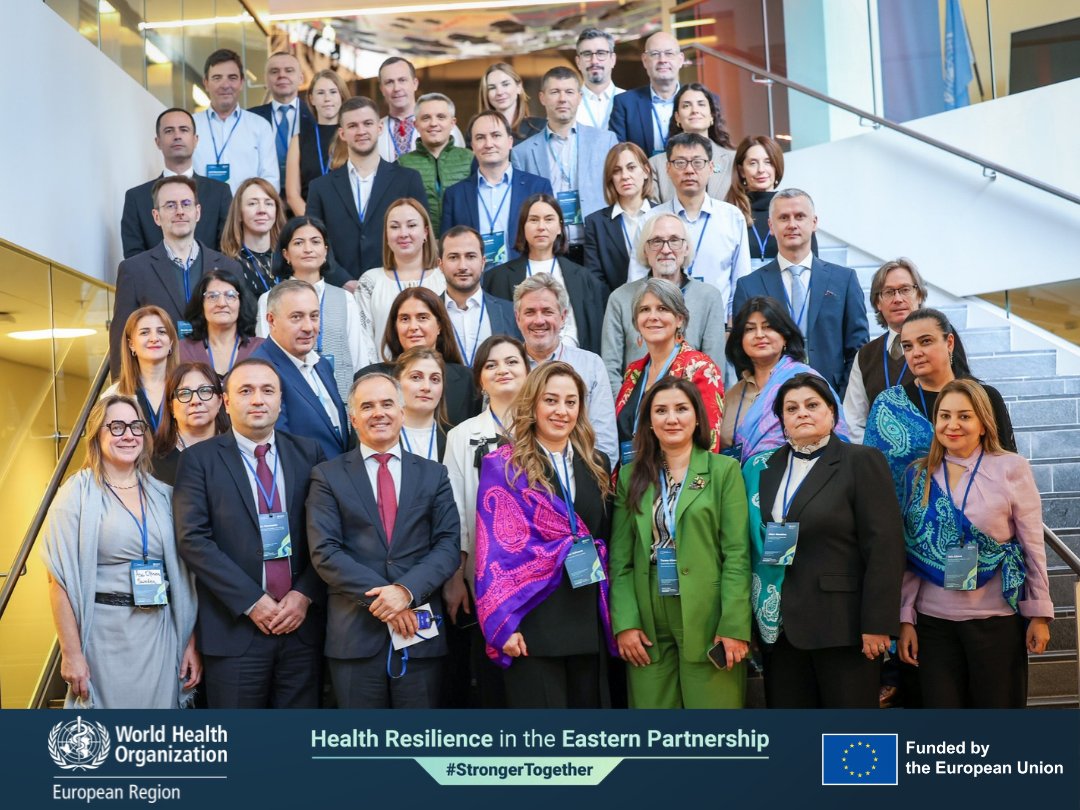
🇦🇲🇦🇿🇬🇪🇲🇩🇺🇦 Experts from 5 countries met in Copenhagen to turn data into action, with country-led plans for stronger, more resilient health systems.
🇪🇺 #HealthResilienceEaP
🔗 https://t.co/xvLcjNKY8v
Critical health supplies were destroyed when a WHO warehouse in Ukraine was hit in an attack. These supplies were intended for health facilities treating patients every day.
From the burnt warehouse, @Chikwe_I, Executive Director, WHO Health Emergencies Programme, explains what the loss means for health care in Ukraine and how WHO is adapting to keep essential medicines and medical supplies moving to where they are needed most.
Attacks on health care must stop.
Health workers, patients and medical facilities and supplies must be protected under international humanitarian law.
Today WHO/Europe launches the new WHO/EU Alcohol Screening and Brief Interventions Hub, bringing evidence-based resources and practical tools together in one place.
Your one-stop shop for conversations about alcohol👇
Check it out: https://t.co/jtmP29ibGp
.@WHO welcomes the adoption of the #UNGA Political Declaration on Pandemic Prevention, Preparedness and Response, and commends co-facilitators Armenia and Rwanda for their leadership in building consensus. This important milestone reflects a shared commitment to equity, global solidarity and collective action to make the world safer from future pandemics. We also welcome the ambition to successfully conclude negotiations on the Pathogen Access and Benefit Sharing Annex.
https://t.co/9diIQeJifh
When it comes to #BreastCancer, early detection saves lives. 🎗️
Health systems must:
✅ be able to rapidly distinguish between malignant and benign breast findings and
✅ provide rapid access to diagnosis and treatment when needed.
#BreastCancerAwarenessMonth
Speaking at int’l conference on 🇹🇲 Turkmenistan's State Health Programme, WHO/Europe Officer-in-Charge Dr Corinne Capuano highlighted work on TB, cancer care and preparedness - and how cooperation can strengthen primary care, support health workers & improve access to medicines.
#PalliativeCare teams work with people and families in some of the most difficult moments of life. This work is meaningful, but it can also be emotionally demanding, says Dr Michael McNeil from @StJude.
https://t.co/xuuiYHmfvy
#WorldPalliativeCareDay
When strong policies make #PalliativeCare available and integrated into routine services across all the WHO European Region, they help build health systems that are more resilient, humane and responsive to people’s needs.
https://t.co/plWD2EKuxx
#WorldPalliativeCareDay
Countries need policies that make #PalliativeCare available to everyone who needs it. Access to it should not depend on where a person lives, what they can afford, or whether their family knows how to navigate the health system.
https://t.co/plWD2EKuxx
#WorldPalliativeCareDay
Palliative care for children requires knowledge, confidence and specialized skills, explains Dr Julie Ling from WHO/Europe. Education-focused policies can help countries strengthen pediatric palliative care.
https://t.co/0B7QhQVyaU
#WorldPalliativeCareDay#PalliativeCare