PhD student- Public Health and Behavioural Science @Uni_Newcastle @HNEHealth🎓| Graduated Health Psych MSc @KingsCollegeLon @KingsIoPPN📚 | Keen runner🏃♂️
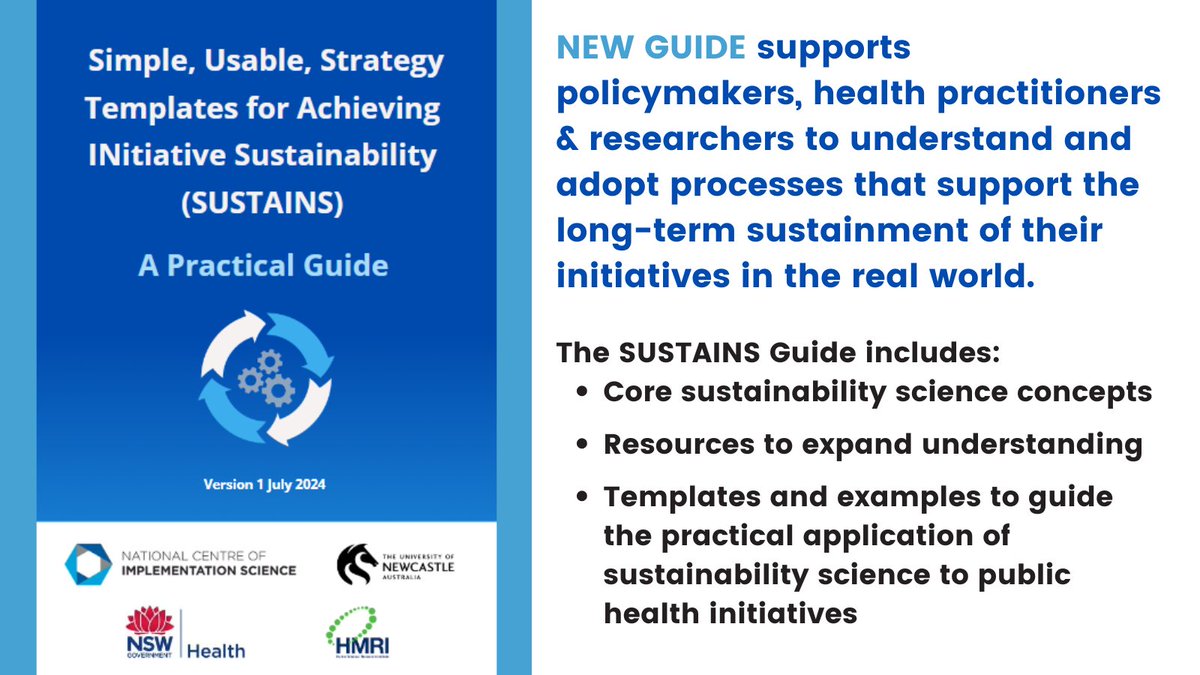
<20% of #EBI’s are sustained >2 years once support is withdrawn 😲But have no fear, a✨NEW ✨guide is here 👉 https://t.co/o4da5Q1o6l
Developed by @NicoleKNathan & team, the SUSTAINS guide provides practical support to plan for the #sustainment of #publichealth#interventions
A new UK Government means a new National Curriculum for PE.
While the aims of PE are hotly contested, who would disagree that a primary goal for PE should be to develop a positive and meaningful relationship in movement and physical activity for all pupils?
#physicalliteracy
What if doctors prescribed free fruit & vegetables to improve health?
Here, 16 weeks of free produce delivered to ~5000 people was associated with (vs control group):
🔹 increased physical activity levels
🔹 reduced non-HDL cholesterol
🔹 reduced Hba1c (marker of blood glucose levels)
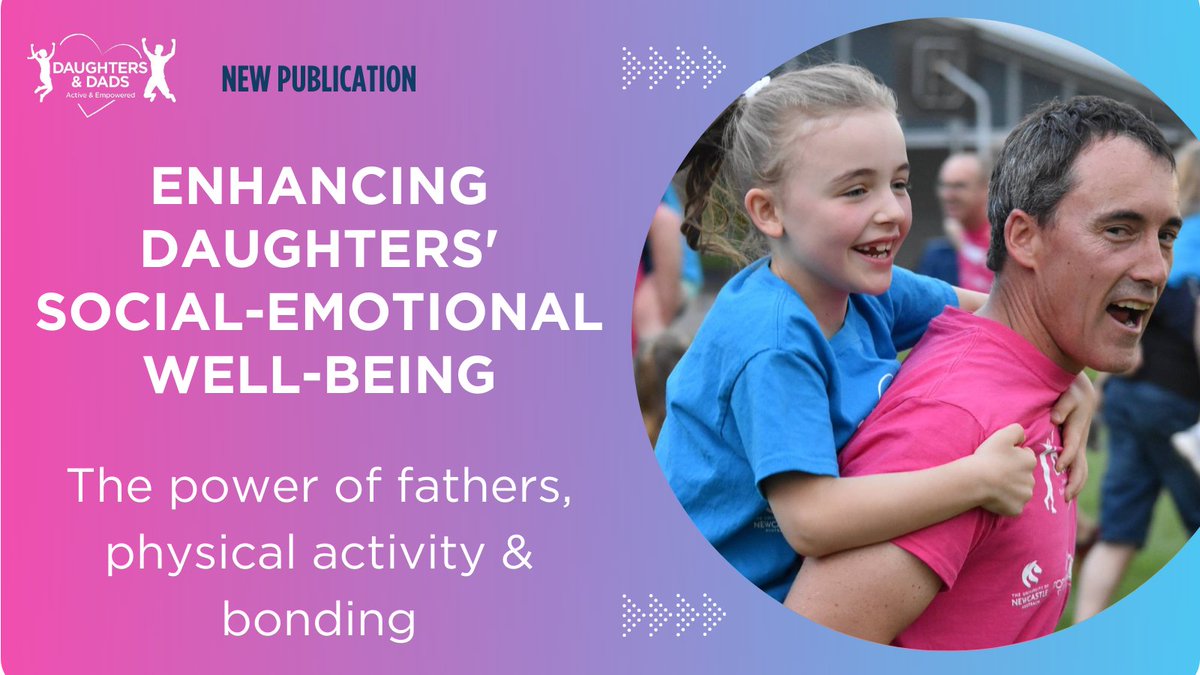
🚨Read our latest article published in Developmental Psychology.
We explored the effects of a community-based #father#daughter#physicalactivity program delivered by trained facilitators on girls’ social-emotional #wellbeing.
@DaughterDad_AU👉 https://t.co/g0LRLgvC15
With fitness, it’s easy to get hung up on constant improvement.
But even maintaining fitness is a win - because we’re actively offsetting any losses that would otherwise occur.
And it doesn’t take much:
- 2 x aerobic training sessions per week (12-26 min per session) can maintain endurance and cardiorespiratory fitness (if intensity/heart rate is maintained)
- 1 x resistance training session per week (1 set per exercise) can maintain muscle size and strength (if intensity/load lifted is maintained)
https://t.co/snk5WurLuj
New @IJBNPA: A scale up study of Physically Active Children in Education (PACE) 🏃 in 100 schools across 3 regions in NSW Australia showed a sizable increase in teachers’ scheduled physical activity (up an average 26.8 mins/week with a modest $ cost)! 🇦🇺🇦🇺
https://t.co/9HliyhT0OY
What happens to our brain when we exercise? 🏃
Dr Brendon Stubbs explains that after 10 minutes “you get lighting up within key areas of the brain," which helps brain cells grow & releases chemicals that can help reduce stress & inflammation.
@KingsIoPPN
https://t.co/Sm9cl2OFbG
Examining readiness for implementing practice changes in federally qualified health centers: A rapid qualitative study - Dias - 2023 - Journal of Community Psychology - Wiley Online Library https://t.co/oofl6SYUgZ
We’ve all been there.
Despite our best intentions to be physically active, we don’t take action.
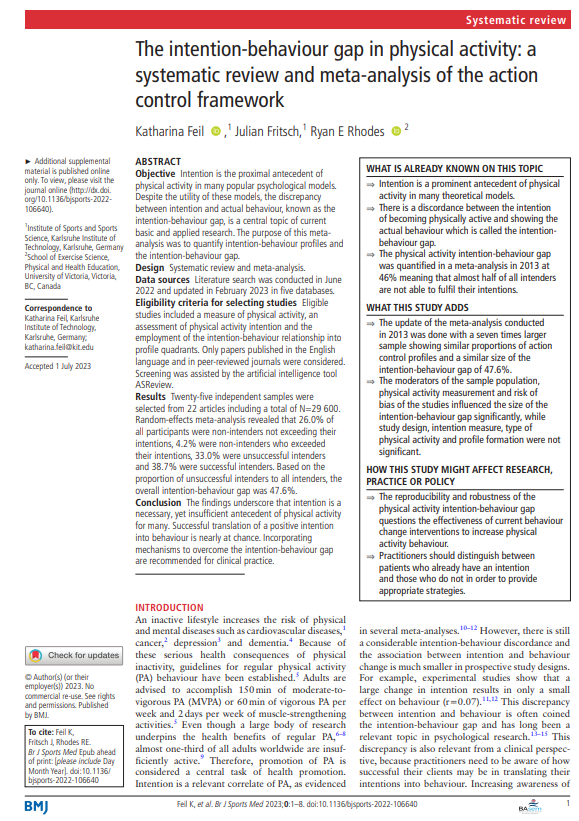
But how prevalent is this “intention-behaviour gap”?
A new analysis in over 26,000 individuals found almost half (47.6%) of “intenders” were unable to follow through with their intentions to be physically active.
Only 4.2% were “non-intenders” who exceeded their intentions, suggesting intention is a necessary, but insufficient, antecedent to physical activity.
https://t.co/pomsnUTmWS
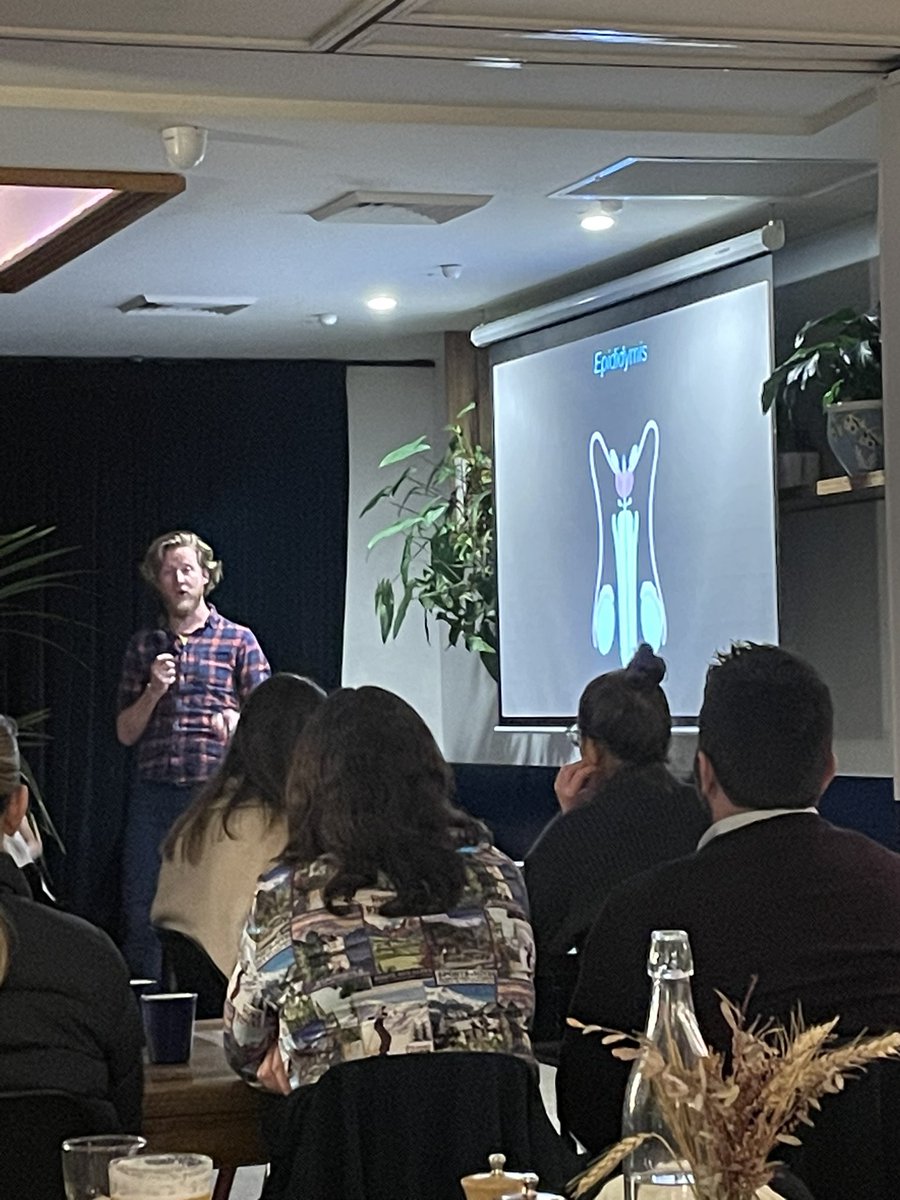
💥 Mind blowing medical marvels 🤯
Learning about cutting-edge breakthroughs in cancer cures and male contraceptives @pintofscienceAU tonight in Newcastle 🍺 Captivating presentations by @DocJarad and @DavidSkerrettB
#PintAU23
To celebrate #MentalHealthAwarenessMonth, AASP invites you to complete our 31-Day Mental Wellness Challenge. Try the daily wellness activities and share your journey using the hashtag #AASPChallenge2023. Get started here: https://t.co/cWvCrRbYDm
A 🧵 about #Sustainability.
Sustainability is a complex topic & often studies lack insight into how results are achieved. Learn about the Long Term Success Tool (LTST) that helps to measure & support sustainability in initiatives! #SustainabilityPlanning
1/7
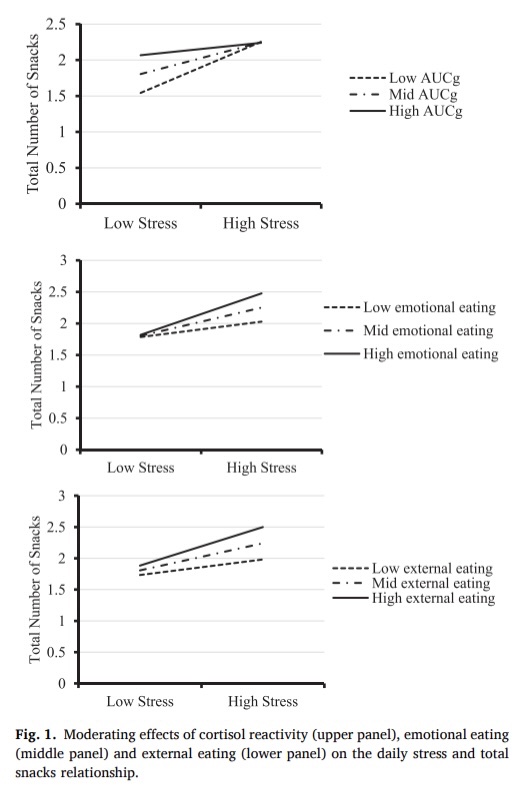
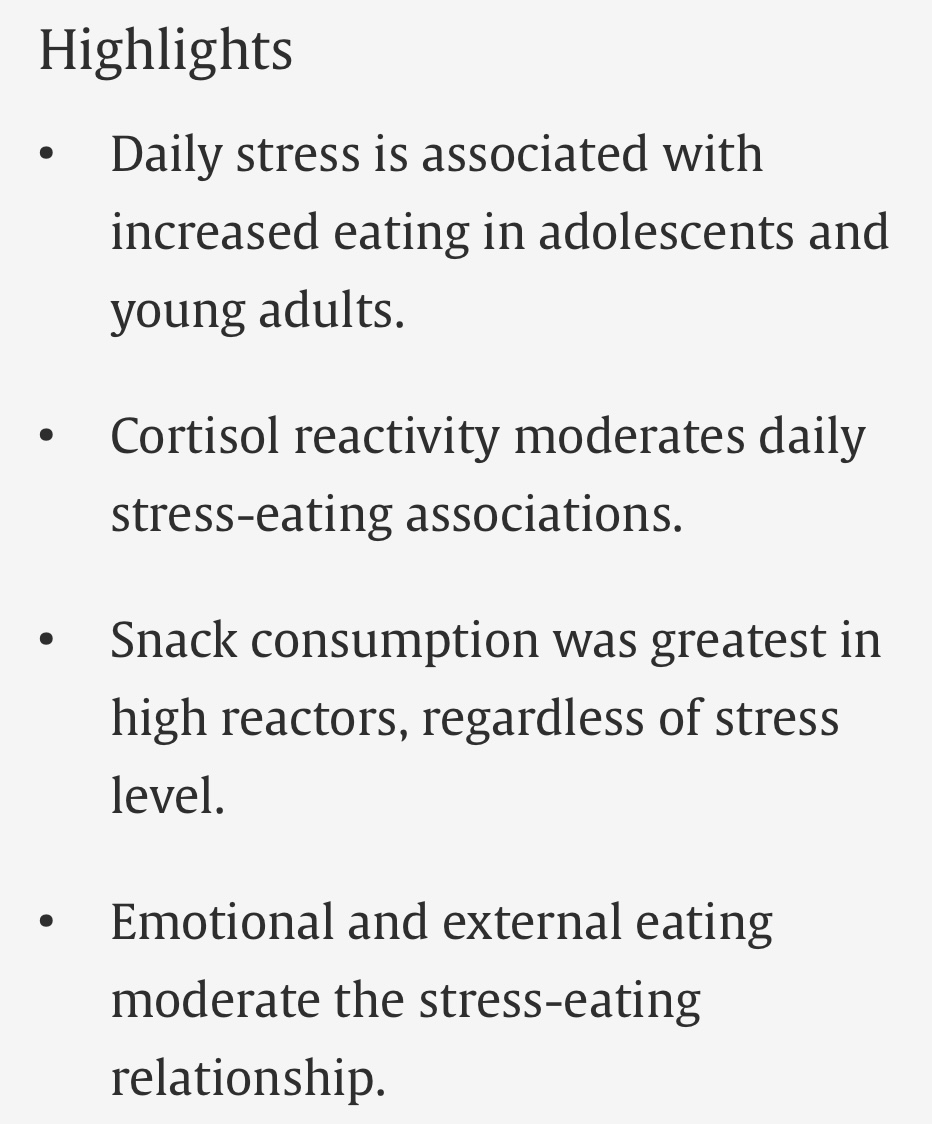
Just published (open access): “Daily stress and eating behaviours in adolescents and young adults: Investigating the role of cortisol reactivity and eating styles” https://t.co/EQBLx4XaTY #stress eating #health