After nearly a decade with @MoorInsStrat, I’m excited to announce that in the new year, I will establish myself as an independent industry analyst.
LoneStar Advisory & Research will continue to focus on my historic practice areas of enterprise and data center networking, telecommunications, and cybersecurity, with new extensibility into universal communications and end device security.
Additionally, I am launching a new practice area focused on optical networking infrastructure, interconnects, underlying silicon, and services. The need for highly performant networking has never been more important, especially in today’s modern AI era. Those solution providers that can deliver scale up, out, and across will reap the rewards of the networking infrastructure gold rush.
I want to thank @PatrickMoorhead for the opportunity to help build the depth of his firm through my personal contributions and analyst recruitment over the years. His mentorship has been instrumental in my journey.
Another shout out to Dan Pickens, the firm’s retired business development lead who provided me with a wealth of advice that continues to sharpen my analysis and writing.
Finally, many thanks to the clients that I will continue to work with, and to the new ones that I will work with soon!
https://t.co/xSBHDcDrFi
AI agents drive massive network traffic. AI-powered threats strike at machine speed.
In a new report, @WillTownTech of LoneStar Advisory & Research breaks down how Prisma SASE and Prisma SD-WAN ensure network resilience and enforce zero trust from branch to cloud.
Learn more.
I’ve said this before, and I’ll say it again: in the age of AI, security must be built into the network. There is no network without security, and no security without the network.
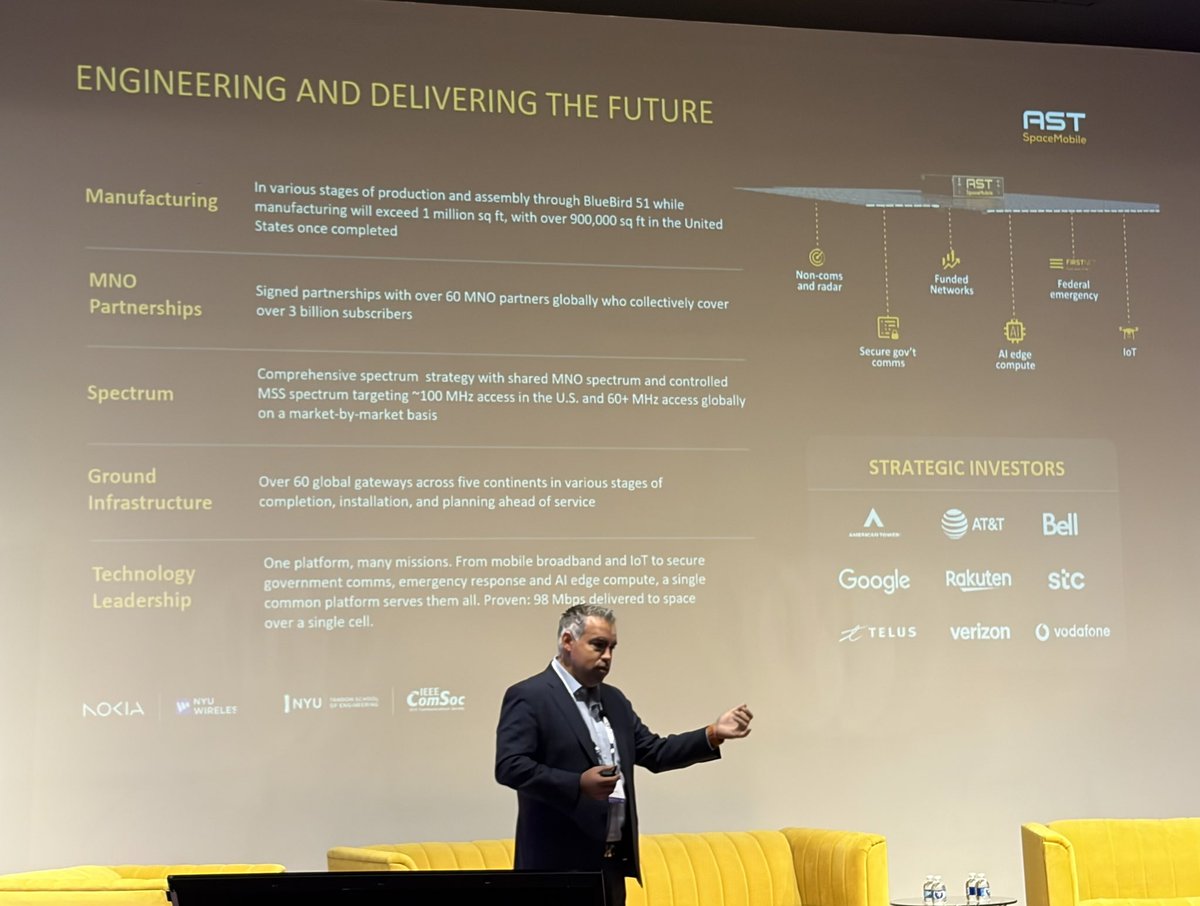
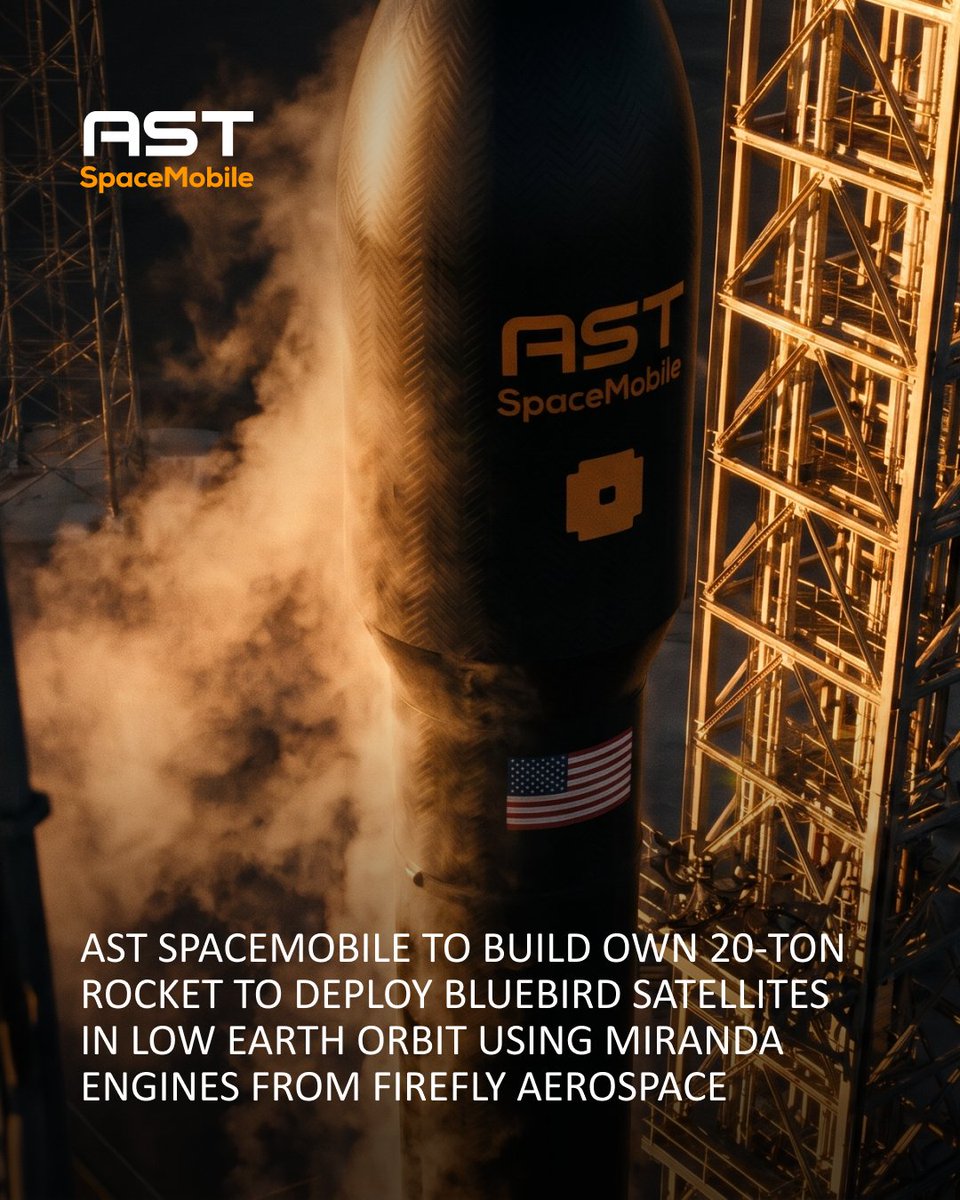
Great to hear from @AST_SpaceMobile at B6GS and its commitment to MNOs for D2C satellite connectivity.
I've also learned today that AST's architecture is designed to preserve data sovereignty and is also optimized to utilize low band spectrum to maximize reach with some limited capability for indoor coverage.
One of the early criticisms of the company was the massive size of its satellites relative to others. However, as AI workloads grow, they will require significant uplink improvement. Physics dictate that a satellite's size matters on this point, and the company is well positioned to deliver needed bandwidth well into the future as its constellation grows. 🚀🛰️
When @nokia put a stake in the ground commercializing its AI-RAN stack, I shared my initial take in this LoneStar Advisory & Research note:
https://t.co/g1tZJ3BrEh
It was great to get an update at B6GS since July on its continued progress. @TMobile has been leading initial adoption and introducing AI in both core and RAN infrastructure to not only improve spectral efficiency, but also unlock new use cases like live multi-language voice translation.
For 6G - both Nokia and @nvidia are doing meaningful work ahead of @3GPPLive standardization to accelerate future deployment with many other MNOs globally. These efforts have the potential to accelerate time to innovation for both consumer and enterprise service delivery.
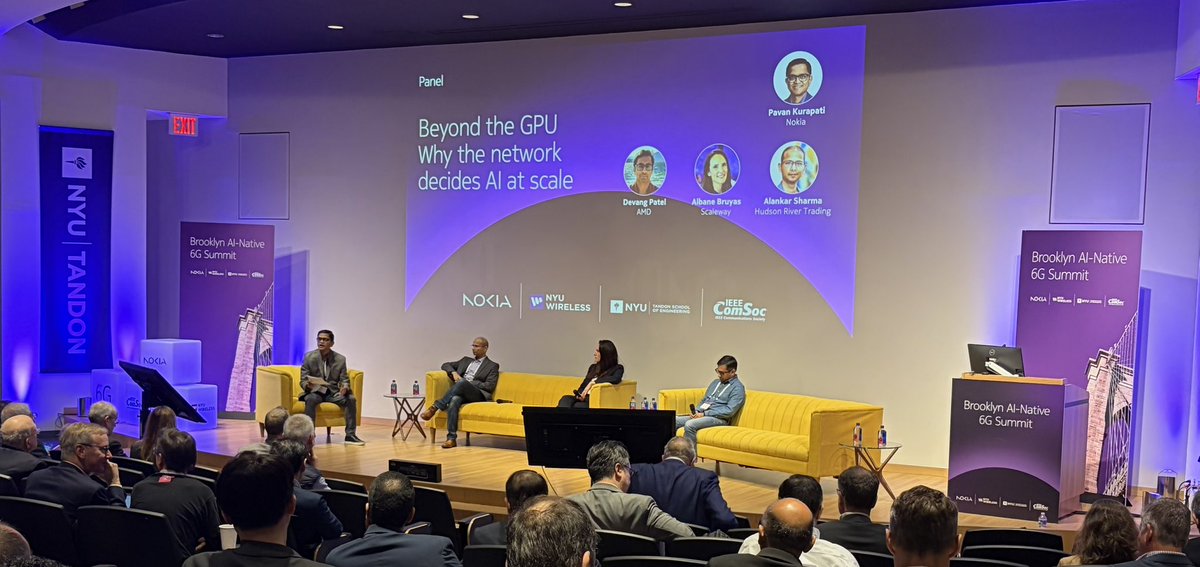
A great panel discussion moderated by @nokia to kick off the second day of B6GS.
Distributed infrastructure will be fundamental in supporting edge inferencing and eventual physical AI, robotic applications and workloads.
The opportunity for MNOs to host AI infrastructure in central offices also has great promise given broad but uneducated resistance to large footprint AI data center buildouts.
@anshelsag Let's continue to educate the public as industry analysts that speak with AI infrastructure providers daily and communicate the efforts tied to sustainability!
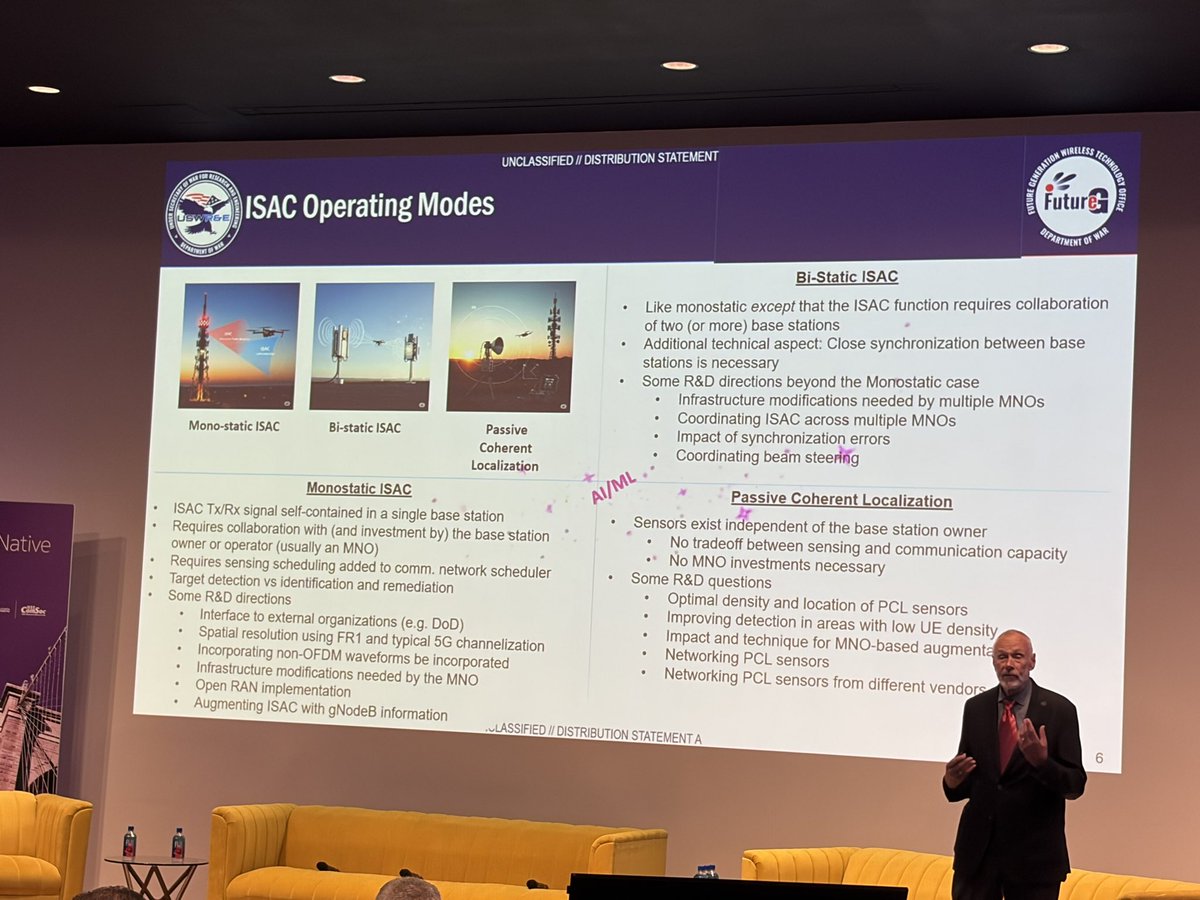
This was a compelling B6GS session that went into a significant level of detail related to the different ISAC deployment options as well as mapping military to commercial use cases.
IMHO the opportunity to leverage existing MNO investments in cellular infrastructure to unlock sensing applications is huge from both an operator monetization standpoint and the protection of critical infrastructure not served by traditional radar systems.
It's been an interesting narrative cycle for AI - initially dominated by compute but now the network is front and center.
Innovations in scale up, out, and across is critically important to facilitate the persistent nature of AI workload and application traffic.
It was great to hear from @AMD at B6GS about how it is leaning into Ethernet and open standards with its Helios rack scale infrastructure to balance networking performance and economics.
Proof of value always lies in adoption, and @HPE's recent $1.2B sale of Helios to cloud service and IaaS provider @Vultr speaks volumes for its longer term potential.