MACS0329-0211: Hard to say, but easy on the eyes.
This galaxy cluster captured by Hubble shows a swarm of different galaxies, like large, oval-shaped elliptical galaxies, and thin spiral and lenticular galaxies viewed from the edge: https://t.co/w76rTSpnpc
**Breaking** David Grusch: "I have seen photos of UFO Crash Retrievals" 👽🛸
"This is the most earth shattering thing that changed my world view"
"They were everything from flying discs to egg shape craft & every other morphology"
"They landed or crashed on the surface of the earth"
UFO Disclosure just escalated to a new level.
When most companies' opening remarks during their IPOs were about profit, today it hits something different.
It is hope.
The once-inspiring future that excited us when we were young but that we dropped after growing up—we have found it again.
The Revolution that began in 1776 has not ended—it still continues, because the flame of Liberty and Independence still burns in the hearts of EVERY American Patriot.
And our future will be bigger, better, brighter, bolder, and more glorious than ever before. 🇺🇸
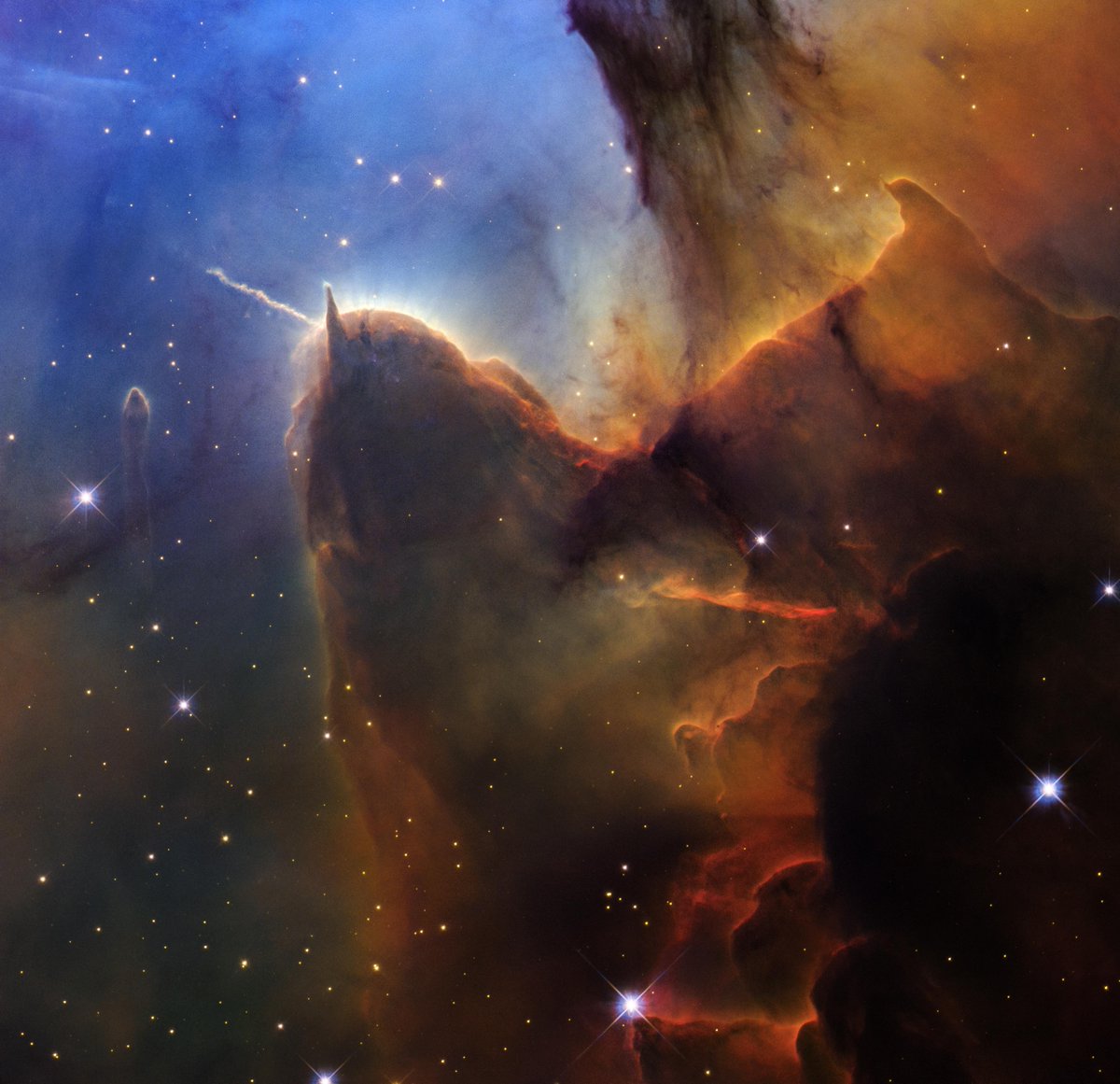
¿Una escena del fondo del mar? No, es nuestro universo. 🌊✨
@NASAHubble capturó estos detalles brillantes de la nebulosa Trífida, conocida como Messier 20 o M20. Se trata de una región de formación de estrellas situada a unos 5.000 años luz de la Tierra.
City of stars, are you shining just for me?
This new Hubble view shows the spiral galaxy M88, located about 63 million light-years away.
M88 is an active galaxy, which means that its center holds a supermassive black hole that snacks on gas and dust: https://t.co/wgqlDIHqSq
Hold my hand?
In this Hubble view, two galaxies known collectively as NGC 5331 are seen just beginning to "link" their spiral arms.
This galactic interaction is unfolding about 450 million light-years away, in the constellation Virgo.
Read more: https://t.co/V0qJECHPZ7
How to get to views like these? On Hubble's Cosmic Adventure, of course!
Buckle up for an intergalactic journey. Answer questions, and let your choices lead you to an incredible destination in our cosmos. Try it here: https://t.co/NRcgiVSyUb
What's up for June?
The solstice brings summer to the Northern Hemisphere. Jupiter and Venus will appear close together in the night sky, and Mercury will join them soon after. The Moon will also pass in front of Venus on June 17. Learn more: https://t.co/Ujal0GZVJU
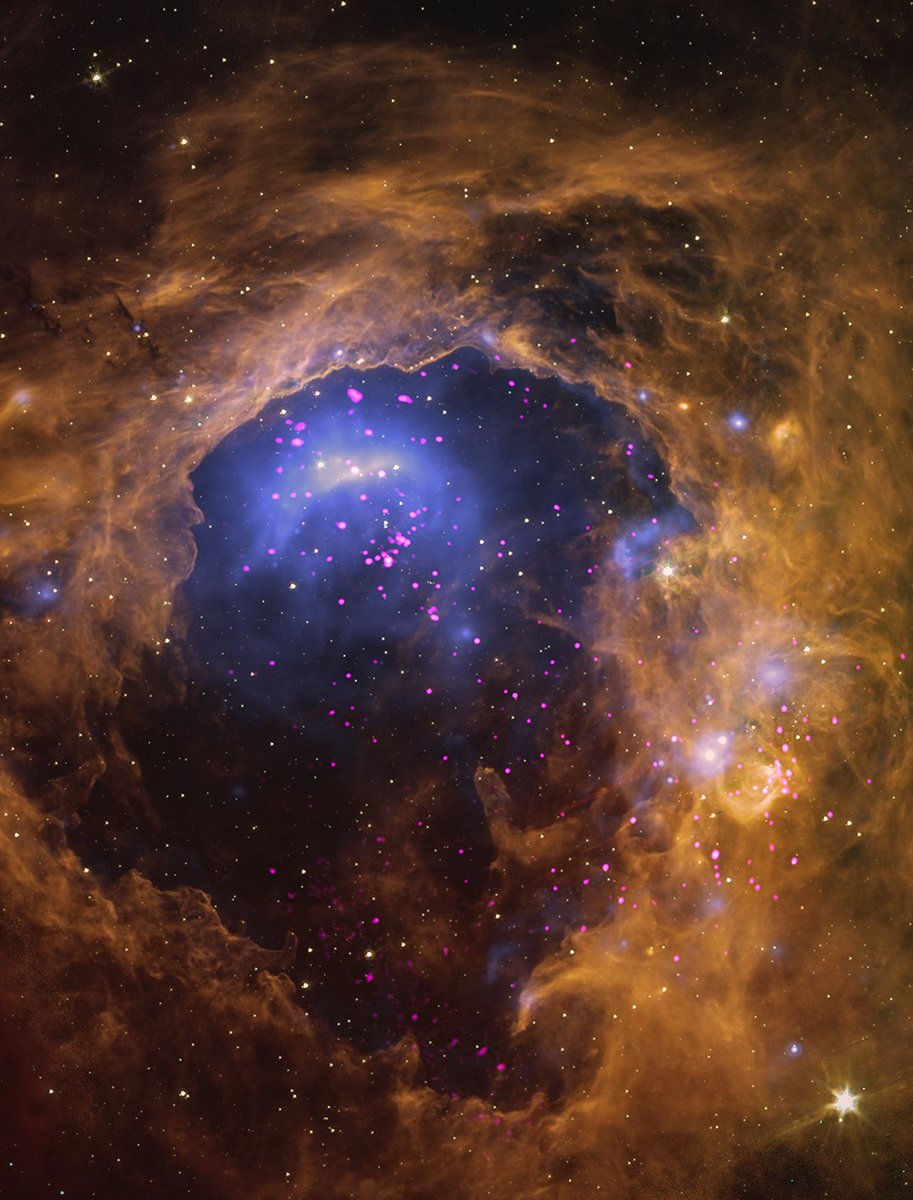
Some of our galaxy’s youngest, hottest, and most massive stars blaze to life in the nearby Carina Nebula. Winds from these powerful stars can carve out bubbles of hot gas, producing dramatic shapes in the surrounding clouds of colder gas and dust.✨
Just the two of us. 🎵
These two spiral galaxies are connected by a faint bridge of dim stars, like two dancers holding hands.
Collectively known as Arp 240, this pair is located in the constellation Virgo, about 300 million light-years away: https://t.co/JkOjgjbObu