Gertrude B. Austin Professor of Economics, Grinnell College, author of The Political Economy of Collective Action, Inequality and Development (Stanford 2020)
@Brianlevy387's nice review of my recent book, with attention to how #collectiveaction problems interact with #politicalsettlements analysis--my effort at building a conceptual framework for development theory. In https://t.co/DMww02vn0Z
"This excellent book applies the tools of game theory to shed systematic light on circumstances that promote or hinder social coordination. One of its great strengths is the development of a broad typology...permitting contextual analysis" @rodrikdani 2/2 https://t.co/MpNxvsoAwg
Upcoming at WIDER-UNU (United Nations University) in Helsinki, 7 June at 15:00 #economicdevelopment#politicalecoonmy
Here's the link:
“A Theory of Triadic Power with Applications to Leadership, Collective Action, and Institutional Evolution,”
https://t.co/osXNmdd8i1
My talk for Oxford INET on social cleavage is tomorrow (see below). On Friday at 15:00, I will give a talk on the polariastion in America and reversing the narrative at Oxford's Blavatnik School. Here is the link:
https://t.co/nMidYTitqW
In June, I will head to Oxford to deliver two talks related to the concept of political settlements. Here is the link for the first one:
https://t.co/YOxwQ9HUHI
In June, I will head to Oxford to deliver two talks related to the concept of political settlements. Here is the link for the first one:
https://t.co/YOxwQ9HUHI
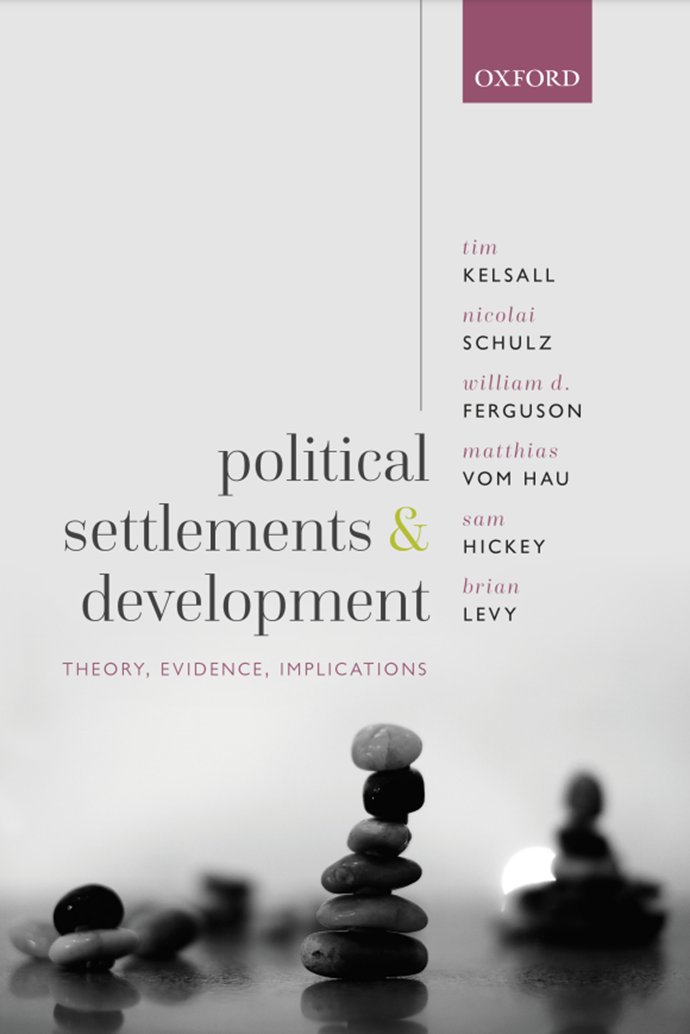
Super excited to finally see our open access 📕“Political Settlements and Development: Theory, Evidence, Implications” out, co-authored with the fantastic @TimKelsall1, @WilliamDFergus1, @mvomhau, @sam_b_hickey, and @Brianlevy387. 🥳🎉🤩
A longer🧵on what to expect (1/24)
South Africa’s recent history illustrates how interactions between inclusion and inequality can fuel hope, but can also trigger vicious spirals of disillusion.
From @Brianlevy387@CarnegieEndow:
https://t.co/f9nxGQMfPO
One thing that led to the little-discussed defeat of “anti-CRT” bills in Indiana is the fact that the College Board would not certify AP courses in schools adopting such strict and ahistorical curricula. Florida’s recent textbook fiasco may cost them AP status for math courses.
Upcoming on #African History through the Lens of #Economics: The Slave Trades, Overview and Effects with @DrNathanNunn (@Harvard).@oyebolaoo(@WorldBank) is moderating the session.
⌚Tues 22 Feb, 10 am ET/ 3pm GMT / 4 pm WAT
Register https://t.co/65sp7N7Kzj
Tune in to the latest episode of the Authors and Artists podcast featuring Prof. Bill Ferguson ’75 discussing his book, 'The Political Economy of Collective Action, Inequality, and Development .' https://t.co/GhcDaG7ADH 🎙️ 🎧 @WilliamDFergus1@NewBooksNetwork#GrinnellianVoices
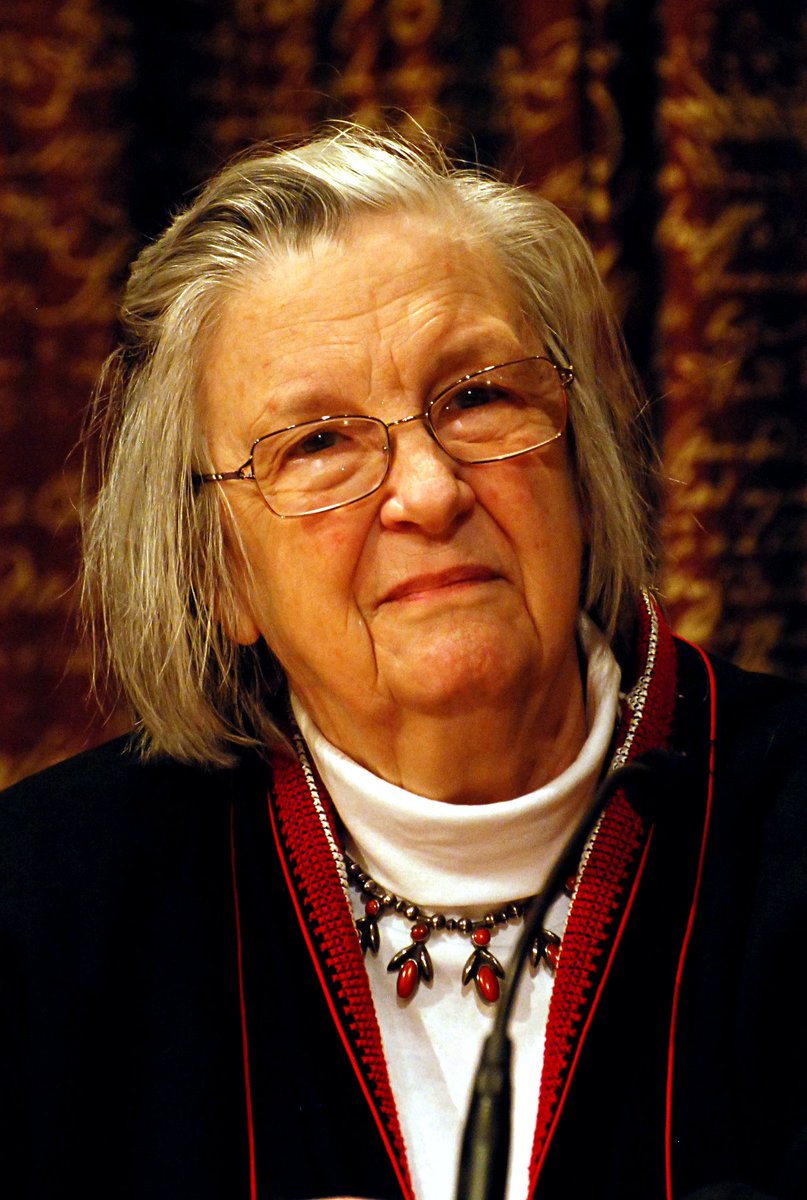
When Elinor Ostrom applied for a PhD in economics she was turned away - her subsequent doctorate is in political sciences.
Despite this, in 2009, Ostrom became the first woman to be awarded the prize in economic sciences.
How to get social accountability at scale? 3 plausible pathways:
#1-replicate best practice
#2-trump opponents by leveraging 'resistance'
#3-prioritize 'resonance' & social learning
Ask: which better fits context?
Great post by @guerzovich & @traffyaston https://t.co/F0E3s6KeqH
#EconDev From @brianlevy387, addresses how to conceptualize relationships between 3 basic sources of ideas (ideational drivers), political authority, and cycles of development, with attention to South Africa. https://t.co/YPEn0Mqj0e
Congratulations Kira (@kiragk2) on finishing and posting a fantastic dissertation! Using case-study data, primarily from Greece, it offers innovative insight into how cooperative leadership can resolve substantial collective-action problems of development. #EconDev
Our research team (@MarkCurti, @DangGarrett, Kevin A. Roberts, @J_C_Suarez, and me) is excited to share our new working paper,
“Capital Investment and Labor Demand”
NBER link: https://t.co/CrYEQsoWLu
Ungated: https://t.co/jHggK8n1Yw
Summary thread below.
Worth reading. Lack of public trust engendered vaccine hesitancy in post-communist E. Europe. As Elinor Ostrom said, trust is a product of functional social capital.
Why Won't Eastern Europeans Get Vaccinated? by Kristen Ghodsee, et al @ProSyn https://t.co/jOadoeH5iw