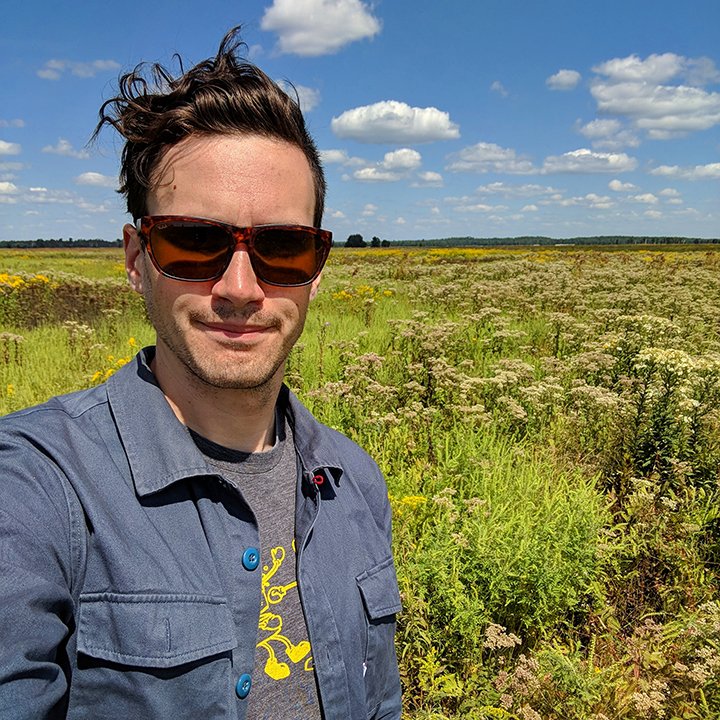
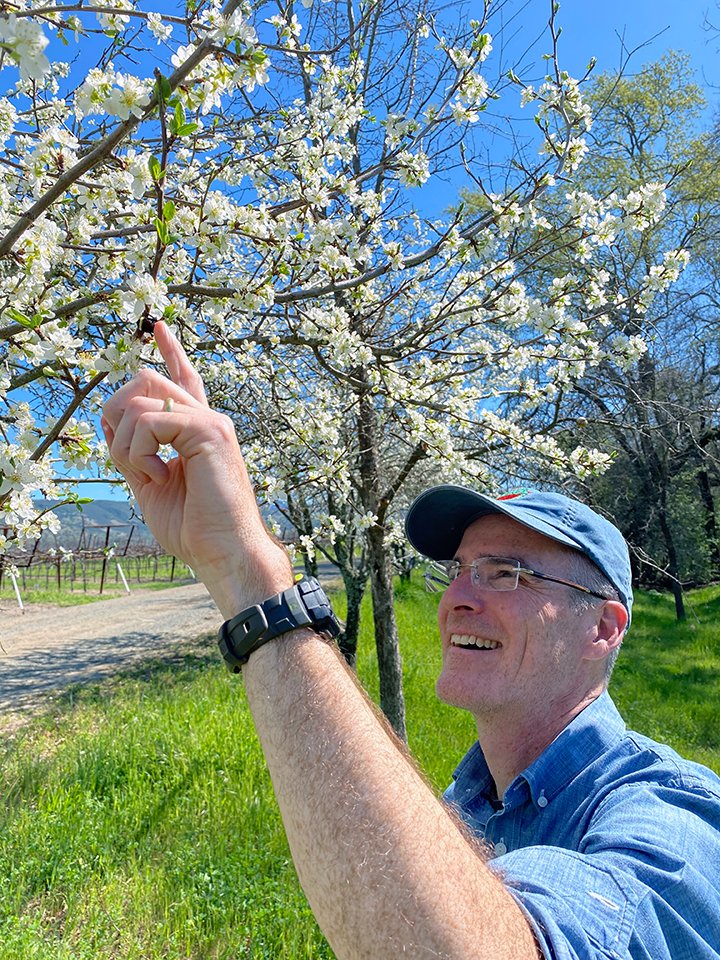
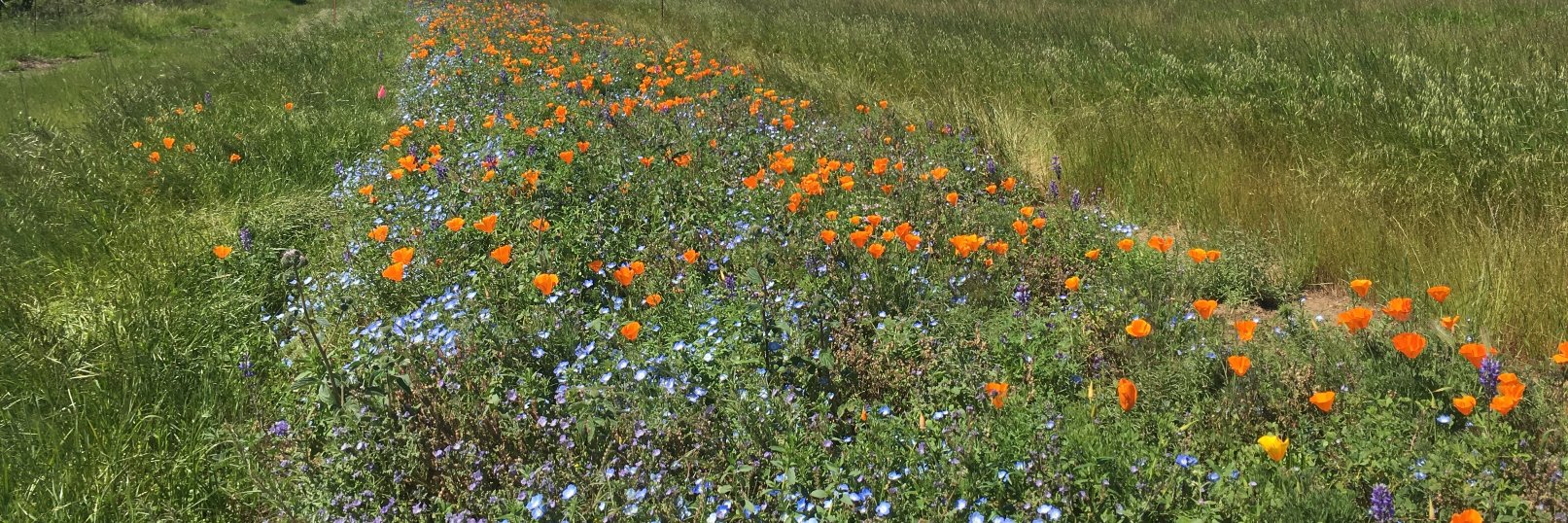
Newly published #ucdavis research: Climate change rapidly restructuring North American bumble bee communities. Professor Neal Williams, postdoc researcher Jeremy Hemberger. https://t.co/GTG6SFrQb9
My first first-author paper is out now in Ecological Entomology: https://t.co/RwLyqtUjen
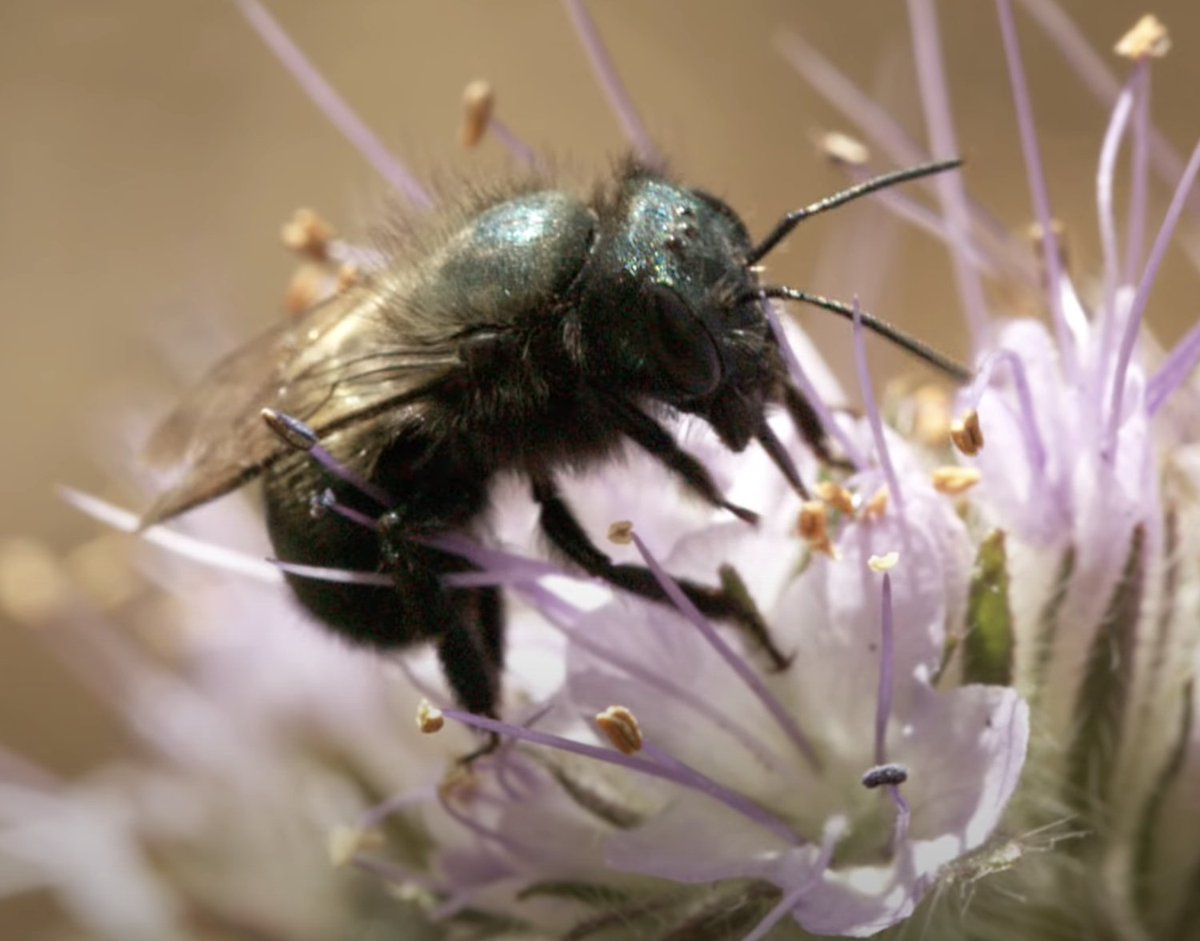
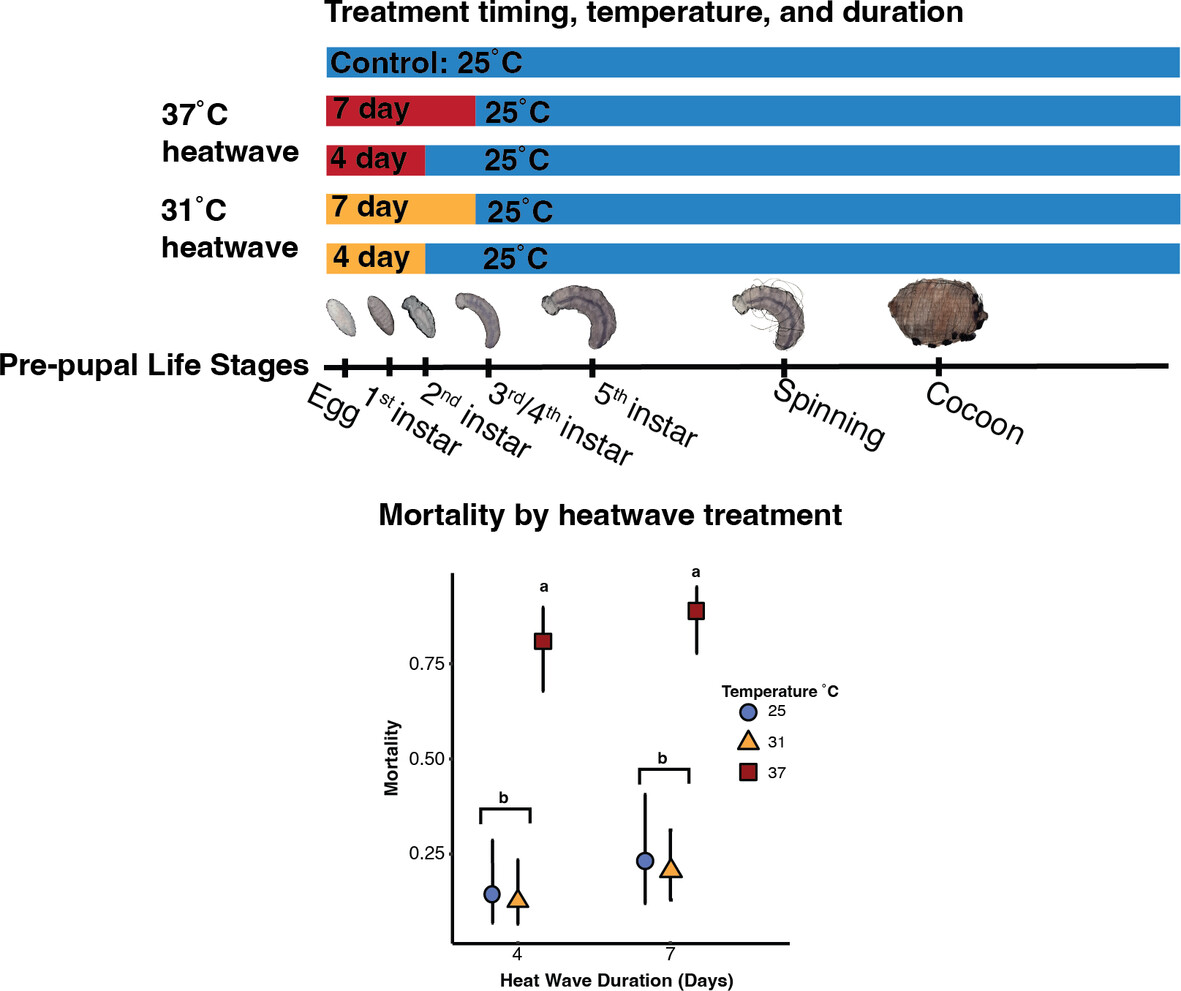
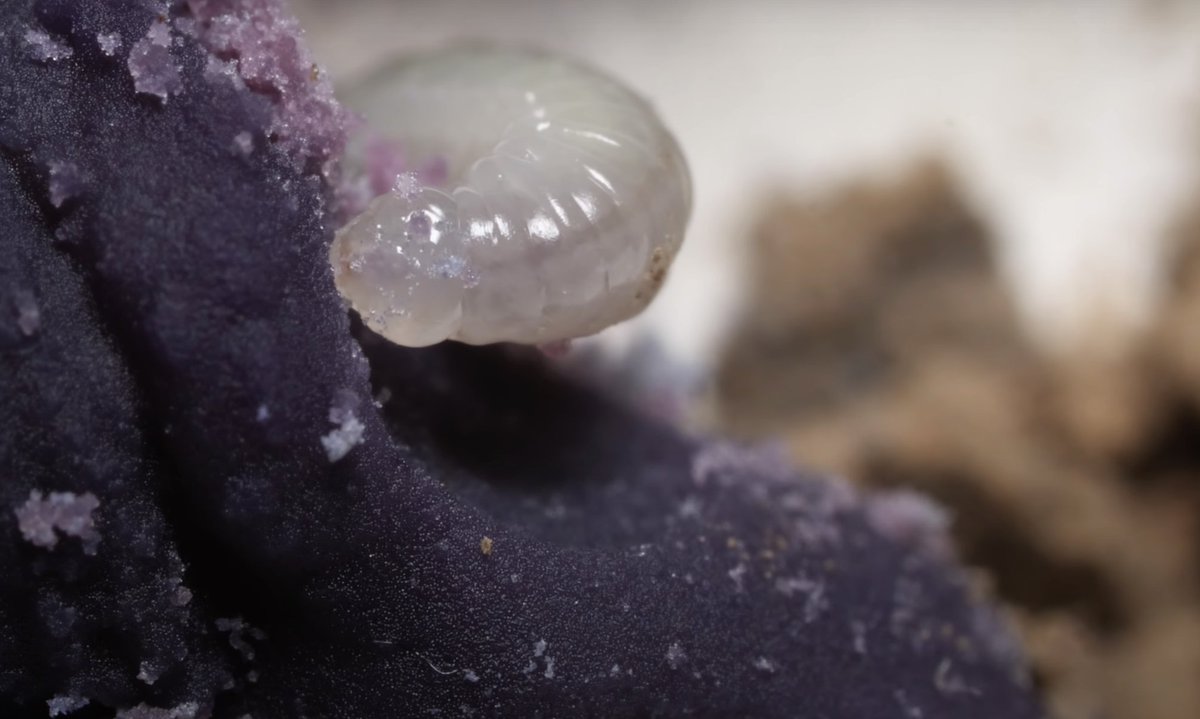
Heatwaves increase larval mortality and delay development of a solitary bee
so grateful to my co-authors and mentors @clarastuligross@WilliamsBeeLab and to Osmia lignaria!
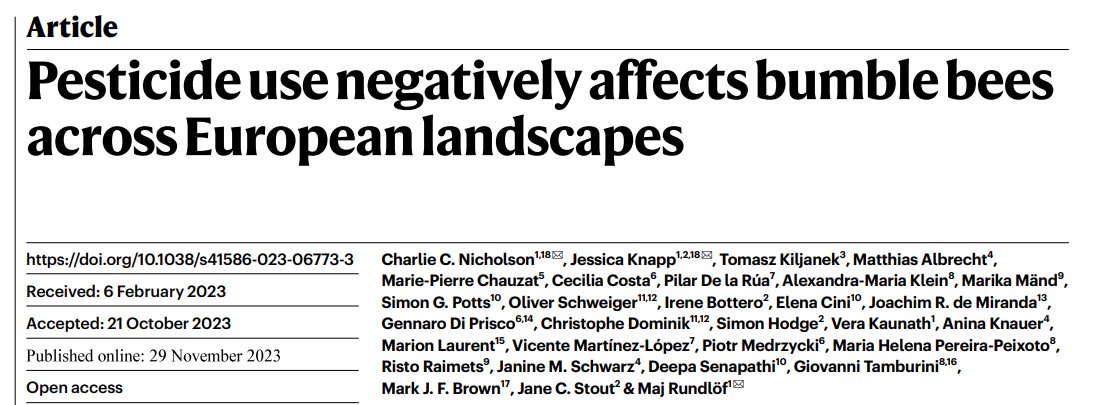
🚨New paper🚨
So excited our research into the impacts of landscape-scale pesticide exposure on bee health is published in @Nature. Huge thanks to my co-1st author @JessKnapp24 and @MajRundlof and all in @poshbee_eu
The paper: https://t.co/tea52zXVqf
What’s this all about? 🧵
Assistant Professor of Insect Biology position in UC Davis's Department of Entomology/Nematology.
The application deadline is: Friday, Dec 1, 2023 at 11:59pm (Pacific Time). Apply here: https://t.co/DZ6VioODRJ
#PBT@EntsocAmerica
Excited to announce that the Department of Entomology and Nematology (UC Davis) is opening a search for an Assistant Professor position in Insect Biology. This is an unusual search in that we are encouraging applicants whose research focuses on any aspect of insect biology.
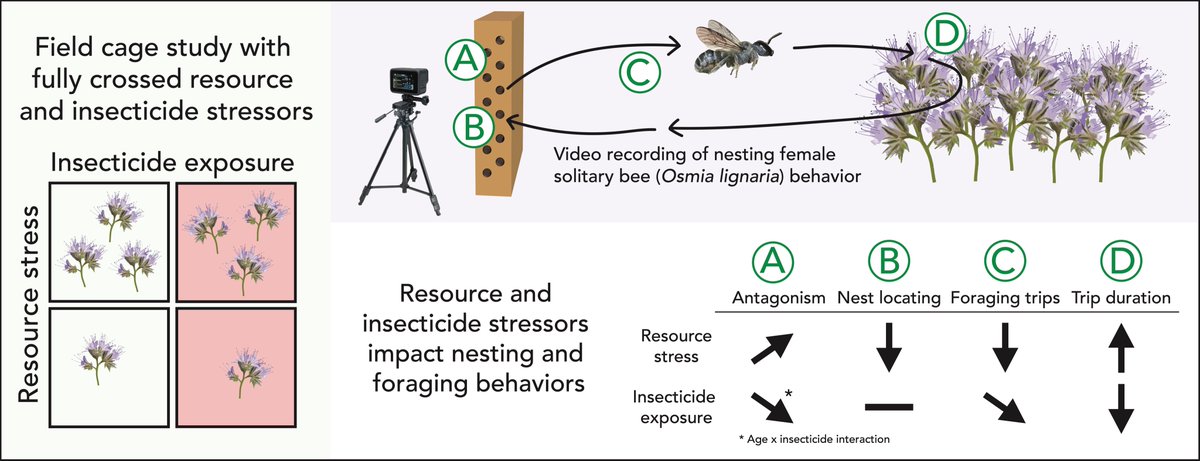
Our new work on solitary bee behavior, insecticide exposure, and resource limitation is now available open access in @STOTEN_journal!
A collaboration with @gigi_melone, Li Wang, & @WilliamsBeeLab
https://t.co/ZiNZs211hi
We are looking to hire someone to start as soon as possible. Familiarity and experience with microscopy and data entry is preferred but not required.
Please share/retweet!
⚡️ Job alert! We are recruiting a part-time lab assistant for 6-8 weeks to help with research on pesticides🧪 flowers🌻 and bees🐝 in CA. Assistant will primarily work on counting and identifying pollen using light microscopy 🔬
$20+/hr, apply by Oct 18!
https://t.co/YruuIHIdSc
We are excited to share our new paper, available open access in @JAppliedEcology! 🌻🐝🚜
Flower plantings support wild bee reproduction and may also mitigate pesticide exposure effects
A collaboration with @MajRundlof, @WilliamsBeeLab, and many others
https://t.co/5GtsNPdE35
Proud lab moment!🎈 William's lab PhD student @EcoRosey's work on the giant Chilean bumble bee, Bombus Dahlbomii and its interactions with the invasive B. terrestris published! Check it out 🔖👀
I am so glad that this is finally out! Invasive Bombus terrestris modify Fuchsia magellanica flowers by nectar robbing and gain competitive advantage over native B. dahlbomii by foraging nectar more efficiently. B. dahlbomii alters behavior to try and compensate @marcelo_aizen
I am excited to share my Commentary article in PNAS with my perspective on the great recent work by @clarastuligross and @WilliamsBeeLab on the delayed effects of insecticide exposure: https://t.co/MqkazX9Owu
Entomology jobs in nonprofit, government, industry, and policy organizations are out there. For students and recent graduates looking to launch their careers, here's some advice from professionals in the field. #EntSocSAC https://t.co/m18K1LfgW0
I wrote a commentary for @Facultyopinions about this fascinating work by @clarastuligross and @WilliamsBeeLab: Past insecticide exposure reduces bee reproduction and population growth rate in @PNASNews
https://t.co/fQ0L5NTOFb
How good are honey bees at pollinating compared to other pollinators? My @beejournal summary of an excellent meta-analysis on this topic by Page & Nicholson et al. 2021 #AJB@Botanical_ with @_MaureenPage and @BuzzNicholson : https://t.co/JopDsop2gv