Scenes from my novel set in #Venice - one a day for the next week.
A friend's warning for Anna, the main character.
---Universal Amazon link at
https://t.co/wScSXIW5lg
5 million fish are killed every minute by fishing industry Super trawlers are devouring the ocean of marine life
These ships can catch, process and store hundreds of thousands of tonnes of fish
This is not sustainable
Make it stop
Ban super trawlers now
The Nashville Zoo has launched a public campaign to block construction of a proposed 69,000-square-foot AI data center that would sit directly adjacent to habitats for endangered animals, including vulnerable clouded leopards.
Zoo officials warn that the facility’s constant noise, bright artificial lighting, and electrical hum could seriously disrupt animal behavior, stress levels, and long-established breeding programs. The zoo is home to more than 3,700 animals representing over 350 species and maintains one of the most important collections of rare and endangered wildlife in the United States.
This conflict highlights a growing backlash against the rapid expansion of data centers driven by the AI boom. These facilities require massive amounts of electricity and operate 24 hours a day, prompting communities nationwide to raise concerns about energy consumption, water use, noise pollution, and environmental impacts. Wildlife conservation groups are now joining the resistance.
More than 180,000 people have already signed a petition opposing the project.
The developer behind the data center states that it will use waterless cooling systems, meet all local noise regulations, and comply with environmental standards. However, zoo leaders argue that the location itself, immediately next to sensitive animal habitats, makes the project unacceptable regardless of technical mitigations.
The dispute underscores a broader challenge of the AI era: how to build the vast digital infrastructure needed for artificial intelligence without placing undue pressure on local communities, ecosystems, and wildlife.
#Krill
New technology is the enemy for whales in the Antarctic.
Norway is deploying 30 ft drones to locate areas of highest krill density—just where the whales will be.
They're using AI, sonar, airborne drones, USVs (unmanned surface vehicles) and satellite imaging.
The tech is predicted to increase daily krill catch by 22%.
How can wildlife compete with all this?
@___kepstar@allenanalysis There has been. Anthropic is paying $1.5 billion to authors whose works were grabbed from pirated sites to train their AI large language model. So Anthropic didn’t buy one book. The class action suit settlement will be $3,000 (or less) to each author. I’m one of them.
#Ocean
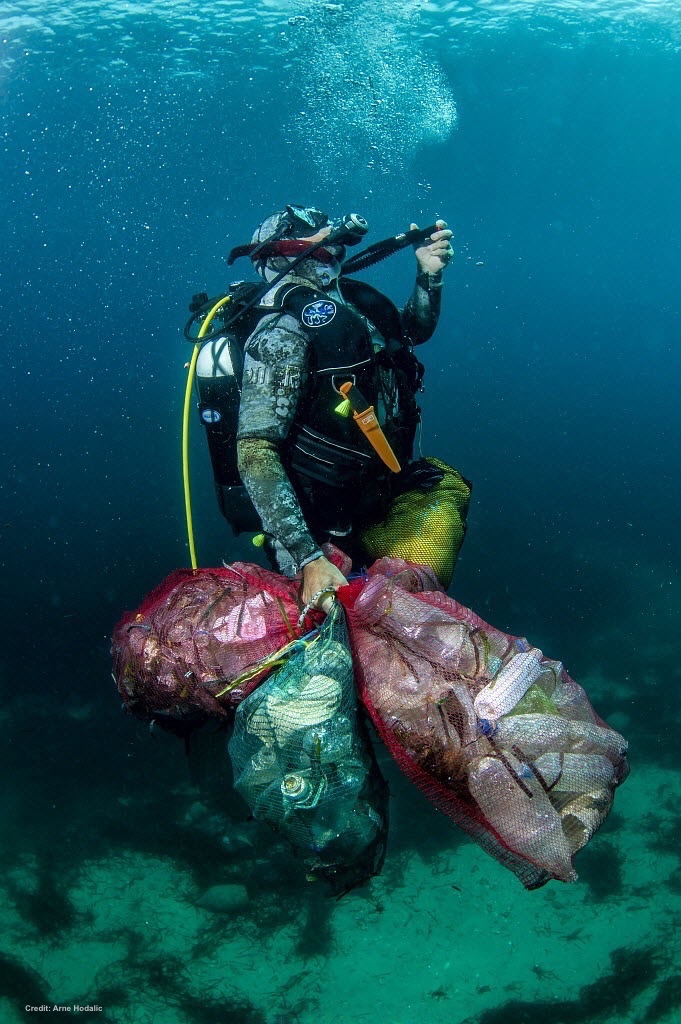
If you think collecting trash on the beach is too much trouble, believe me, this is harder.
What is toughest of all are the months of rehabilitating animals injured by our debris—or watching them die.
If you're heading for the beach, take gloves and a bag for trash. Yes, it's not you who left it there, but there will always be irresponsible morons—the rest of us can do this simple thing which saves grievous suffering to marine life.
Show this to your children. They deserve to know that there once existed magical forests lit by fireflies, purple frogs that emerged with the rains, slender lorises watching silently from the night canopy, vultures circling wild skies, dugongs grazing seagrass meadows, striped hyenas walking forgotten scrublands, turtles blessing our shores, Raptors soaring high, Amur Falcons crossing oceans without rest for days, and Nilgiri Tahrs ruling mountain escarpments like a kingdom above the clouds.
Perhaps we are the last generation to witness many of these wonders in the wild. The Earth is losing biodiversity at a pace never seen before and with every disappearance, something ancient, irreplaceable and deeply alive fades away forever.
Biodiversity is Earth’s heartbeat. The moment it begins to fade, the planet will slowly forget how to breathe.
If we want a future, we must help the Earth breathe again. We already know what to do. Let’s do it. Protect. Conserve. Cherish.
Happy #BiodiversityDay @UNBiodiversity #LocalAction #KMGBF #IDB2026 #ForNature
It is with profound sadness that Virunga National Park confirms the deaths of two Park Rangers following a deadly armed attack on the ICCN post at Kamuhororo, on the southern shore of Lake Edward, this morning, Thursday 21 May 2026.
Read the full statement: https://t.co/rWtsDSnfGC
🚨🐘📉🌳📉‼️ African forest elephant population dropped by nearly 90 % in just 3 decades, says IUCN which classifies them as nearing extinction.
Their decline could be castastrophic for survival of ebony trees, too. Why? 👇
https://t.co/uQuNjjcZT5
New research:
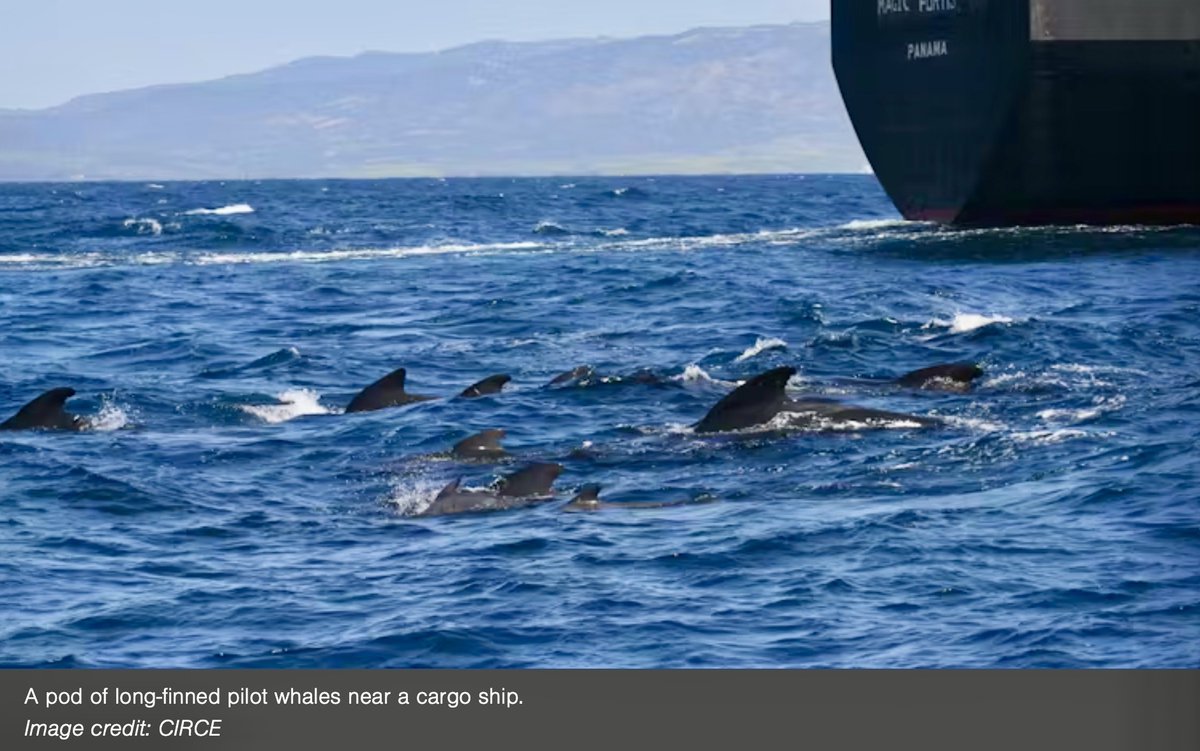
Pilot whales are struggling to hear over ship noise
They're trying to compensate, increasing dB with all their might—but failing—it's too overwhelming
Some just give up & fall silent
It's hard for us to grasp how profoundly this impacts every facet of their lives.
#Birds
What do you think about this?
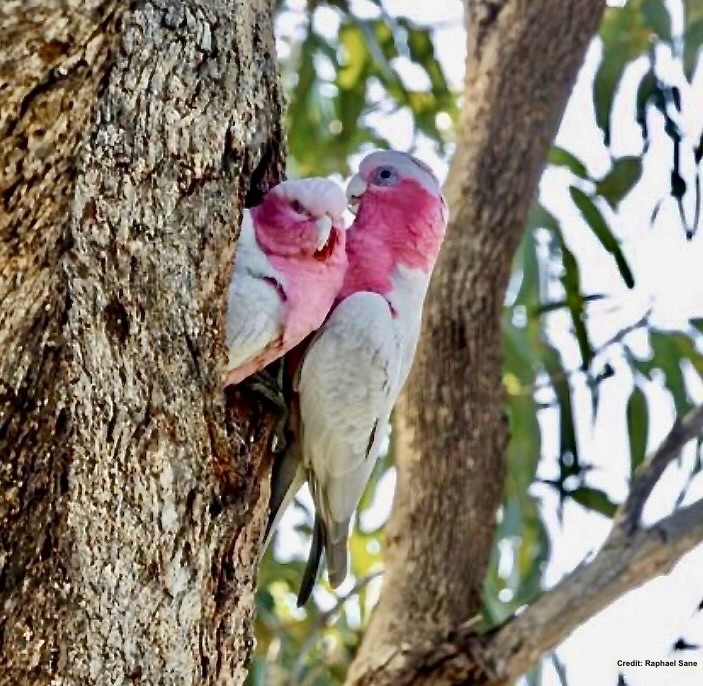
British-owned beef giant CPC has been granted a permit to poison and kill 20,000 native galahs and little corellas at one of their vast cattle stations in the NT, Australia.
In its permit application, CPC admits its practices created the problem: “grain production, on-site storage, and cattle feeding have provided an artificial food source.”
Ornithologist Dr Lilleyman was "shocked" to learn of the NT government's decision to grant the permit.
She said that Birdlife Australia is concerned about the potential for secondary poisoning of non-target species occurring close to "an internationally significant wetland".
CPC has ten cattle stations on about 9 million acres. They supply cattle and beef to Asian markets, domestic feedlots and processors, and export live cattle.
The company is owned by Guy and Julia Hands through the Hands Family Office. They live in Guernsey after leaving England to avoid UK tax.
CPC has also applied for massive water licenses for irrigation projects to grow grain sorghum and other crops which will inevitably attract even more birds.
So what happens then? Even wider-scale poisoning of native wildlife?
China’s trawlers are electrocuting the Persian Gulf to death.
Their industrial scale Pulse fishing kills everything in the water, leaving a dead ocean.
They need to be stopped before the ocean is completely lifeless.