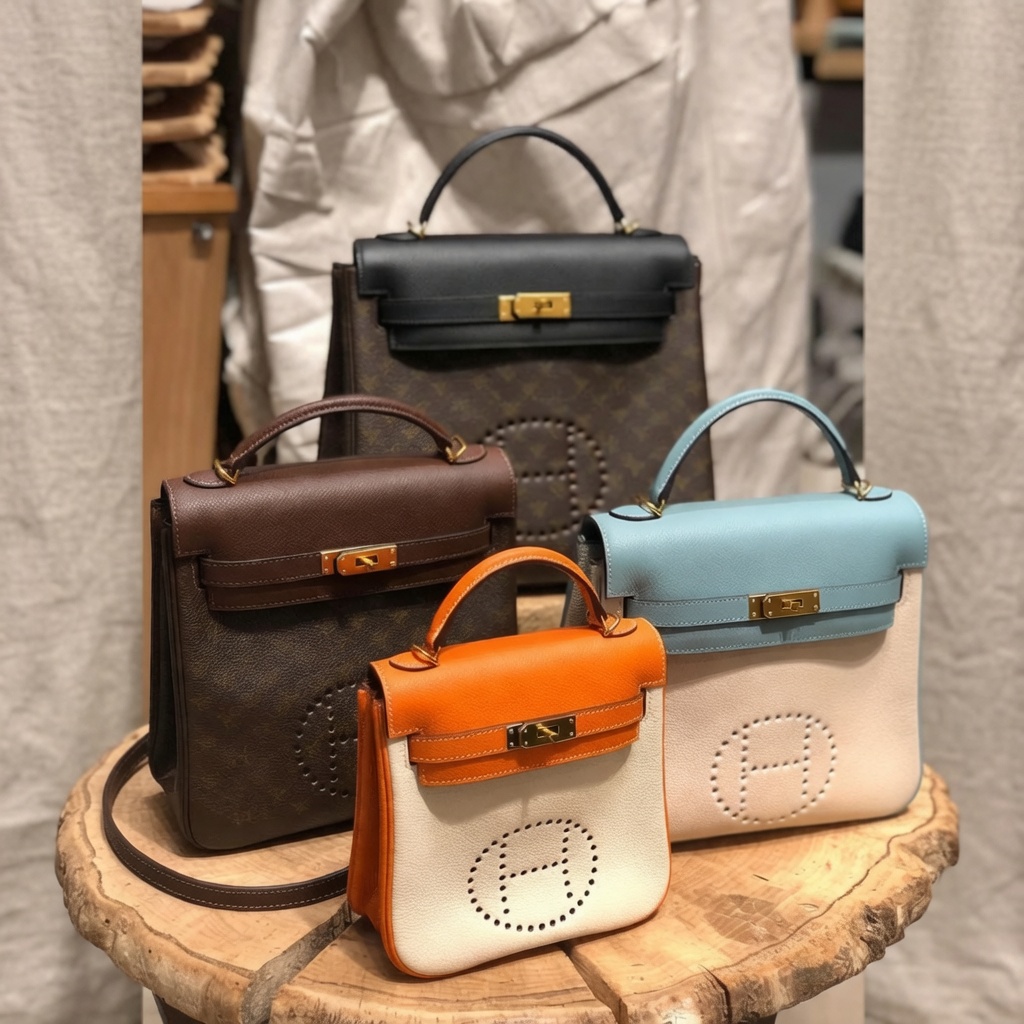
Hermès’ business model is brilliant: they love their clients so much that their primary sales strategy is refusing to sell to them 😅 Scarcity is a phenomenal durability engine until the public market demands 15% YoY growth and you have to explain that you can't exactly "growth-hack" a hand-stitched leather saddle..
Are you stepping into responsibility for an asset built on limits and standards that took your family generations to stabilize? The practical question is whether the rules that protect value will still be enforceable when you face different market or growth pressure.
Most analysts track Rolex by watching resale indexes and Swiss export numbers.
They’re looking at the wrong data.
The real risk to Rolex isn't falling secondary-market prices. It's the "scarcity-control architecture" itself.
Here’s why: 🧵👇
The Cultural Asset Economics (CAE) framework offers a distinct shift in how humanity values, protects, and transfers non-standardized wealth across generations.
Using a structural lens: long-cycle infrastructure assets with high asset specificity and concentrated utility/data-center customers often show limited exit optionality and material governance/transfer friction under ramp pressure. Headline financing doesn't automatically solve specialized supplier capacity or margin resilience.
$17.5 billion in conditional DOE nuclear supply-chain loans just dropped for ten AP1000 reactors. This is the hardest current-week signal that AI-driven power demand is moving from narrative to financed grid and generation buildout. But the real question is whether power equipment and grid interconnection capacity can actually deliver without margin or timeline breakage.
Rather than looking at assets through short-term market prices or liquidity, CAE examines how the foundational building blocks of human culture- such as heritage real estate, historic businesses, art collections, and urban landscapes- survive over centuries.