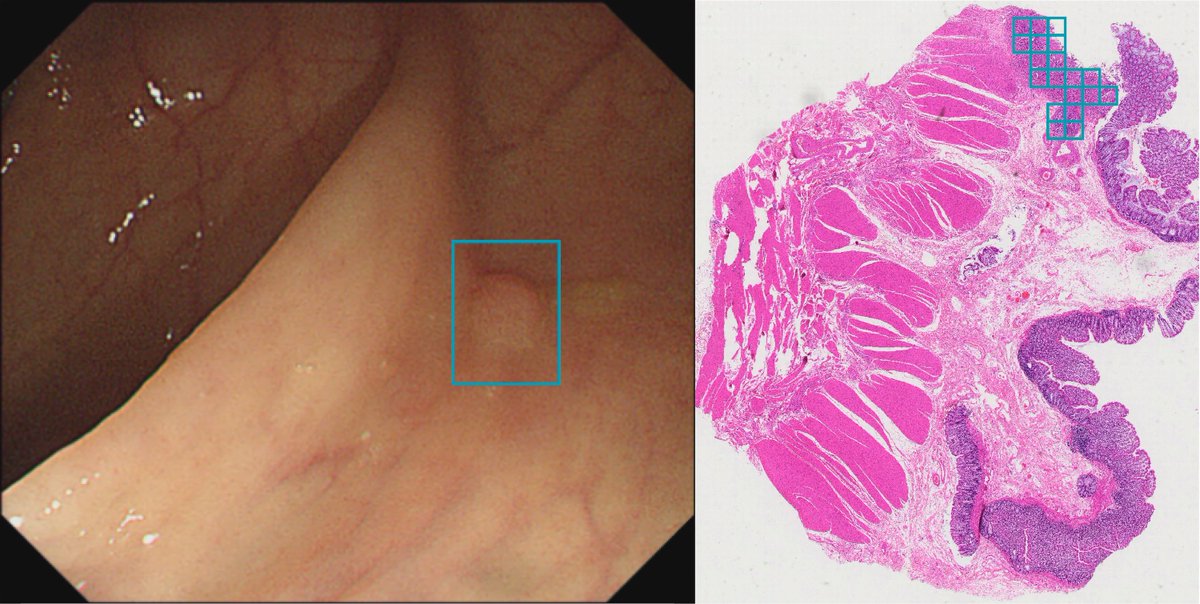
#ColonCancerAwarenessMonth Did you know that the majority of cancer in situ is found in small and diminutive polyps rather than large ones? Studies show 68.67% vs. 31.33%, emphasizing the importance of detecting and removing all polyps for effective defense against colon cancer.
Join us at #USCAP2024 in Baltimore, MD, March 23-28. Visit booth #858 for our innovative lymph node metastasis detection system, advanced 3D tumor analysis, & automated CRC/HGD, LGD, benign lesion classification in colon cancer screening.
🔬 Explore with us at the Annual Meeting of the College of American Pathologists in Chicago! 🌟 Visit Booth #119 to discover the unique technology approach from Wision. Find out how our innovations may impact clinical practice. 🌐#CAP23#AI#3Dpathology
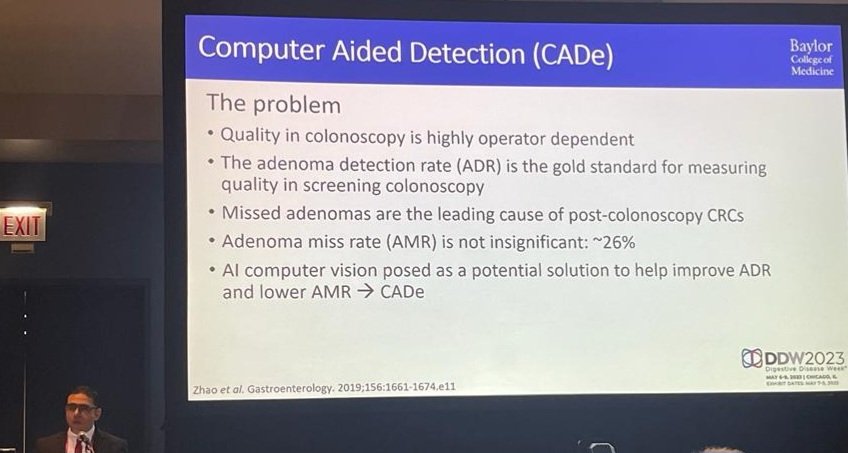
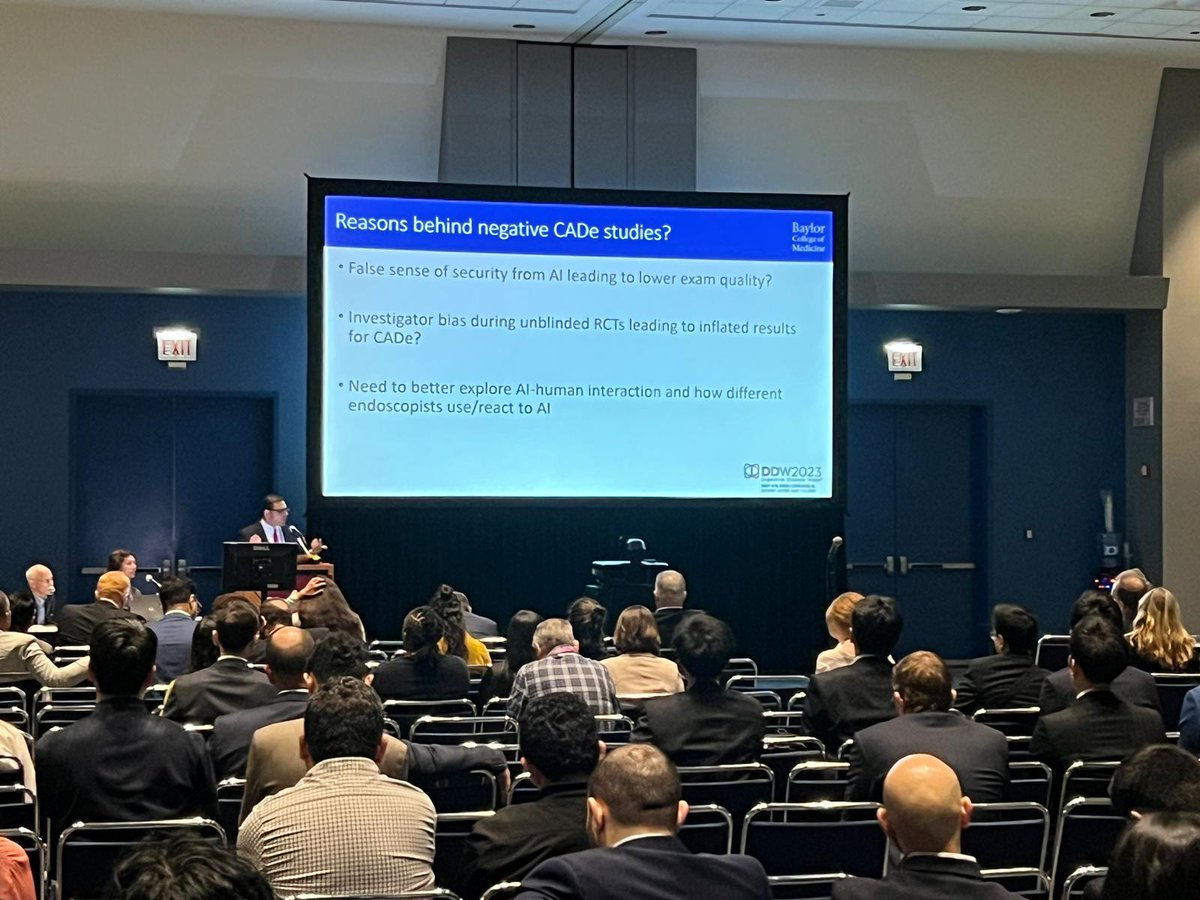
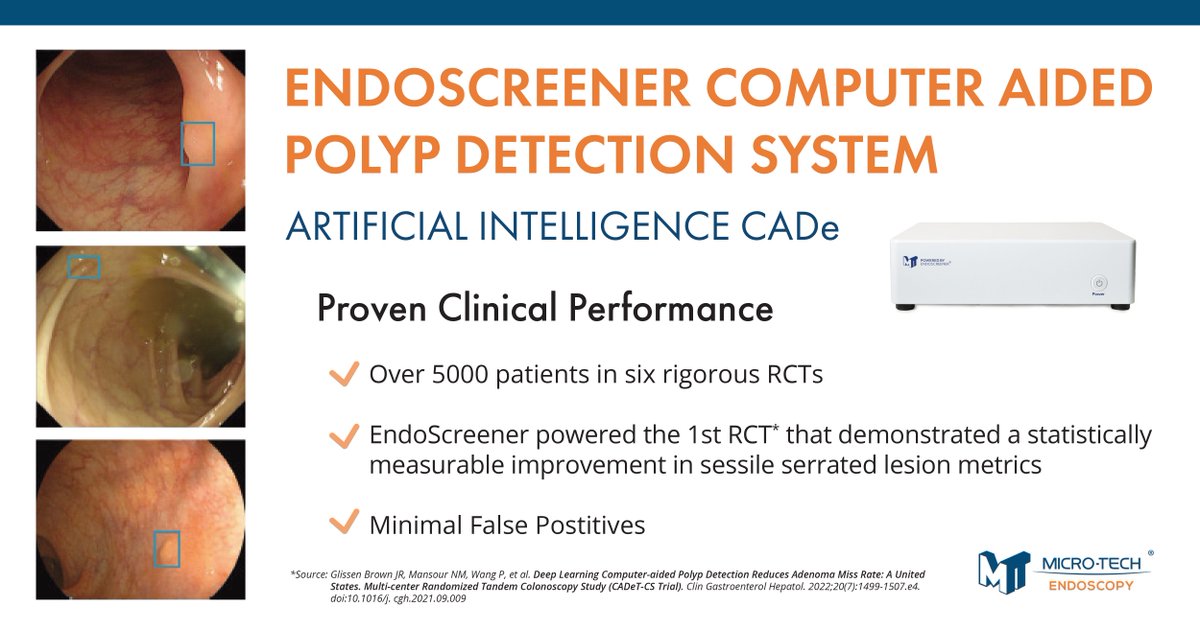
If CADe contributes to finding more polyps, it should have capabilities under difficult scenarios, see how EndoScreener performs. https://t.co/KQwM1MokmL
#DDW#ArtificialIntelligence
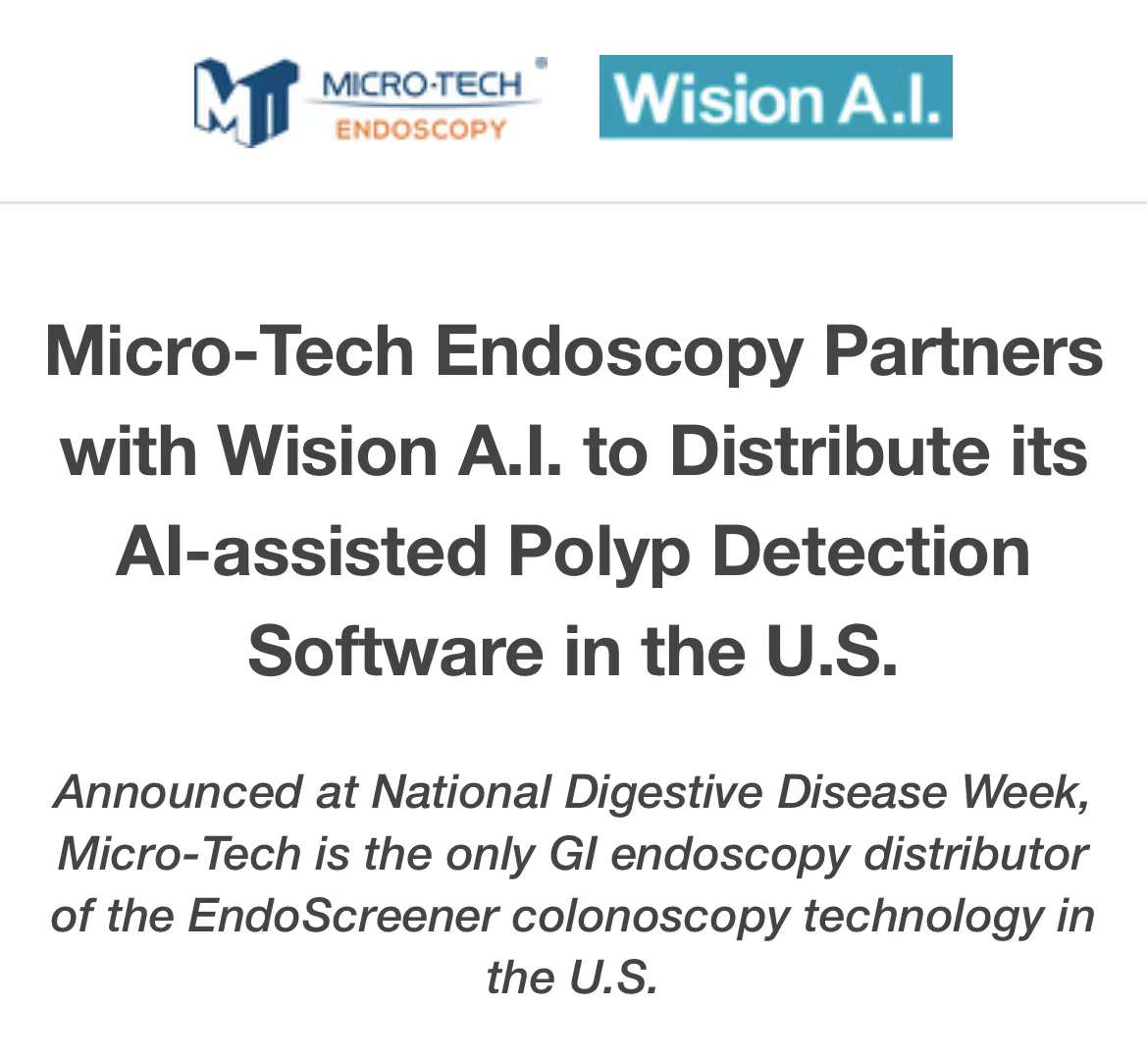
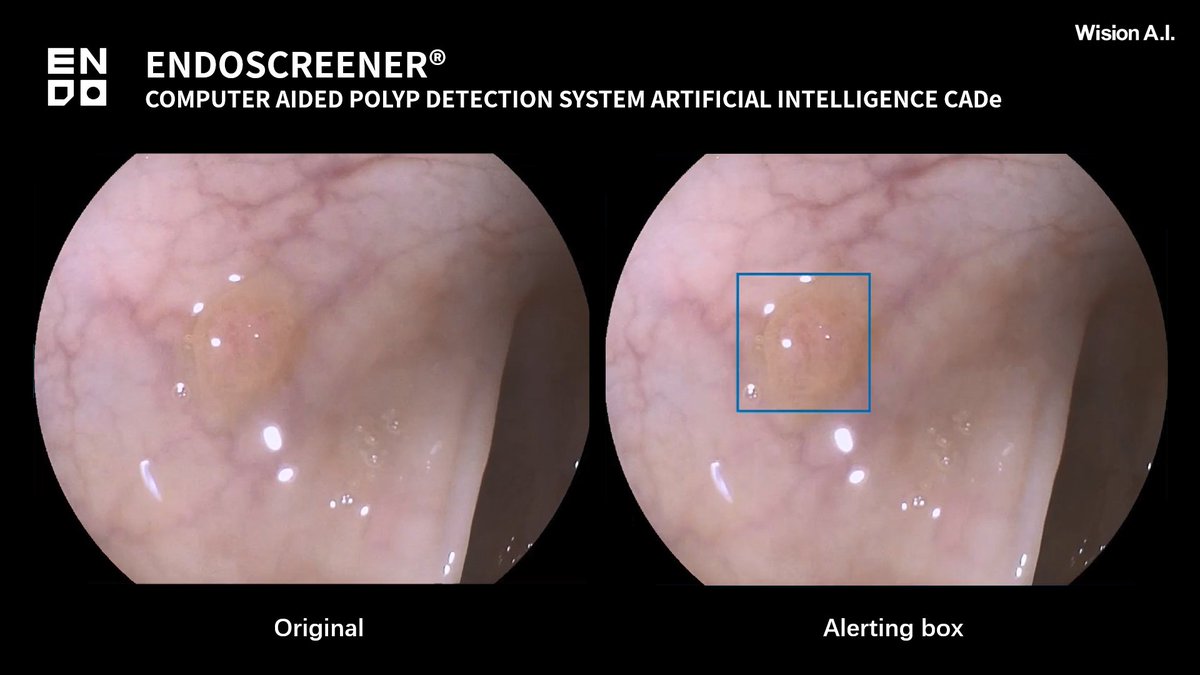
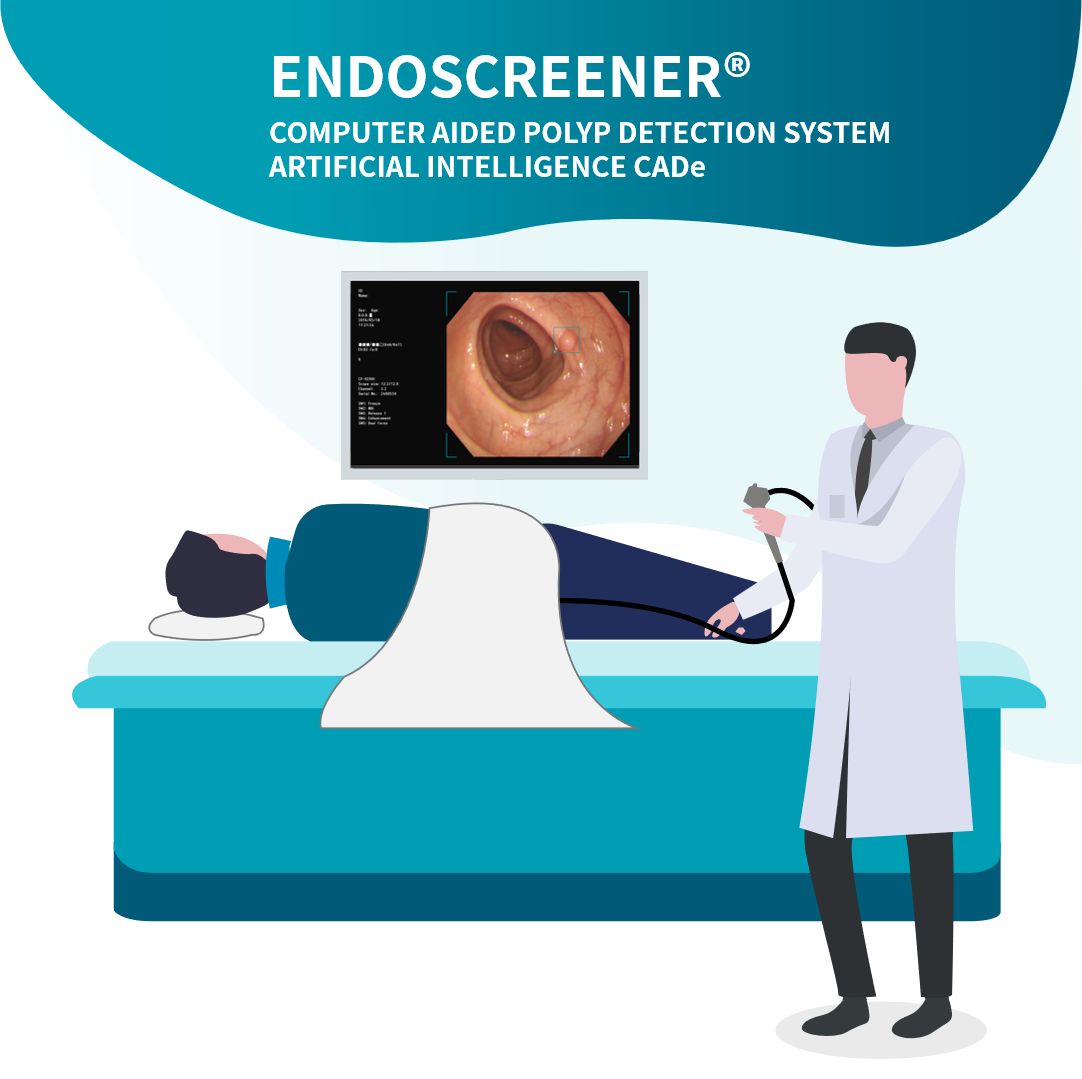
EndoScreener software uses deep learning A.I. and CADe to analyze and detect local abnormalities in the colon, improving standard colonoscopy's detection and precision.
For more information, please visit @MicroTechEndo Booth #4516.
https://t.co/tbYEWQoV9D
#DDW2023#Chicago
Micro-Tech Endoscopy is excited to be exhibiting at @ASGEendoscopy AI Primer Workshop on Friday May 5, from 1-5 pm at the Hyatt Regency McCormick Place in #Chicago. #DDW2023
EndoScreener® software uses deep learning A.I. and CADe to analyze and detect local abnormalities in the colon, improving standard colonoscopy's detection and precision. To arrange an evaluation contact CustomerCare at https://t.co/lU1QDMQ6jD or call 877.552.4027
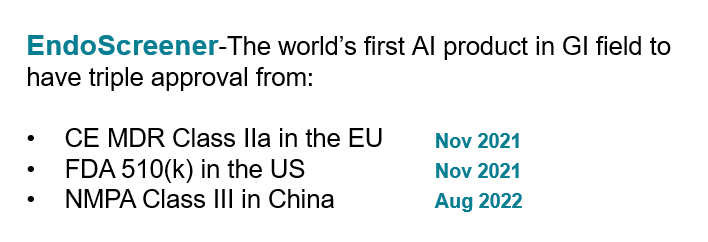
We are thrilled to announce that EndoScreener obtained the first Class III approval from National Medical Products Administration (“NMPA”) in China!Excited to have the opportunity to serve patients worldwide with improved preventative screening that EndoScreener offers!
Reflecting on 3+ years of amazing progress for #AI in gastroenterology:
▶️2018 First key paper on deep learning AI for polyps in @natBME
▶️2019 First AI RCT showing benefit for polyp detection in @Gut_BMJ
▶️2021 First @US_FDA approval for AI polyp detection
What's next?
@DrReddyGI Even if the regulator allows dynamic algorithms, it is not necessarily that more data equals better performance. Deep learning has its limitations.
The EndoScreener algorithm was specifically engineered with small data (5545 images), so it does not "converge" with other devices as the data grows. Small data requires less labeling work and less computational expenditure, and therefore, lower costs. https://t.co/mIUyJhInNs
@DrReddyGI@Medtronic@WisionAI *Very* important question. My belief is that #AI / #computervision tech is advanced enough that most polyp detection tools will converge at 'very high performance'. Differentiating factors will include turn-key integration, user interface, product support, cost...
@DrReddyGI As a medical device, the software must have a static algorithm. Upgrading the algorithm with new data is part of the R&D, but each release of the algorithm must get regulatory approval.