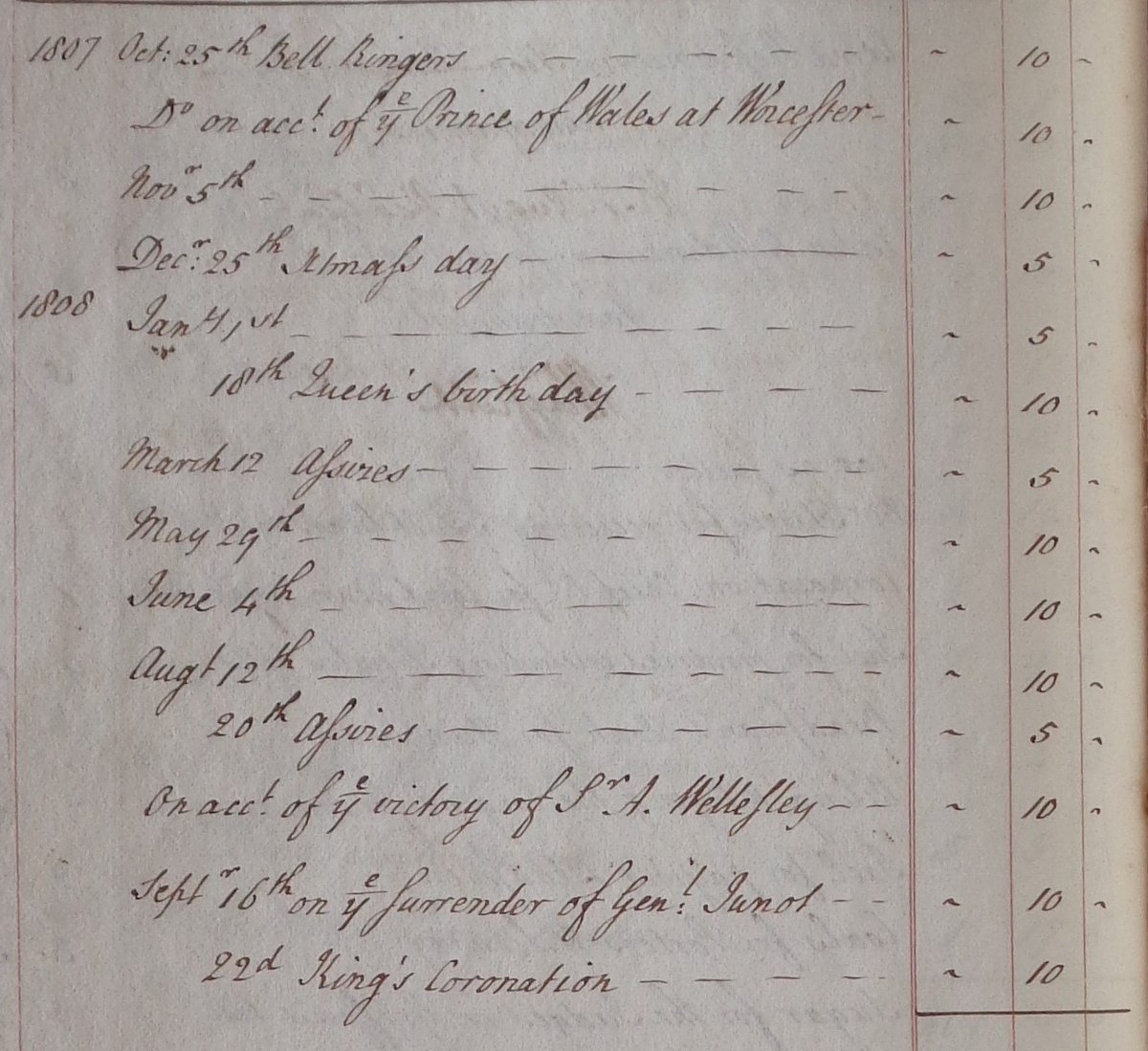
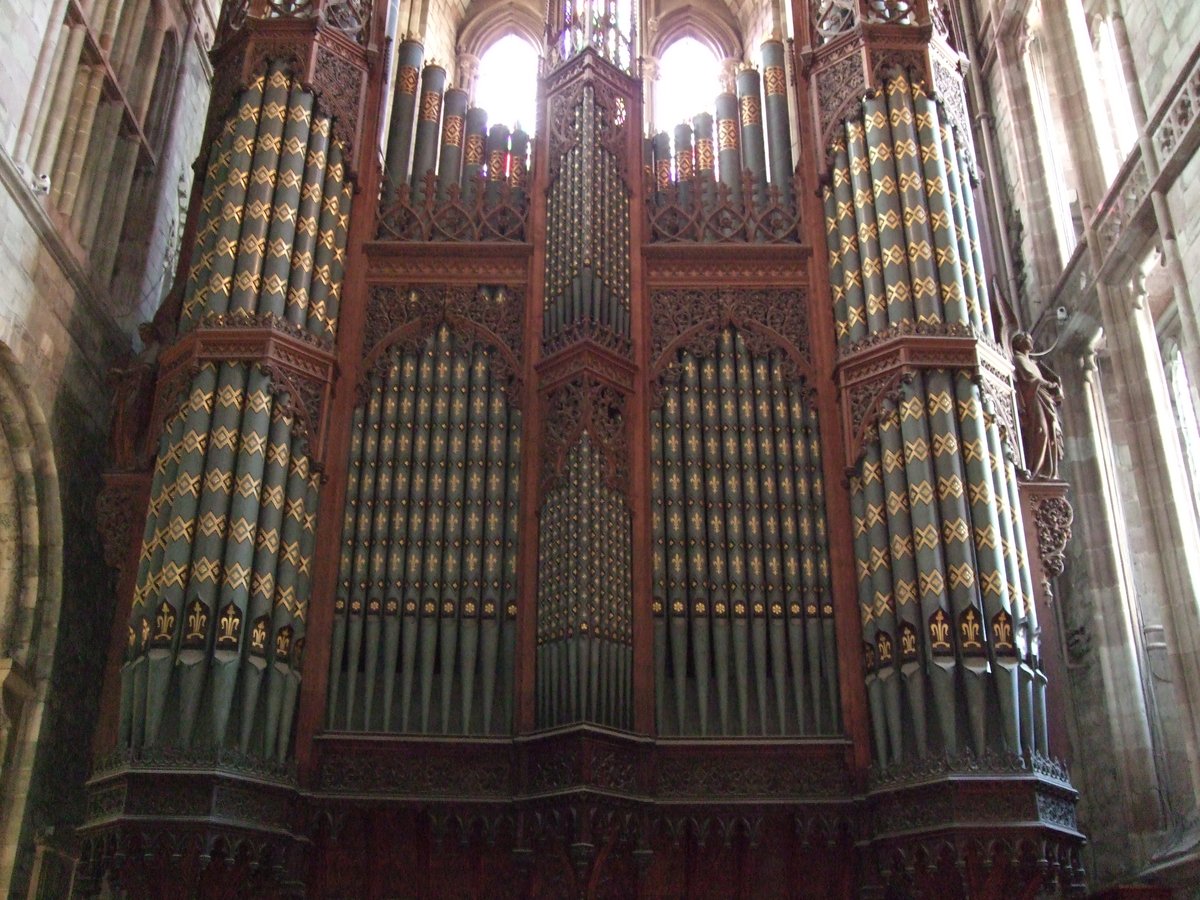
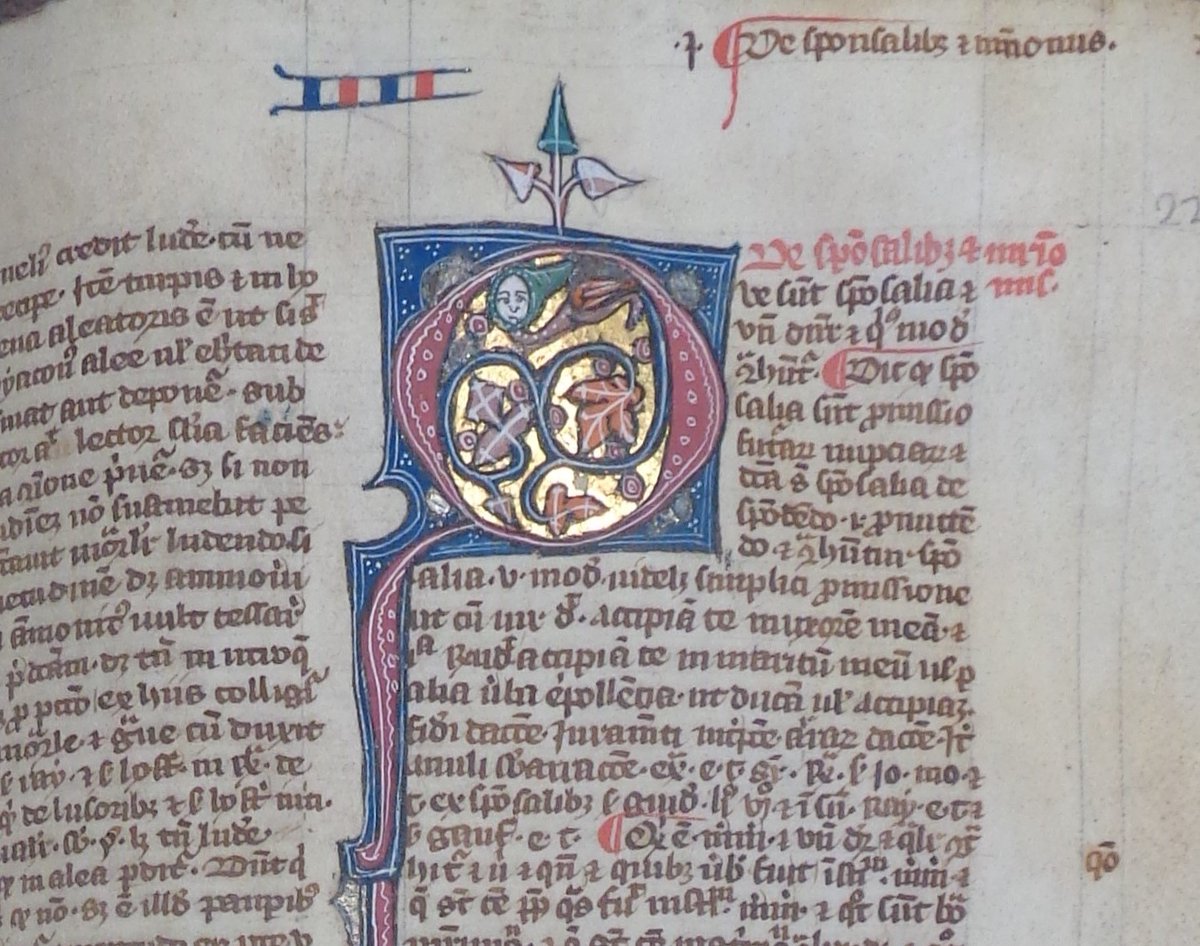
For this week's #ArchiveZ letter V is for Victory. In 1808 Sir Arthur Wellesley (later Wellington) led the British and Portuguese victory at the Battle of Vimeiro. The Cathedral bellringers were paid to ring the bells to celebrate and tell the city.
Waste was frowned upon in the 16th century as it is today and the habit of reusing parts of medieval manuscripts in book bindings can be so intriguing for a library researcher. Of what might the fragment be a part? Read about two such fragments at https://t.co/2OBDN24nQN
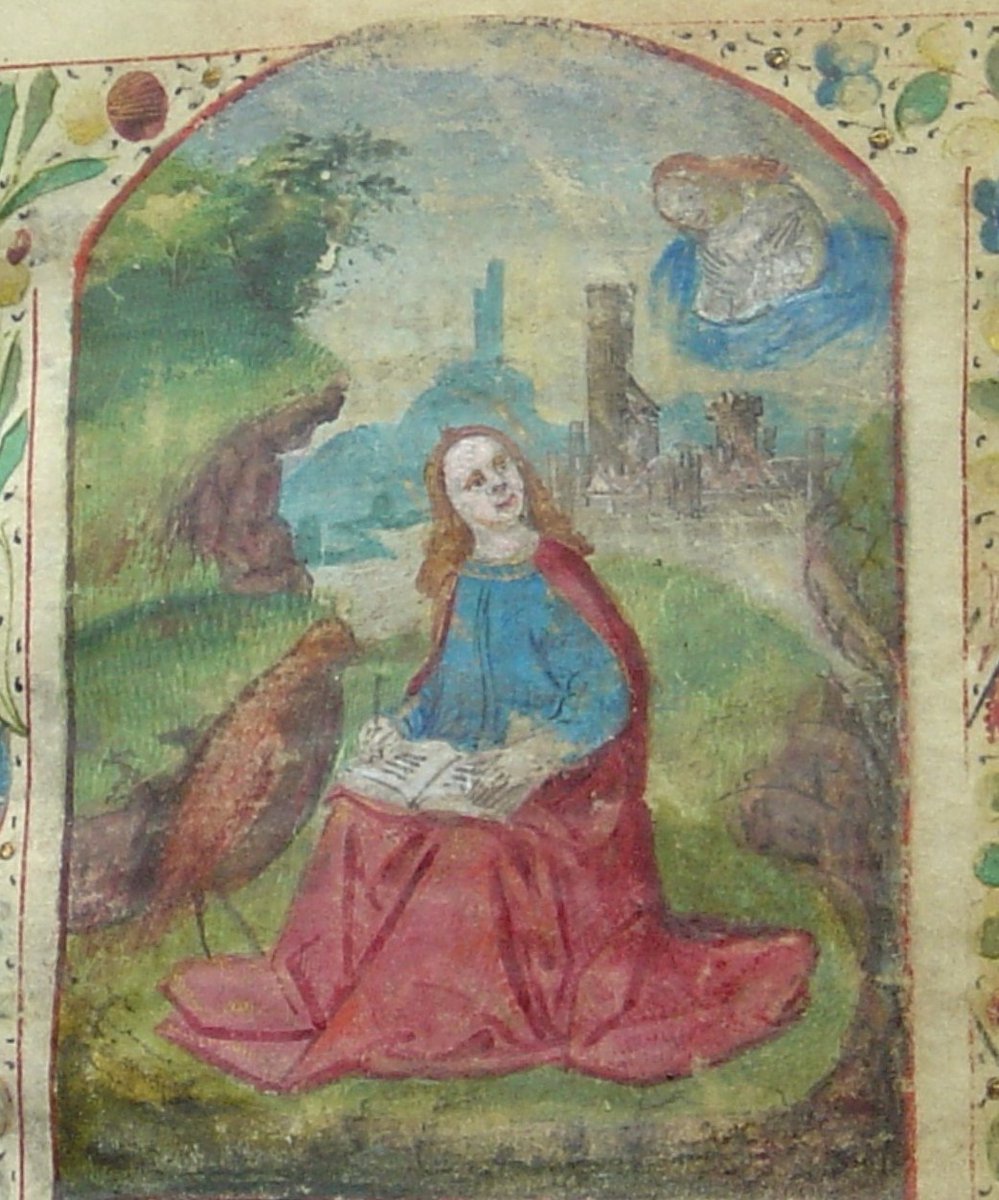
A cheerful Saint John the Evangelist writing his gospel. Jesus looks down from heaven approvingly, whilst an eagle waits nearby. The eagle is a symbol of Saint John. Image dated to c.1400. (WCL Q102)
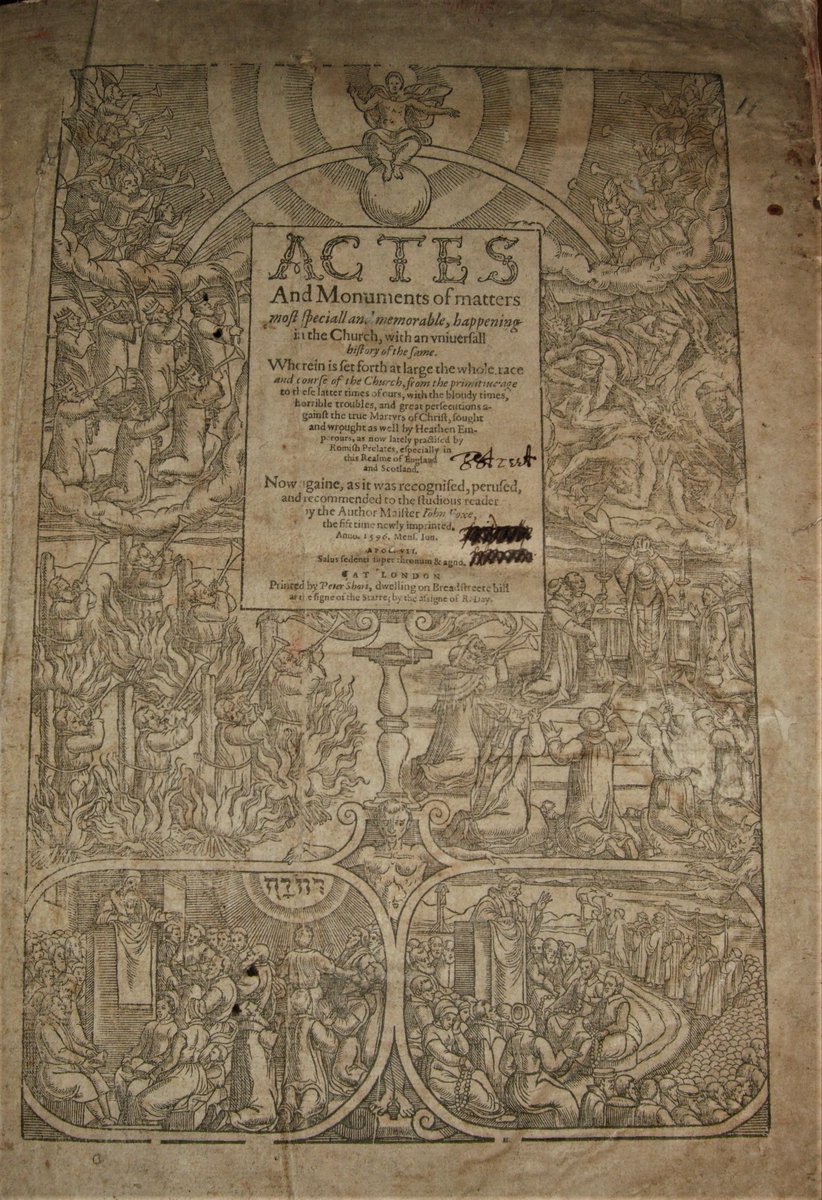
Something from the Tudor era today. The title page of a 1596 edition of John Foxe's Acts and Monuments telling the stories of the martyrs of the church, and in particular those in England during the reign of Queen Mary Tudor.
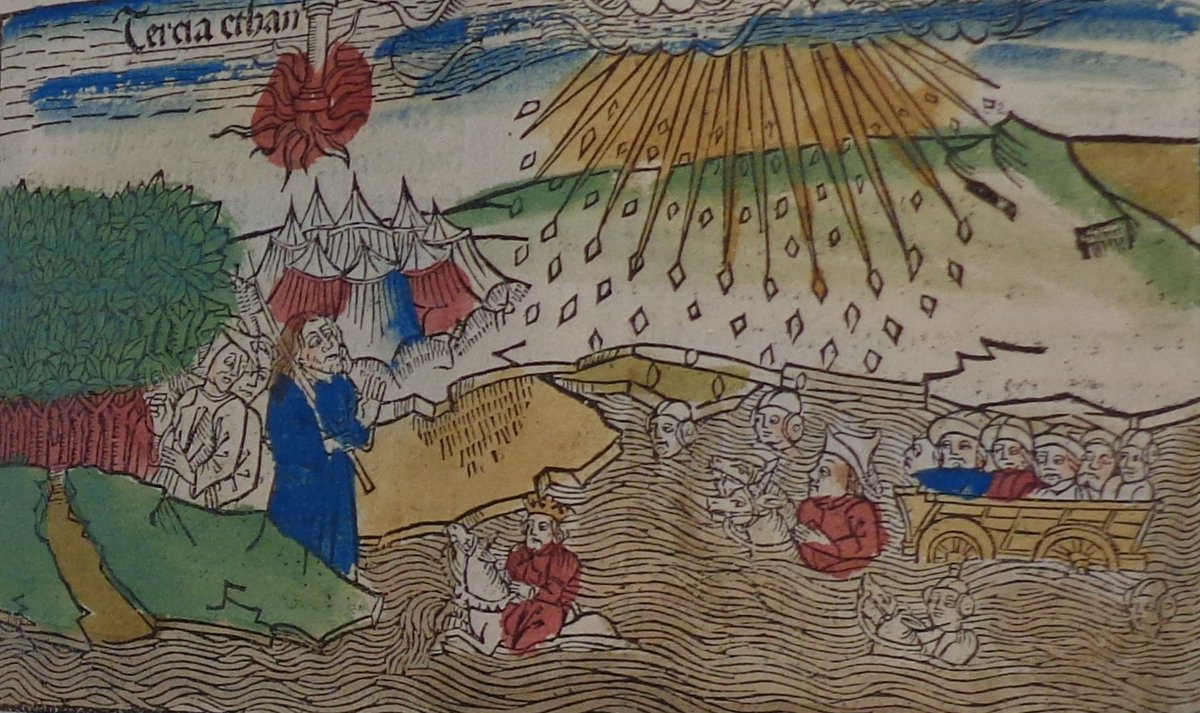
The Israelites having escaped safely to the other side, God instructs Moses to close up the waters and stop Pharaoh with his chariots and cavalry pursuing them in Exodus chapter 14. Medieval Woodcut of 1475 (WCL Inc.13)
The start of a 13th Century copy of Justinian's Codex shows
Emperor Justinian giving the law to his loyal subjects, and a page with a marginal drawing of a Queen's head by a law student. This was made in England (WCL F78).
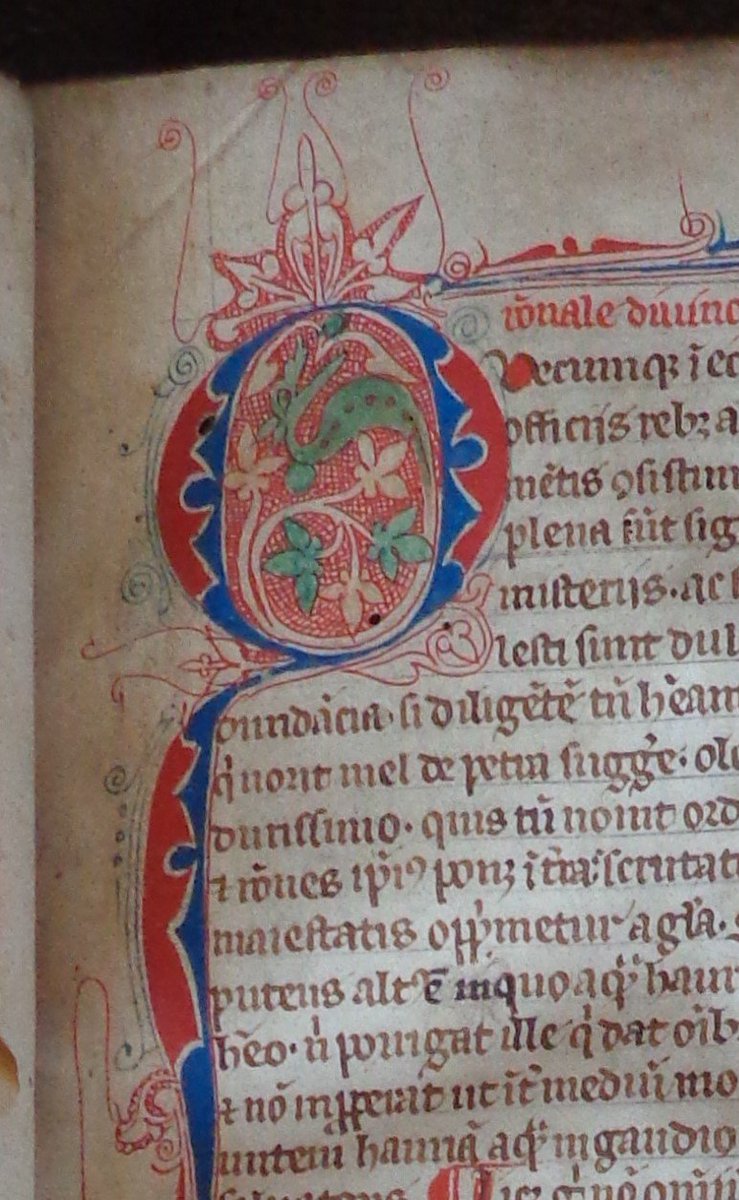
William Durand, a Frenchman who studied and worked in Italy, was a canon law expert but he also wrote a book all about Christian liturgy in the 13th Century in western Europe. This copy was made in the 14th C. (WCM F129 folio 1)
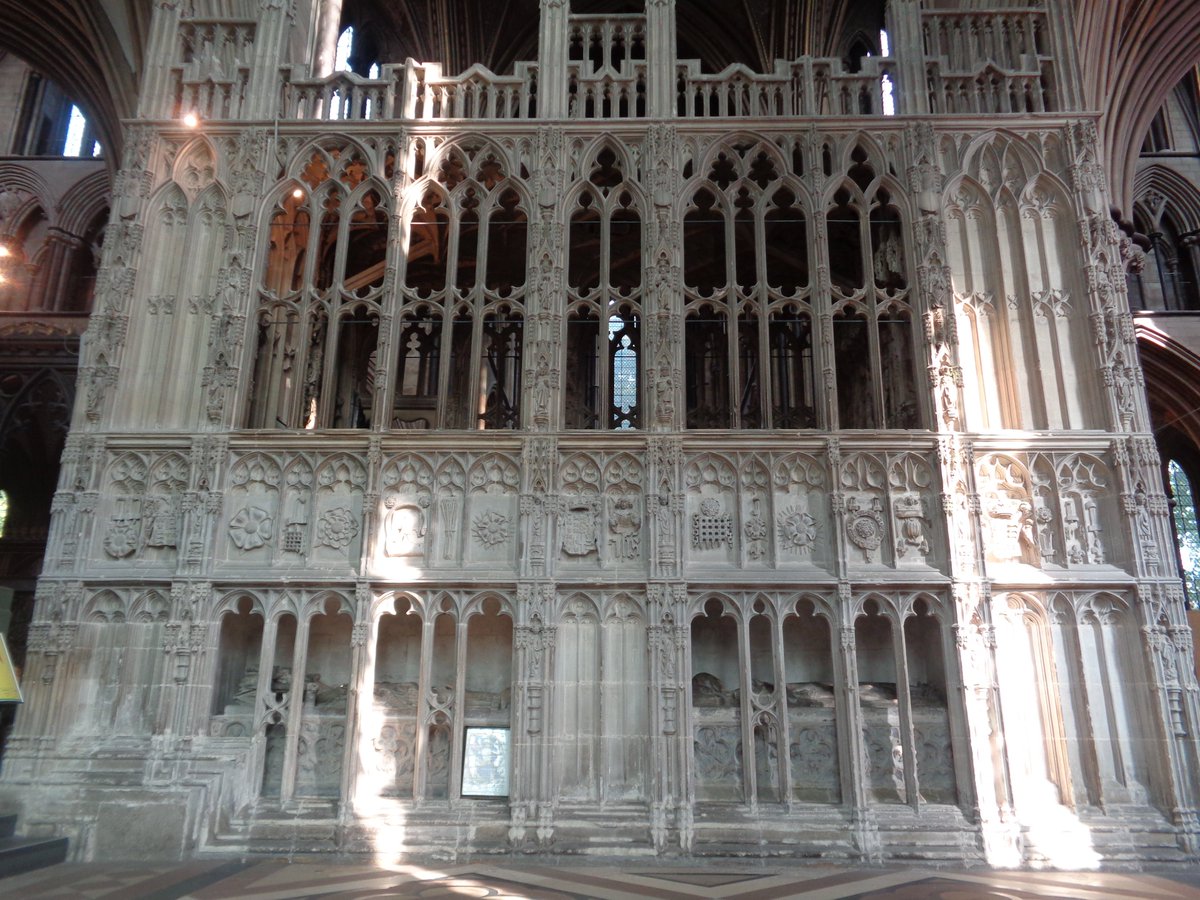
Prince Arthur Tudor's Chantry Chapel looking pleasant in the late summer sunshine. Below Arthur's chapel in the photo are two tombs of a medieval bishop (possibly Bishop Giffard) and a lady who may have been a kinswoman of the bishop.
A book written in English, for those whose first language is English and are able to read, is immediately accessible and the practical ideas that it contains can be put to use. Read about several such books, written in the 16th century, at https://t.co/qVYtVtgIXn
The library also has a large music collection which researchers can use. This is just one piece from the Baroque era by George Frederick Handel, 1685-1759.
This is from Stephen of Antioch's translation of 10th Century Muslim doctor Haly Ibn Abbas' medical book the Royal Disposition of Arguments. This is from the practical part of the work. This copy dates to the 12th Century.
This week's #ArchiveZ letter T could be for Tudors. This huge document is a general pardon issued by the first of the Tudors- King Henry VII. It is dated 24th June 1486. This was a pardon for all crimes committed before 23 April 1 Henry VII.
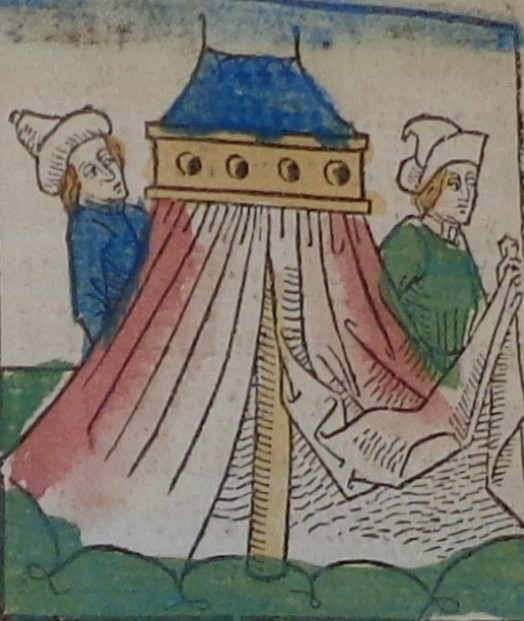
Medieval camping tip: wander off away from the tent and pretend to be busy doing something while the other person does all the hard work. (A 1475 depiction of Israelite camp on exodus from Egypt in the Bible. Medieval woodcut in WCL Inc. 13).
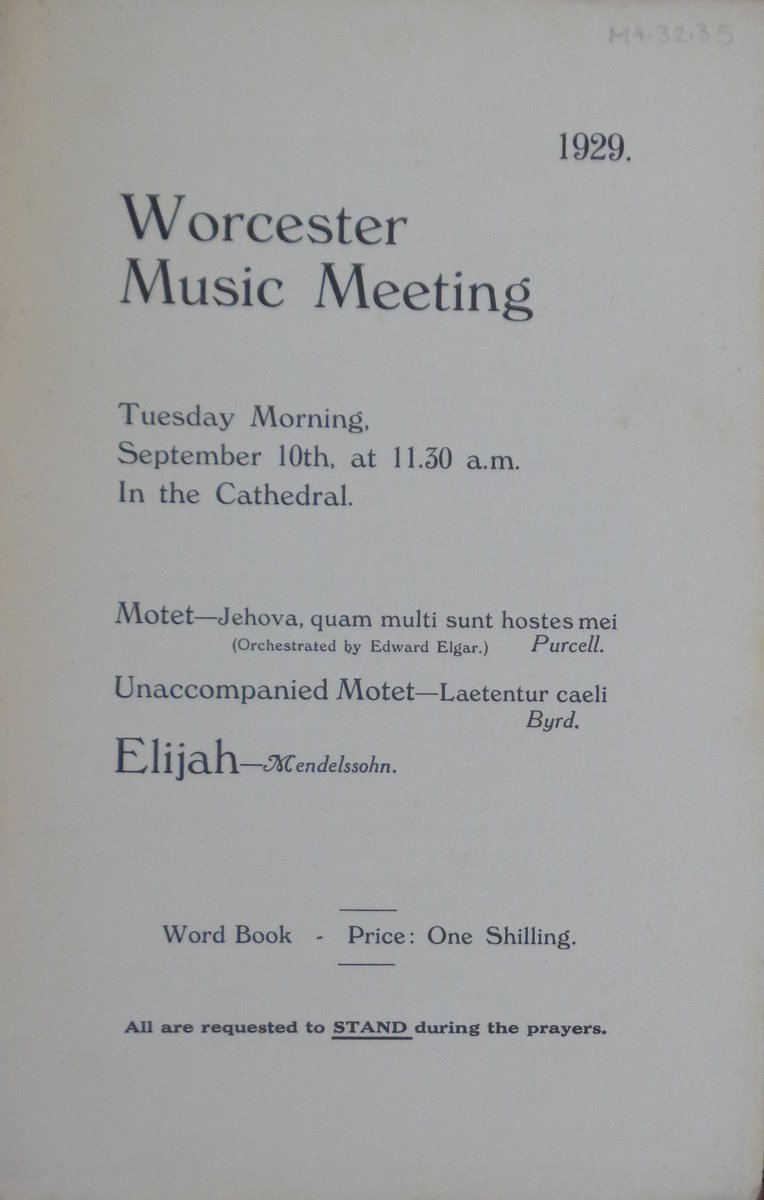
The Three Choirs Festival main programme from a pivotal year in the 20th Century- 1929 - and one of the concert programmes. The impressive list of patrons is interesting.
This week's #ArchiveZ letter S could be for signature. In this case Sarah, Duchess of Marlborough and wife of the famous General. She signed a counterpart lease with Worcester Cathedral for property in 1729 (WCM B2997).
In the 14th Century a vicar Willliam de Pagula went to Oxford to study law. He wrote a textbook on Canon law and theology. This is from a later copy of the Summa Summarum (WCL F131 fol.224r).