A record 1.2 billion young people will reach working age in emerging markets and developing economies between 2025 and 2035, making job creation one of the defining development challenges of the coming decades. https://t.co/hgxAZfTetw
The Global Findex '25 shows that women’s account ownership in low & middle income economies has reached 73% a major gain since 2021. Yet 700M women remain unbanked. Closing the gap requires tackling barriers & expanding access to digital financial services.https://t.co/YENrYlmWgv
Over 1 in 5 African youth are out of school and work. Discover three urgent priorities to revamp skills, TVET, and digital readiness across the region. https://t.co/LZ3TgX2N70
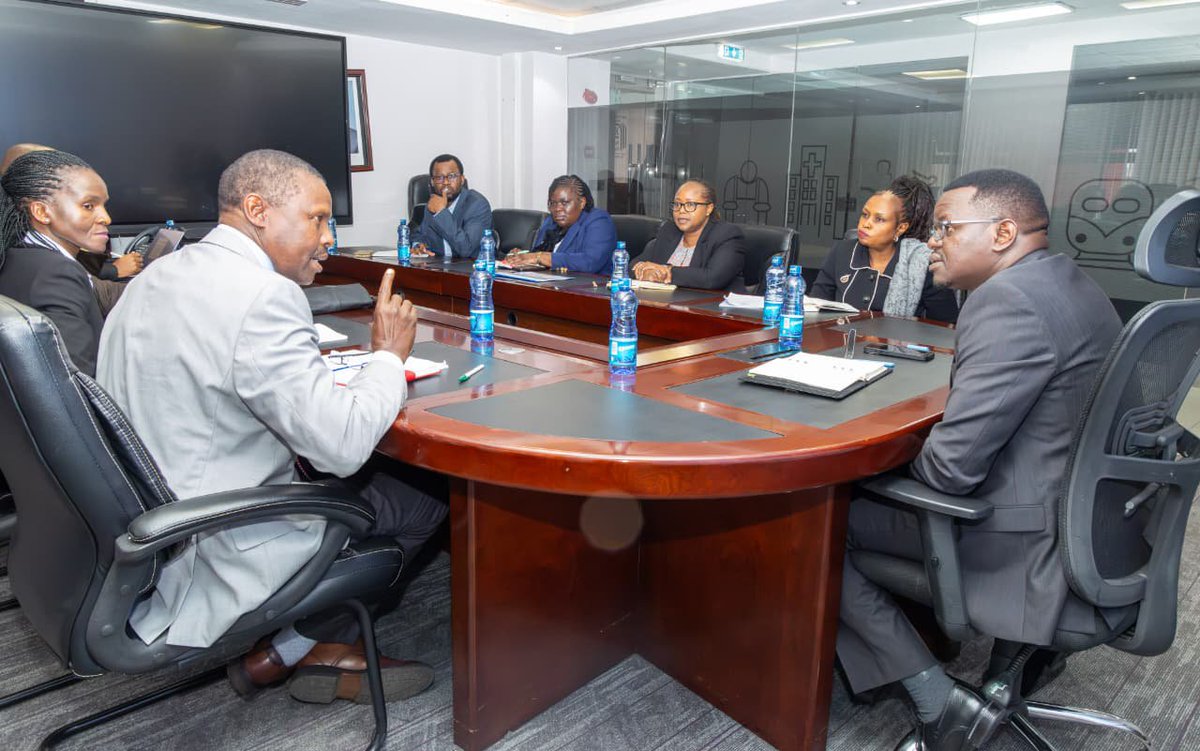
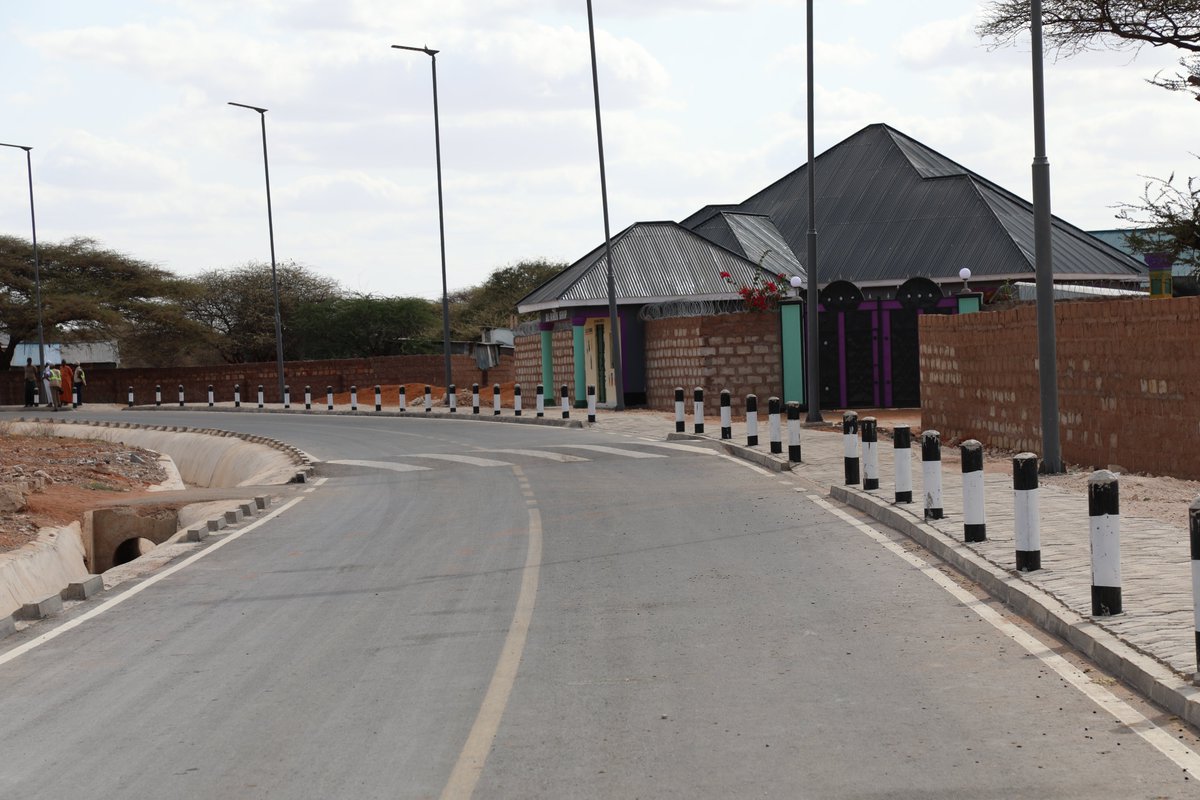
The Public Private Partnerships (PPP) Director General, Eng. Kefa Seda today welcomed a delegation from the World Bank and the Kenya National Highways Authority (KeNHA) who paid him courtesy call to discuss the proposed Nairobi–Mombasa Expressway.
The meeting focused on aligning the scope of the proposed expressway and the technical studies guiding its preparation, with a shared commitment to developing a modern, efficient, and sustainable transport corridor.
As Kenya's busiest transport artery, the Nairobi–Mombasa corridor is critical to the movement of people and goods, linking the Port of Mombasa to the country's hinterland and the wider East African region. The proposed expressway has the potential to enhance mobility, improve road safety, ease congestion, reduce travel time, and strengthen trade and logistics, supporting Kenya's long-term economic growth.
The engagement reaffirmed the importance of collaboration between government, development partners, and the private sector in advancing strategic infrastructure through Public-Private Partnerships. By harnessing private sector expertise and investment, Kenya continues to strengthen regional connectivity and reinforce its position as a leading hub for trade and investment.
@SDPI_AM@EngKefaSeda@KeNHAKenya@WorldBankGroup
#PPPKenya #PublicPrivatePartnerships #InfrastructureDevelopment #NairobiMombasaExpressway #BetterRoadsBetterLives
Today, Irrigation Principal Secretary @EphantusKim engaged with the @WorldBankKenya team and colleagues on the design of Kenya's proposed Results-Based Financing (RBF) mechanism as part of the implementation of the National Irrigation Sector Investment Plan (NISIP) - Kenya Resilient Irrigation for Sustainable Economic Empowerment (K-RISE) programme that will expand acreage under irrigation.
The discussions focused on establishing a national RBF platform that will leverage private sector participation to improve farmers' access to modern irrigation technologies, unlock innovative financing solutions, contract farming and aggregation, strengthen climate resilience, enhance food security, and accelerate sustainable irrigation development across the country.
The team also explored governance arrangements leveraging World Bank Energy team lessons from successful Results-Based Financing models to ensure an efficient, transparent, and impactful implementation framework.
The engagement reaffirmed the importance of strong collaboration between Government, the World Bank, the private sector, and other development partners in delivering Kenya's irrigation transformation agenda.
Building green infrastructure is one of the most powerful ways to make urban life more affordable in developing economies — while also creating more and better jobs for Africa’s growing urban population. https://t.co/x714f1rq79
Africa's $1 trillion food market is a jobs opportunity. See how AgriConnect is turning agribusiness into an engine of growth across Eastern and Southern Africa. https://t.co/6LmyIHoNy4
Attracting high-demand talent is a challenge for the #PublicSector.
Public workers with tertiary education earn only a 6% wage premium, compared to 18% for those with secondary education.
Reforming pay is key to hiring talent & improving performance: https://t.co/m1njcAuxzJ
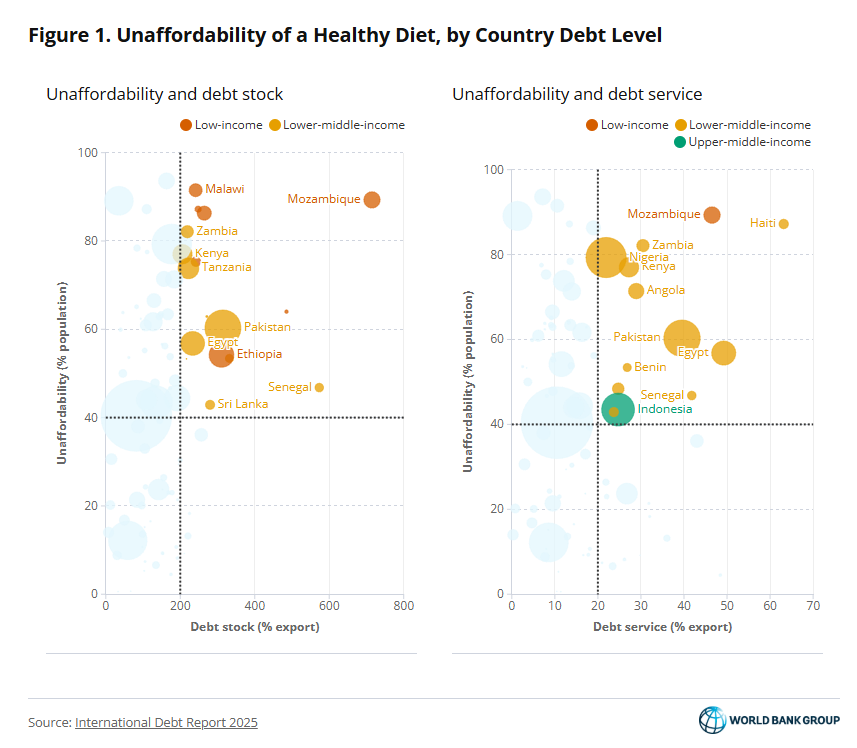
When debt rises, healthy diets become harder to afford. In countries with high debt burdens, millions struggle to access nutritious food putting health, productivity, and development at risk. https://t.co/djblkjniDi
Digital transformation is accelerating and so are cyber risks. Building secure, resilient, and inclusive digital futures is essential for sustainable development. The World Bank Group is helping countries turn cybersecurity strategies into lasting impact. https://t.co/GsR0K9Z3JP
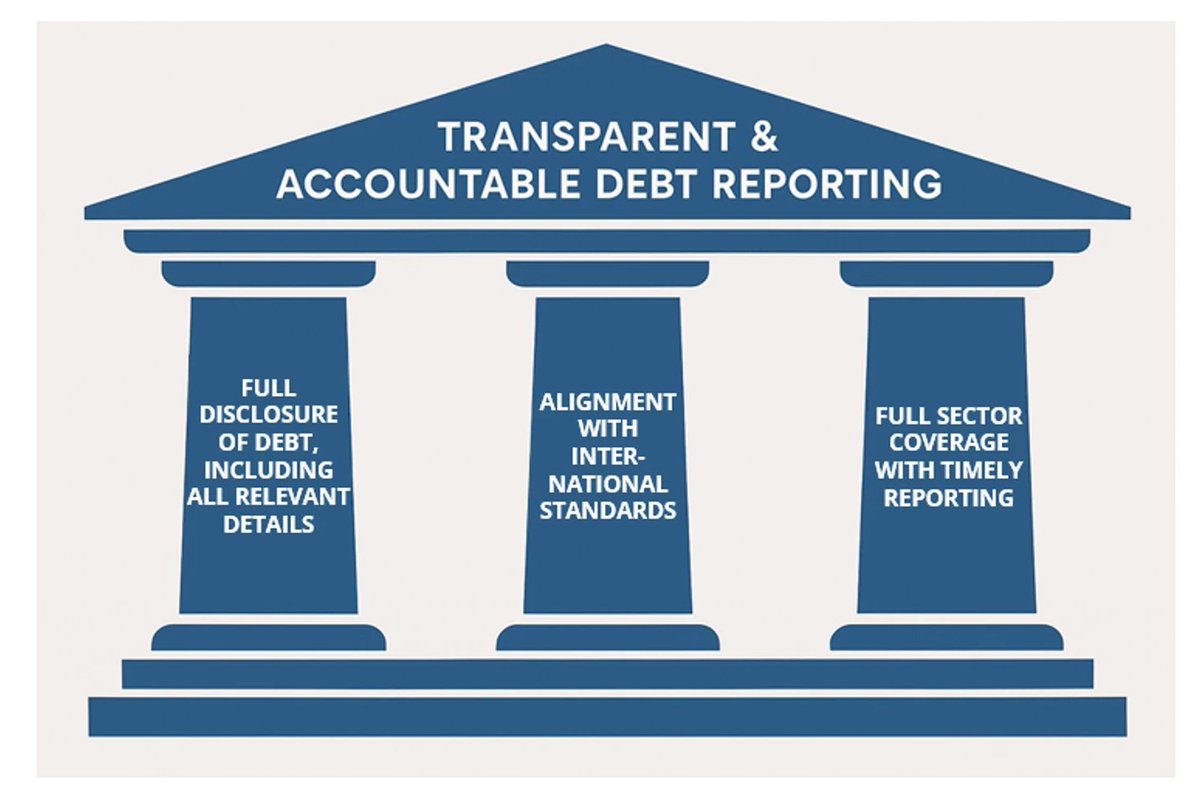
World Bank debt experts explain what debt transparency really means—why disclosure alone falls short, and how standards, coverage, and timely reporting make debt data comparable, complete, and decision-ready.
🔗https://t.co/mhErmaCyaC
Expanding financial inclusion strengthens development outcomes—supporting women's economic empowerment, job creation, entrepreneurship, resilience, and access to essential services such as electricity, clean water, and education. https://t.co/yDauu8rZsB
Strengthening agricultural credit systems, especially tailored agricultural loan products, loan recovery processes and embedded insurance and is essential to preserving and creating jobs, stabilizing food systemss, and supporting sustainable recovery. https://t.co/TyXYSjnOog
When disaster strikes, farmers aren't the only ones at risk — so are the financial systems that support them. Coordinated preparedness is the answer.https://t.co/TyXYSjngyI
More than 70% of the world's population now uses the internet, yet 2.2 billion people remain offline. New Atlas of Global Development data examine why connectivity gaps persist and what is needed to achieve digital inclusion. https://t.co/kxSkbIXTMn
Reducing water loss is a critical step for utilities toward improving creditworthiness, unlocking investment, and creating jobs. https://t.co/C0MIyPGCa7
As global demand for minerals and metals accelerates, resource-rich developing countries have a major opportunity to create jobs and strengthen economic resilience. Here are five ways the @WorldBankGroup is supporting that transformation. https://t.co/bwq3cLZ78t
New data on greenfield foreign direct investment show rapid growth in digital infrastructure and energy transition projects, reshaping where global investment flows and where future jobs may emerge. https://t.co/L1hWTjIyj1