Pasjonat wulkanów (amateur geoscientist). Lubię nauki ścisłe, muzykę metalową i miejską eksplorację (urbex). Umiarkowany liberał unikający polityki i religii.
Sentinel-2 satellite imagery shows a stunning before and after of where an underwater volcano in the Bismarck Sea is currently erupting.
Compare the images yourself: https://t.co/aMBhY746Su
Here is a very cool thermal view of the Bismarck sea- you can see the plume of warm water from the ongoing Titan Ridge volcanic eruption. https://t.co/OmXQQL9OQT
Terjadi erupsi G. Dukono pada hari Rabu, 13 Mei 2026, pukul 12:48 WIT tinggi kolom abu teramati ± 1500 m di atas puncak. Erupsi terekam di seismograf dengan amplitudo maksimum 12 mm dan durasi 48.12 detik. https://t.co/HRpNwAosCW via @id_magma
🚨Scientific note on the possible Central Bismarck Sea submarine eruption, 12 May 2026
Papua New Guinea.
A Darwin VAAC advisory issued at 04:47 UTC on 12 May 2026 reported a possible volcanic eruption from the Central Bismarck Sea volcanic centre, Papua New Guinea, near 3.02°S, 147.47°E.
The source elevation was listed as 1299 m below mean sea level, indicating a deep submarine volcanic source rather than an island or shallow reef volcano.
Himawari-9 satellite imagery indicated a possible volcanic ash cloud reaching FL090, approximately 9000 ft or 2.7 km above sea level, observed around 04:10–04:20 UTC.
The cloud was estimated to extend northwest from the source region and to be moving northwest at about 10 kt.
The advisory described the emission as continuous, but also noted that the volcanic ash was only partly identifiable among steam emissions and meteorological cloud.
🚨This is an important caution.
At approximately 1300 m water depth, the vent is under roughly 130 atmospheres of hydrostatic pressure.
Such pressure strongly suppresses gas expansion and explosive fragmentation compared with eruptions on land.
A classic dry ash column rising directly from the seafloor to several kilometres altitude would therefore be physically unexpected.
However, submarine eruptions at this depth can still generate fragmented volcanic material under the right conditions.
Volatile-rich magma can fragment within the conduit or during rapid decompression. Hot eruptive products can also drive powerful buoyant plumes through the water column.
Fine ash, volcanic aerosols, steam, acid droplets, and floating pumice may then reach the sea surface and form an atmospheric plume that satellites can detect.
🔶The most likely interpretation is therefore not a simple land-style ash column from 1300 m depth, but a mixed submarine eruption plume: hot volcanic gas and fragmented material rising through seawater, producing a steam-rich surface plume with some entrained ash or aerosol.
The satellite signal may be complicated by meteorological cloud, which is why the VAAC wording remains cautious.
The Central Bismarck Sea region is already known for submarine volcanic and tectonic activity.
SOFAR/hydroacoustic signals resembling those from known submarine eruptions were recorded there in January 1972, near the junction between transform and spreading segments of the South Bismarck plate margin.
The current advisory is therefore consistent with an active submarine volcanic setting.
🔶Summary
An ash-bearing cloud from a volcano listed at 1299 m below sea level is unusual but plausible if the atmospheric feature is a steam-dominated plume carrying fine ash or volcanic aerosol, rather than a dense eruptive column emitted directly from the seafloor.
Further confirmation would require additional satellite analysis, hydroacoustic/seismic data, sea-surface observations, or reports of pumice, discoloured water, sulphur odour, or ashfall.
Kepala Kantor Basarnas Ternate Iwan Ramdani menyampaikan hingga sore ini Tim SAR Gabungan berhasil mengevakuasi 17 orang pendaki Gunung Dukono di Kabupaten Halmahera Utara Provinsi Maluku Utara yang terdampak erupsi. Sebelumnya dikabarkan ada sekitar 20 orang pendaki yang nekat naik, padahal status Gunung Dukono dilarang aktivasi untuk pendakian. Dari 20 orang pendaki diantaranya ada 9 orang WNA dari Negara Singapore, 3 orang warga Indonesia, dan 8 orang Guide. Sebelumnya ada beberapa pendaki yang sudah berhasil turun, akan tetapi ada juga sejumlah lainnya harus di evakuasi akibat mengalami cedera dan sakit.
Hingga sore ini, dari 20 pendaki yang berhasil di evakuasi Tim SAR Gabungan sudah ada 17 orang yang diantaranya 7 orang WNA dan 10 orang dari WNI, sementara 3 orang masih dalam proses pencarian diantaranya 2 orang WNA dan 1 orang lagi WNI. Menurut Iwan, saat ini sejumlah pendaki masih mendapatkan perawatan kesehatan di posko gabungan dan langsung dilarikan menggunakan ambulans ke sejumlah Puskesmas maupun Rumah Sakit terdekat. Sementara itu hingga pukul 18:00 Wit cuaca di Gunung Dukono mulai turun kabut tebal, sehingga proses pencarian akan dilanjutkan besok. Jum'at, (8/5). Ens
Zebrałem wszystkie dzisiejsze informacje w jednym wpisie na blogu. Jak macie czas, to zerknijcie i przeczytajcie. To dobra okazja, by napisać na blogu o tragedii na wulkanie Dukono.
Będę wdzięczny za udostępnienia. #Dukono#Indonezja#Halmahera Link: https://t.co/Ol534KgRbT
Silna erupcja wulkanu #Dukono#Indonezja#Halmahera zabija trzy osoby. Kolumna popiołu nad wulkanem sięga wysokości 11 km. Trwa akcja poszukiwawczo-ratownicza.
Mud volcano in southwestern Taiwan. The water level is about 3 m lower than the level during my last visit. Still, lots of gas coming out from the mud pool.
Tonga has another island... again. Home Reef growing by the day. They checked the once explosive Hunga Tonga–Hunga Haʻapai and it is silent. https://t.co/SoBMux8yuQ
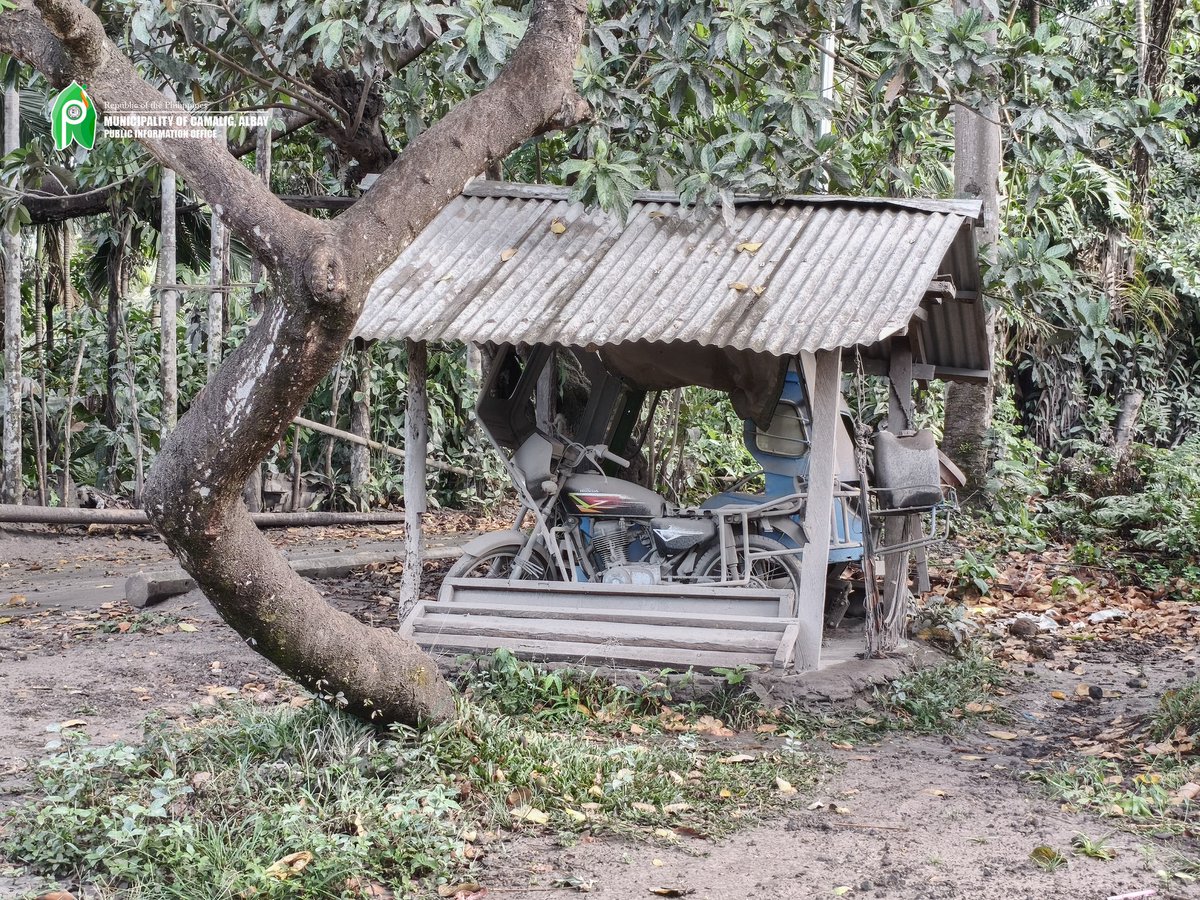
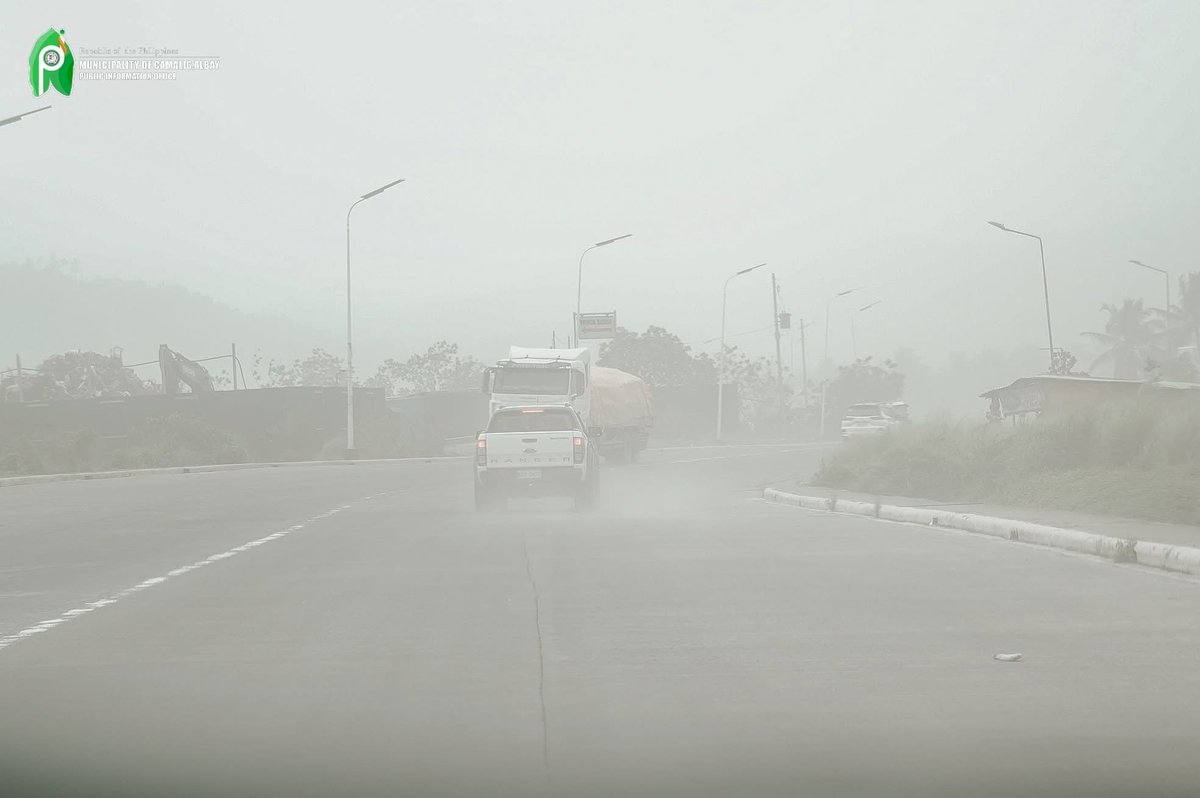
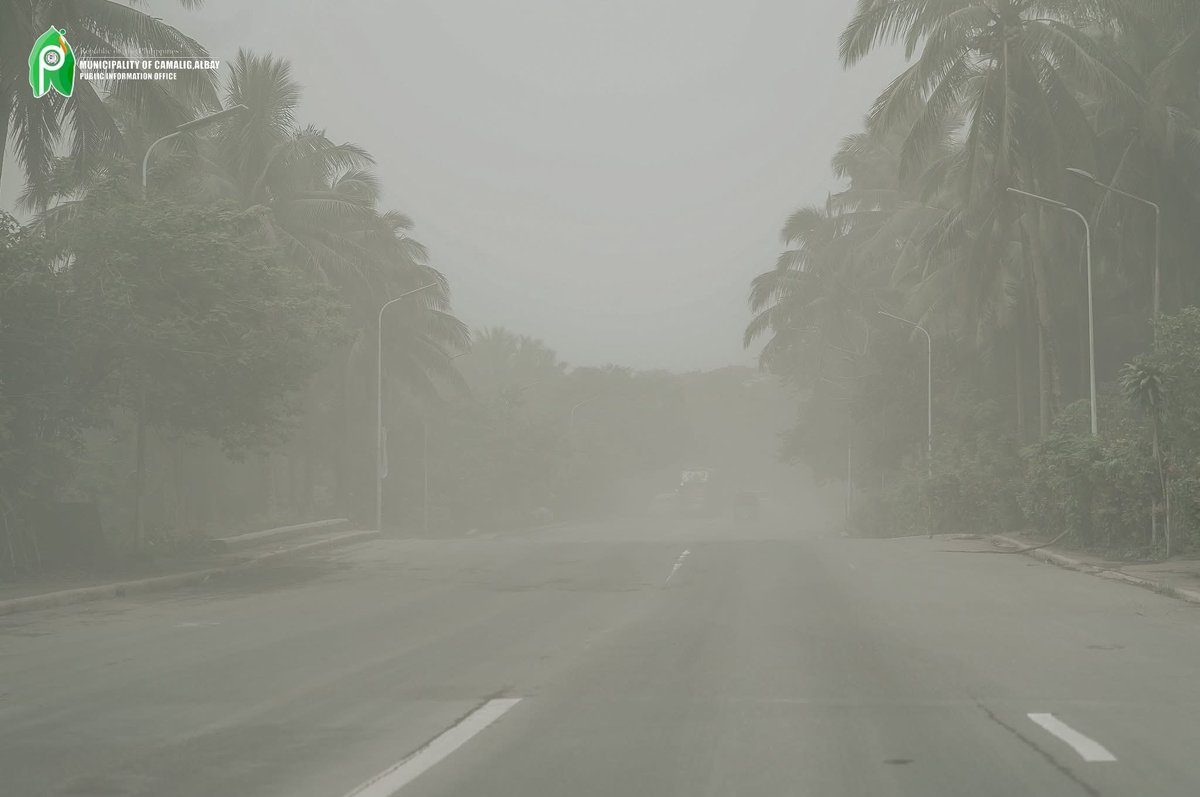
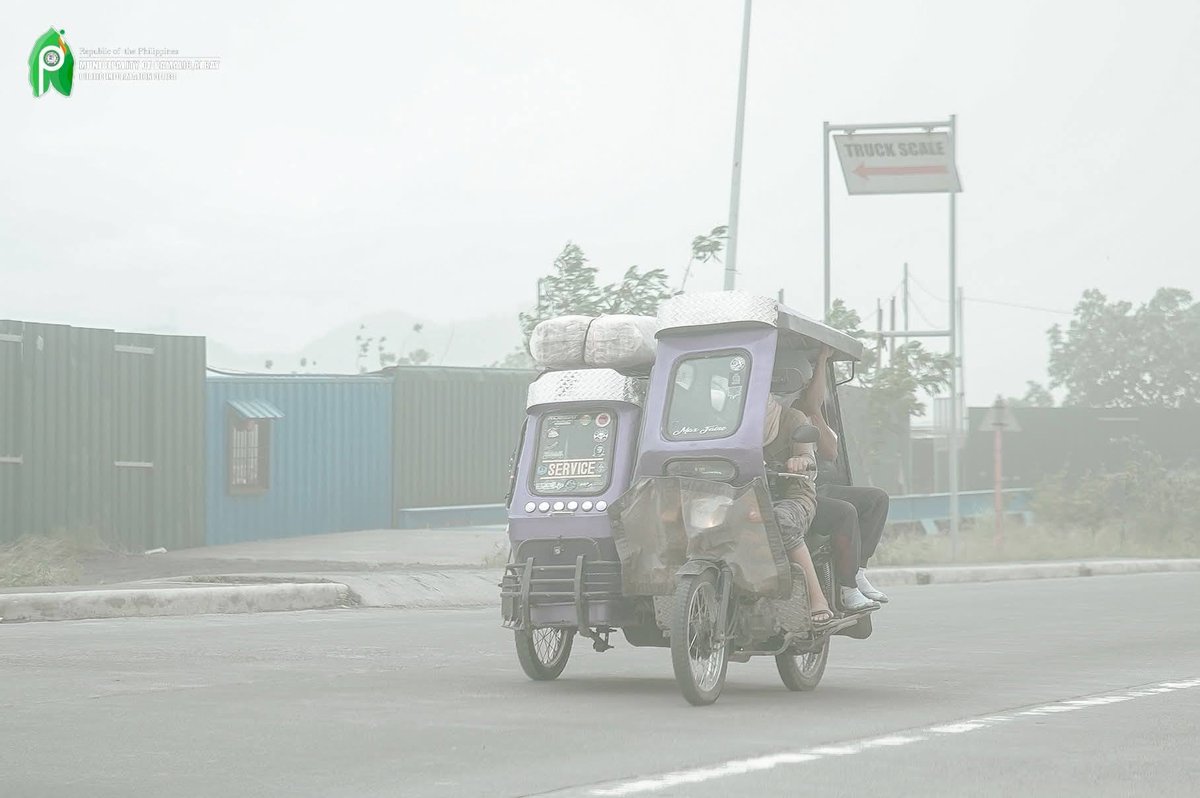
ASHFALL BLANKETS CAMALIG AFTER PYROCLASTIC EVENT
Aerial and ground images shared by Camalig Mayor Caloy Baldo showed ashfall across several barangays early Sunday, May 3, following an ash and pyroclastic event from Mayon Volcano.
The local chief said a lava flow collapse on the volcano’s southwestern slopes at around 5:38 p.m. on May 2 triggered a pyroclastic density current, sending ash over the town and nearby areas.
📸 Mayor Caloy Baldo
🌋Dramatic Pyroclastic Flow from Mayon #Volcano in the #Philippines!
A powerful event unfolded today, May 2, 2026, as Mayon Volcano in Albay province erupted with a fast-moving pyroclastic density current (known locally as "uson") racing down the southwestern slopes around 5:38 PM. Lava dome collapse triggered the flow, sending ash plumes billowing into the sky and causing heavy ashfall in nearby areas like Guinobatan and Camalig.
Piton de la Fournaise, one of Earth’s most active volcanoes, has erupted since Feb 13, 2026.
Lava just crossed RN2 after 19 years... And now it’s hitting the ocean off Réunion Island.
[📹 asap436asap]
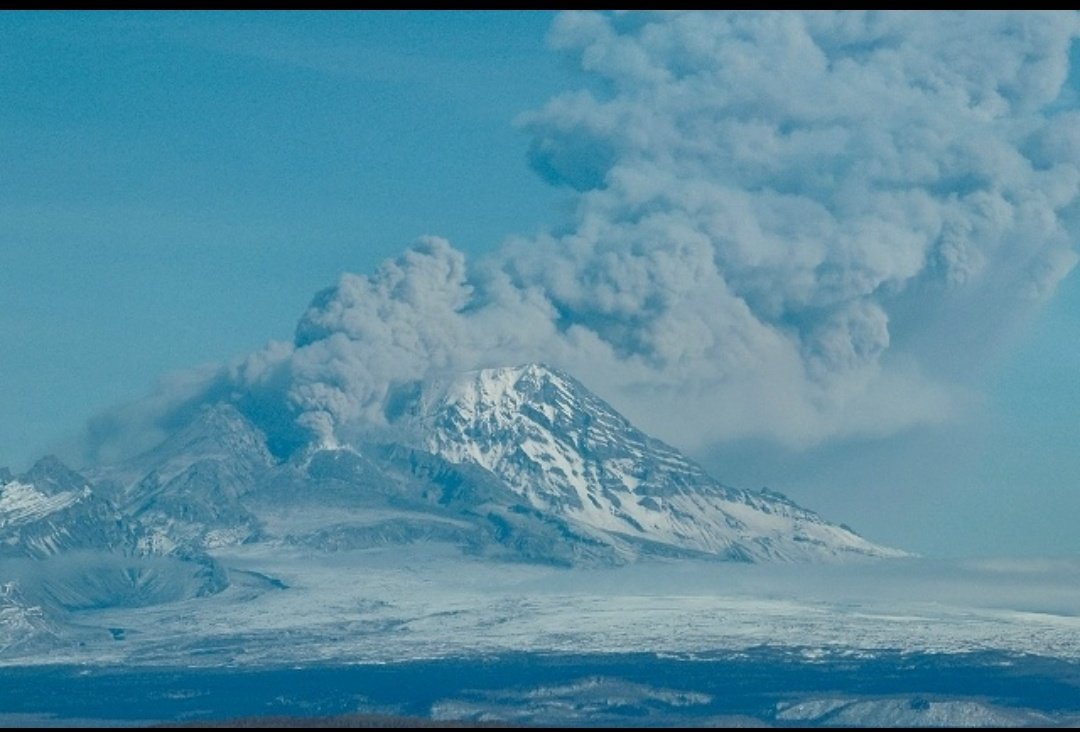
VOLCANES 🌋 Desde las 8 am, se reporta leve pulso de cenizas desde el volcán #Láscar, región de Antofagasta.
La dispersión de la columna se extiende hacia el norte (N) y nor-noroeste (NNW).
Se mantiene alerta técnica en nivel verde. 🟢 Imágenes desde Toconao.
IN PHOTOS │Mayon Volcano belched the largest pyroclastic density current (PDC) or ‘uson’ yesterday morning, showering villages around it with ash, according to the Philippine Institute of Volcanology and Seismology (Phivolcs). Photo shows a wall of ash blocking the view of its almost perfect cone.
MDRRMO-MRETU
👉 For the latest news, visit https://t.co/rmQCnNSOvI