Our search deadline for a new colleague in any area of Watershed Sciences is fast approaching. Come work with us in @USU_WATS and @QCNRUSU! As anyone that has talked with me lately knows, I'm stoked to be here--professionally and personally.
Job ad: https://t.co/7LoZf8qocI
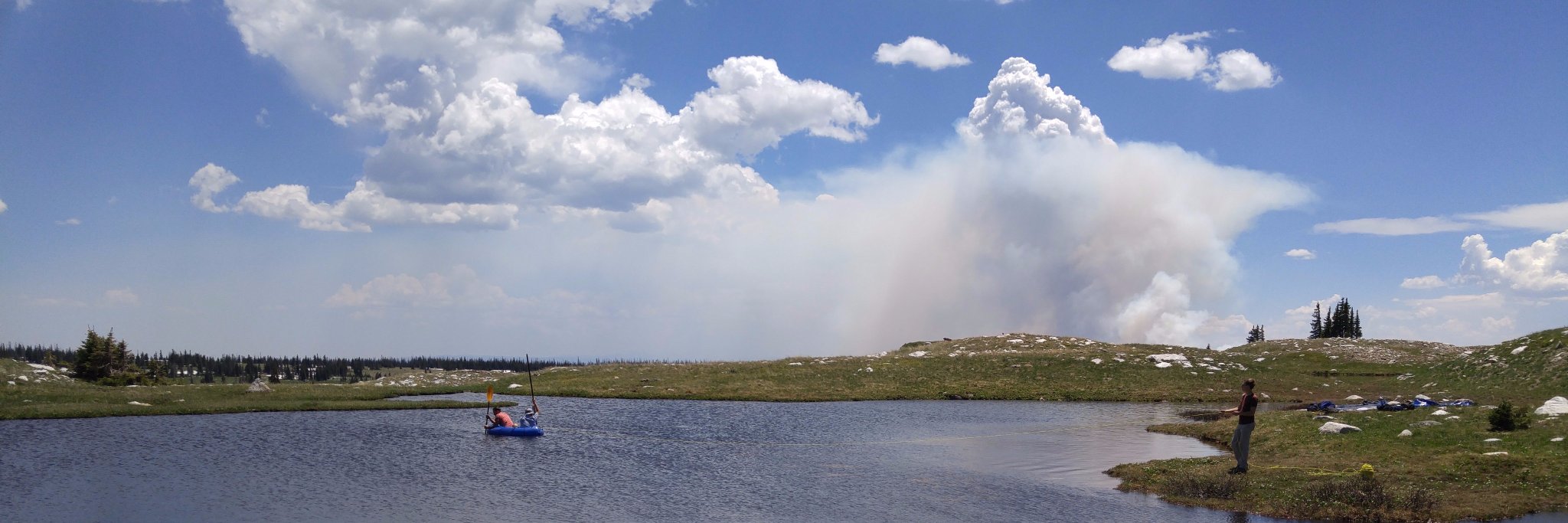
This Wednesday I will be discussing how molecules buried in lake sediments can unlock thousands of years of herbivore history in Yellowstone National Park and beyond!
Join Wednesday Nov. 1 at noon. Link below.
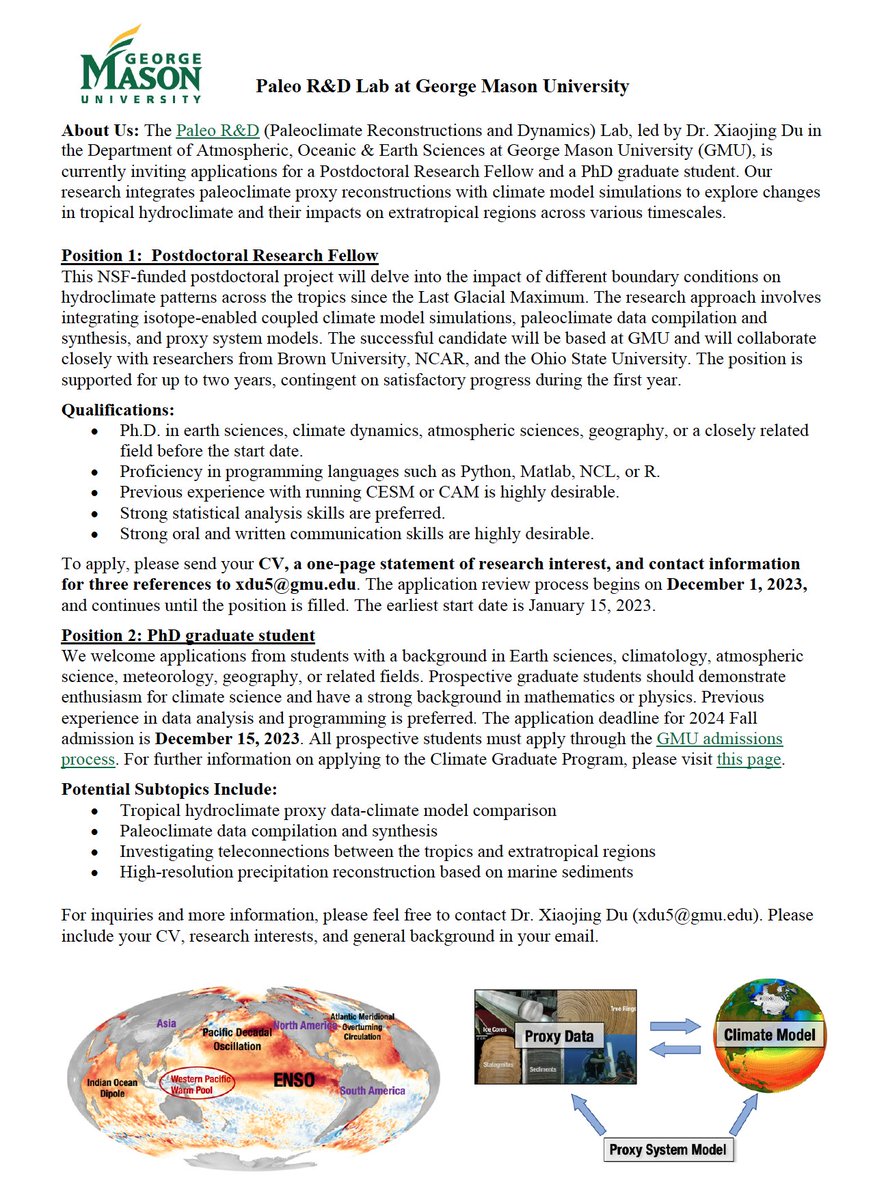
📢We are hiring! Passionate about tropical hydroclimate & its impacts on extratropical regions? Join us at the Paleo R&D Lab (Paleoclimate Reconstructions and Dynamics)@MasonAOES, for exciting opportunities as a Postdoc or PhD student! Pls spread the word & email me for more info
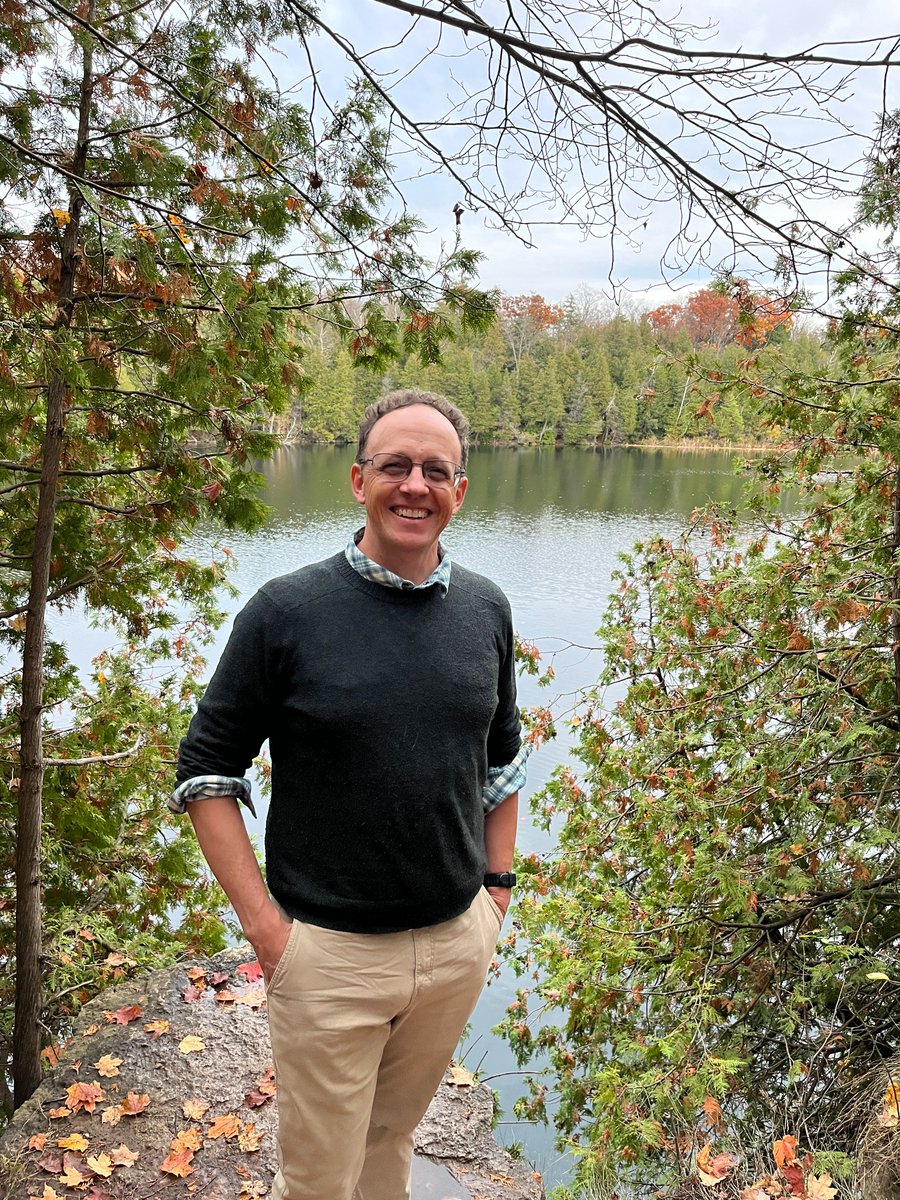
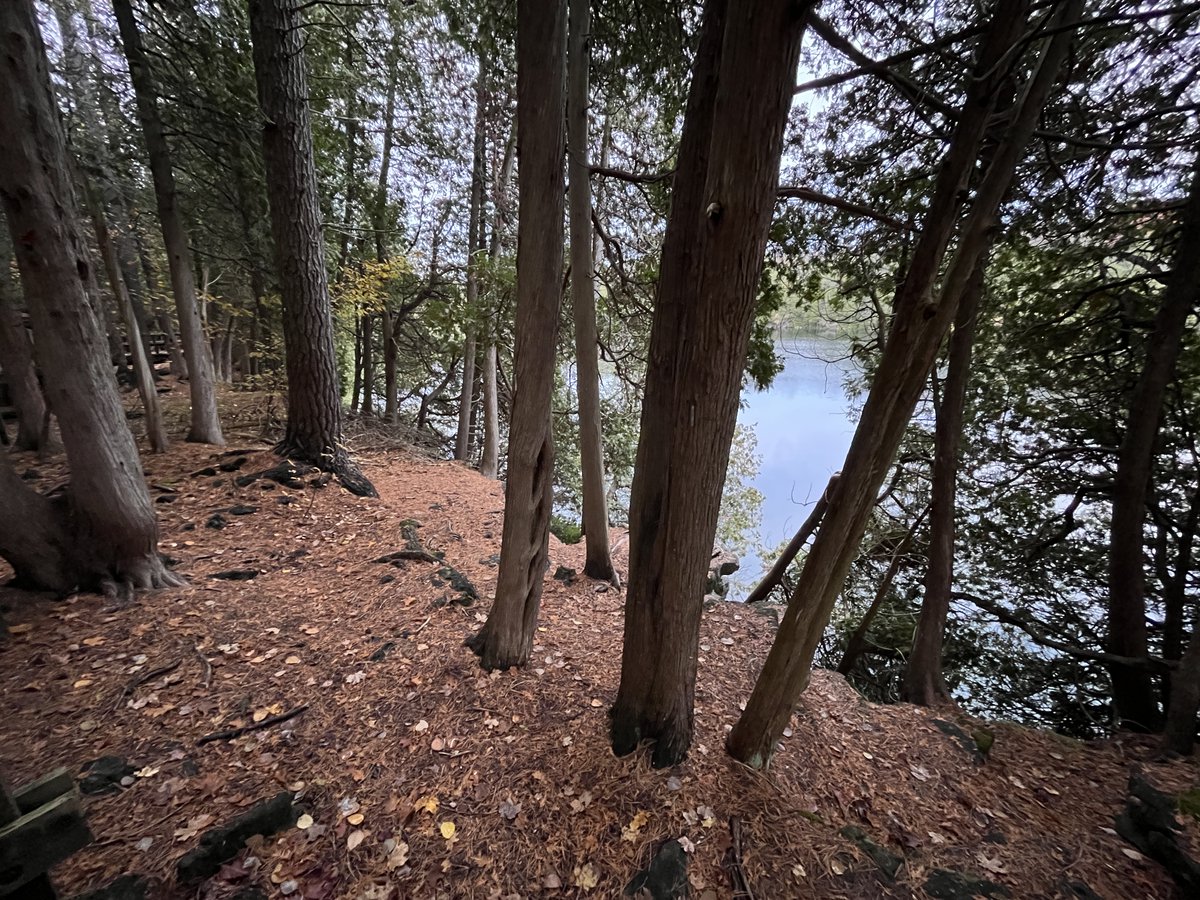
@utmpaleolab - Thanks for the interesting hike today around Crawford Lake, home of the potential #Anthropocene type section (as well as interesting Holocene records).
I'm sorry to hear this story. Its too familiar and more of us (men) need to pay attention. Keep at it @KuglerovaStRipE - Sounds like you have ideas worth listening to the first time!
I read this today, after a meeting with 4 male colleagues who, after 3 years of me suggesting certain analyses of our data, finally decided that this is a good approach. Because another man (newly added member) suggested it today. I feel defeated, paralysed and drained. 😡😫👇
Interested in #macroecology, #remotesensing & #rewilding - check our open 2-year postdoc position @EconovoAU in Aarhus, Denmark 🌿🛰️🦬🦓https://t.co/bV65mkmdhR - application deadline Nov 1🏃♀️🏃♂️🏃🏾♀️
Attention paleo tweeps: The Wash U Climate and Paleoclimate Lab in .@WUSTL_EEPS is recruiting Ph.D. students for Fall 2024! More info: https://t.co/un3P8b1U1X
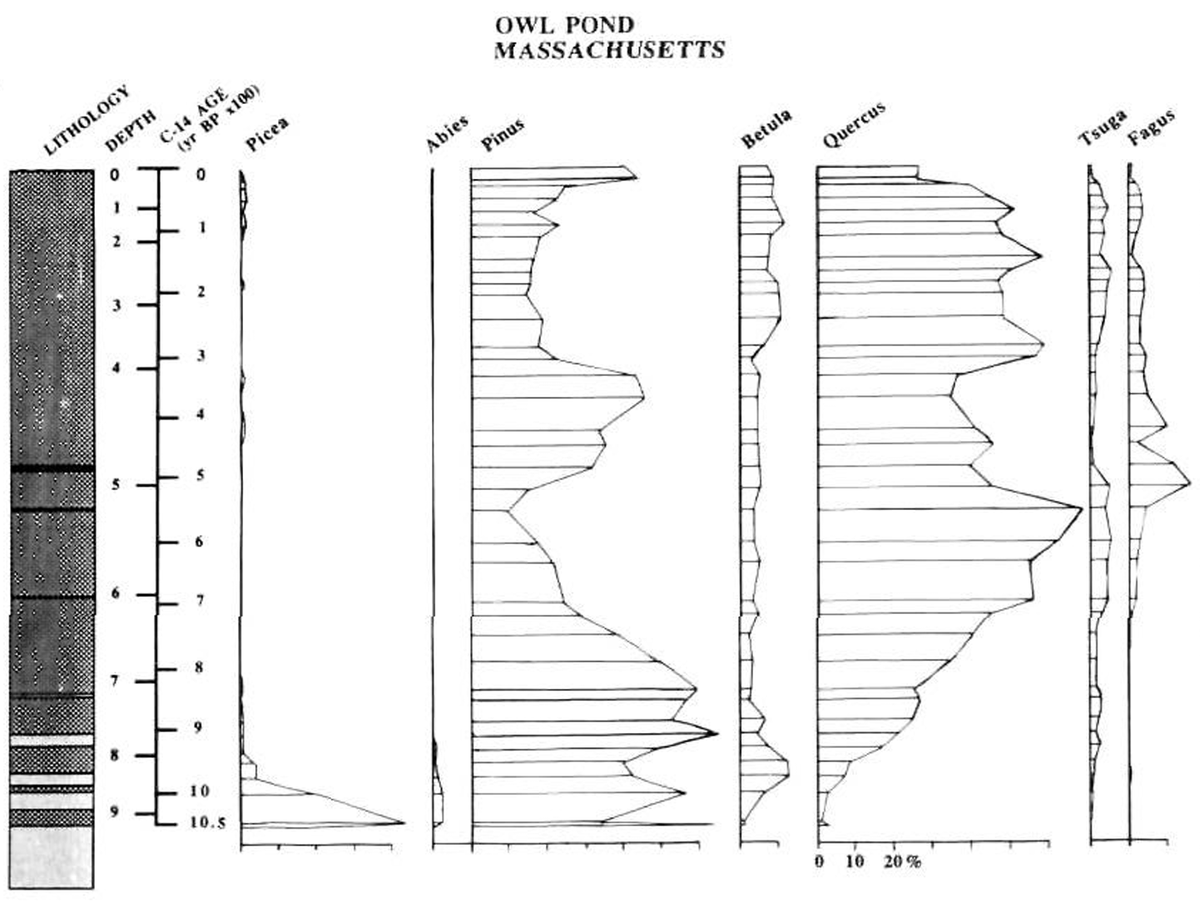
A plausible response to our new GRL paper: "Isn't the hemlock decline just driving the pattern?"
Don't assume the decline is disconnected from climate. Doing so does not do much to explain pollen diagrams like this one from Tzedakis (1992). Hard for hemlock to drive the pattern.
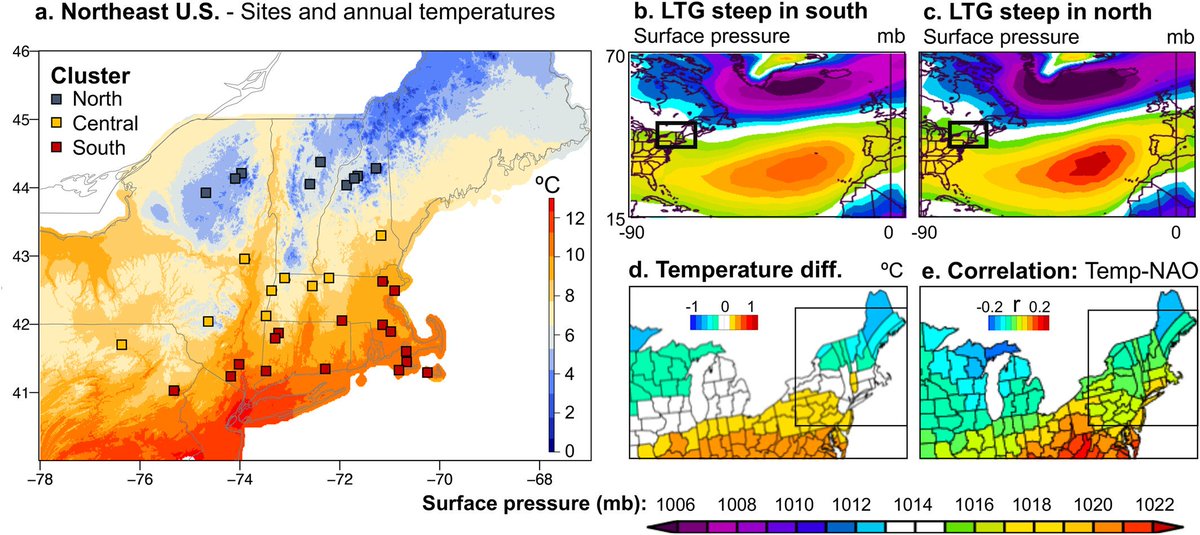
Millennial fluctuations in the Latitudinal Temperature Gradient - new paper in GRL - Holocene data from >30 New England lakes show temperature patterns like that associated with NAO today.
https://t.co/s7DEaKtPwT
This paper was stimulated by work @HarvardForest@USLTER and focuses on the New England hardwood-oak ecotone there, which appears to have shifted with temperature. (Stay tuned for other paleo-ecotone work from Michigan by Sam Wiles and @IceAgeEcologist!)
Millennial fluctuations in the Latitudinal Temperature Gradient - new paper in GRL - Holocene data from >30 New England lakes show temperature patterns like that associated with NAO today.
https://t.co/s7DEaKtPwT
Patterns of change also appear consistent with ocean variations - and isotope data from @MkirbyE and others. Building on insights from https://t.co/QLRE7sMvpN and climate reconstructions from @IoanaBiomarkers