Kathy Hochul has made it unaffordable to live in New York, and people are struggling to pay their bills.
As Governor, I will DOUBLE the STAR tax relief program to deliver real money back to you.
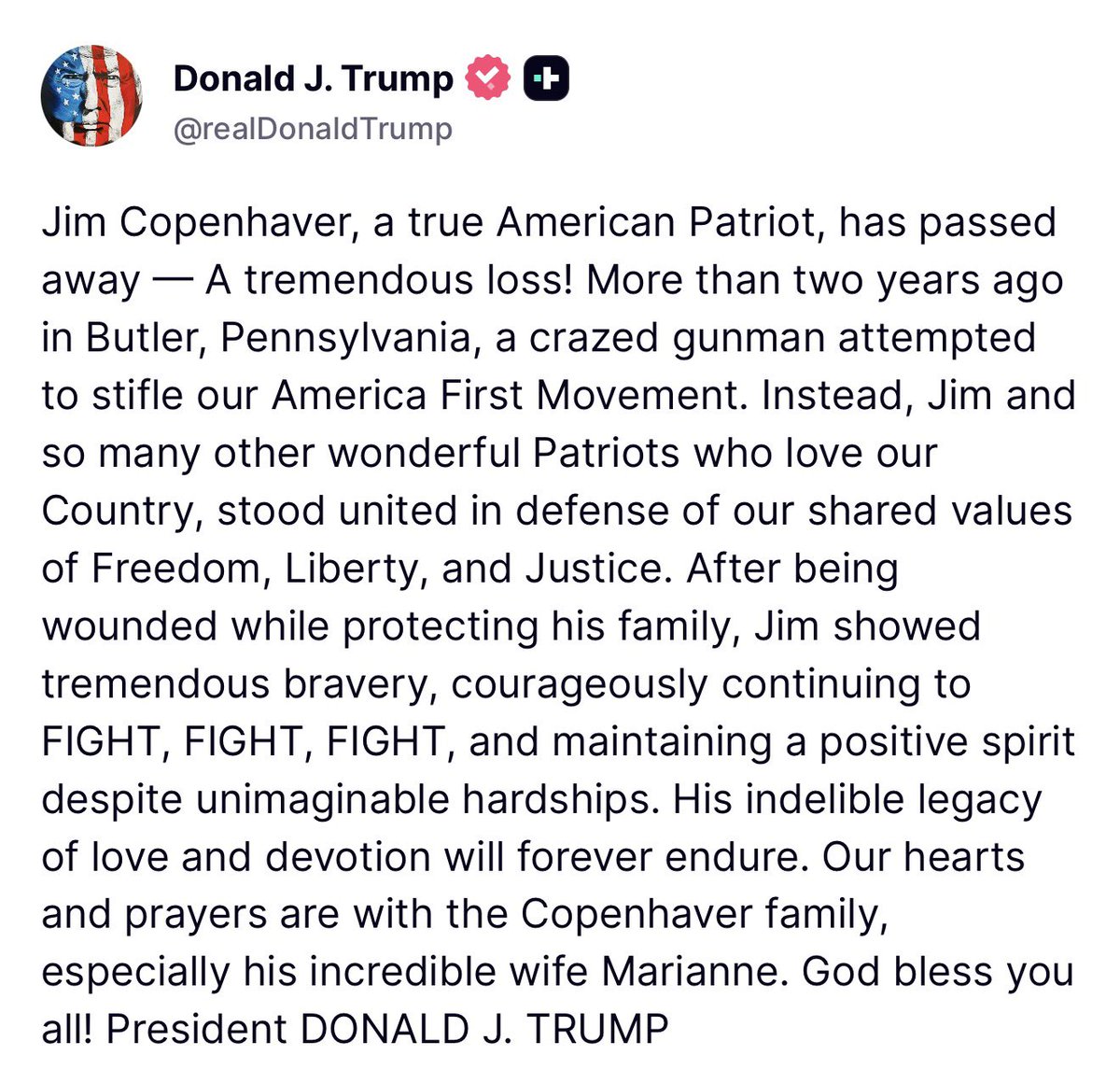
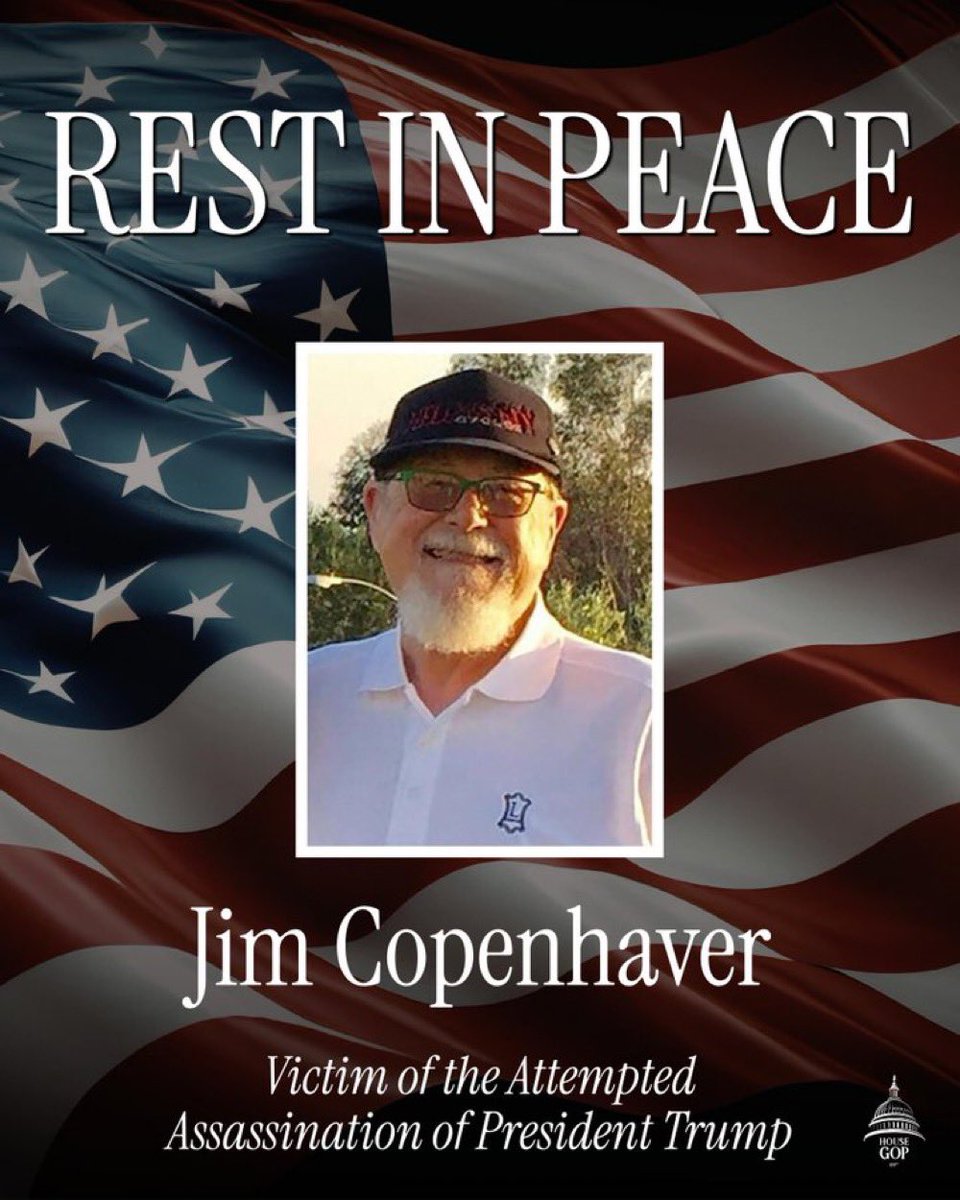
Rest In Peace Jim Copenhaver
On July 13, 2024, Jim went to Butler to hear President Trump speak.
A left-wing psycho opened fire on the President and struck multiple supporters in the crowd. Corey Comperatore was killed. Trump was hit in the ear. Jim was shot twice once in the arm, once in the abdomen.
He fought for two years after that day. Multiple surgeries. Permanent injuries. Bullet fragments still in his body.
Left-wing violence has very real and deadly consequences. This evil must be rejected.
Pray for Jim’s family 🙏🏻
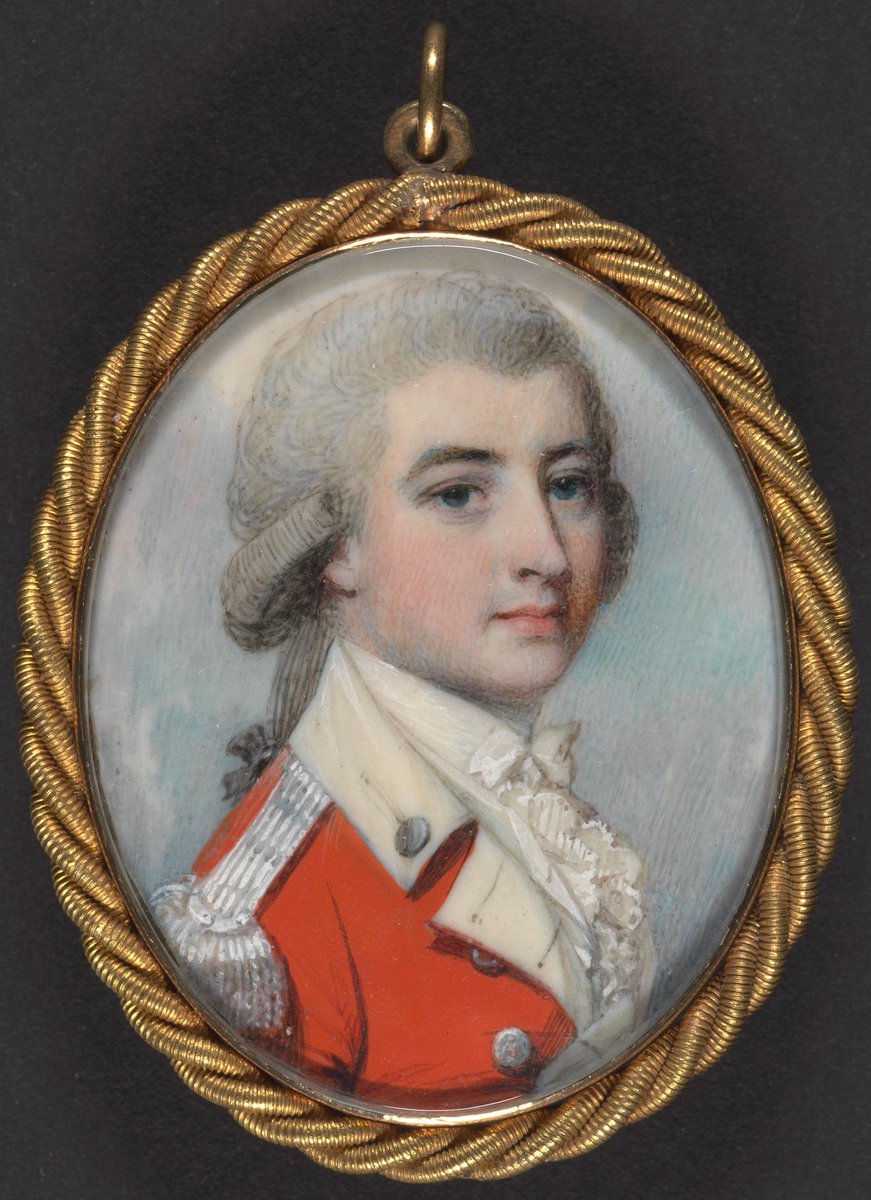
On this day in 1780, a captured enemy spy sat down and wrote a letter to George Washington that would help seal his own death, and he did it with such grace and dignity that the Americans who condemned him ended up mourning him almost as one of their own. His name was Major John André, and his is one of the most tragic stories of the entire war.
The day before, three militiamen had caught André on a road with the plans of West Point hidden in his boot, unraveling Benedict Arnold's treason. André had been traveling in disguise under a false name. He could have kept lying. Instead, on September 24, he wrote to Washington and told the truth. He revealed that he was Major John André, adjutant general of the British army, and he laid out his account of how he had ended up behind American lines. He did not grovel or make excuses. He wrote as an officer and a gentleman who had been caught by bad luck in the service of his country, and he asked only that he be judged accordingly.
That was the heart of André's tragedy. He had come ashore in uniform to meet Arnold, which would have made him a legitimate officer on a mission. But circumstances forced him to return by land, and he ended up out of uniform, in civilian clothes, carrying secret papers through enemy territory. And by the iron rules of war that everyone accepted, that made him not a soldier but a spy. And spies were not shot. Spies were hanged.
Washington convened a board of his senior officers to judge the case. They liked André immediately. He was young, brilliant, charming, cultured, an artist and a poet as well as a soldier, and he faced them with complete honesty and composure, never trying to wriggle out of the facts. To a man, they wished they could spare him. But the facts were the facts. He had been caught out of uniform with the plans of West Point in his boot. There was only one verdict the rules allowed. The board found him to be a spy, and the sentence was death.
André made one last request, and it is heartbreaking. He did not beg for his life. He asked only to die like a soldier, by firing squad, rather than be hanged like a common criminal. He wrote to Washington asking for that one mercy, that if there was anything in his character that earned esteem, he be granted an honorable death. Washington, who reportedly admired André as much as anyone, could not grant it. The law of war was clear, a spy was hanged, and to shoot him would have been to admit doubt about the justice of the sentence. So the answer, painfully, was no.
On October 2, they hanged him at Tappan. And the manner of his death only deepened the legend. He met the gallows with astonishing calm, even helping to adjust the noose and blindfold himself. Hardened American officers who witnessed it openly wept. They had killed an enemy, and they grieved him.
Here is the bitterness at the center of it all. The charming, honorable young André, who was really only a go-between, paid with his life. And Benedict Arnold, the actual traitor, the American general who sold out his own country, escaped clean to the British and lived out his days in comfort. Many on both sides felt the wrong man had died. Decades later the British moved André's remains to Westminster Abbey, an honored resting place among their nation's greatest.
Remember John André, not as a hero of the American cause, he was its enemy, but as a reminder that this war was full of human beings on every side, and that even in the hard business of hanging a spy, the men of the Revolution could recognize courage and honor in the face of the man they were sending to die.
Rest In Peace to Butler survivor Jim Copenhaver.
Jim was one of the two men in the bleachers on the right side (as seen from the front) that were hit by the Crook's bullets.