Happy #ManufacturingDay!
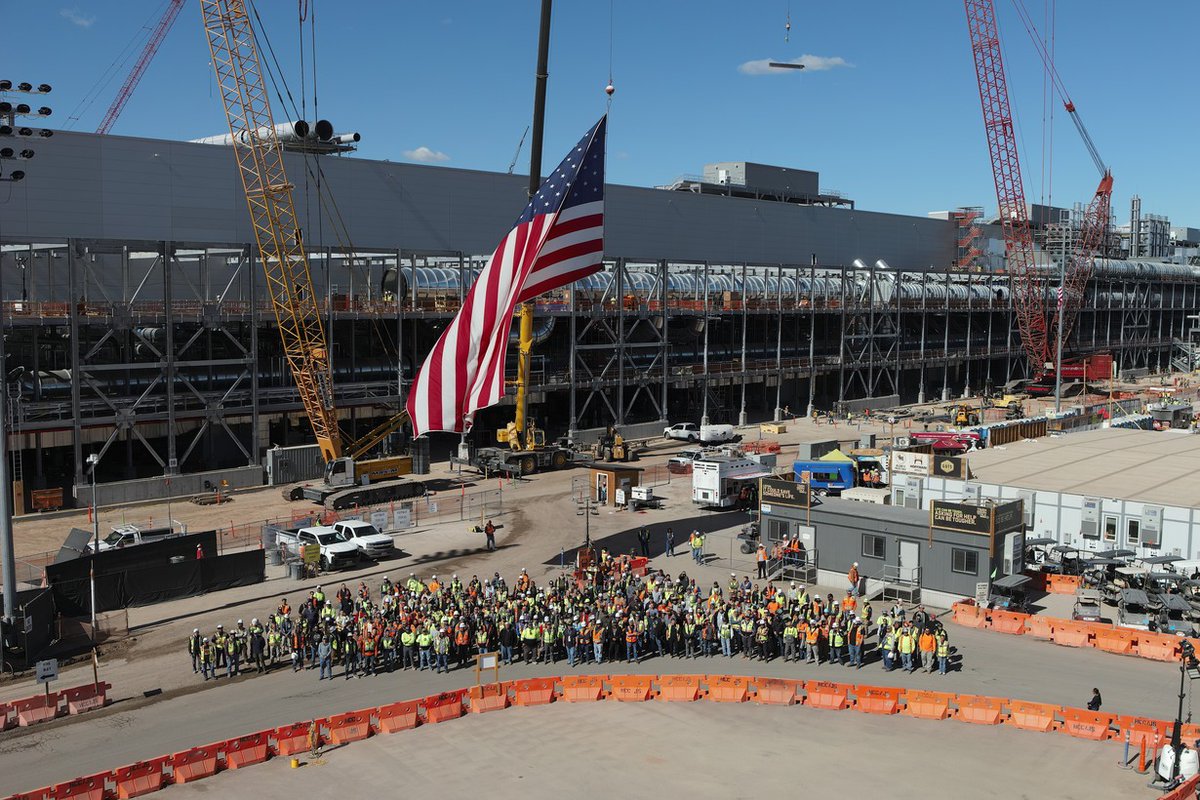
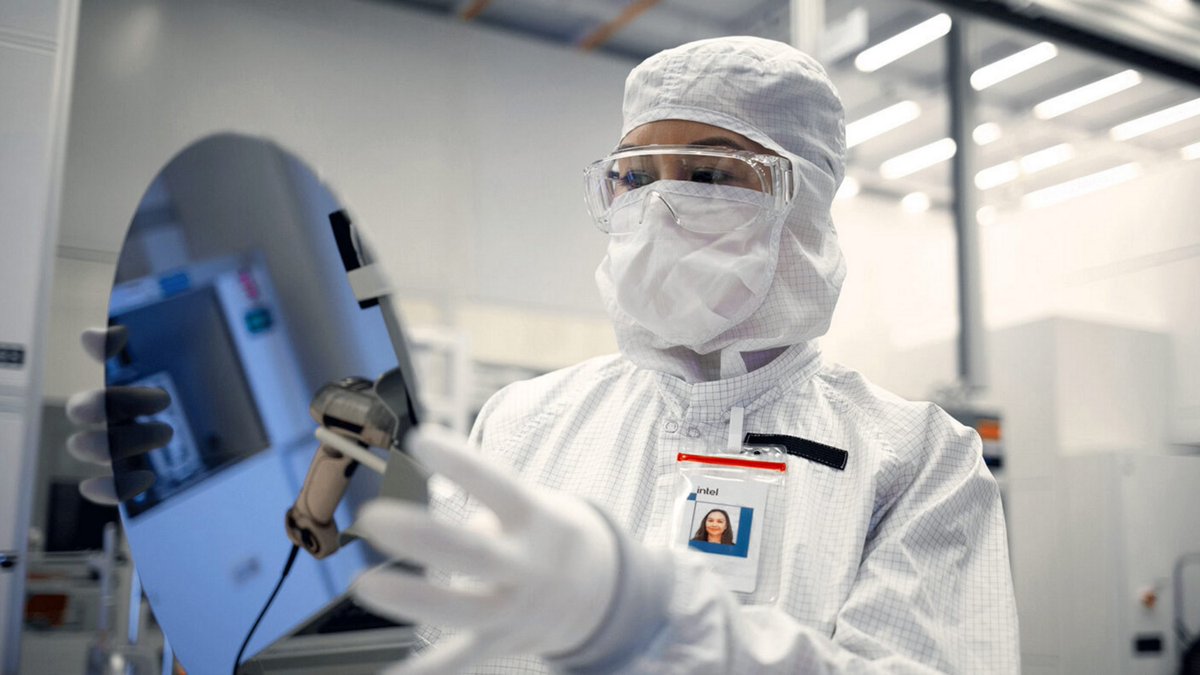
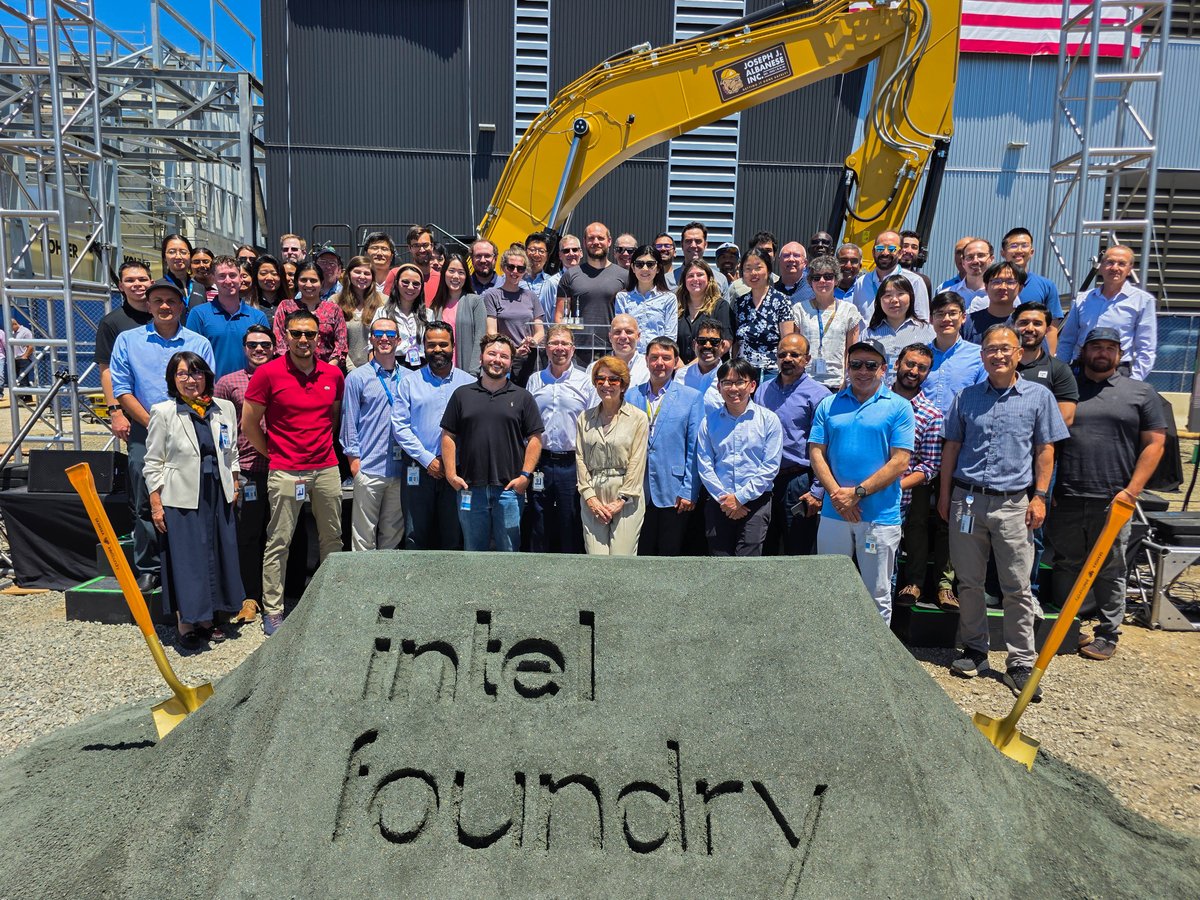
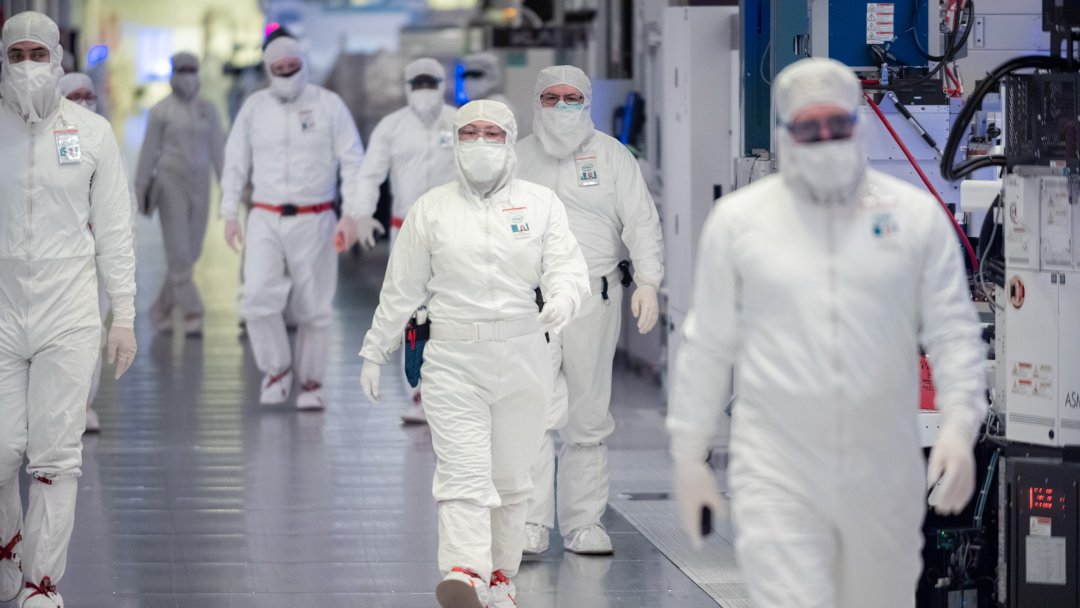
Today, we recognize the people behind semiconductor manufacturing at Intel Foundry, from constructing state-of-the-art fabs to advancing process technologies, packaging, assembly and test.
Thank you to everyone helping make what’s next possible. https://t.co/QJZiKUSpXo
#IntelFoundry #NationalManufacturingWeek
$INTC
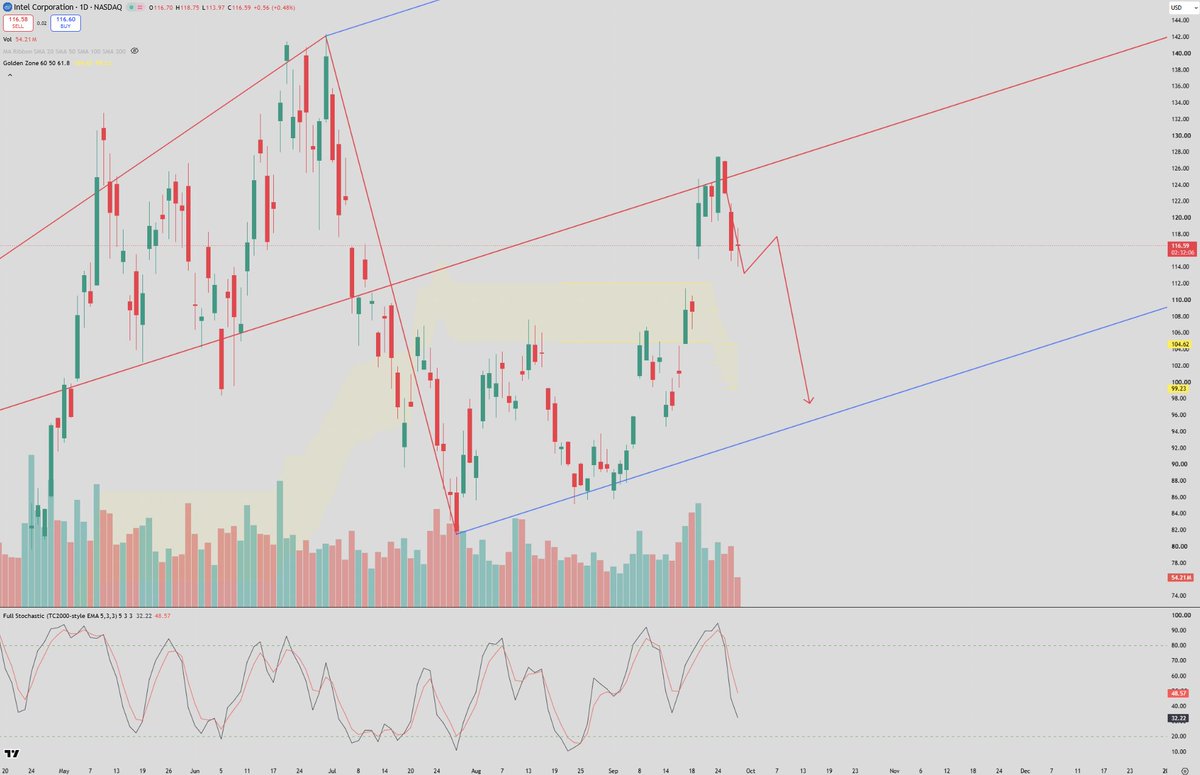
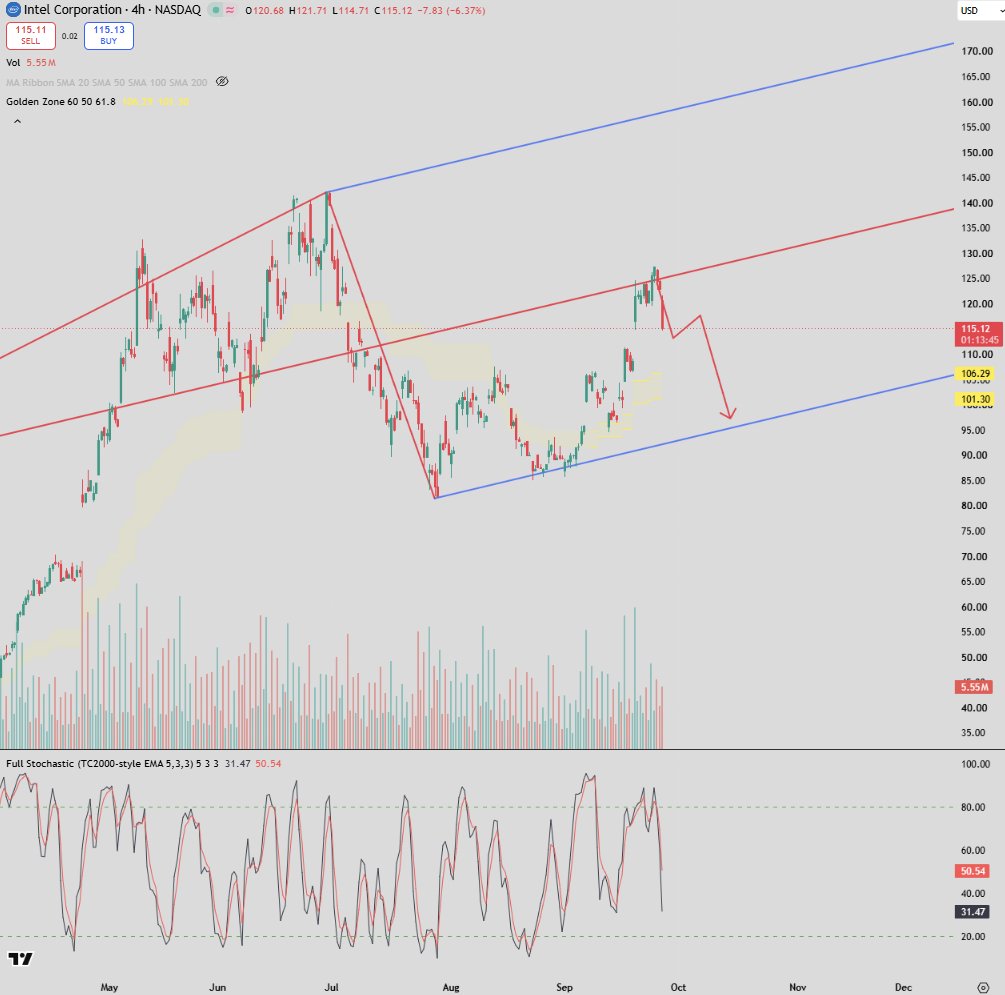
Ya'll thought I was joking when I said price would respect the pitchfork median line?
It's ok, I forgive you 🙏. I operate at 528Hz - the healing frequency. Let's win together.
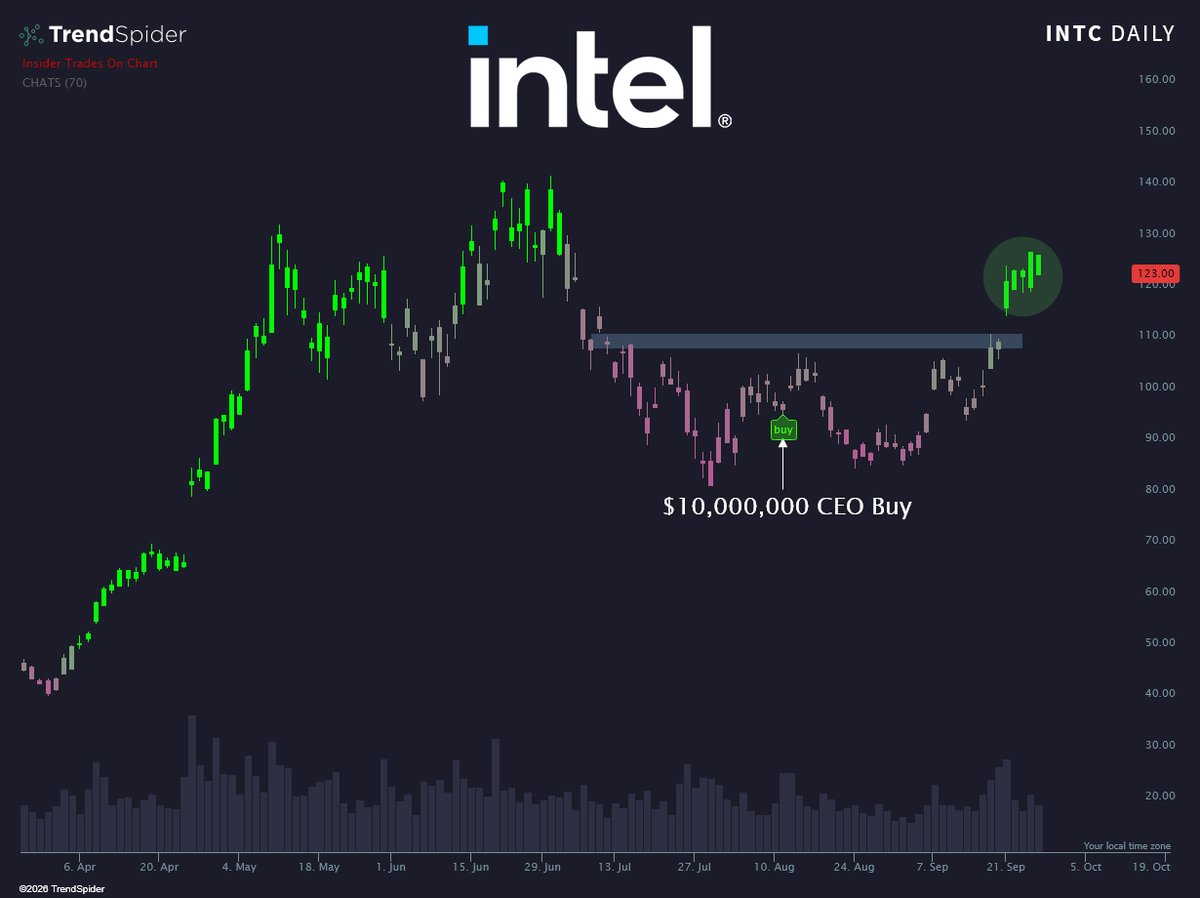
$INTC has a long long runway for many reasons. Huge call buying yesterday, I tripled down under 90(from $40 original buys) a few weeks ago but got room for more shares.
-CPU demand skyrocketing as agents take over
-EMIB/EMIB-T
-18A yields improving
-18AP now in pilot production
-14A yields improving
-Go to market product with NVDA coming likely for rubin ultra or feynman
-insatiable token demand
-Domestic advanced semiconductors are a must have, not nice to have.
Quick note on $INTC.
My confidence in Intel really comes down to one pretty simple idea.
In Q2 2026, CCPG did $8.9B in revenue and $2.3B in operating profit, while AI PCs already made up roughly two-thirds of Client revenue. At this point, I don’t think this business can really be viewed as just “traditional PC” anymore.
Margins were a little pressured this quarter, but a lot of that came from Intel intentionally shifting some capacity toward Server while also working through Client inventory.
In simple terms, the PC side is still making money, while AI is pushing Server demand and pricing higher. So naturally, Intel is moving limited wafer capacity toward the areas with better returns.
That’s really one of the most basic rules in semiconductors:
Not all capacity is worth the same. Wherever demand is tighter and pricing is better, capacity moves there.
Looking ahead, 18A is probably the biggest thing I’m watching.
Q2 18A output came in around 25% above target and grew more than 50% QoQ, while Foundry losses also narrowed.
If yields keep improving and costs keep coming down, the manufacturing assets that look heavy today could eventually turn into real operating leverage.
That’s the part of Intel I find most interesting right now.
The worst thing in semis is having too much inventory and not enough demand.
Intel’s problem is starting to look more like: where do we allocate the capacity?
Those are two very different situations.
The market is still looking at Intel through the old PC-cycle lens.
I think that framework is starting to get outdated.