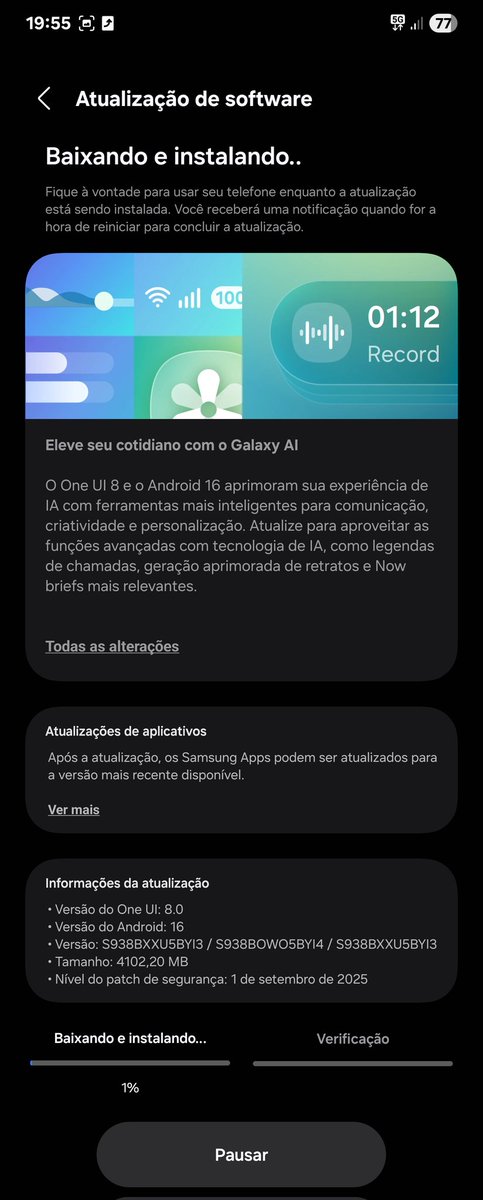
@Galvestz Vi uns leaks indicando para quinta-feira, mas acho estranho. Geralmente costuma chegar às sextas pela manhã por aqui.
Até no Canadá que sempre recebe junto ou depois de nós já atualizou, complicado
"A day will come when you think you are safe and happy, and your joy will turn to ashes in your mouth. And you will know the debt is paid"
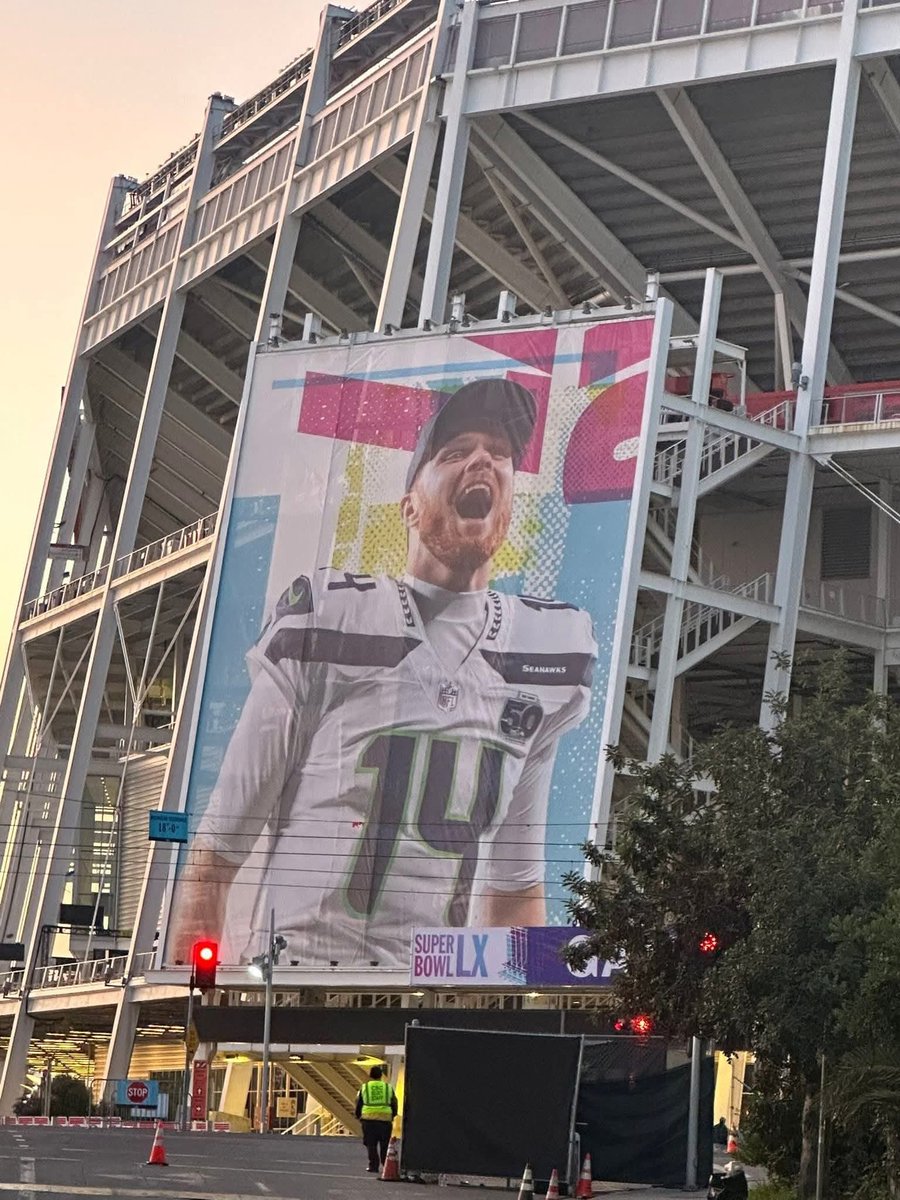
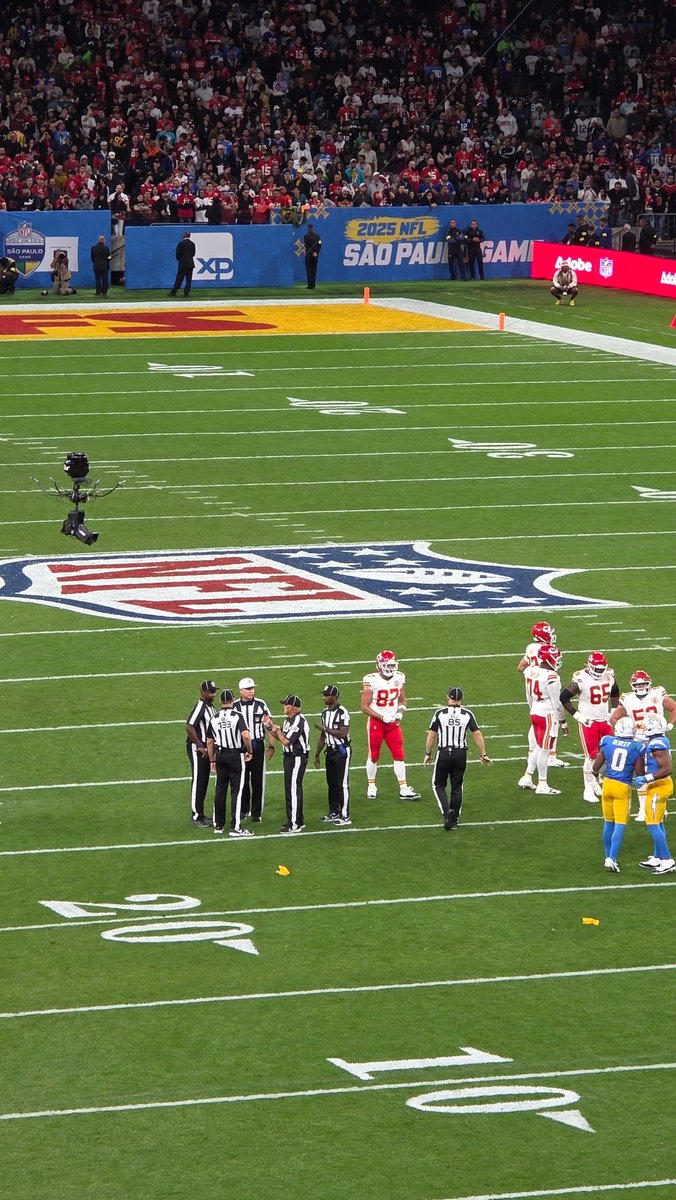
#SuperBowl#Seahawks@EvanHillHB
@NFL 50th year anniversary
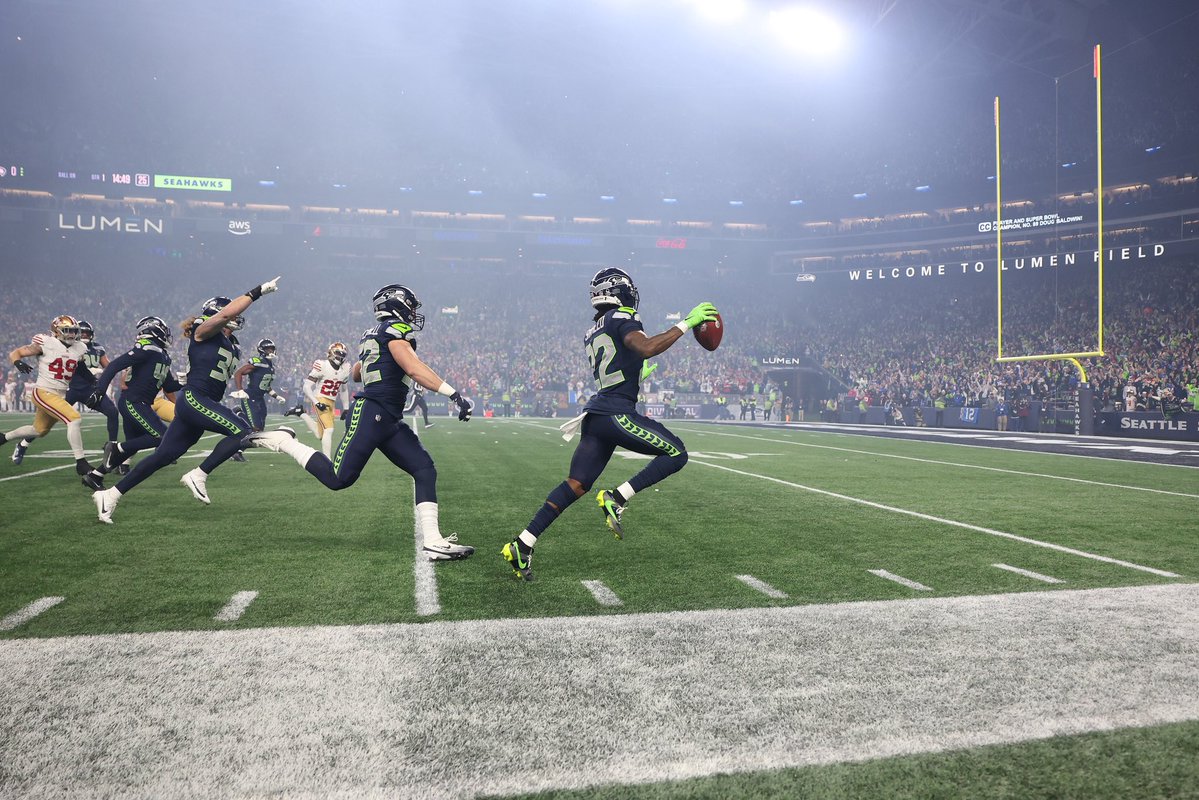
Against the team of the 1-yard line
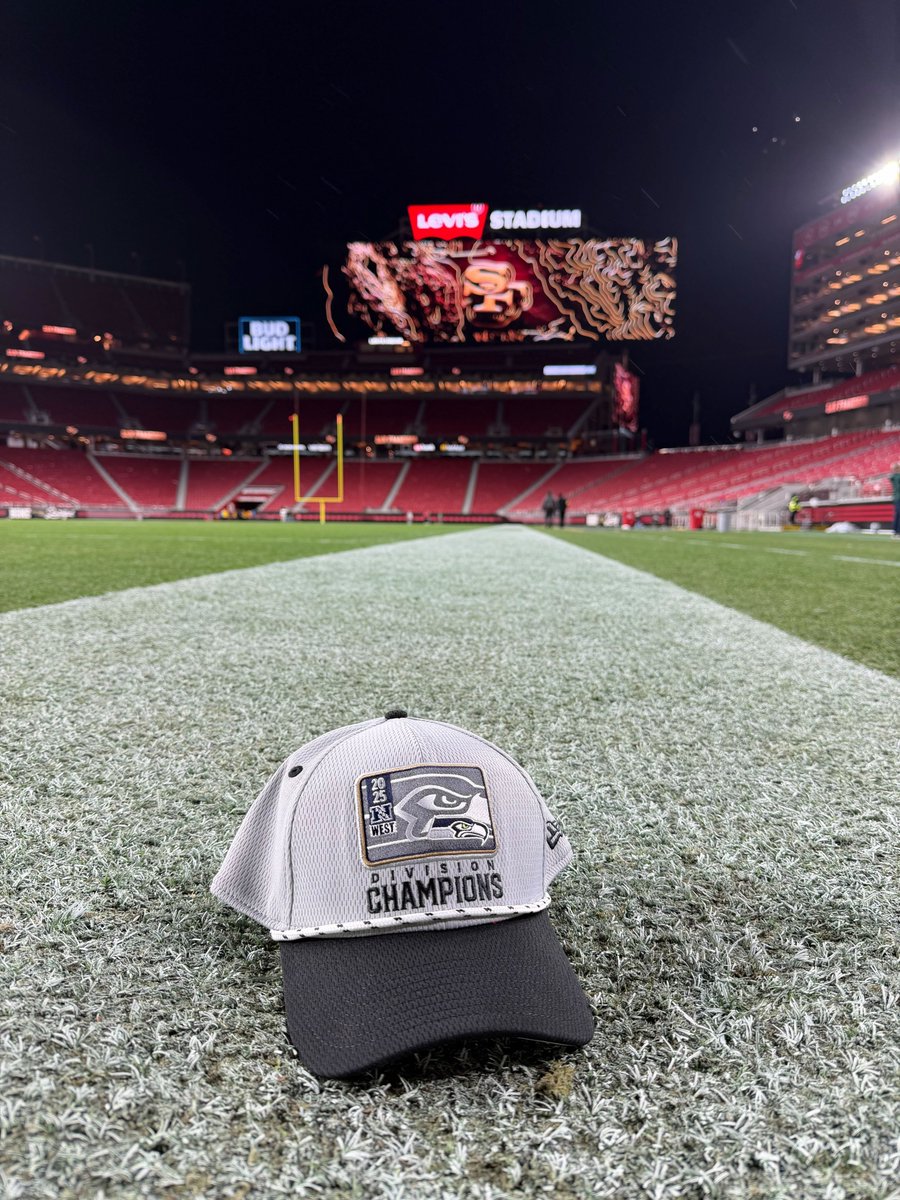
With the division title
1st seed
OPOY
Eliminating the 49ers and the Rams
Hoisting Lombardi on 9ers ground
Everyone thinks this is about Netflix getting HBO and Harry Potter.
Netflix is eliminating their last remaining competitive threat.
Warner Bros. Discovery is the only scaled content factory left that remains independent. They produce 30+ scripted series annually for external buyers, run the second-largest streaming service by content spend, and control DC, Harry Potter, HBO, and CNN.
Paramount buying WBD creates a combined entity with Paramount+, Pluto, and HBO Max that suddenly has scale to compete with Netflix. Comcast buying WBD merges NBC Universal with Warner Bros and creates a true Disney competitor with theme parks, theatrical distribution, and streaming vertically integrated.
Netflix acquiring WBD removes the last piece that could be assembled into a Netflix killer.
Look at the bidding structure. Paramount offered $27/share for all of WBD. Comcast proposed an NBCU merger. Netflix offered $30/share for just the studio and streaming assets, leaving declining linear cable networks behind. They’re paying a premium to acquire only the parts that matter while avoiding $15B in legacy debt.
The regulatory dynamics favor Netflix in ways nobody is pricing. DOJ blocks horizontal mergers between direct competitors. Paramount buying WBD merges two major studios. Comcast buying WBD combines two theatrical distributors. Those are clean horizontal mergers DOJ blocks automatically.
Netflix is buying vertically from streaming into production. The regulatory concern centers on Netflix controlling Warner Bros content then restricting competitor access. Netflix solves this by committing to license WBD content to other platforms for 5-7 years post-merger. The concession costs nothing in year one, buys approval, then commitments expire and Netflix owns the IP outright.
The second-order effect nobody is discussing: if Netflix closes this deal, Disney becomes the only other streamer with comparable owned IP. Everyone else—Paramount+, Peacock, Apple TV+—becomes subscale overnight. You either own a century of franchise IP or you’re licensing from Netflix and Disney at whatever price they set.
Warner Bros Discovery carrying $40B in debt makes them un-mergeable with anyone except Netflix. Paramount already carries $14B in debt. Comcast would inherit massive liabilities. Netflix has $6B net debt on a $380B market cap. They’re the only bidder with a balance sheet strong enough to absorb WBD’s problems.
The 5% stock drop reveals Wall Street pricing execution risk over regulatory risk. Investors believe Netflix can get DOJ approval. They’re questioning whether Netflix can integrate theatrical distribution and operate legacy studio infrastructure they’ve avoided for 15 years.
Netflix locked themselves into either owning a debt-laden legacy studio or writing a $5B check for nothing. The only question is whether Netflix just paid $20B to prevent someone else from building a Netflix competitor, or whether they paid $5B to watch Paramount do exactly that.
Charlie Kirk told me last month what his mission was:
"My job every single day is actively trying to stop a revolution. This is where you have to try to point them towards ultimate purposes and towards getting back to the church, getting back to faith, getting married, having children. That is the type of conservatism that I represent, and I'm trying to trying to paint a picture of virtue of lifting people up, not just staying angry."