A new study about the advantages of enhancing stress ECG results using HF-QRS for diagnosing stable CAD. This time with invasive angiography as the gold standard.
#HyperQ
https://t.co/Avp4nvWYx4
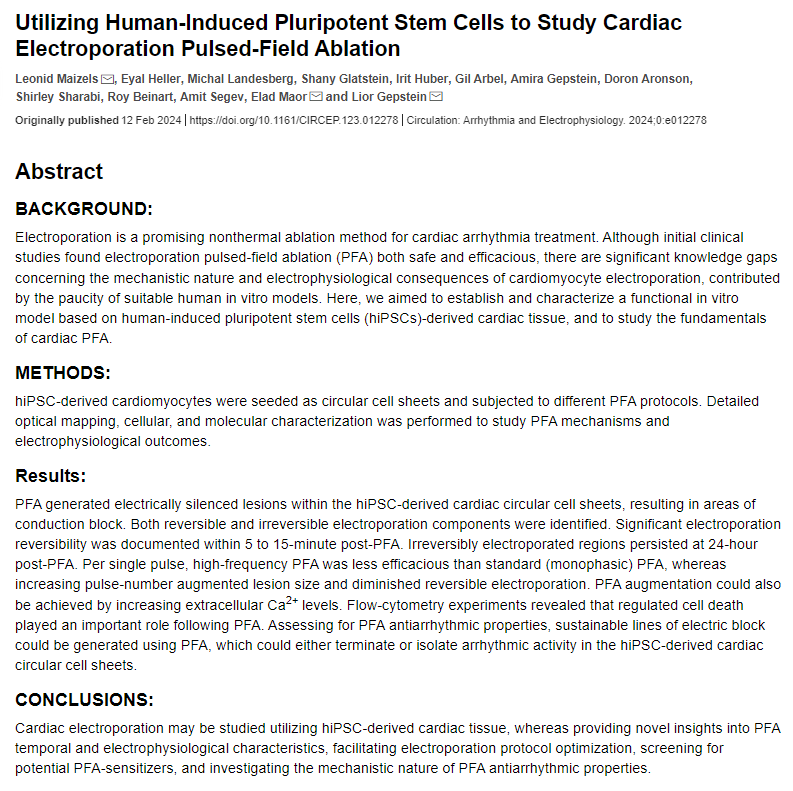
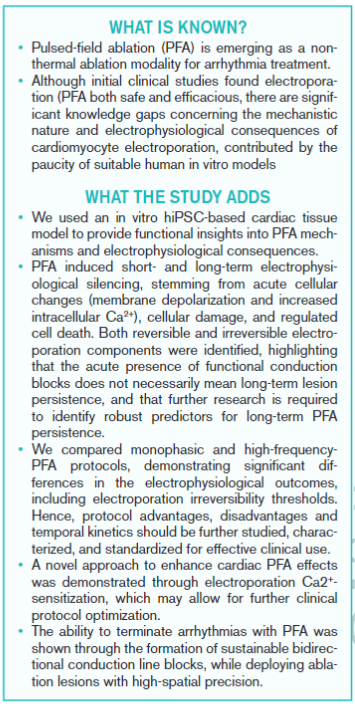
I have been studying electroporation and PFA since 2005. There are some serious knowledge gaps in the field. Our latest @CirculationEP paper showcases how human stem cells offer fresh insights into PFA's temporal dynamics and more. Check it out: https://t.co/zYJNfFfq3w #EPeeps
Who pays for multi-million-dollar miracle cures? The most expensive drugs in the world are treatments for genetic diseases. And more of these cures are on the horizon. How will anyone be able to afford them? https://t.co/crC3q6Y1or
@DrBapuPod@UrnovFyodor is so eloquent - I vividly remember his Genetics course at UCB about 15 years ago (taught me everything I know about Resident Evil)
@DrBapuPod That was indeed a great episode and the second, final part is extraordinary. Andrew Lo is a remarkable thinker. His online course at MIT about the business of biotech is a must for any healthcare entrepreneur.
@VPrasadMDMPH Expected deaths (like most things) would be much easier to estimate in retrospect so in 2-3 years we would probably know more accurately what was the "real" excess mortality in each country / region.
Dr. James de Lemos and @DrPjoshi's latest review, "Diagnosis and Management of Stable Angina" https://t.co/B5lduWKD6s was published on @JAMA_current part of @JAMANetwork. @UTSWNews is connecting the dots again, from research to clinical care.
@BBCMoreOrLess When you release a short episode which was already included in a long one, I can simply skip the whole thing. What am I suppose to do (while running) when I get to the LTF part of this episode?
@drjohnm@VPrasadMDMPH@venkmurthy A very interesting episode. I particularly related to the idea that PRS (and any other risk score or Dx test) should be judged by how much value / knowledge it adds to what we already know. Seems obvious and yet...
@CMichaelGibson It's important to keep score of Corona related deaths, but in the long run, it's probably more more important to track all cause mortality. It's more accurate too.