We use the power of emotions to create a healthier & more equitable, innovative, & compassionate society. @rulerapproach is our evidence-based approach to #SEL.
A kid can have straight A's, plenty of friends, and still be miserable.
On Dec 2, I'll talk with Kari Ostrem and Todd Shy about raising emotionally healthy kids at NYC Parents in Action's Parenting Scene.
Join us in NYC or online:
https://t.co/9xsQ5YX2Nn
#Parenting #emotionalintelligence
The fastest way to end up with TWO upset people is to get mad that the first one won't calm down.
You've got great advice (or so you think). They're still upset, you're getting annoyed, and now the person you were trying to help has to deal with YOUR feelings, too. Wonderful.
Lewis and I talked about this on The School of Greatness. We're getting into co-regulation at my book club TONIGHT, 7 PM ET. Free on Zoom, and I want your questions!
https://t.co/Zp0ju7m33A
#CoRegulation
Knowing how to manage your own emotions doesn't automatically mean you know how to help someone else.
Join @drmarcbrackett for a free Book Club conversation on co-regulation tomorrow, 7 PM ET.
https://t.co/S2gxlDFNJU
We tell kids to speak up. Then they disagree with an adult and suddenly we have a problem with their tone. Seriously?!
@DeCostaDawn shows what happens when adults learn emotional intelligence first.
My Substack
https://t.co/VIsOvmuLBr
We expect children to handle emotions that adults still struggle with. What are we teaching them when we lose our cool?
Join Dr. Marc Brackett's free live Dealing With Feeling Book Club, Nov 12 & 19, 7 PM ET.
https://t.co/4LJynCtpkI
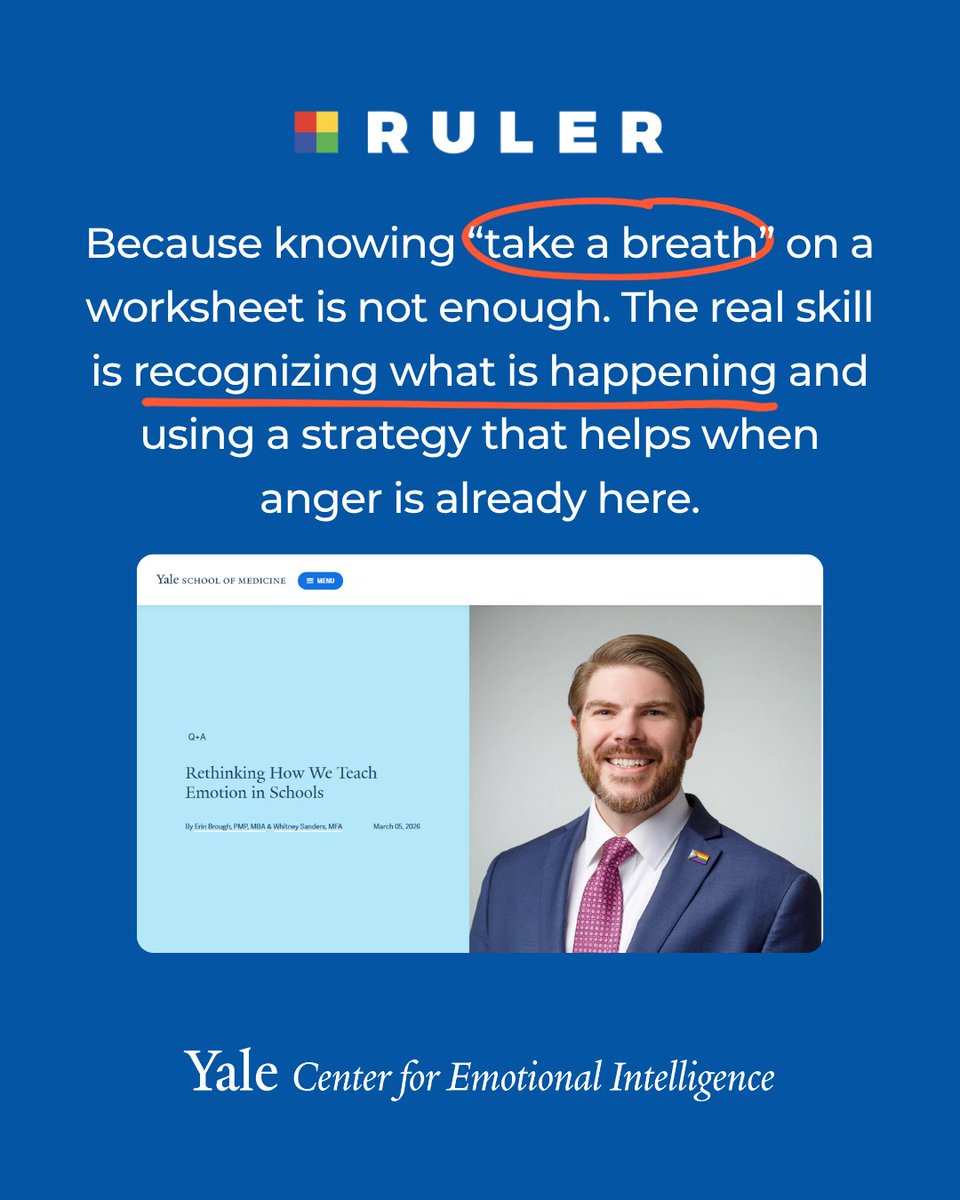
A student can know exactly what regulation means and still have no idea what to do when anger hits in front of everyone.
That is why knowing a concept, being able to perform a skill, and recognizing when and why to use it are different kinds of learning. Craig Bailey and colleagues explain why that distinction matters for schools.
https://t.co/2tLn3WDv1R
#EmotionRegulation #Education
Children learn emotion long before anyone hands them a worksheet.
They learn it in bedtime stories, classroom conversations, and the way adults explain some feelings while moving past others. Our Emotions in Narratives research is examining how emotion knowledge is shaped through stories, relationships, communities, and culture.
https://t.co/tm9tNuOpfe
#EmotionScience #ChildDevelopment
A teacher can say yes to a new initiative and still have nowhere to put it.
In schools, people often agree while quietly figuring out what they will squeeze, postpone, or carry home to make that yes possible. Our RULER Deep Dive research is examining the obstacles, supports, adaptations, and best practices that shape what happens after rollout.
https://t.co/GNegXcDHXy
#EducatorWellbeing #Implementation
I nearly lost my mind over a blanket. A BLANKET.
I told Rich Roll this story because people assume that studying emotions means you stop losing your cool. I wish!
I can explain why I got upset, but that doesn't excuse how I treated someone. I still had to apologize (and mean it!).
I'm sure I'm NOT the only one who's had a blanket moment. What's yours?
These are the kinds of conversations I'm looking forward to at my Dealing With Feeling book club on November 12 & 19 at 7 PM ET. It's free on Zoom, so bring your own stories!
https://t.co/Zp0ju7m33A
Schools love to praise the person who “keeps everything together.” Sometimes that compliment is actually a warning.
If every reminder, reset, question, and follow-up still runs through one counselor or coordinator, the work can look embedded while quietly depending on one person’s memory and stamina. Our RULER Deep Dive research is examining what makes schoolwide implementation sustainable over time.
https://t.co/GNegXcDHXy
#SchoolLeadership #Implementation
My Dealing With Feeling book club is back! November 12 & 19 at 7 PM ET.
Free and live on Zoom!
On November 12, we’re talking about what to do when our own emotions get the better of us. And on November 19, how do we help someone else when we’re struggling ourselves?
We’ll have 90 minutes together each night, and I want YOUR questions! That’s always my favorite part. I’ve got plenty to share, too (you know me!).
Hope to see you there!
🔗https://t.co/Mj8pBqJIZ2
#DealingwithFeeling #EmotionalIntelligence
A school can improve its school climate score and still leave some students out of that improvement.
The average may be completely accurate. The question is whether it is hiding a group having a very different experience. Our School Climate Walkthrough work with Jessica Hoffmann, Jennifer Seibyl and @aakash_ch was built with student voice and tested so group comparisons are more meaningful.
https://t.co/N3CU02meZc
#SchoolClimate #StudentVoice
“They’re in high school now. They should know better.”
But grade nine changes much more than a student’s schedule. Expectations rise, relationships shift, independence expands, and students are learning a new social environment while being asked to act as though they already understand it.
Accountability and support do not have to compete.
https://t.co/lFhKRnL1hz
#HighSchool #StudentWellbeing
The AI cheating conversation usually starts with students, but adults are making many of the same choices on the other side of the desk.
The more useful question is not whether AI touched the work. It is which parts of judgment, struggle, revision, connection, and meaning-making stayed human. @ZoranaPsych and Mike Grandinetti offer a useful co-creation frame for that.
https://t.co/lQFUGBXmVo
#AIinEducation #Creativity
We tell students to interrupt harm, but adults have their own version of looking away. It can sound like “we need to keep moving,” “not the time,” or simply moving to the next agenda item after a joke everyone knows landed wrong.
School culture is shaped by what adults interrupt and by what they allow the room to move past.
#BullyingPrevention #SchoolCulture
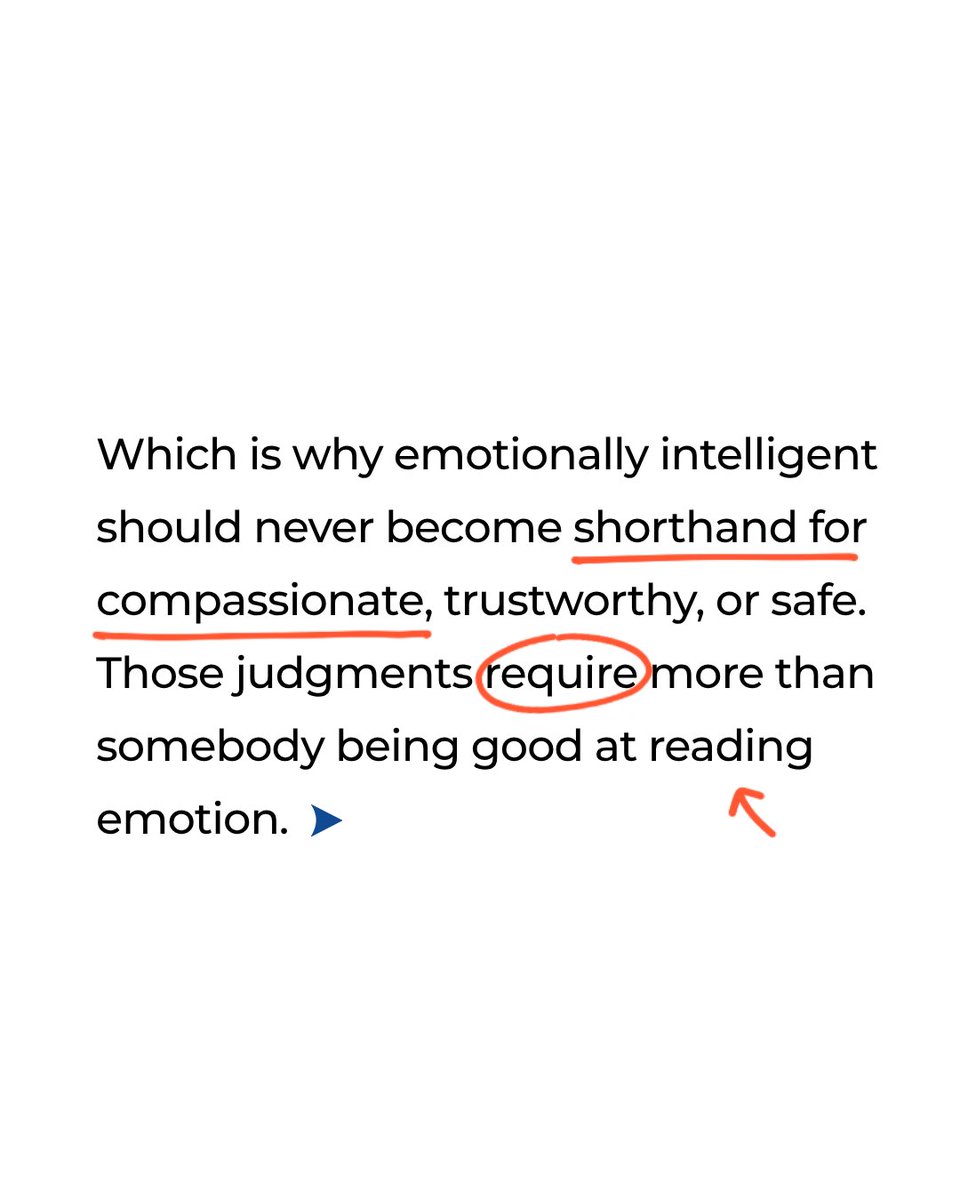
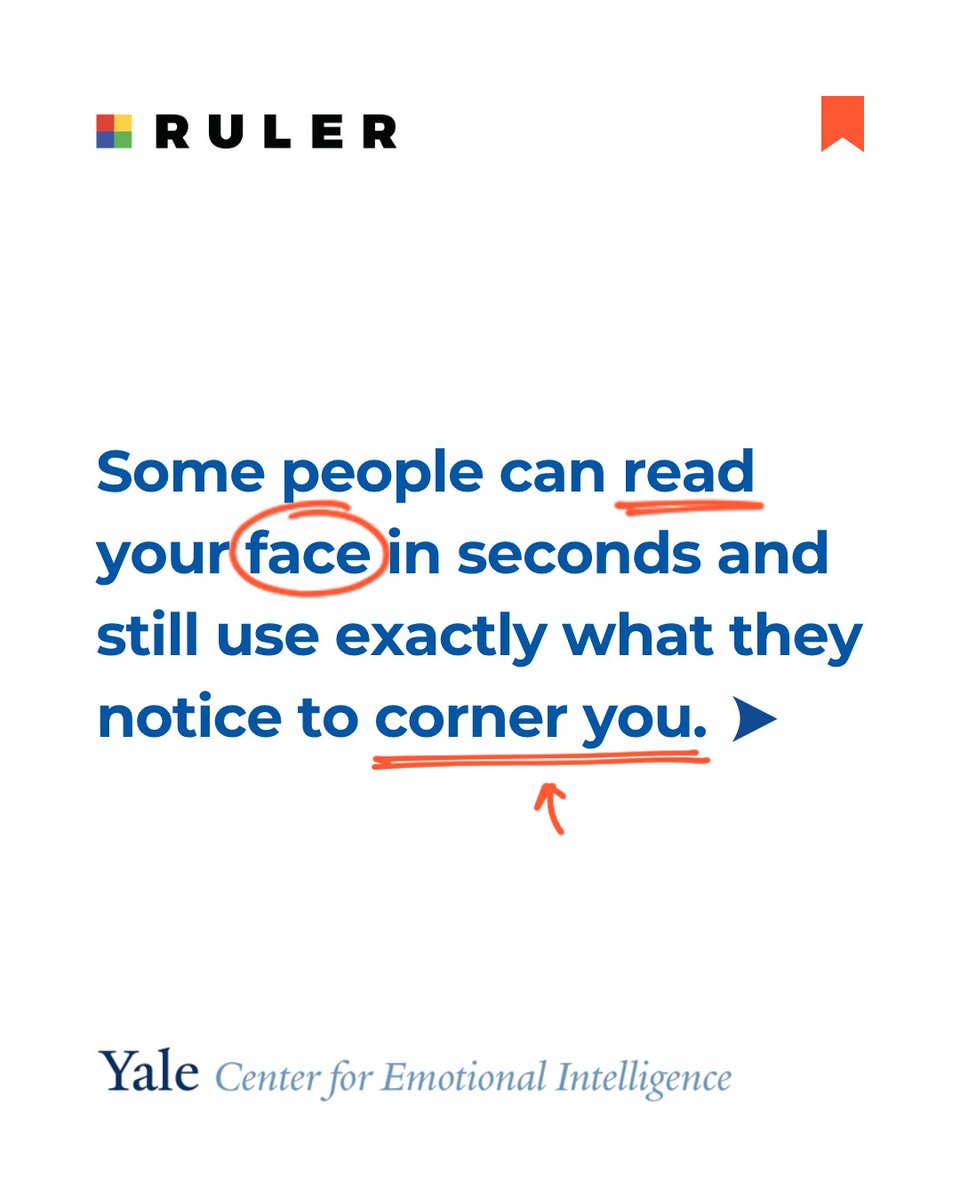
We use “emotionally intelligent” as if it automatically means thoughtful, caring, or trustworthy. But being skilled at reading emotion does not tell us what someone will do with what they notice.
Work from @drmarcbrackett, @ZoranaPsych and colleagues makes the distinction clearer. Emotional intelligence gives us information. How that information gets used is another question.
https://t.co/nxJZE5wtNH
#EmotionalIntelligence #Psychology
We tell students to speak up about bullying. But do they know how to intervene safely, and whether adults will protect them afterward?
Nikki Elbertson on what schools can do differently.
https://t.co/3w39IDVk7p
“Why didn’t they tell us sooner?” can be the wrong first question after bullying comes to light.
Students may already be thinking about tomorrow and whether speaking up makes the hallway, team, or group chat harder to walk back into. “Tell a trusted adult” only works when students already know who that adult is and believe telling will not make things worse.
#BullyingPrevention #StudentWellbeing
For a child being bullied, “tell an adult” can come with a frightening question. What happens after I tell?
Watch Nikki Elbertson’s conversation with WTNH about that fear, the group chats that follow kids home, and how adults can help.
https://t.co/nykTxbeOu2
#BullyingPrevention #EmotionalIntelligence
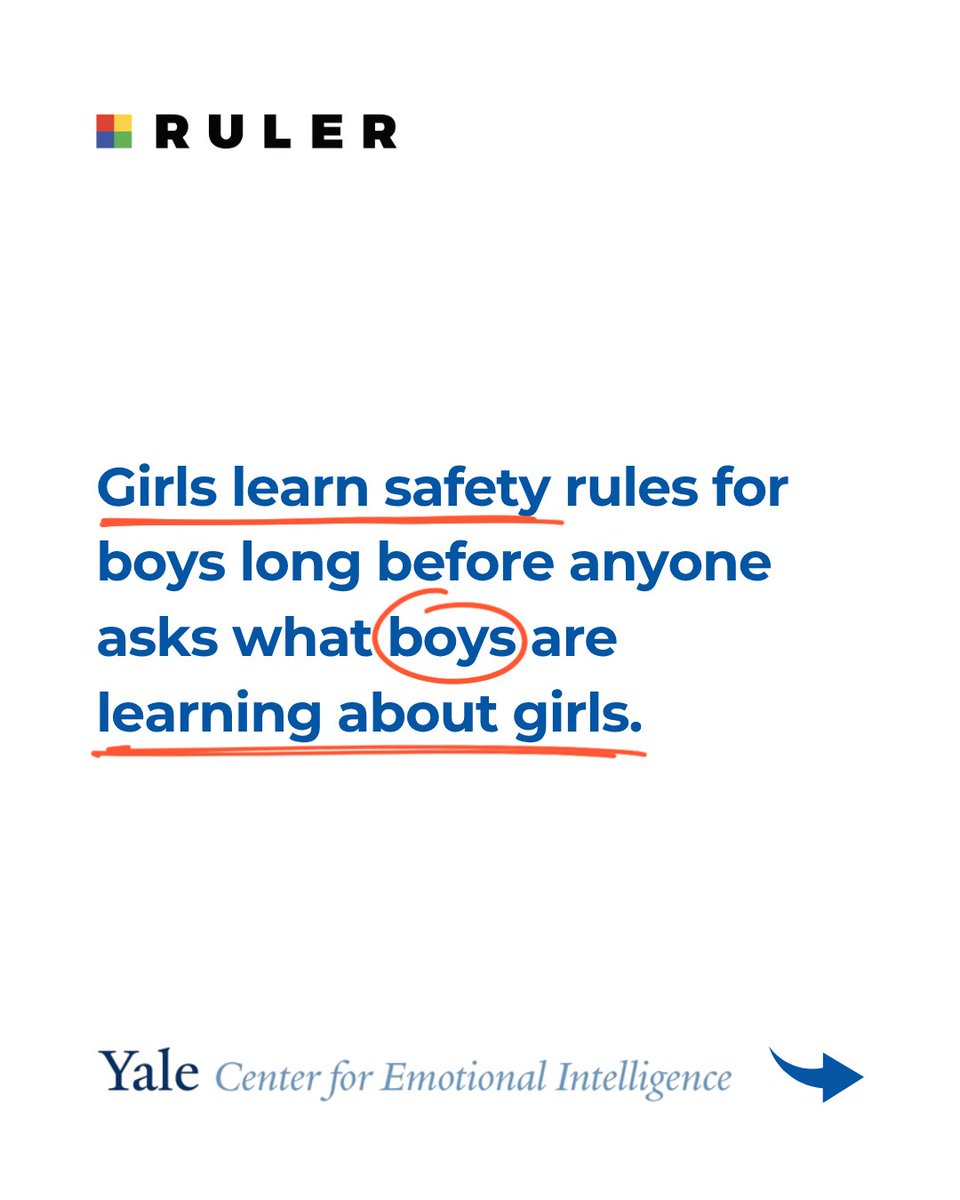
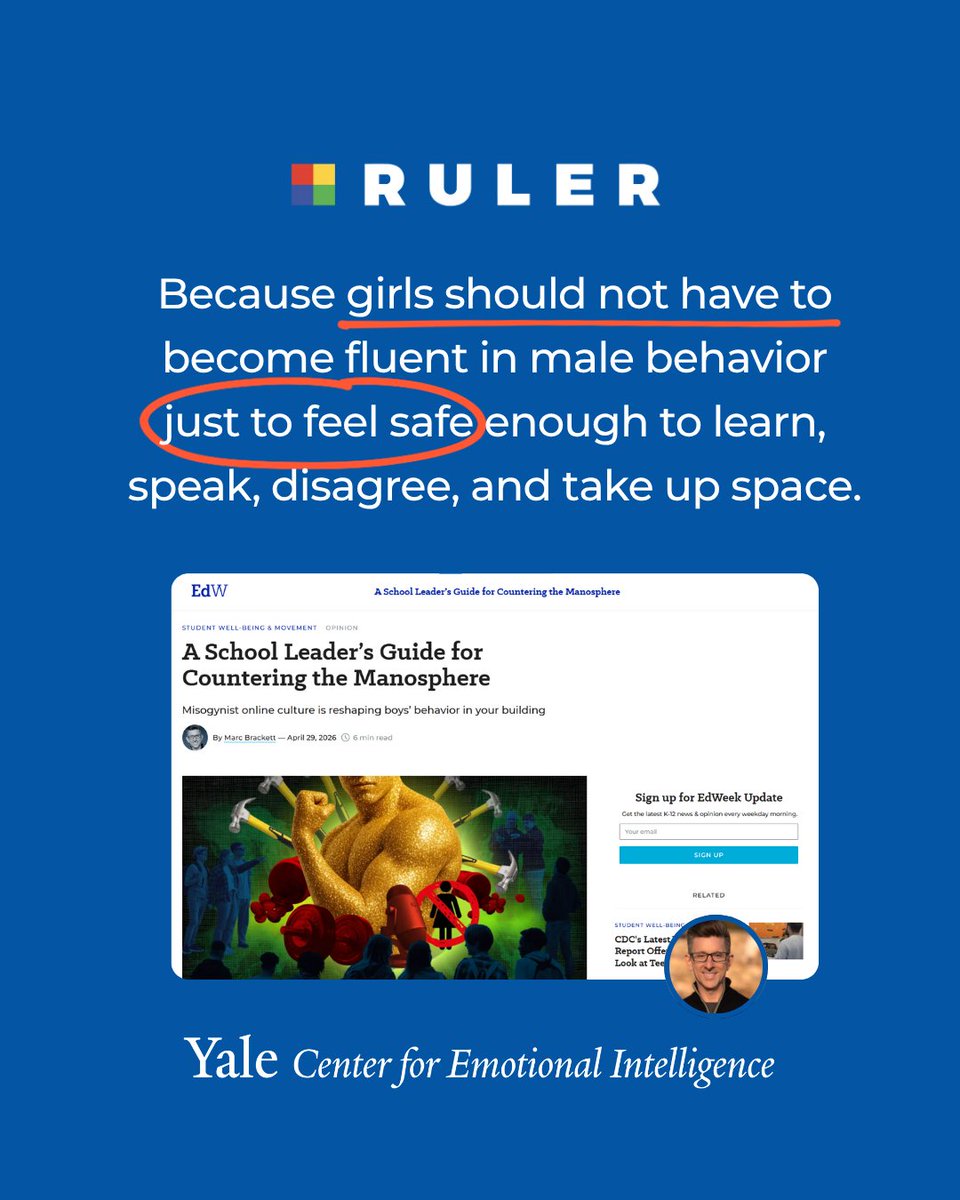
Girls are often praised for being “mature” when what they’re really learning is how to edit themselves around somebody else’s behavior. In our bullying webinar, @RobinSStern described how girls can start curating themselves around harmful ideas of masculinity, and @drmarcbrackett’s Education Week guide looks at what schools can do before those scripts become normal.
https://t.co/Iy51KcSnL1
#BullyingPrevention #SchoolCulture