10 things I learned building
#modularhomes for Australia (as a founder from China)
When I started, I thought the hard part would be building the homes. It wasn't. Here's what actually taught me the most:
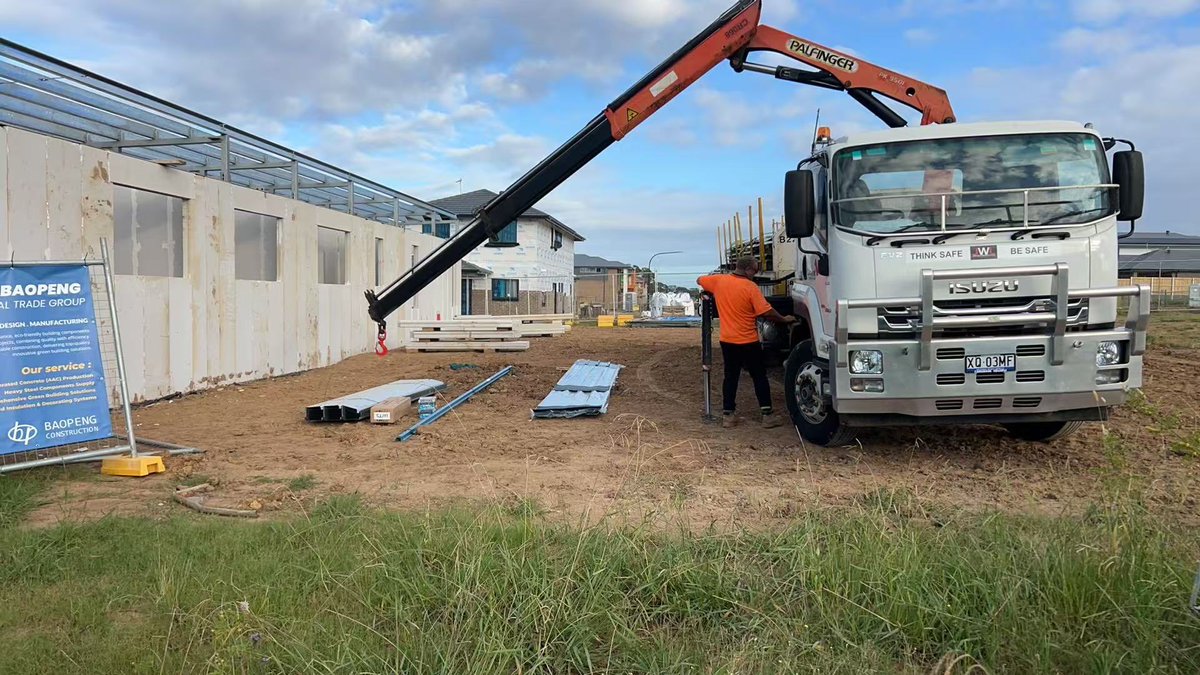
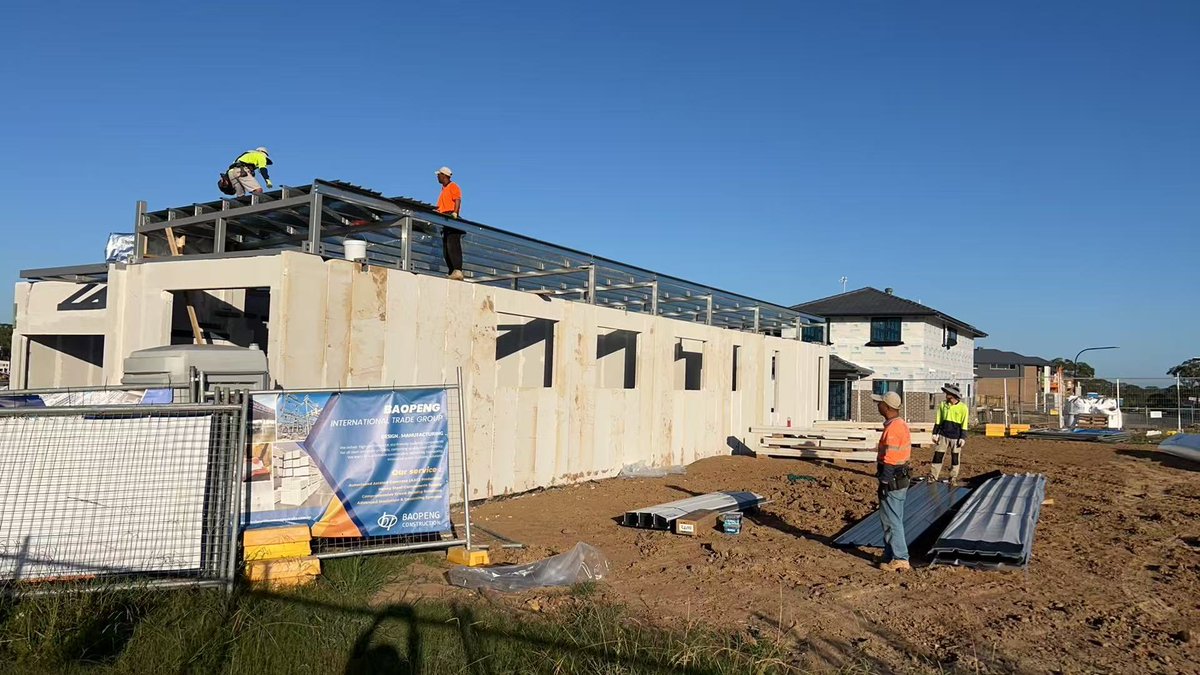
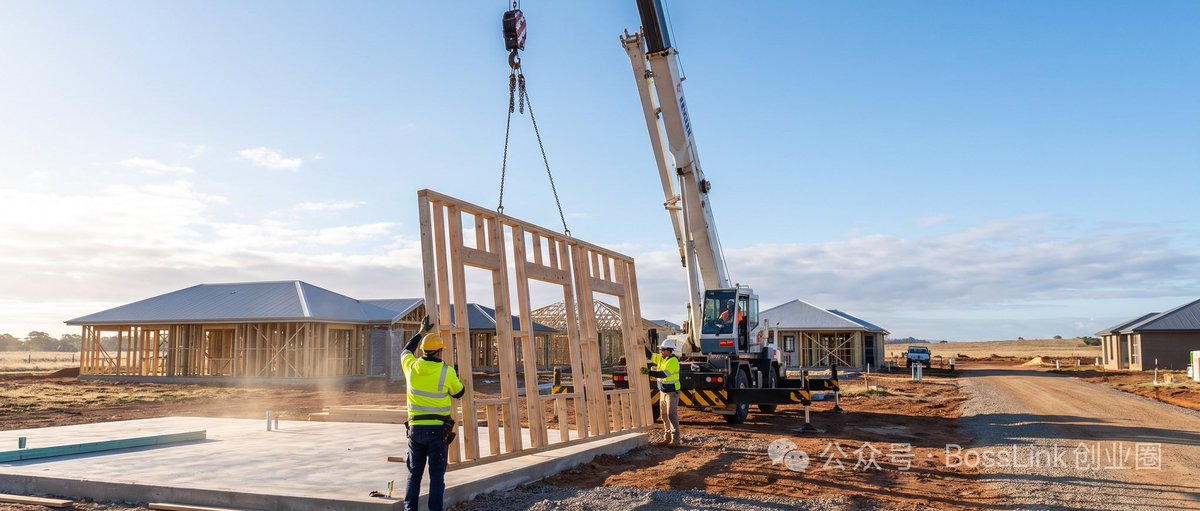
1. The factory is the easy part. We can build a great home in a factory. Getting it approved, transported, and placed on site is where the real work is.
2. Every market has its own rulebook. Australia, the US, and Canada all have different codes, and so do individual states and councils. You can't copy-paste a design across borders.
3. You need a local partner. Our joint venture partner in Australia handles codes and compliance. Without them, we'd still be stuck in paperwork.
4. Trust is harder to build than a house. Many people still picture "modular" as a cheap temporary box. You have to show the quality, not just talk about it.
5. Transport shapes the design. Road width limits, crane access, and shipping distance decide module size before any architect does.
6. Energy efficiency sells better as savings than as "green." Most buyers care about lower power bills first. The planet is a bonus.
7. AI helps most in the boring parts. We don't use AI to look futuristic. We use it for [layout options, energy modelling, cost estimates] so decisions happen faster.
8. Speed only matters if the whole chain is fast. Building in 4 weeks means nothing if the permit takes 3 months
9. Builders are partners, not competitors. Some of the best conversations I've had are with local builders who know the ground far better than I do.
10. Show up in person. Spending time in Sydney and Brisbane taught me more than any market report. Housing is local.
Still learning every week. If you're a builder, architect, or developer in Australia, the US, or Canada: what's the biggest thing stopping you from using modular today
@whatsthedamage_ Pretty much! And there’s another quiet bottleneck: finance. Traditional construction loans don’t always fit factory-built homes.
Faster approvals open the door. Better financing and standardised delivery make scaling possible.
Are lenders catching up in Australia?
Victoria just raised its small second dwelling planning limit to 80 m². Interesting moment for backyard housing in Australia. I’m curious how the planning and building approval pathways will catch up. Aussie builders, what are you seeing on the ground?
Yes. Prefab and modular housing still account for less than 5% of Australia’s market by some estimates.
Fleetwood has reported capacity for 1,000+ homes annually, while Modscape has cited capacity for up to 3,000 modules.
The capacity is emerging, but mass adoption is still early. That’s where I see the opportunity.
Are you seeing more modular homes being built locally?
@whatsthedamage_ permits, by far. Sales conversations get easier once people walk through a finished home. Getting a council to treat a factory-built home like any other home is the slow part.
I'm YOYO, a founder from China building AI-powered, energy-efficient modular homes for Australia, the US, and Canada.
The factory is the easy part. The hard parts are approvals, transport, and earning trust.
I'll share what we learn along the way: real projects, real mistakes, real numbers.
Builders and architects: what's the one thing that would make you trust a factory-built home?
@davidpersons10 Good catch.
Most coverage missed the factory-built piece. Operators who show up with real cost, timeline and energy data from finished projects will shape what that task force recommends.
@mindingottawa Whatever the demand side, the supply side has a speed problem
Factory-built homes can be produced while the site is being prepared, which is one of the few ways to add homes faster without adding more on-site labour
@TristanNavera This is the real constraint.
A factory can cut build time, but if local zoning treats modular as second-class, the time saved disappears in approvals
Same story in parts of Australia: the code allows it, local rules slow it.
@prefabnews This is overdue
Lenders struggle to value what they can't trace, and a factory home generates more documentation than a site build ever does.
The hard part will be getting banks and valuers to agree on one standard.
Hey @X! 👋🌍
I’m a founder from China, building AI-powered, energy-efficient modular homes. 🏡⚡
Exploring opportunities in Australia, the US, and Canada.
Would love to connect with #founders, #builders, #engineers, and anyone building cool things!
Follow me, say hi, and let’s connect! 🤝💙
Hey @X! 👋🌍
I’m a founder from China, building AI-powered, energy-efficient modular homes. 🏡⚡
Exploring opportunities in Australia, the US, and Canada.
Would love to connect with #founders, #builders, #engineers, and anyone building cool things!
Follow me, say hi, and let’s connect! 🤝💙
Great question! I see AI playing three key roles:
Design: Optimising layouts, materials and costs for different sites and local building codes.
Energy: Modelling solar, battery storage and household energy consumption to create smarter, more efficient homes.
Delivery: Connecting design, manufacturing and on-site assembly to reduce errors, waste and delays.
My bigger vision is an AI-powered housing delivery system, where every home gets smarter and more affordable as we scale.
Curious — where do you think AI could make the biggest difference in housing?