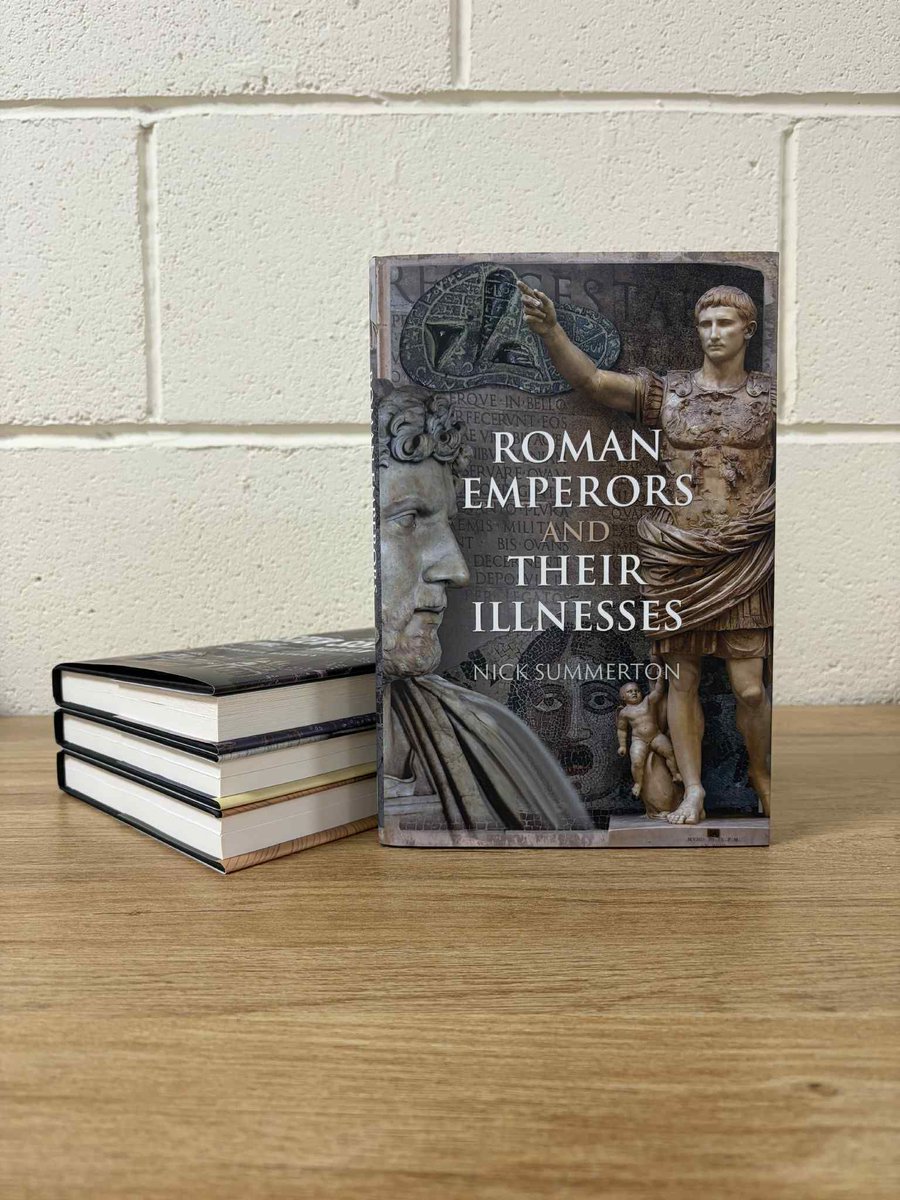
Physician, Author & Speaker - 'Greco-Roman Medicine & What It Can Teach Us Today', 'Roman Emperors & Their Illnesses', 'Medicine & Healthcare in Roman Britain'
Nadey Hakim s an eminent transplant surgeon but he offers so much more to the RSM. As a new member I have found him to be kind, welcoming and supportive. Also, as a brilliant sculptor, he demonstrates to all of us that a fulfilling career needs balance.
📢RSM Presidential election: member voting is now open📢
The President of the RSM serves as Chair of RSM Council, the body responsible for our strategic direction, financial health and governance under our Royal Charter. Council members, including the President, are the charity's trustees.
Candidates are listed below in alphabetical order by surname.
Voting is open to RSM Fellows and Associate members until 19 June. The candidate with the most votes becomes President-elect on 1 October 2026 and President on 27 July 2027.
📩 Check your inbox for instructions on how to vote.
#HealthcareLeadership #MedicalCommunity #MedEd #HealthcareTransformation #NHS #Healthcare
The fantastic podcast series ‘Secret Leicestershire’ goes Roman. This episode is all about the Roman roads of Ratae Corieltauvorum, the City walls and streets, the Vine Street villa and Raw Dykes aqueduct.
https://t.co/ym9Y1kINDa
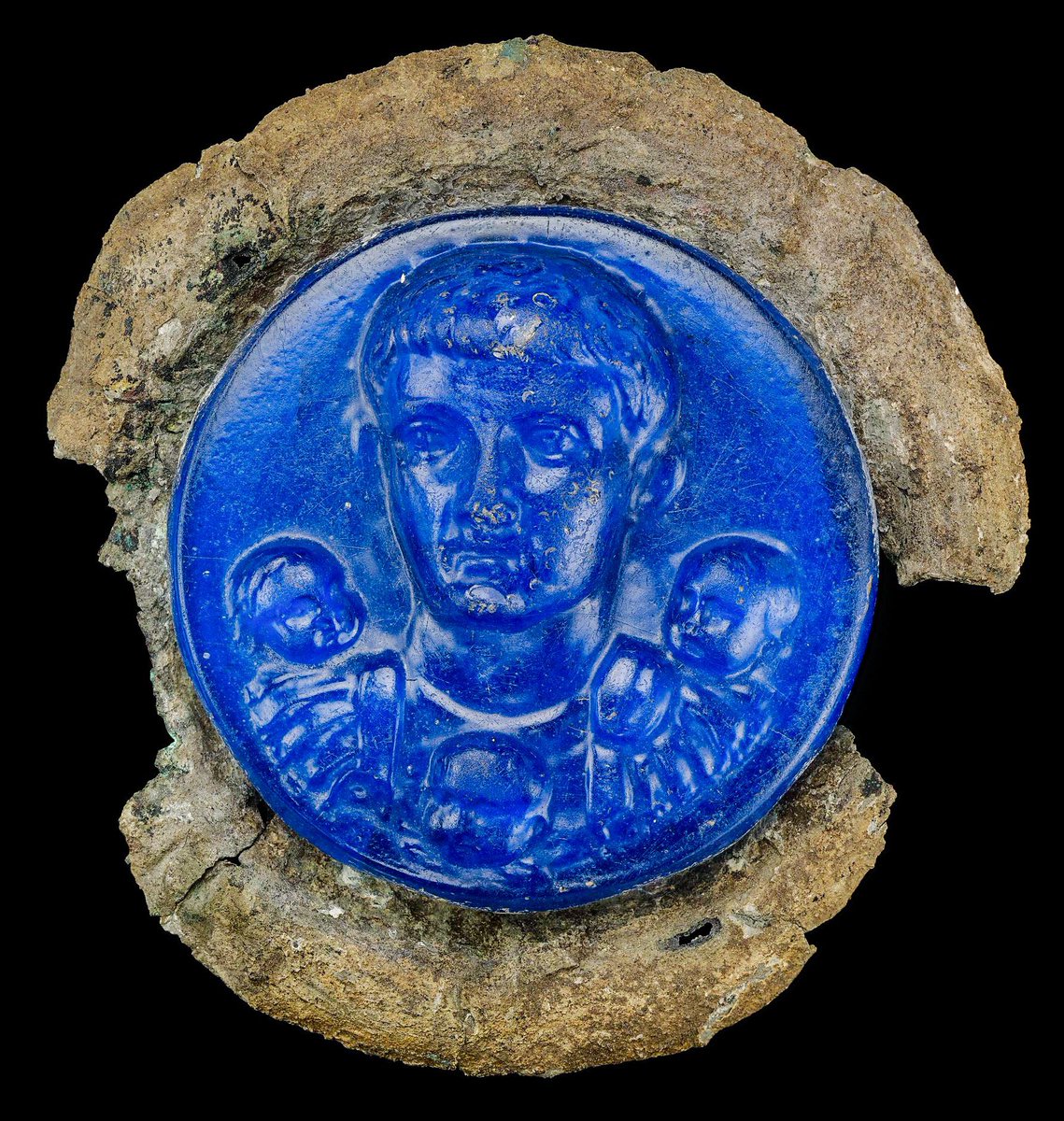
A dazzling Roman glass phalera medal portraying the beloved imperial prince Germanicus and his three infant sons, one of whom was the notorious future emperor Caligula. Unearthed in Colchester (ancient Camulodunum), the military decoration very likely came to Britannia with the Roman invasion of 43 AD, adorning the armour of a senior officer.
Specifically, the medal may have belonged to a soldier of Legio XX Valeria Victrix, one of the four primary legions that spearheaded the conquest of the island. The Twentieth was stationed at Camulodunum – in the first permanent legionary fortress built in Britain – until the year 49, when the base was converted into the island’s first civic colonia and populated by many veterans.
Further, the legion had deep historical ties to Germanicus, having fought in his bloody wars across the Rhine in the aftermath of the Varus disaster. While Germanicus had been dead for around 25 years by the time this glass phalera arrived in Britain, and the murderous reign of his son Caligula had been and gone, his legacy was evidently still being celebrated among the soldiery decades later.
Lemuralia was a solemn festival held on May 9th, 11th & 13th to banish malevolent spirits of the dead from Roman homes. The head of the household would walk barefoot at midnight, chanting, washing hands and throwing black beans over their shoulder to appease the ghostly spirits.
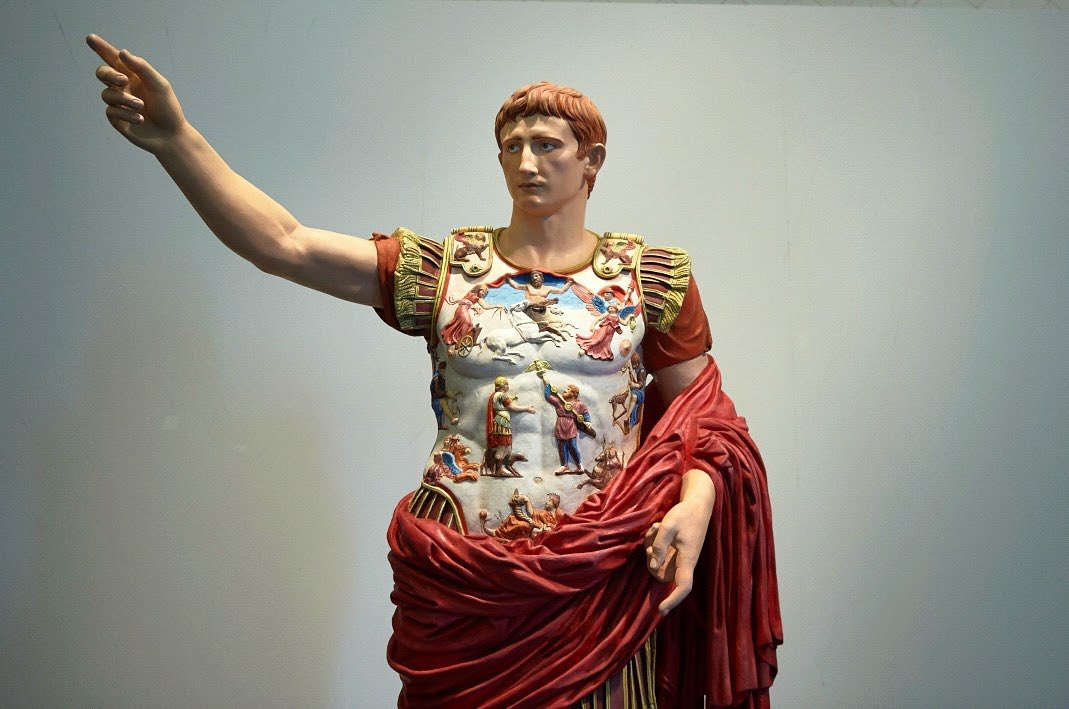
🔴 Nuevo artículo! publicado en la revista del @IAPHpatrimonio sobre nuestra propuesta de policromía del Augusto de Prima Porta. Revisamos los nuevos descubrimientos y estudios sobre la policromía de época romana que reafirman o puntualizan algunas de nuestras hipótesis.
Siena was apparently founded by the sons of Remus. But, according to Tacitus, M. Patruitus, complained of being roughed up when he visited. The senate warned the local citizens to be more orderly. They seem fine today @wmarybeard@romanarchaeouk
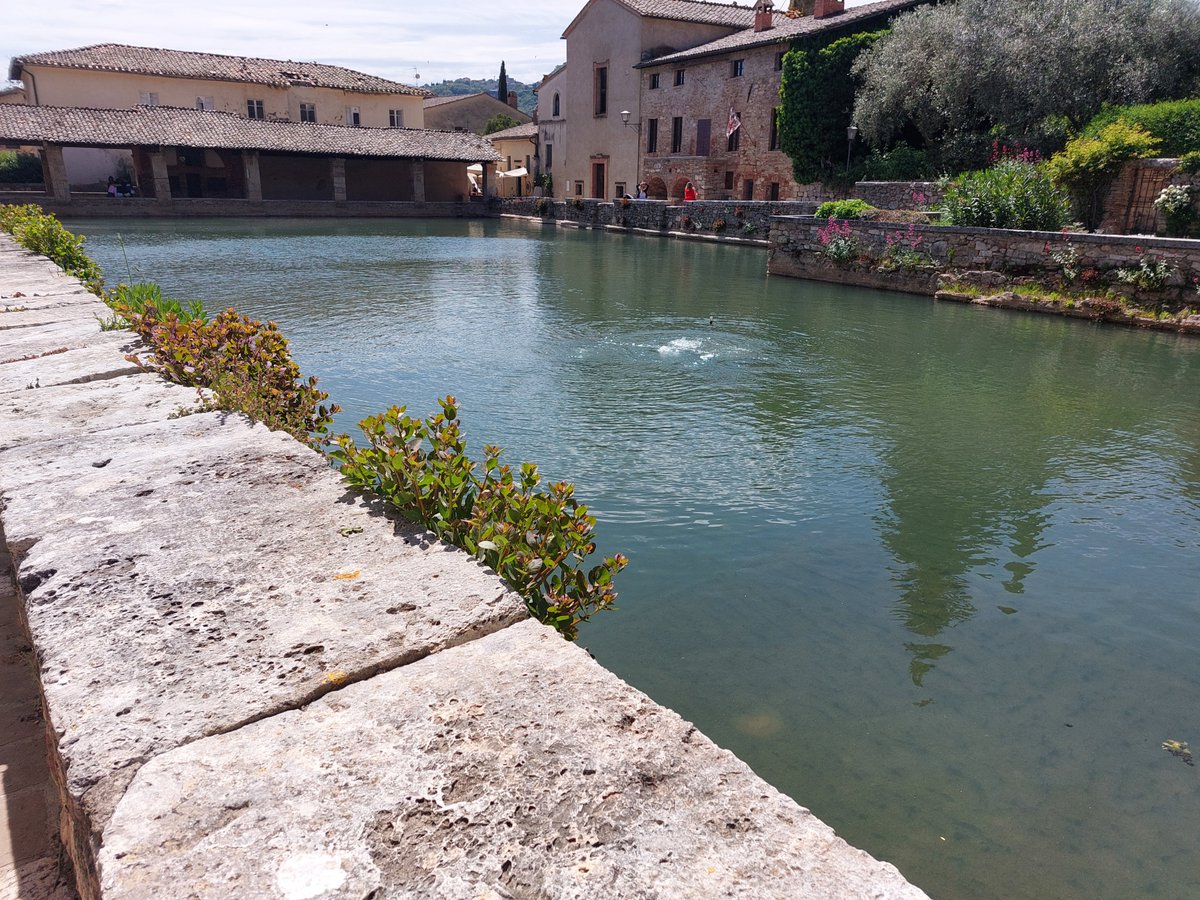
Bagno Vignoni clearly illustrates the synergy between an ancient healing site & its natural setting. An inscription explains that L T Paterno dedicated a temple there following his recovery. We can still learn from our forbears @romanarchaeouk@wmarybeard
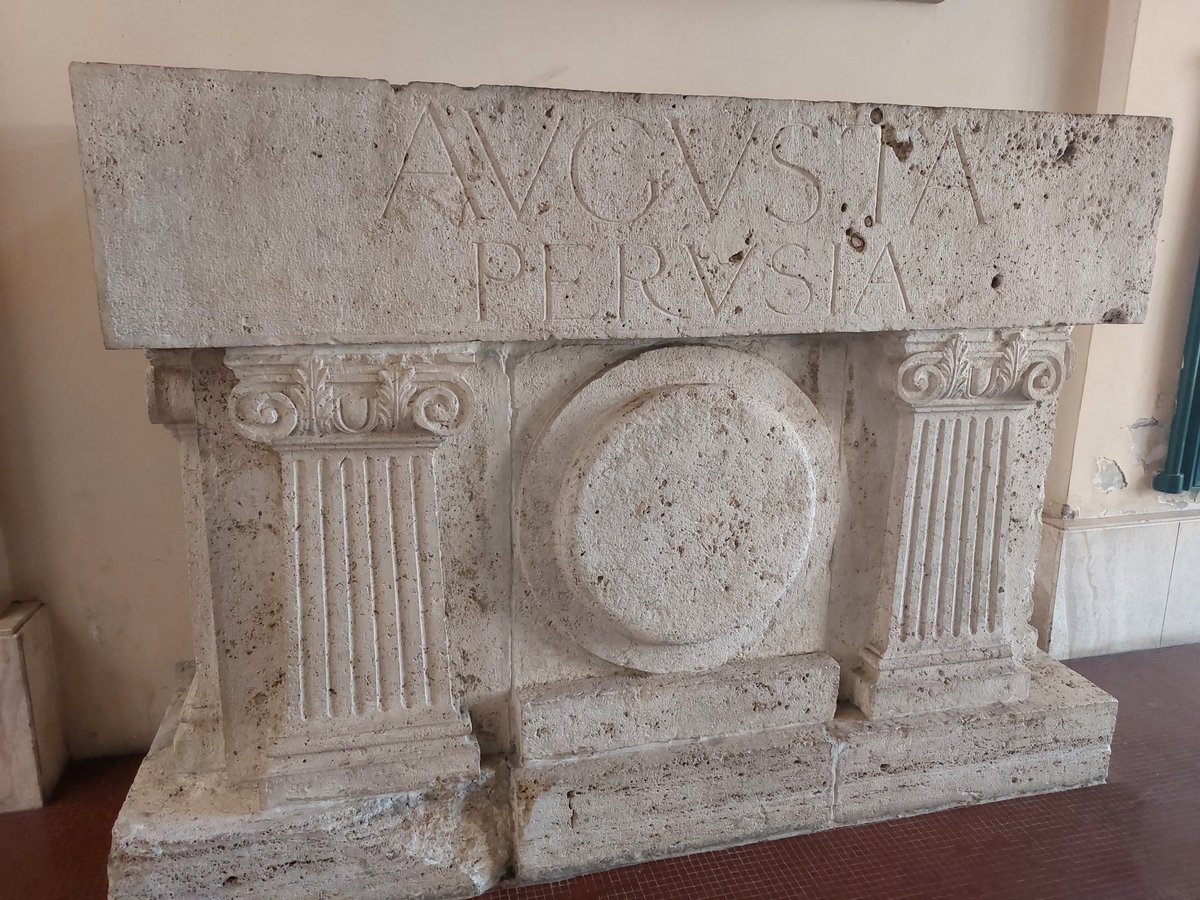
This inscription at Perugia station is a reminder of how Augustus' character changed. Perhaps his initial anger & brutality was replaced by acceptance & adjustment as he came to terms with his chronic lung problem @wmarybeard@theAliceRoberts@penswordbooks
Nature is reclaiming this imperial villa in Tuscany. Probably owned by Gaius and Lucius Caesar grandsons of Augustus and putative heirs. Both died young (? causes) leaving the way open for Tiberius @wmarybeard@romanarchaeouk
Fantastic day at Aldborough talking about 'Roman Emperors & Their Illnesses' to a full house. Great Roman garden with view of the White Horse. First visited in 1973: the place & the community continue to amaze @wmarybeard@JewryWallRoman@theAliceRoberts
Prone to illness throughout his life, Emperor Augustus suffered from bronchiectasis, asthma, tuberculosis, and diarrheal disease. Whereas Tiberius, according to Suetonius, was in better health and was wary of doctors. But he had poor vision, suffered from bowel colic, and possibly had gallstones. He had skin problems thought to have been caused by herpes simplex infection, and he had depressive episodes. Read more: https://t.co/HH0LWCXBul