Did you know? Women experience different heart disease symptoms than men.
Let’s raise awareness for women’s heart health this #WorldHeartDay.
Educate, prevent, and protect your heart ❤️ 💙 💜
Spread the word and save a life ❤️
#womenincardiology#WorldHeartDay2024
From a distance, humans look remarkably like every other social animal:
Moving. Pairing. Competing. Cooperating. Protecting our young. Surviving.
Our titles, status and carefully constructed importance disappear.
Perhaps consciousness didn't remove us from the animal kingdom.
It simply made us the animal capable of forgetting we belonged to it.
Sometimes, perspective is simply a matter of distance. 🌊
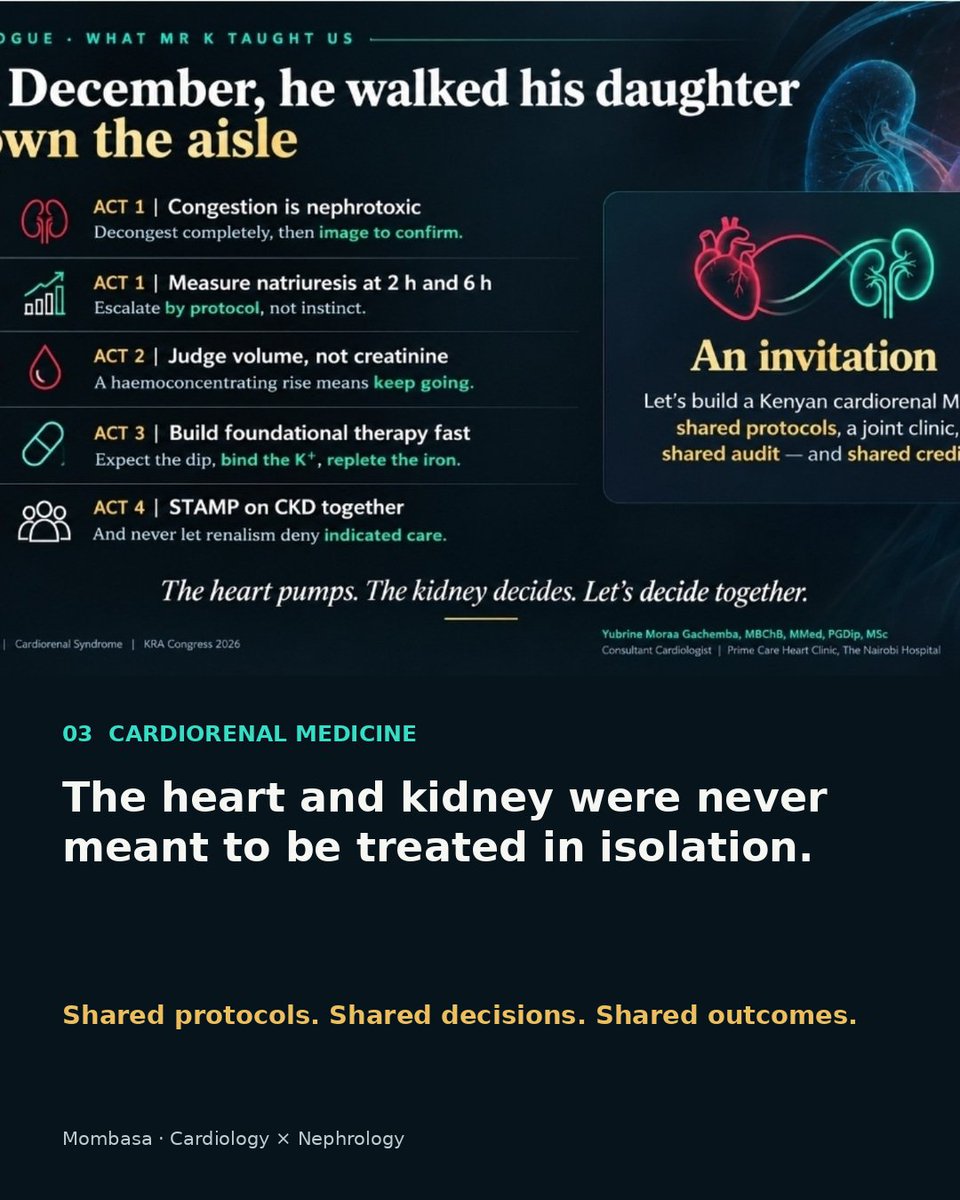
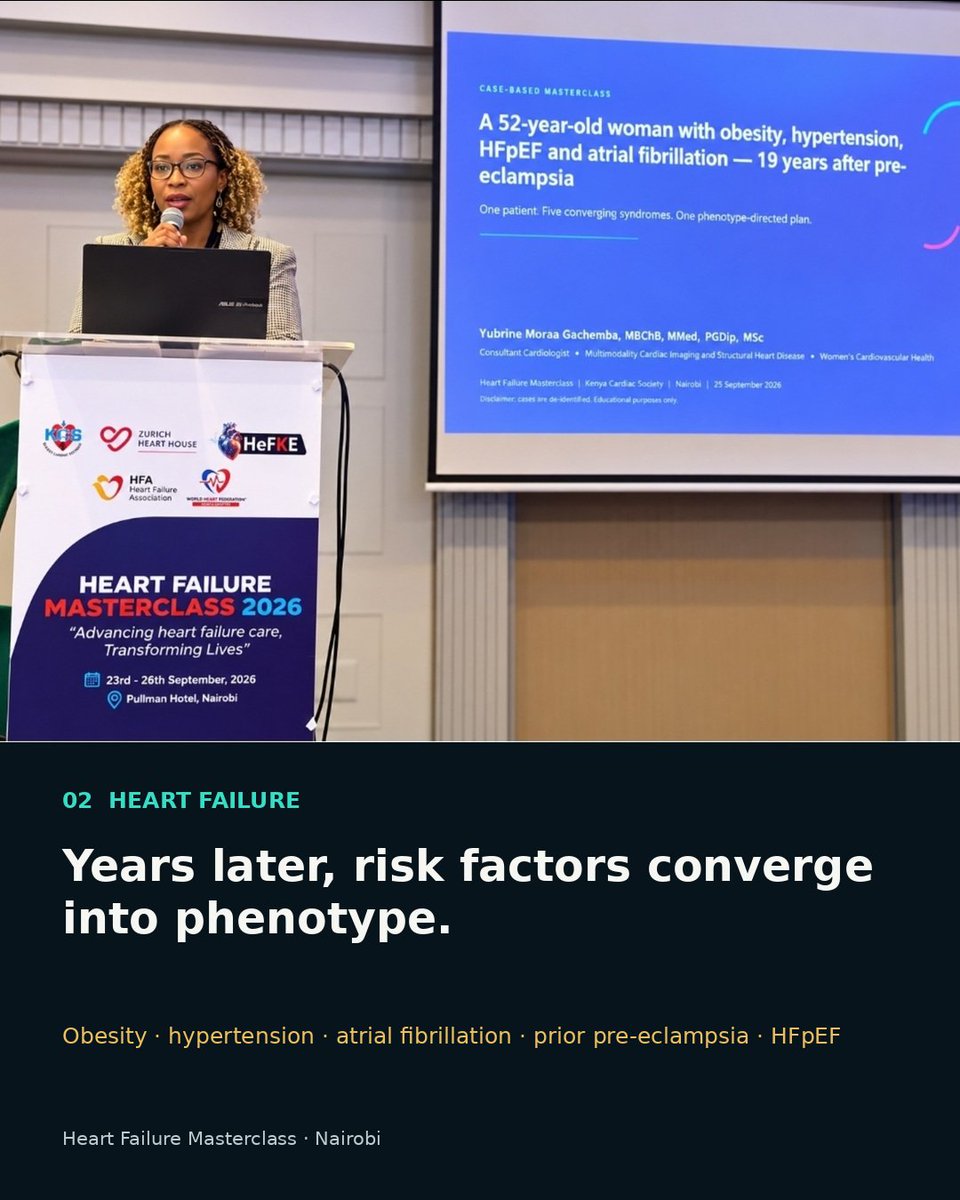
Exactly. The biology rarely respects our specialty boundaries. Pregnancy, cardiometabolic risk, heart failure and kidney dysfunction are often different chapters of the same cardiovascular trajectory. The earlier we connect those chapters, the greater the opportunity to shift from treating established disease to preventing progression.
Pregnancy → cardiometabolic risk → HFpEF → cardiorenal disease.
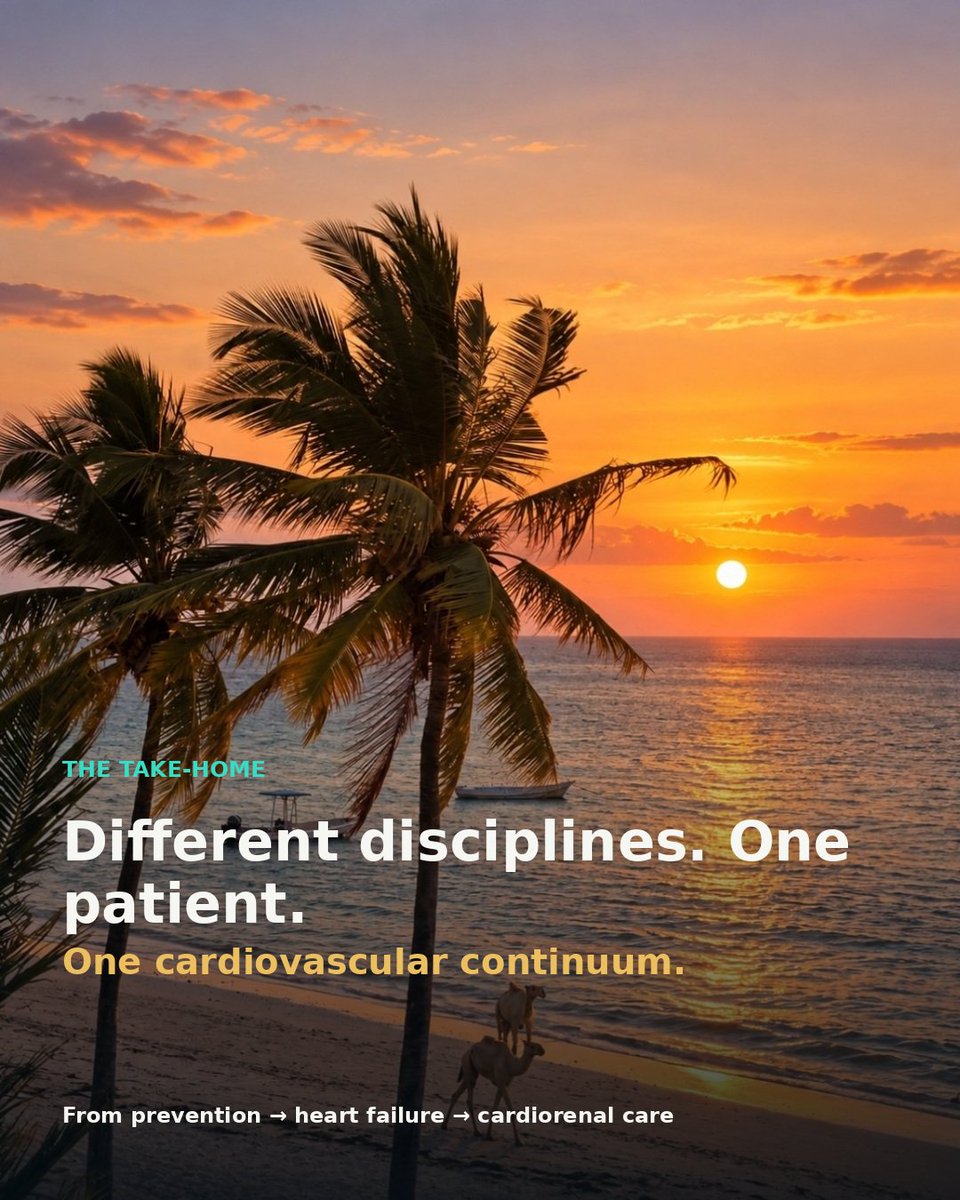
Three scientific conversations. One cardiovascular continuum.
Nairobi: women’s cardiovascular health.
Nairobi: heart failure.
Mombasa: heart × kidney.
Different specialties often meet the same disease trajectory at different stages.
The opportunity? Connect the dots earlier.
Different disciplines. One patient. One cardiovascular continuum.
#CardioObstetrics #HFpEF #Cardiorenal #Cardiology
@kenyacardiacs
A timely reminder that CAC and coronary plaque are not synonymous.
In DILWALE, 63% of clinically referred South Asian adults had plaque on CCTA—predominantly non-calcified.
The broader message for preventive cardiology is important: CAC = 0 remains reassuring, but risk assessment should not end with calcium alone. CCTA increasingly allows us to move beyond stenosis and calcium toward plaque phenotype, burden and biology.
The next frontier is determining how these imaging phenotypes should refine risk—and change management—across diverse populations.
#CCTA #CardiacImaging #PreventiveCardiology #ASCVD #Cardiotwitter
🔑 In the DILWALE Registry computed tomography angiography analysis of 341 clinically referred South Asian adults, 63% had coronary plaque that was predominantly noncalcified.
Read the expert analysis for more ➡️ https://t.co/7JQKWM92HG #ACCPrev#CardioX
A tough one... 🔎
🧲 Highly active 🧒 16-year-old male (rock climbing, cycling) with exertional presyncope (blurred vision and collapse under heavy load, no complete loss of consciousness).
🧲 Asymptomatic otherwise: denies chest pain, palpitations, or prior syncope.
🧲 PMH: Exertional rhabdomyolysis (suspected neuromuscular disorder), resolved fetal hydrothorax, and spina bifida.
🧲 Family History: Unremarkable.
🧲 Initial Workup: Normal PE, EKG, and Echo.
#WhyCMR was ordered for better evaluation...
🔑 Clue: IT IS NOT MYOCARDITIS 😉
@SCMRorg
🕷️ WITH GREAT "RESOLUTION" COMES GREAT RESPONSIBILITY.
Multiple ICDs. Previous MI. Multiple stents. Multiple CABGs.
Basically, the cardiovascular equivalent of a final boss. 😅
Then comes Photon-Counting CT.
Everything is so sharp.
Everything is so clear.
Everything is so damn visible…
…that now you actually have to explain ALL of it. 😂
The old problem was: “Can we see it?”
The new problem is:
“Oh damn. We can see EVERYTHING.”
Welcome to Photon-Counting CT.
No more hiding behind the pixels. 🫀🔬
#PhotonCountingCT #CardiacCT #CCTA #PCCT #CardiacImaging #Radiology
❤️ The vagus nerve may be much more than a “brake” on heart rate
The vagus nerve may participate in a much broader cardioprotective network connecting the brain, heart, intestine, spleen, immune system and circulation.
What happens during myocardial ischaemia?
Acute MI produces pain and stress with predominant sympathetic activation. This can aggravate myocardial ischaemia, promote arrhythmogenesis and contribute to inflammation and subsequent adverse remodelling.
Vagal activation can counterbalance this response, but the physiology goes considerably beyond bradycardia.
Acetylcholine acting through muscarinic receptors reduces sinoatrial automaticity and AV conduction. Yet vagal signalling also involves nitric oxide, vasoactive intestinal peptide and α7 nicotinic acetylcholine receptors, linking autonomic regulation with vascular and inflammatory pathways.
Ventricular mechano and chemosensitive vagal afferents can be activated during coronary occlusion and reperfusion, producing the classical Bezold-Jarisch reflex: bradycardia and hypotension.
Clinically, we often perceive this mainly as a haemodynamic problem, particularly in inferior or right ventricular infarction.
But physiologically it may also represent an endogenous protective response. The review describes experimental evidence associating vagal activation with fewer ventricular arrhythmias and sudden death.
Vagal cardioprotection appears to involve a brain-heart-gut-spleen axis.
Remote ischaemic conditioning activates sensory pathways that recruit central vagal activity. Subdiaphragmatic vagal signalling can then stimulate the release of circulating cardioprotective substances.
One proposed mediator is GLP-1 from the intestine, which may influence coronary microvascular function. The spleen also appears to act as a relay between autonomic, immune and cardiovascular signalling.
Importantly, experimental protection persists even without a reduction in heart rate and can disappear after vagotomy or atropine.
So this does not appear to be simply:
↓ HR → ↓ myocardial oxygen demand → smaller infarct.
There seems to be a genuine biological cardioprotective signalling pathway.
Electrical auricular tragus stimulation, a non-invasive approach to vagal neuromodulation, has been associated in smaller studies of STEMI with reduced infarct size, fewer arrhythmias and signals toward improved clinical outcomes.
Remote ischaemic conditioning represents another way of recruiting this pathway.
But translation requires caution. Large trials of remote ischaemic conditioning have been neutral, leaving its clinical benefit in reperfused MI controversial.
Reference 📚
Heusch G, Kleinbongard P, Gourine AV. 2026. The vagus nerve in myocardial infarction. European Heart Journal.
https://t.co/6DcNS34kGJ
Now available on demand: the Inaugural Women's Symposium on Cardiovascular Health and Prevention! Join Course Directors @DrMarthaGulati and @DrDastmalchi as they sit down with national experts to discuss updates in women's cardiovascular health.
Presenters:
@a_l_bailey, Ty Gluckman, MD, MHA, FASPC, @mchonig, @ErinMichos, @AnnMarieNavar, @AnumSaeedMD, @DrMichaelShapir, Leslee Shaw, PhD, @PamTaubMD, @DrKTobb,
Watch it here: https://t.co/tDXyk0XEuk
#ASPC #WomensHealth #CardiovascularHealth #PreventiveHealth
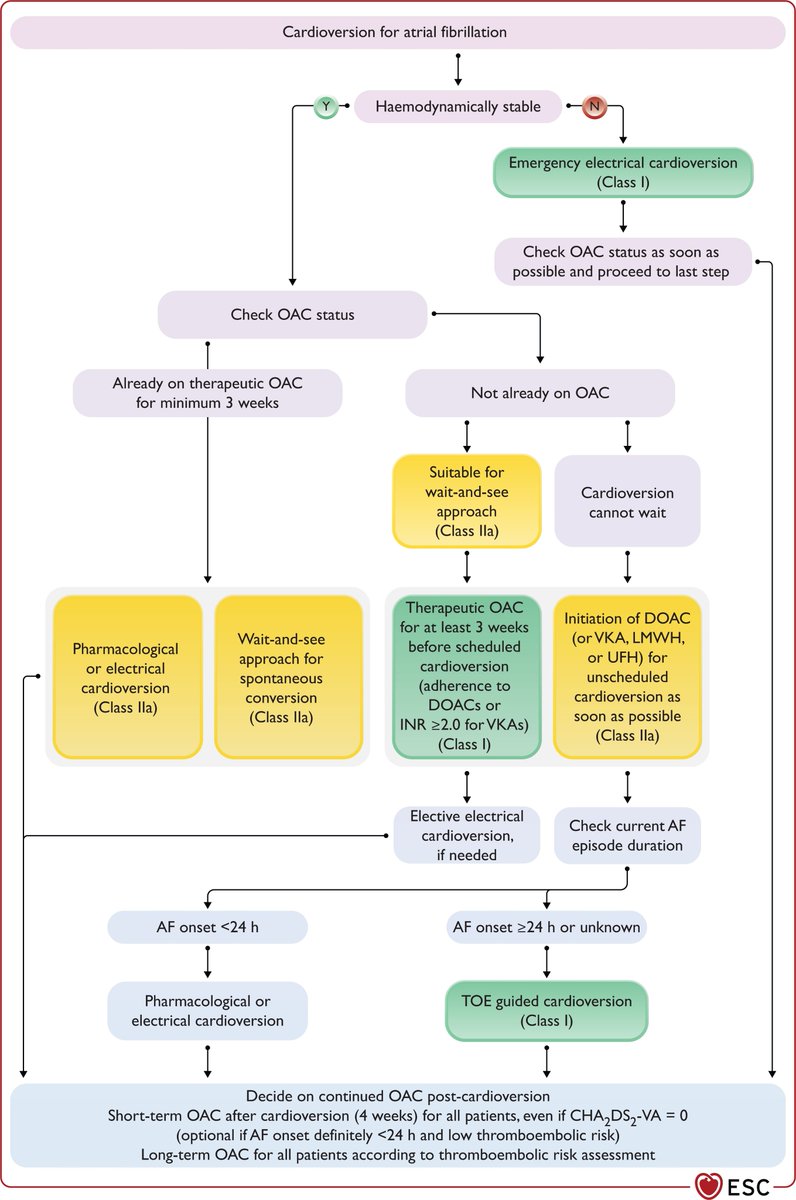
When do you cardiovert atrial fibrillation?
The 48-hour rule is no longer the key threshold in the 2024 ESC AF Guidelines. The important cutoff is now 24 hours.
🟧 AF ≤24 hours
Cardioversion can be considered in appropriate patients. In haemodynamically stable patients, a wait-and-see strategy for spontaneous conversion may also be considered.
🟥 AF >24 hours or unknown duration
Do not routinely perform immediate cardioversion unless:
➡️ The patient has received at least 3 weeks of therapeutic anticoagulation, or
➡️ TOE/TEE excludes intracardiac thrombus
Haemodynamic instability due to AF
- Perform immediate electrical cardioversion.
- After cardioversion, anticoagulation should generally be continued for at least 4 weeks, with longer-term anticoagulation determined by the patient's thromboembolic risk.
Source: 2024 ESC/EACTS Guidelines for the Management of Atrial Fibrillation.
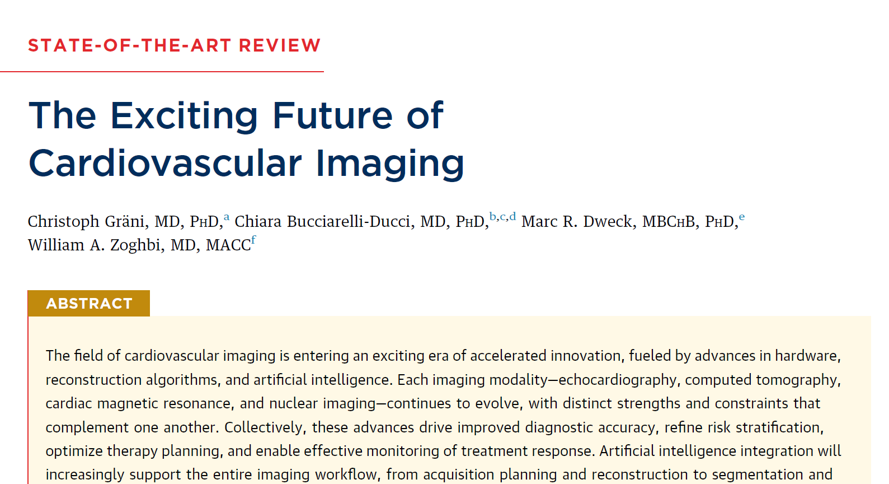
Hot of the press! Our Vision on the exciting future of cardiovascular imaging. A pleasure to work with my European colleagues @chiarabd@MarkDweck@chrisgraeni
https://t.co/hqUBAU684m
The more science you learn, the harder it becomes to call nature “ordinary.”
A flower. A bee. An entire system at work.
Sometimes the most sophisticated thing we can do is simply pay attention. 🐝🌿
Could pregnancy complications signal long-term kidney risk?
A study of over 160,000 women found that gestational diabetes and hypertensive disorders of pregnancy were associated with a higher risk of CKD.
https://t.co/RWh23CWDiP
#GestationalDiabetes#CKD#WomensHealth#MTOD
African athletes have shaped global sport for decades.
Nairobi 2029 should also be an opportunity for Africa to shape the science behind it — athlete health, sports cardiology, exercise science, African data, clean sport and safer competition.
Let the legacy be bigger than the event. 🇰🇪🌍
#Nairobi2029 #SportsCardiology