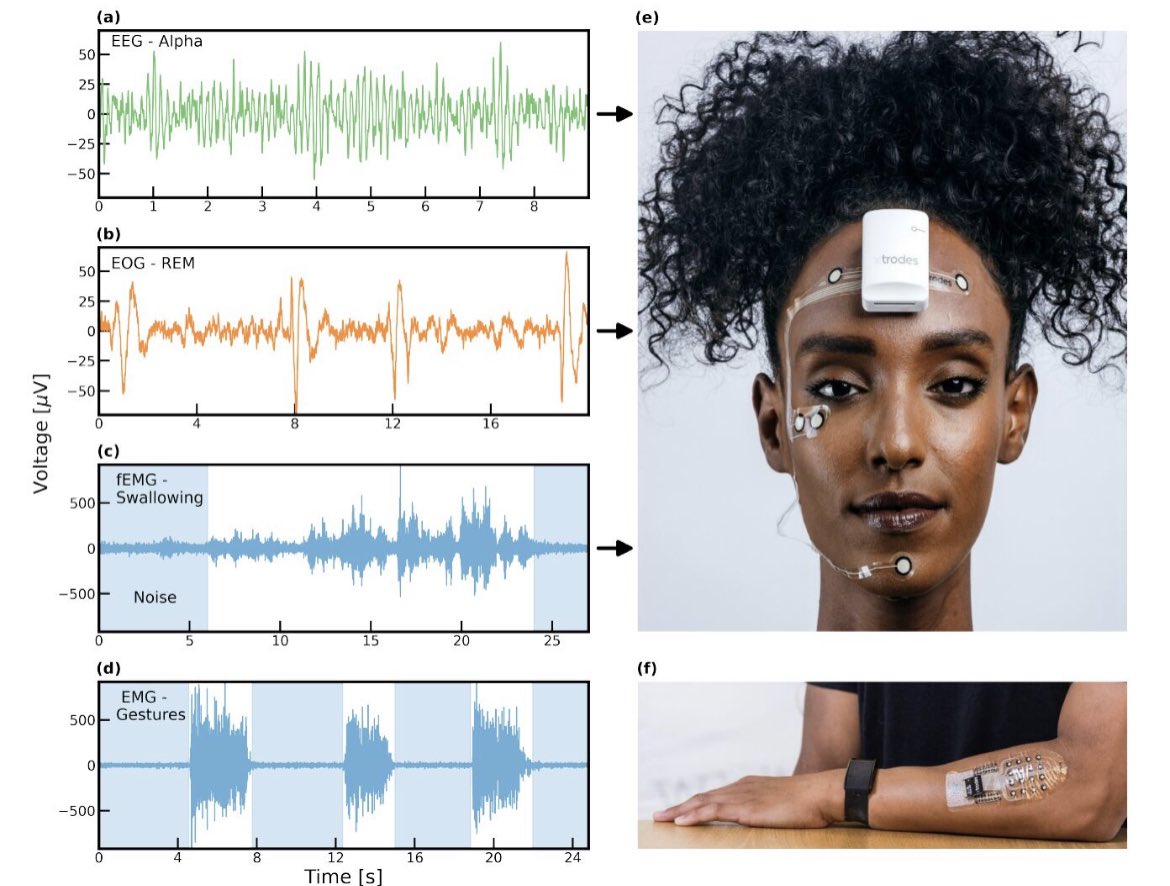
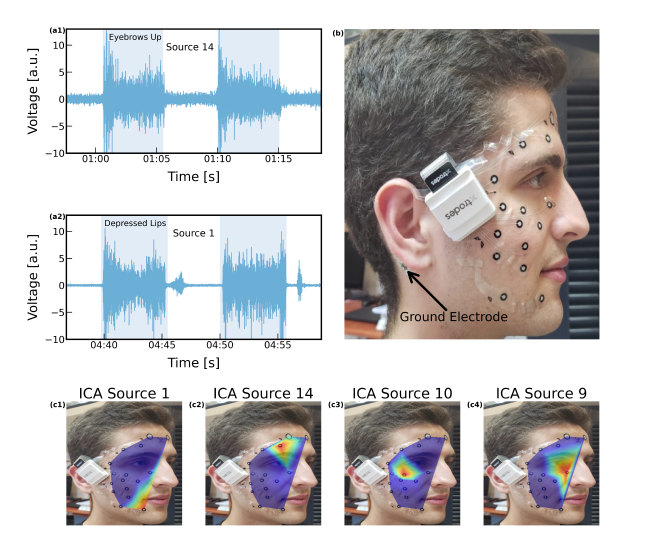
The Elusive Noise in Skin Electrophysiology: Good Signal-to-Noise Ratio (SNR) in skin electrophysiology is all about minimizing noise, but have you ever wondered just how far noise reduction can go? And what's the magic behind the performance of dry electrodes?
@Xtrodes
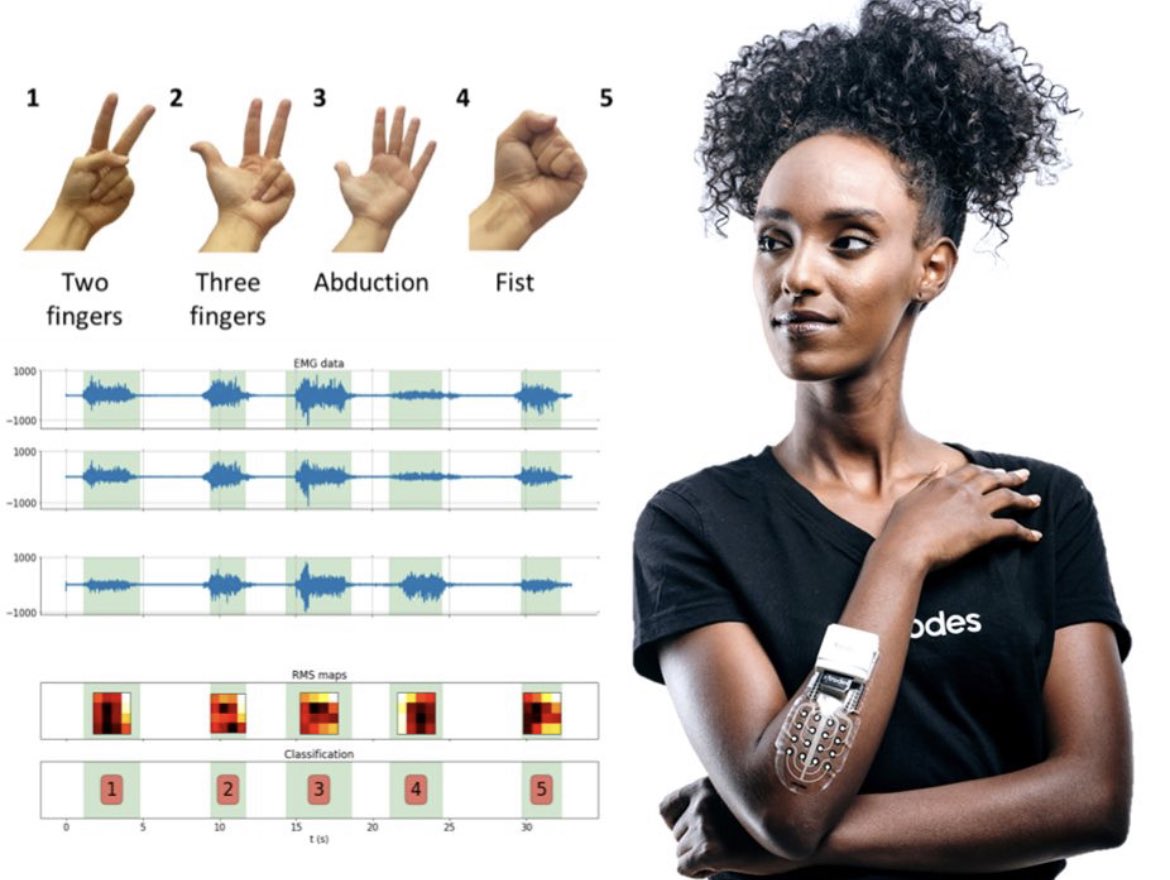
Just accepted - Finger gesture recognition with smart skin technology and deep learning. Smart skin coupled with incredibly smart students (Adi and Liron) #deeplearning#bci#EMG#gestures
https://t.co/G4aGXMiAUV
A major milestone in a long and challenging journey
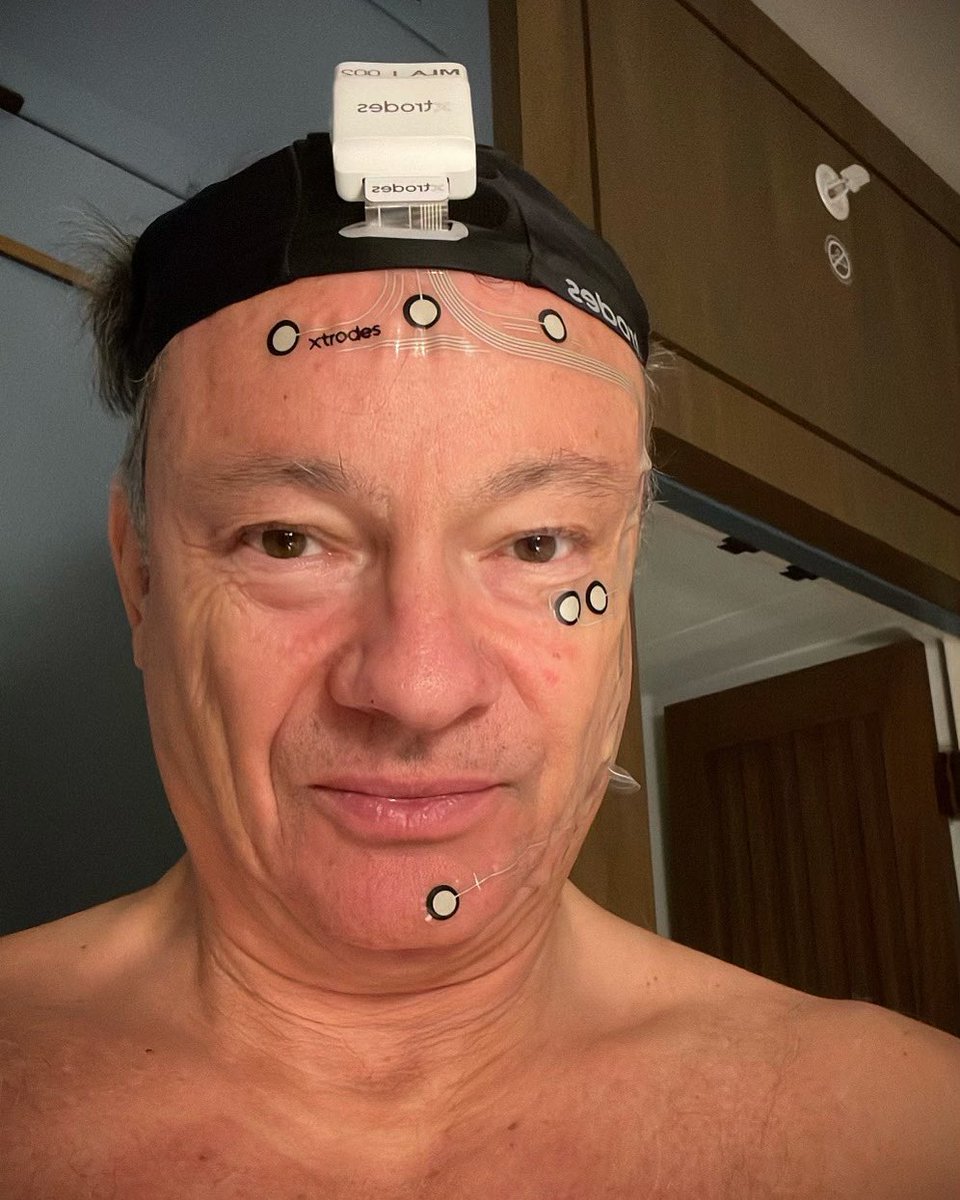
Monitoring sleep stages with a soft electrode array: Comparison against vPSG and home-based detection of REM sleep without atonia
https://t.co/hdFGw5aZnm
𝗪𝗵𝗮𝘁'𝘀 𝘁𝗵𝗲 𝘁𝗶𝗺𝗲 𝗰𝗼𝘂𝗿𝘀𝗲 𝗼𝗳 𝗽𝗿𝗼𝗰𝗲𝘀𝘀𝗶𝗻𝗴 𝗶𝗻 𝘁𝗵𝗲 𝗯𝗿𝗮𝗶𝗻?
Laurent Perrinet asked about the timing but processing it not sequential in the brain. His figure is below:
https://t.co/75K37y1CJC
I'll follow up in a thread.
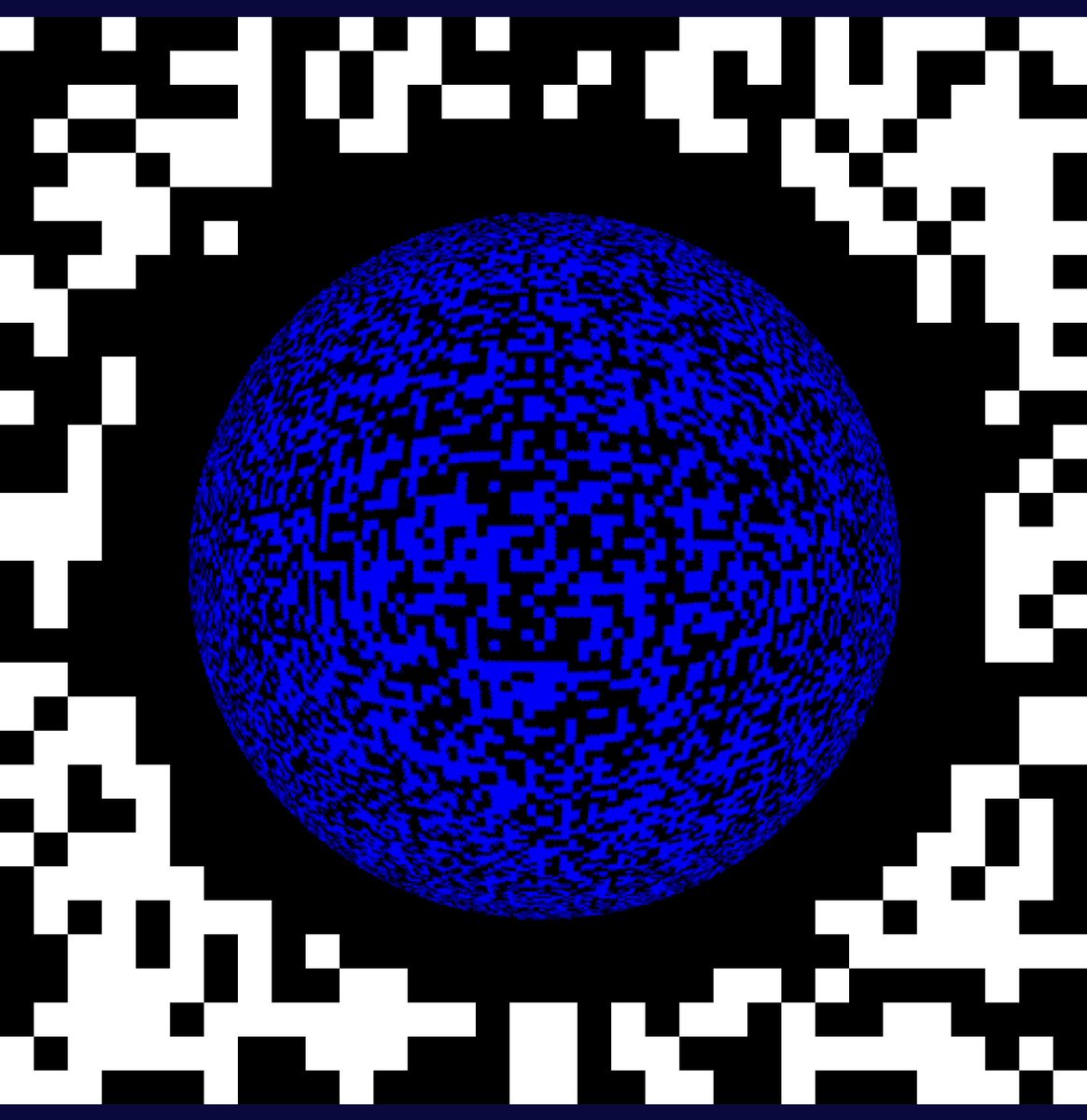
אשליה אופטית יפה שפותחה ע״י פרופ׳ אקיושו קיטאוקה מאוניברסיטת קיוטו ביפן. במידה ואתם קוראים את הציוץ מטלפון נייד או טאבלט, הזיזו את המכשיר מצד לצד (או הטו אותו ימינה ושמאלה) והכדור הכחול במרכז התמונה יראה כאילו הוא מקפץ. למען הסר ספק, זאת תמונה סטטית ולא גיף!
הסבר בציוץ הבא ⬅️
A BCI (brain-computer interface) is a technology that sends and receives signals between the brain and an external device. BCIs collect and interpret brain signals and then transmit them to a connected machine that outputs commands associated with the brain signals received.
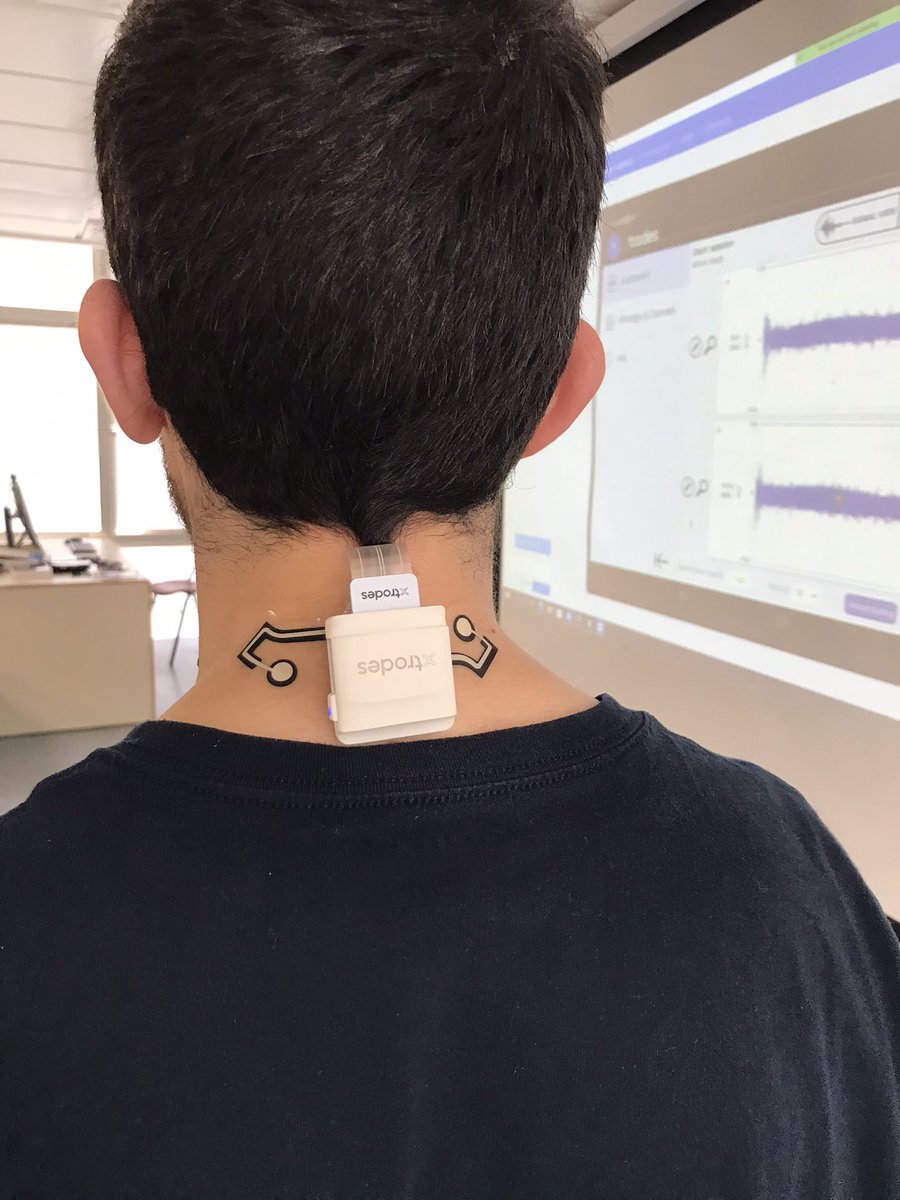
This week I callanged the students in my bioelectronics class to suggest an approach to use electrophysiology to monitor stress. This is what they came up with. HR + trapezius EMG!
Over a third of adults have sleep problems. A start-up hopes to make diagnosing them easier and cheaper, by developing a sleep tracker fitted with tiny sensors that stick to the skin like a band-aid, and can be used at home. https://t.co/pYPEqJfLt7