It was such a joy to celebrate Hanukkah with Mandy, Kathryn and their son, Gideon. As Jewish New Yorkers across our city prepare to light candles and mark the seventh night today, I wish you and your families a Hanukkah full of light and love.
@patrickbetdavid Your heart is full of hate. You think that’s what Jesus taught. You don’t care about 90% of 2 billion human beings.
We suffered from terrorism in the Muslim world just as much as the rest of the world.
Extremism exist in every religion, and we saw an example of that in Gaza.
Ever wonder about the culture of our program? See what @ChinenyeOdo20 has to say in our latest YouTube video! 🎥
#LifeChangingResidency
https://t.co/qtHIt0nyb4
Thank you, brother. I have nothing but respect and goodwill for every human being God has created. I appreciate the depth of our exchange and the sincerity behind it. Still, it seems clear that we will not reach full agreement, especially when we are discussing texts that are thousands of years old and open to many interpretations. I truly believe that if you read the Qur’an with an open heart, you will find not only wisdom and guidance, but also compassion, justice, and a profound call to human dignity. And I fully acknowledge that the Bible also contains guidance and truth, as I regard it as a book from God and respect it deeply.
The verses you cited actually support what I said. When the Qur’an says it is “in the Preserved Tablet” (Q 85:21–22), it doesn’t mean the literal Arabic text existed eternally as ink on a tablet. Classical scholars—including Ibn Kathīr and Ṭabarī—explain that the Tablet contains God’s knowledge of all things, including what would later be revealed as the Qur’an. That’s why the Qur’an is called tanzīl—a “sending down”—because the linguistic form was revealed in stages, in response to events, over 23 years. In other words: the meaning, knowledge, and truth of the Qur’an are from God’s eternal knowledge, while the Arabic expression was revealed in time to humanity. Saying that the Tablet contains God’s decree and knowledge and saying the Qur’an is a revelation from that knowledge are not contradictory—this is exactly how classical tafsīr explains it.
@SalomonsRing@PBDsPodcast The Preserved Tablet (al-Lawḥ al-Maḥfūẓ) = God’s absolute knowledge and the laws of the universe.
The Qur’an = a revelation from that knowledge, expressed in a linguistic form understandable to humans.
The verses you cited actually support what I said. When the Qur’an says it is “in the Preserved Tablet” (Q 85:21–22), it doesn’t mean the literal Arabic text existed eternally as ink on a tablet. Classical scholars—including Ibn Kathīr and Ṭabarī—explain that the Tablet contains God’s knowledge of all things, including what would later be revealed as the Qur’an. That’s why the Qur’an is called tanzīl—a “sending down”—because the linguistic form was revealed in stages, in response to events, over 23 years. In other words: the meaning, knowledge, and truth of the Qur’an are from God’s eternal knowledge, while the Arabic expression was revealed in time to humanity. Saying that the Tablet contains God’s decree and knowledge and saying the Qur’an is a revelation from that knowledge are not contradictory—this is exactly how classical tafsīr explains it.
Saying “7 sahih hadiths” doesn’t change the timing issue, because all of those narrations ultimately trace back to the same single source—Hishām ibn ʿUrwah—and his narrations about ʿĀ’isha’s age only appear after he moved to Iraq, more than a century after the events. Even classical scholars like Mālik and Yaḥyā ibn Saʿīd criticized his Iraqi-period narrations for inconsistencies. So it’s not seven independent early reports; it’s one report multiplied through later chains. By contrast, Asmā’s age and the 10-year gap come from multiple independent early biographical sources (Ibn Saʿd, Ṭabarī, Dhahabī). So the timing actually does matter: a cluster of late chains from one root narrator cannot override earlier, multi-sourced historical chronology.
Direct isnāds are important, but one solitary report written down more than 200 years after the Prophet ﷺ cannot override solid, continuous historical data—like Asmā’s well-established age, the 10-year age gap between her and ʿĀ’isha, and the recorded dates of the Hijra, which place ʿĀ’isha in her late teens, not as a child. That isn’t “math,” it’s early biographical chronology found in Ibn Saʿd, Ṭabarī, and Dhahabī. And please, don’t accuse me of “taqiyya”—that concept isn’t part of Sunni doctrine at all, and using it just shuts down honest discussion. I’m engaging sincerely and respectfully, and the evidence stands on its own.
Your question assumes that God must erase every social problem instantly instead of guiding humanity through a moral evolution. But that’s not how revelation worked in any religion. Whether you look at the Torah, the Bible, or the Qur’an, divine guidance always reformed societies step-by-step rather than instantly rewriting their entire social and economic structures overnight.
In the 7th century, slavery existed globally—Europe, Persia, Rome, India, Africa, and Arabia. It wasn’t just “mainstream”; it was the economic foundation of every civilization. What the Qur’an did uniquely was restrict it, humanize those enslaved, and repeatedly call freeing slaves a virtuous act. In fact, nearly every major sin in Islam—breaking oaths, harming someone, accidental killing, etc.—had freeing a slave as the highest form of repentance. It was the world’s first moral system that connected worship of God with emancipation.
Also, the Qur’an forbids acquiring new slaves except from active war captives (a universal rule at the time), and it places heavy moral pressure to release them or treat them like equals. This is why Muslim societies were among the first ancient civilizations to produce large communities of educated, wealthy, and even ruling ex-slaves.
And before criticizing Islam, compare this with the Bible:
•The Old Testament explicitly allows buying and inheriting slaves (Leviticus 25:44–46).
•Exodus 21 gives rules on beating slaves and even allows selling daughters.
•The New Testament tells slaves to “obey your masters” (Ephesians 6:5).
None of this is meant as disrespect—just a reminder that every religion operated within the realities of its time.
So the question isn’t “why didn’t God instantly ban slavery in 600 AD?”
It’s: which revelation pushed humanity strongest toward the moral arc that eventually abolished it?
And historically, the Qur’an did exactly that by planting the principle, repeating it, and empowering enslaved people socially, economically, and spiritually until the institution collapsed from within.
That’s not a God who “didn’t know the future”—it’s a God who teaches humanity how to grow into the future.
The claim that ʿĀ’isha was married at 6 and consummated at 9 rests on a single ḥadīth written down more than 200 years after the Prophet ﷺ, during a period when fabricated and mistaken reports were known to exist. By contrast, we have much stronger historical data about her sister Asmā’, who died in 73 AH at exactly 100 years old, meaning she was 27–28 at the Hijra. Since Asmā’ was 10 years older than ʿĀ’isha, this places ʿĀ’isha at 17–18 at the Hijra, and because consummation occurred 2–3 years after the Hijra, she would have been roughly 19–21—not 9. When a late solitary narration contradicts clear chronological evidence, responsible scholarship accepts the stronger historical data: ʿĀ’isha was a young adult, not a child, when she married the Prophet
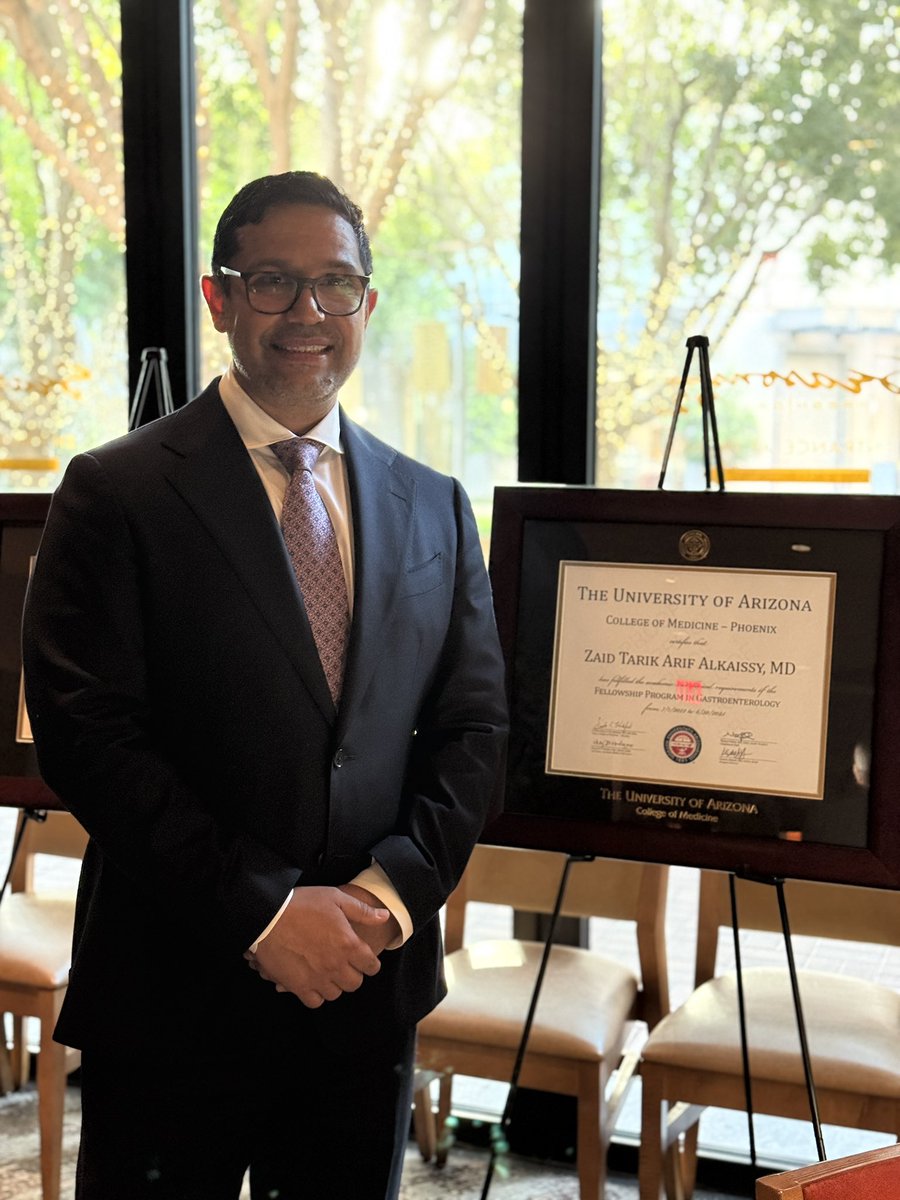
Over 20 years ago, I left Iraq as a refugee, forced to start over in a world I didn’t yet understand, but determined to survive. After years of struggle and uncertainty, I made it to Germany, where I completed medical school—facing language barriers, isolation, and countless challenges along the way.
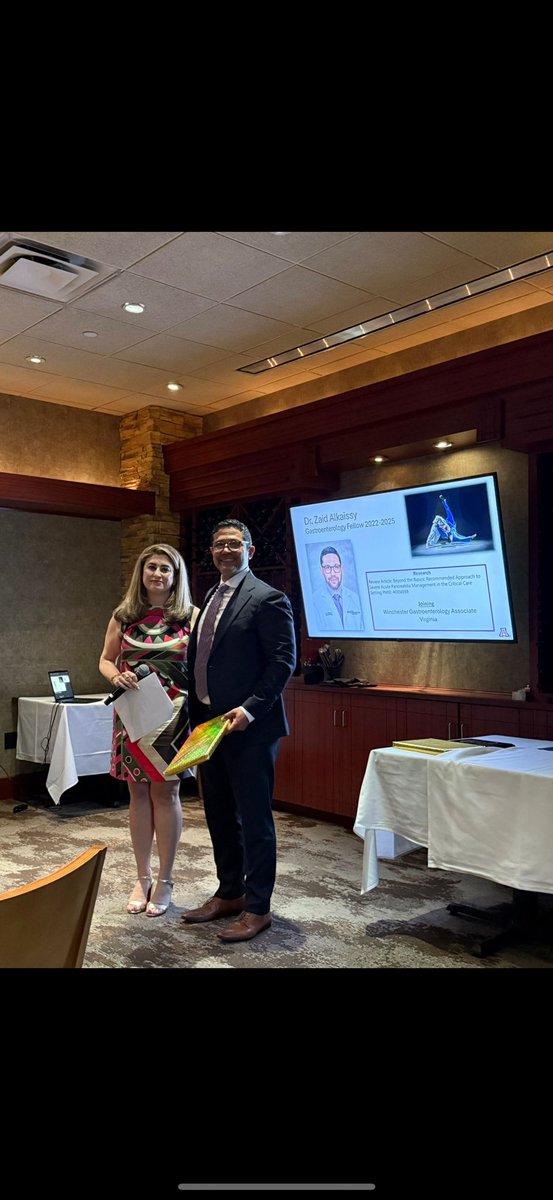
That alone could have been the end of the story. But I chose to take on another challenge: starting over once more, this time in the United States. From scratch, I worked my way through residency, and now, by the grace of God and the support of those around me, I have completed my fellowship.
This journey is deeply personal, but I know I’m not alone. There are countless Iraqis—friends, brothers, and sisters—who have endured hardship, loss, and rebuilding after the war. Many of us carry unseen scars, but also an unshakable strength.
To my late mother—your sacrifices, prayers, and love carried me through more than you’ll ever know. I hope you’re proud.
To my incredible wife—your unwavering support has been my anchor.
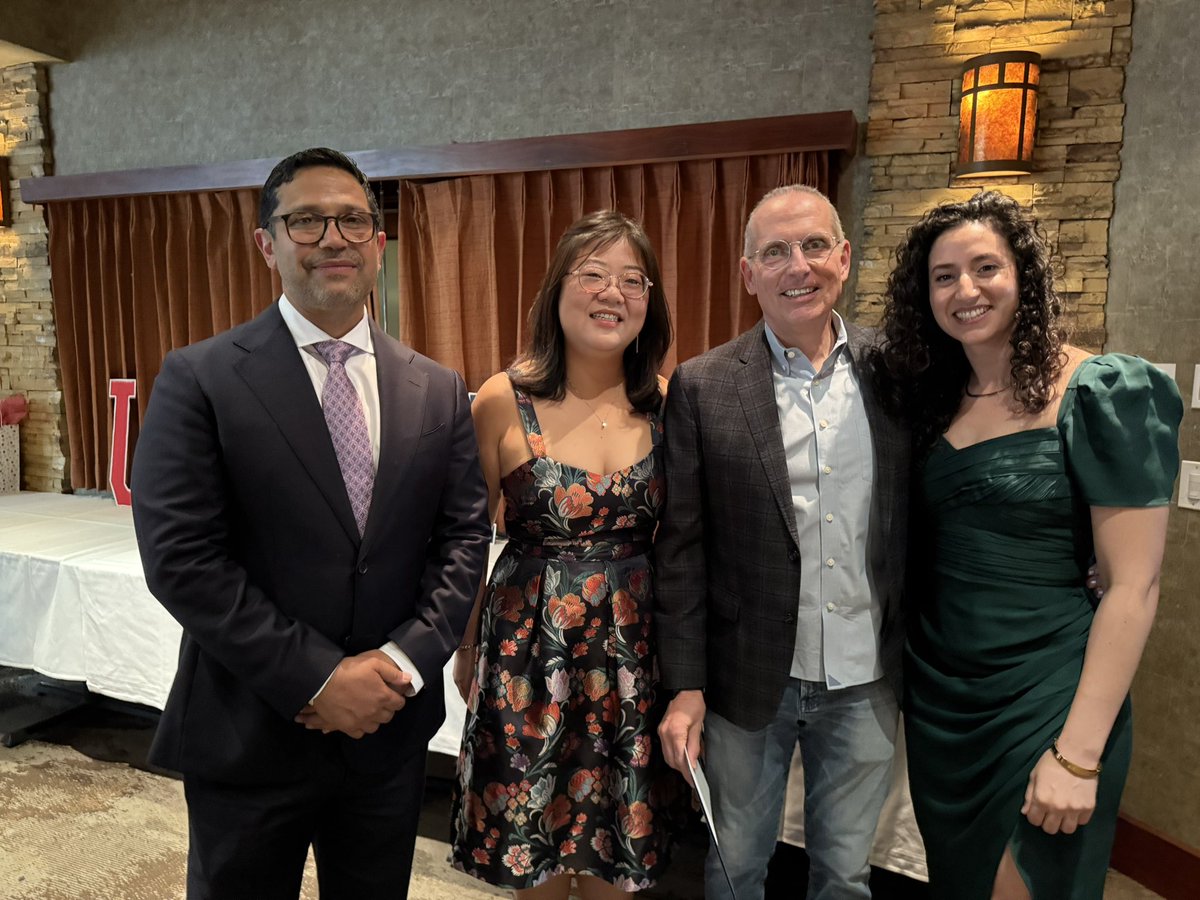
To my family and friends—thank you for lifting me when I couldn’t stand on my own.
I share my story not to seek recognition, but to offer hope. For those facing war, displacement, or impossible odds: your dreams are still valid. Your journey matters. And your future is worth fighting for.
From refugee to physician—this is a testament to what’s possible.
@YasminAlishahi@uarizona@UAPhxIM@UAzMedPhxChair@UKKoeln@UniCologne@PittIMChiefs