Scala 2.13.2 is out, with:
* a brand-new Vector implementation
* configurable warnings
* an improved REPL (now JLine 3 based)
* bugfixes and more
Thank you to all our contributors ✨ https://t.co/eUnyGL6qb2
2020 will see revolutionary changes to business across industries. Much of that change will be driven through #analytics; it will be a launching point and will have a heavy focus on #augmented analytics.
Read more on #AI trends for 2020 👉https://t.co/SMa9H4mTga
To trust your #data ’s context, you must understand it. Knowing the who, what, when, where, and why of your data means knowing your #metadata, otherwise known as #metadatamanagement.
Why should you implement a metadata management strategy 👉https://t.co/w6Rbd3ElkO
Pour ceux qui comptent venir au mob programming #scala en remote, n'oubliez pas de vous inscrire, checkout le repo et lancer une première fois l'App. Ça nous fera gagner du temps 😘 https://t.co/JOj4bFs30x
Hello people coming to the #scala#mob tomorrow : https://t.co/D03WXqSAd9, please clone and launch the project to have more time together 😘
The readme should be enough, tell me if it needs to be improved https://t.co/870wOkiTjI
See you soon 🎉
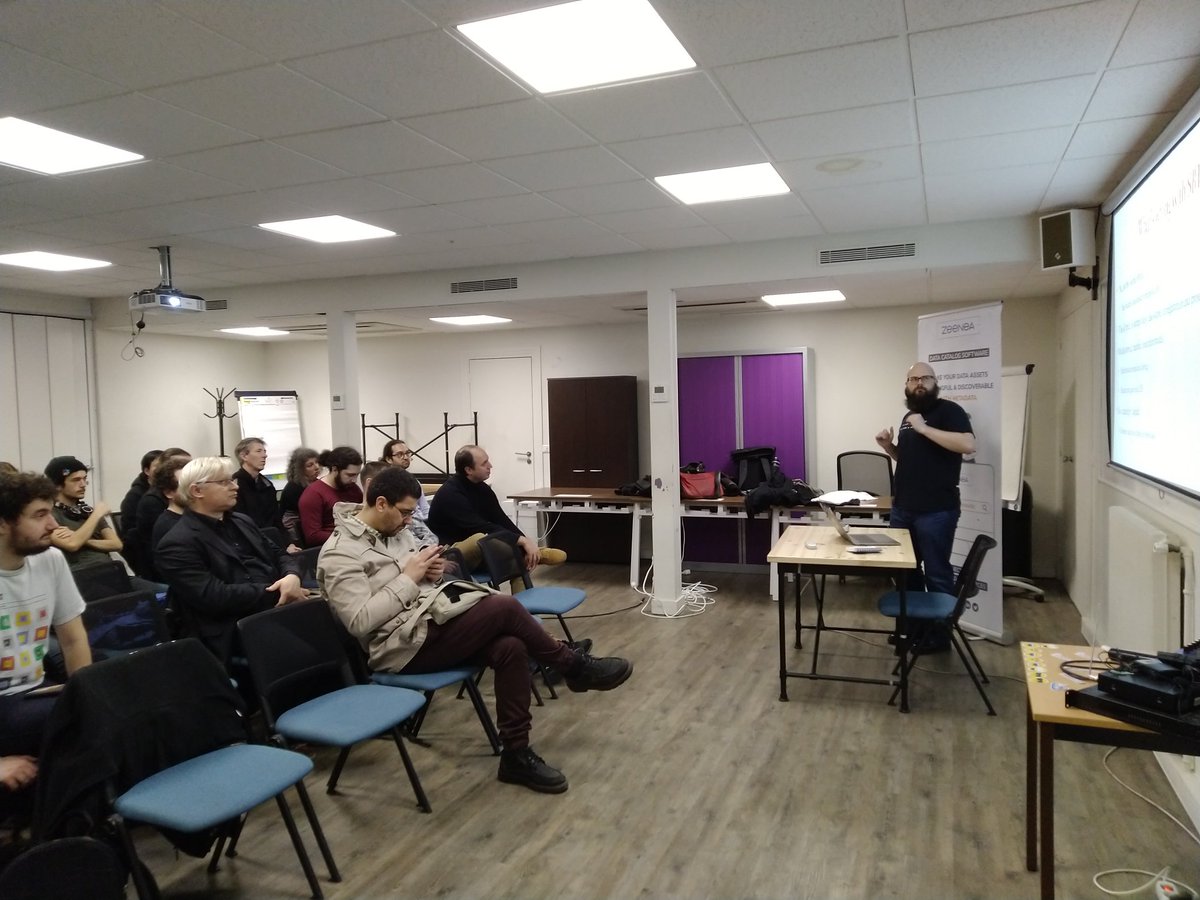
Ce soir, nous recevons pour la première fois le Meetup #BigData & #MachineLearning 😇
L'occasion d'entrer plus en profondeur sur le concept de #DataFingerprint que nous utilisons dans notre Data Catalog par Yoann Sevi de @XebiaFr & @julienBuret, CTO chez @ZeeneaSoftware
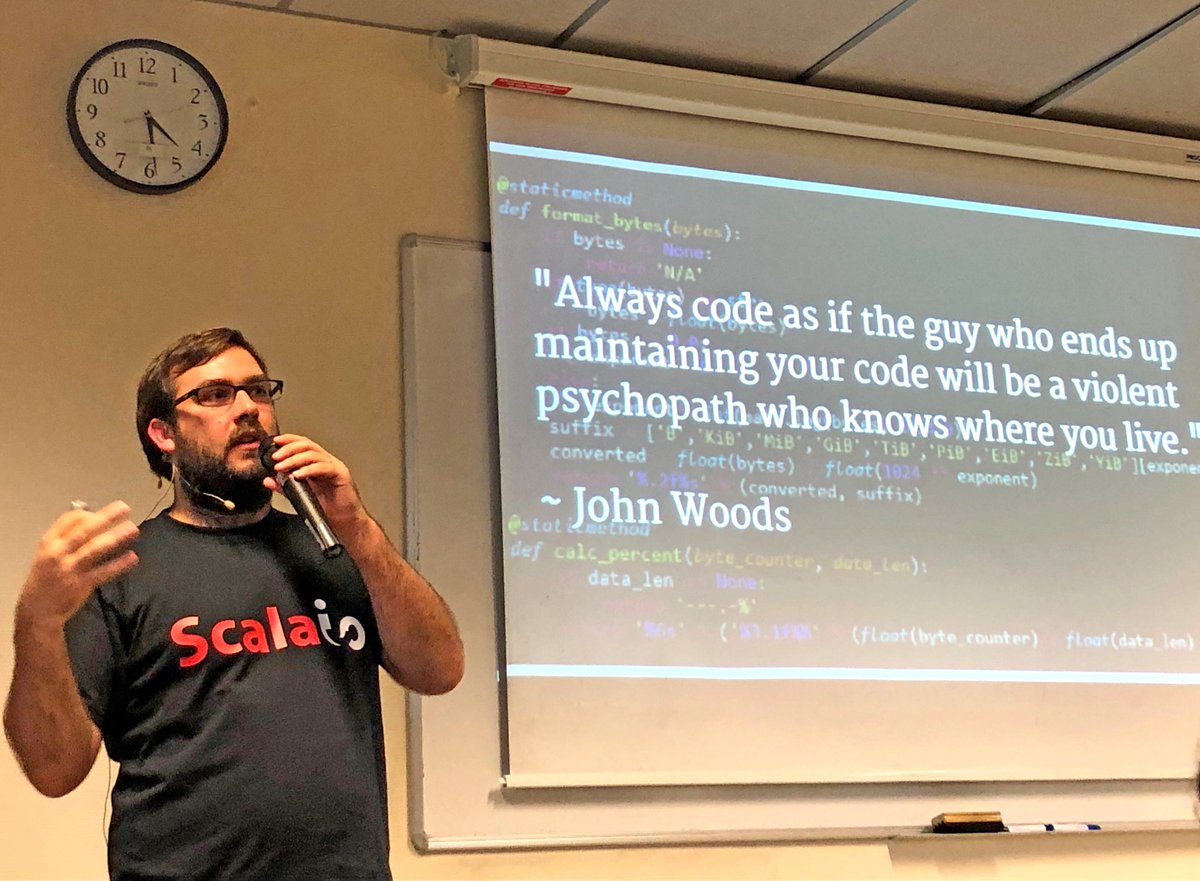
« En Scala, il est très facile d’écrire du code concis, mais difficilement lisible. Le mieux est d’écrire du code concis dans les parties communes du code, et du code verbeux dans les parties spécifiques » @loicknuchel@ScalaIO_FR#Scala#ScalaIO#ScalaIO2019












![ZeeneaSoftware's tweet photo. [MEETUP 💡] Découvrez le #DataFingerprinting, une approche pour optimiser la compréhension des #data ! Ce soir, Julien Buret, #CTO chez Zeenea et Yoann Sevi, #DataScientist chez Xebia vous présenteront cette technique mise en place notre #datacatalog. #BigData #MachineLearning https://t.co/d1WKrNeXe1](https://pbs.twimg.com/media/EJLXVXCWoAAHJ2A.png)