So excited to share our latest with Betty Diamond and many colleagues from the AMP RA/SLE consortium, @NIH_NIAMS , and @NIAIDNews ! A large-scale blood and tissue atlas of Lupus Nephritis! https://t.co/c1SAlMnRcu
I am very excited to share our publication, out now in Nature, detailing our developed CRAFTseq methodology for capturing and analysing single cell genomic DNA amplicons alongside the transcriptome and cell surface protein expression.
https://t.co/rQRubsK58P
📣Excited to share my last postdoc paper with
@soumya_boston on eQTL mechanisms depending on where the RNA is in the cell! @BrighamResearch@broadinstitute
TL;DR:Early RNA eQTL variants in the nucleus and late RNA eQTL variants in the cytosol have distinct molecular mechanism🧵👇
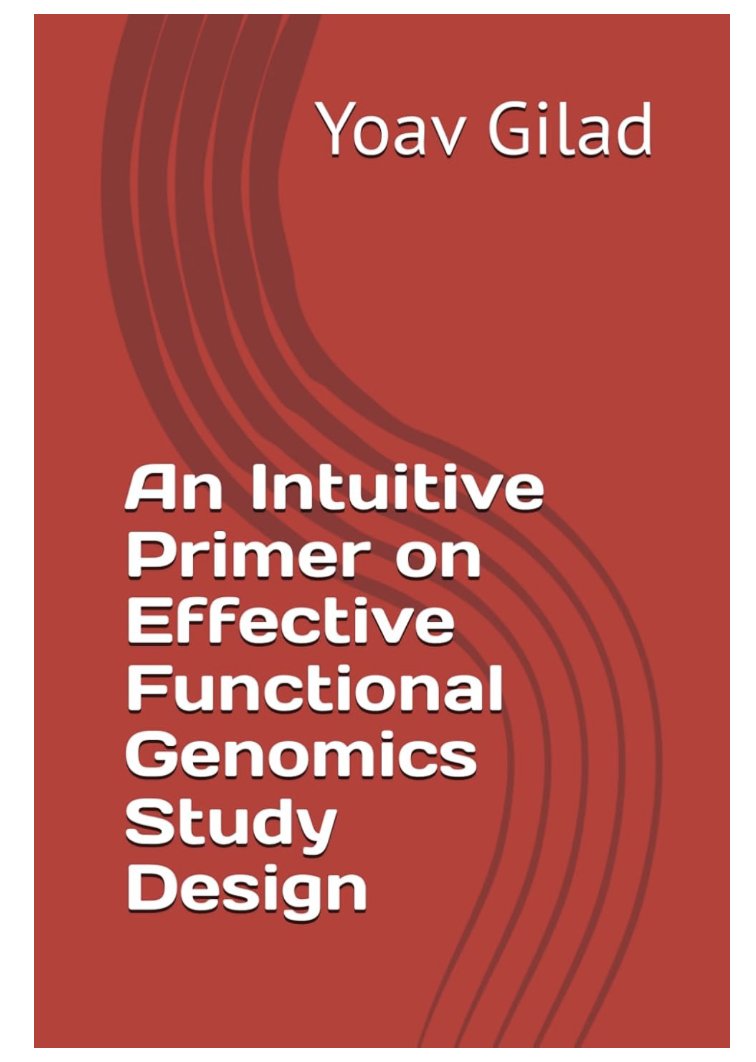
My book, An Intuitive Primer on Effective Functional Genomics Study Design, is published! I’d really appreciate it if you could help spread the word, and I’d love to hear your thoughts and feedback. It’s available on Amazon: https://t.co/VKR3l4RTSA
Huge thanks to my PhD advisor @yang_i_li and all collaborators especially @LB_Barreiro for their help and support!!! Huge thanks to all the donors! This data is a subset of a larger scRNA/scATAC data, read more about the cool discoveries in threads from @he_randolph!
Excited to share the final chapter my PhD research on @medrxivpreprint! eQTLs only explain 30% of GWAS loci and 11% of trait heritability. Here we investigate if epigenetic QTL can provide new insights at the remaining GWAS loci. https://t.co/vzkyjbTdkC
To conclude, we believe it is crucial to continue studying the genetic regulation of molecular phenotypes in more disease-relevant contexts. Furthermore, we emphasize the necessity of integrating various functional assays to elucidate causal mechanisms at GWAS loci.
Our work is out in AJHG! I wholeheartedly thank all the co-authors @marie_saitou@andywdahl@qbw_128 for their time and effort! All four of us started our own labs between 2019 and 2021 and the pandemic didn't make things easy. Super proud of everyone.
check out our review discussing immune diversity through the lens of evolutionary biology!
we argue that past selection underlies variation in disease risk across populations and offer new avenues to pursue that couple empirical and genomics approaches
https://t.co/v8SmOHhcOp
CRISPR editing is hard. Editing in primary human cells is even harder. Editing non-coding variants in human cells is downright impossible. I am happy to share our work aimed at addressing this problem with @soumya_boston@broadinstitute@MassGenBrigham https://t.co/zsH9UYd4cj