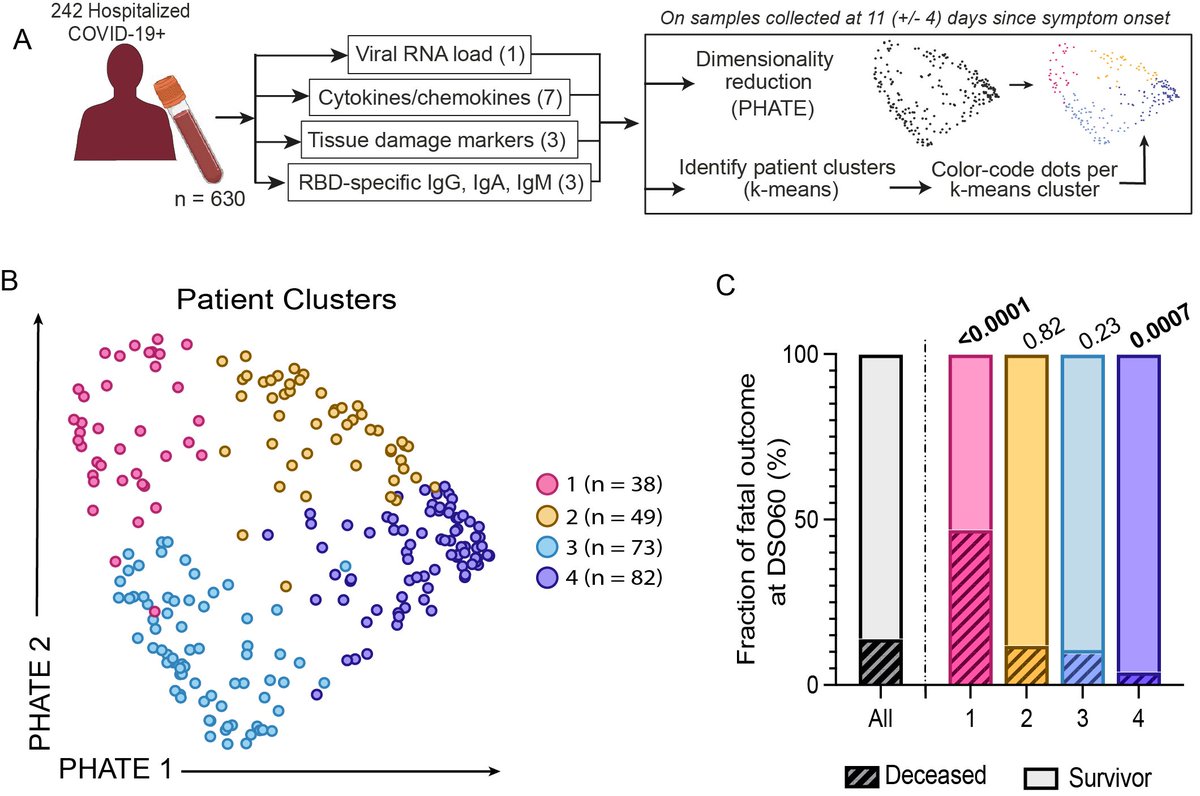
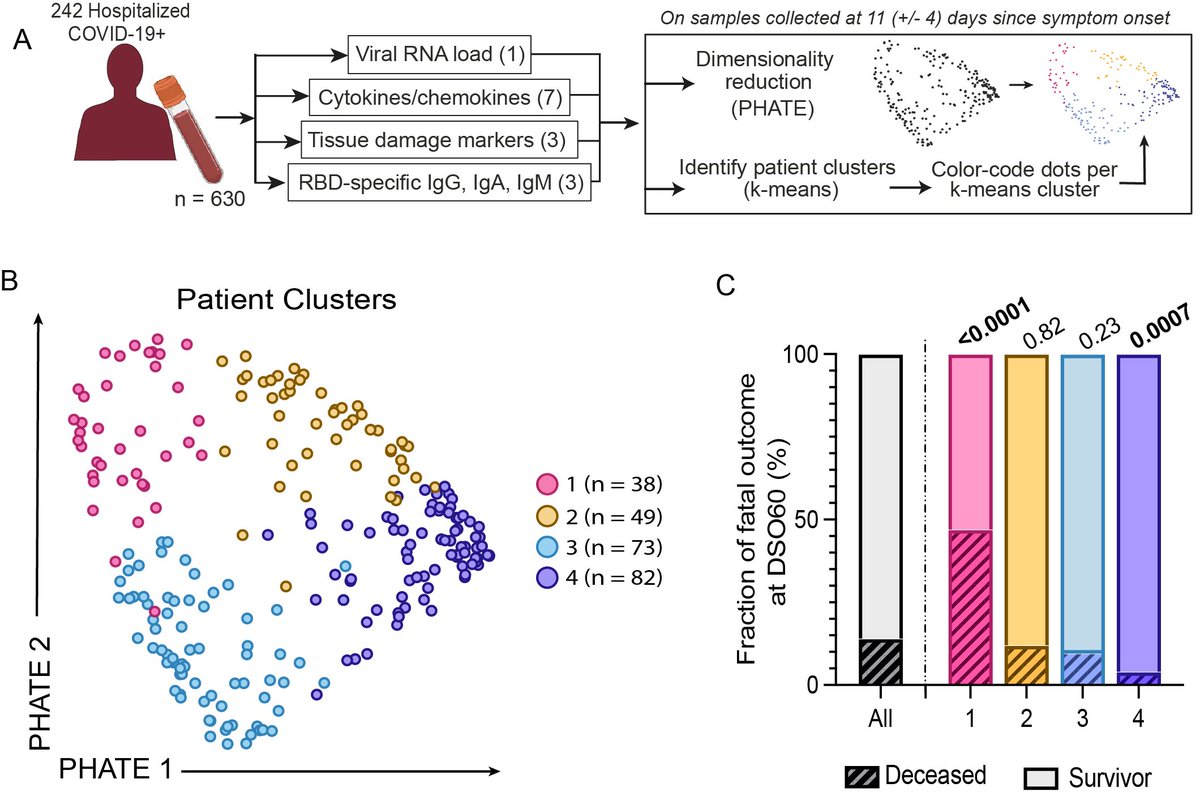
very excited to share the last chunk of my PhD work, now available on @biorxivpreprint! in this work, we explore how cis-regulatory variation and gene-environment (GxE) interactions influence immune response diversity directly in a cohort of hospitalized COVID-19 patients 1/n
Why do some COVID-19 patients fare worse than others? @SachMorin’s team used AI to study 300 hospitalized patients and understand how specific markers related to their immune response and the infection affected the clinical outcome. Read his blog post: https://t.co/zWXJ5uSvmp
@he_randolph
Pourquoi certains patients atteints de la COVID-19 s’en sortent-ils moins bien que d’autres? L’équipe de @SachMorin a utilisé l’IA pour étudier 300 patient·e·s hospitalisé·e·s et comprendre comment certains marqueurs spécifiques liés à leur réponse immunitaire et à l’infection influençaient l’évolution clinique. Lire l'article de blogue : https://t.co/xxNtzDiBvN
@he_randolph
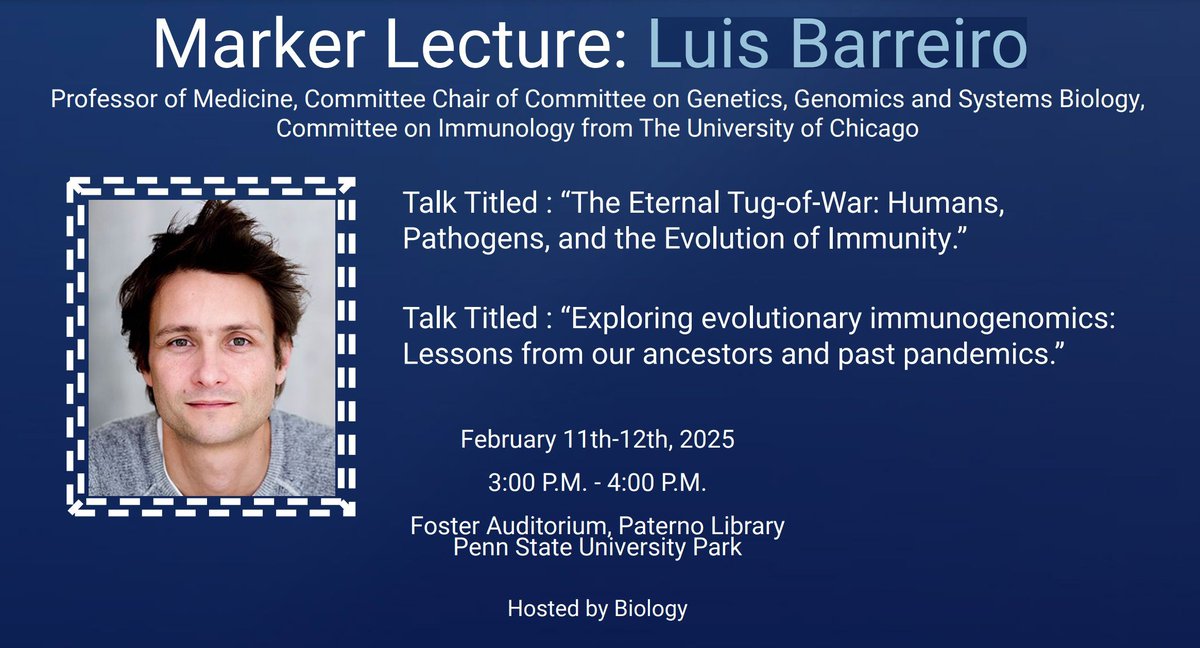
We are excited to host Professor Luis Barreiro (@LB_Barreiro) from @UChicago for two talks this week! Come learn about the evolution of the human immune system!
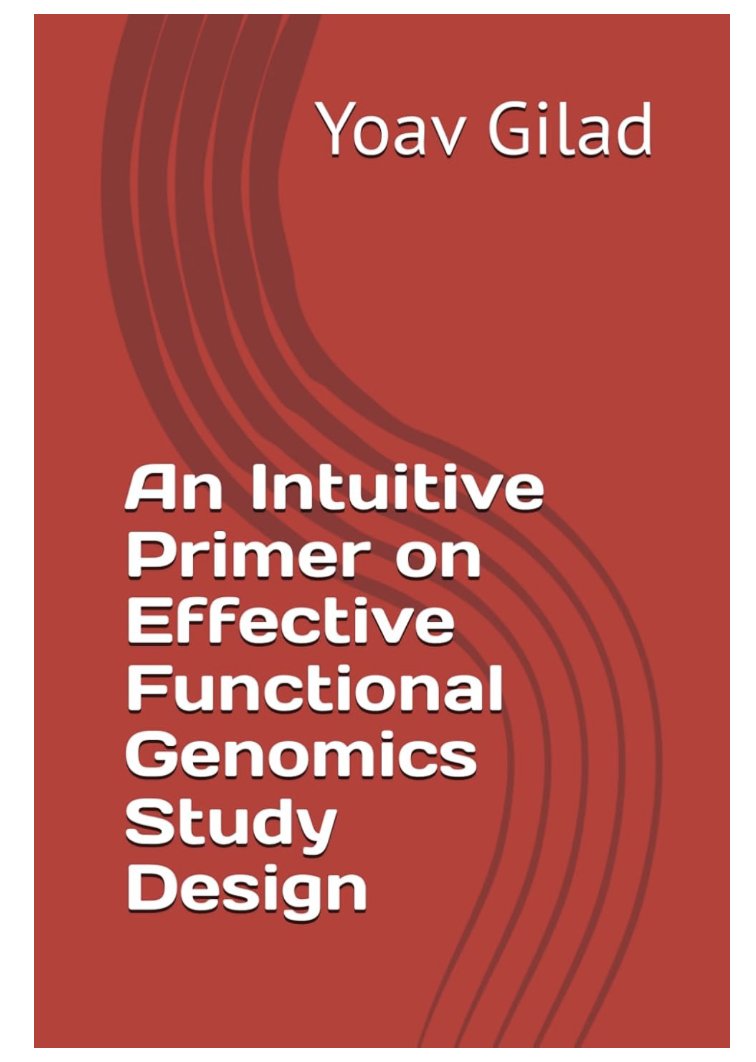
My book, An Intuitive Primer on Effective Functional Genomics Study Design, is published! I’d really appreciate it if you could help spread the word, and I’d love to hear your thoughts and feedback. It’s available on Amazon: https://t.co/VKR3l4RTSA
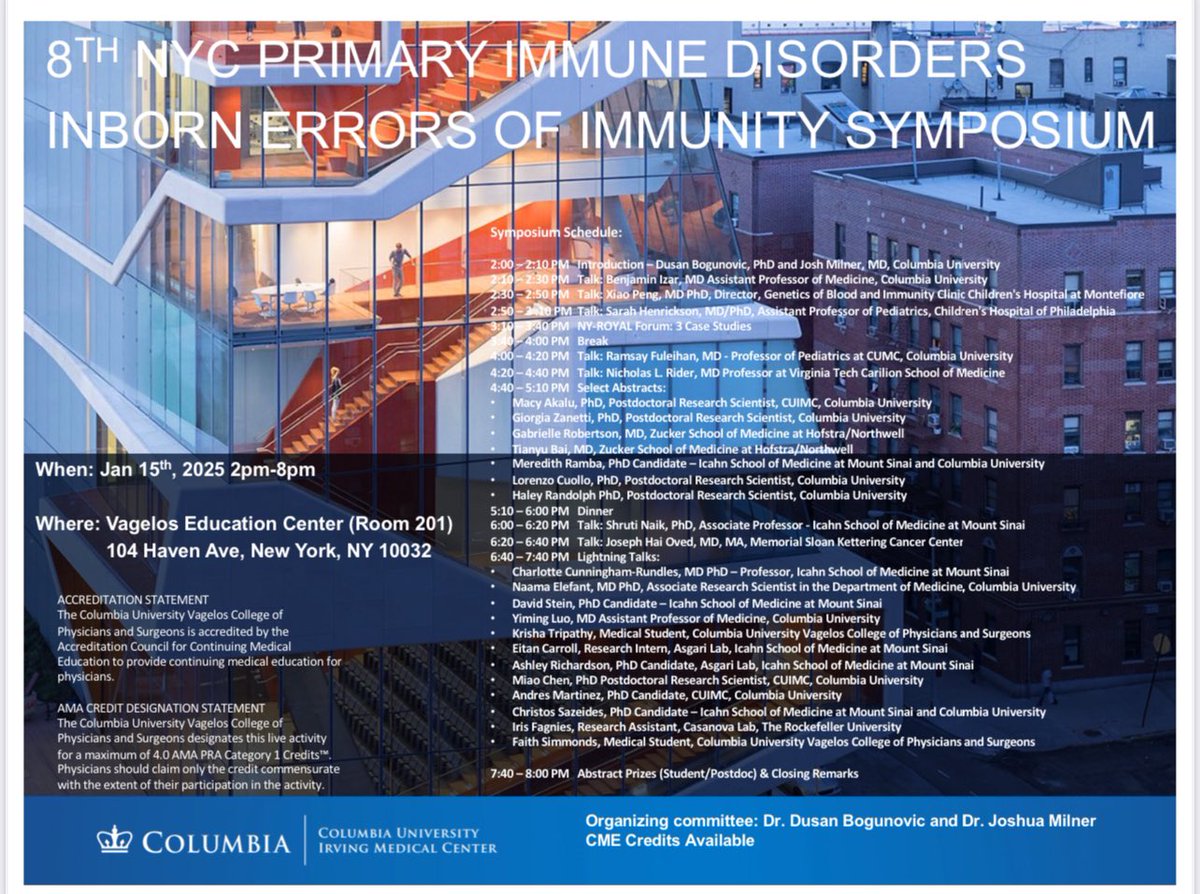
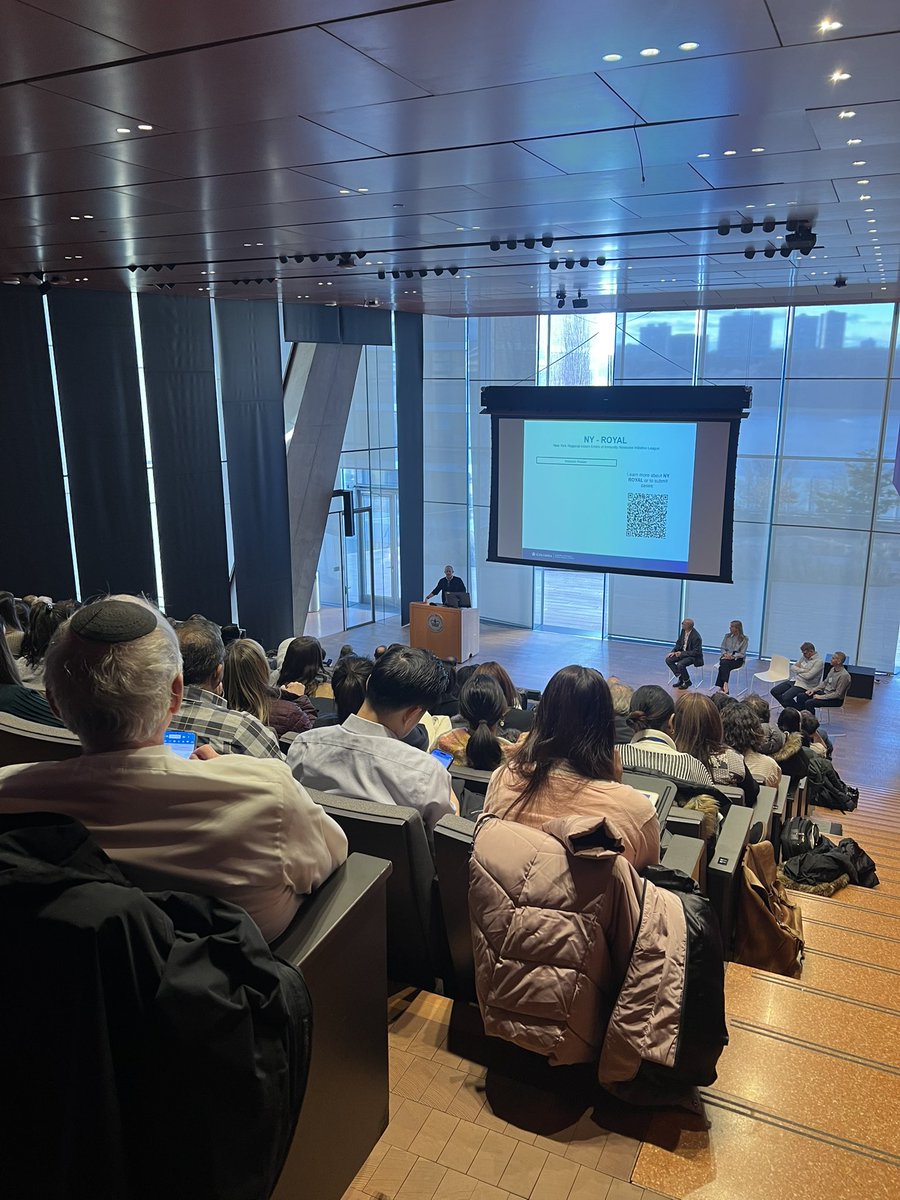
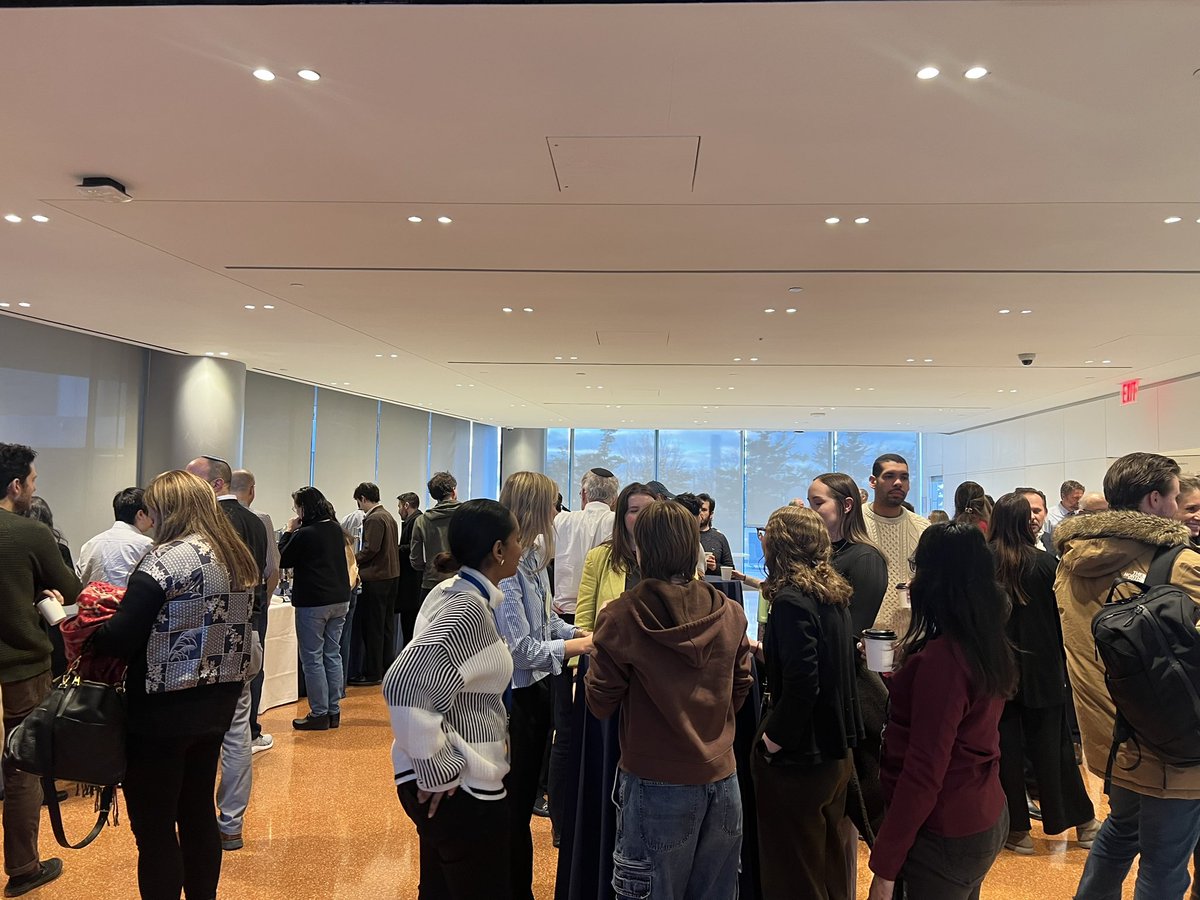
8th NYC Inborn Errors of Immunity symposium just concluded. 29 outstanding talks! Genetics, AI, Fundamental and Clinical Immunology, Bioinformatics, Animal models. Fantastic attendance. Thank you @joshuamilner2 for co-hosting. @KidsAtColumbia
#WeekendRead! #MysterySolved! Why the same mutation can be pathogenic or not? @bogunovicLab @stewart_otay &co show @Nature that epigenetic controls the random expression of 1 allele in 5% of all genes, explaining incomplete penetrance of monogenic diseases https://t.co/ARauNr9cXu
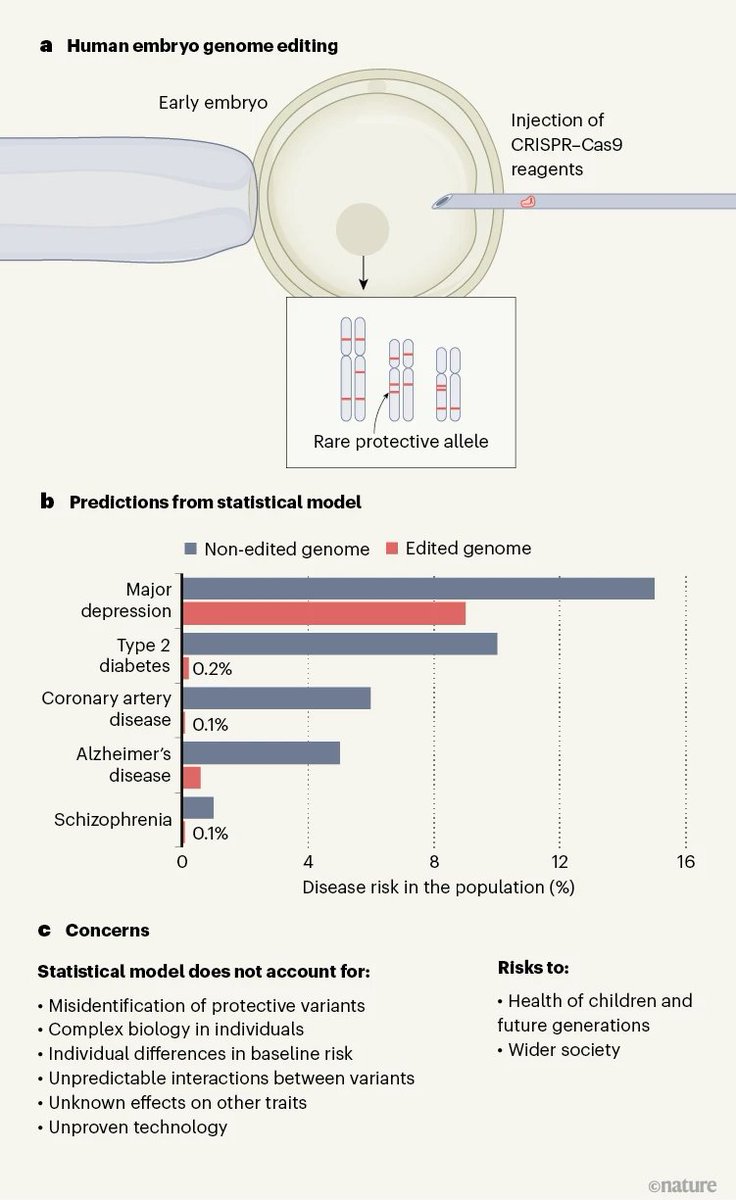
Human embryo editing against disease is unsafe and unproven despite rosy predictions @Nature@ShaiCarmi@HankGreelyLSJU@WiringTheBrain
https://t.co/zVSJJqqnkB
Heritable polygenic editing: the next frontier in genomic medicine?
@juliansavulescu
https://t.co/Hmfu0dSr3K
Excited to kick off 2025 with our latest publication! We've developed TGFM, a new statistical method for identifying the causal tissue and gene underlying GWAS disease loci—providing new insights into the biology behind GWAS signals.
https://t.co/Qx5WLtMmjc
What Happens When Some Cells Are More Dad Than Mom (and Vice Versa)?
Latest from us. Published today. News here https://t.co/oztCApIL4v article here: https://t.co/YdZvOAtcp5 @stewart_ojay@BogunovicLab and a huge international team thank you 🙏🏼 @KidsAtColumbia@SinaiImmunol
Excited to share our pre-print "The multi-scale complexity of human genetic variation beyond continental groups" https://t.co/YiJk25oPq3
Global Genomic Network Communities browser: https://t.co/yWrEQSFh3k
Github: https://t.co/fN54Dsqzpz
See🧵thread by lead author @MaxolotlMad
Excited to share the final chapter my PhD research on @medrxivpreprint! eQTLs only explain 30% of GWAS loci and 11% of trait heritability. Here we investigate if epigenetic QTL can provide new insights at the remaining GWAS loci. https://t.co/vzkyjbTdkC
Excited to share the latest from the @MarsonLab! An investigation of context-specific gene regulation in T cells, which led to dynamic mechanisms required to control T cell rest and activation.
Published today in @Nature thanks to the work of many!
https://t.co/eS0wpVeQQB
very excited to share the last chunk of my PhD work, now available on @biorxivpreprint! in this work, we explore how cis-regulatory variation and gene-environment (GxE) interactions influence immune response diversity directly in a cohort of hospitalized COVID-19 patients 1/n