The market may be overestimating how much changes on May 15 — and underestimating what actually changes.
Powell’s chair term ends on May 15, 2026.
But he remains on the Board until 2028, and the FOMC still has 12 voting members.
So no, a Warsh Fed does not mean instant rate cuts.
What it probably means is more important:
·a different reaction function
·a different communication style
·a stronger focus on price stability and institutional credibility
·and potentially a Fed that is less expansive in mission, but not automatically easier in policy
That matters because the April 29 meeting already showed a divided Committee:
one member wanted a cut, while three pushed back against even signaling an easing bias.
My base case:
Warsh would not want his first act to be “political capitulation.”
If inflation remains sticky, he’ll likely lean tougher than many expect.
If disinflation resumes and growth weakens, he may prove more flexible than Powell.
The macro backdrop is what makes this transition important:
the US still faces a $1.9T deficit in 2026, with rising net interest costs doing a lot of the damage.
So May 15 is not really about whether one man cuts rates.
It’s about whether the Fed enters its next phase with a different framework for handling inflation, growth, and fiscal pressure.
That’s the story.
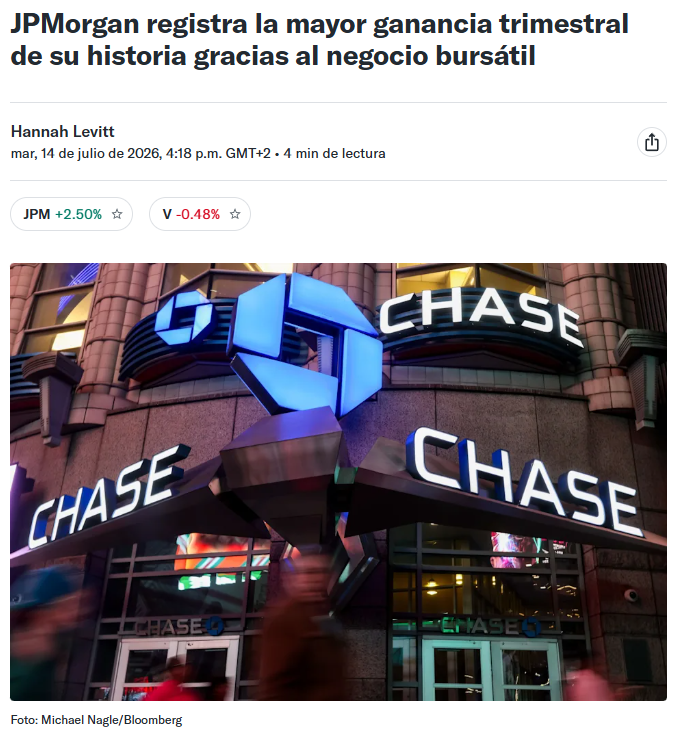
$JPM Esta gente tiene la gallina de los huevos de oro solo a base de colocaciones de acciones... Gran año para ellos (mucha IPO suelta). Ya vereis $BN el 5 de Agosto... https://t.co/3vPBL6ZhHg
$JPM Esta gente tiene la gallina de los huevos de oro solo a base de colocaciones de acciones... Gran año para ellos (mucha IPO suelta). Ya vereis $BN el 5 de Agosto... https://t.co/3vPBL6ZhHg
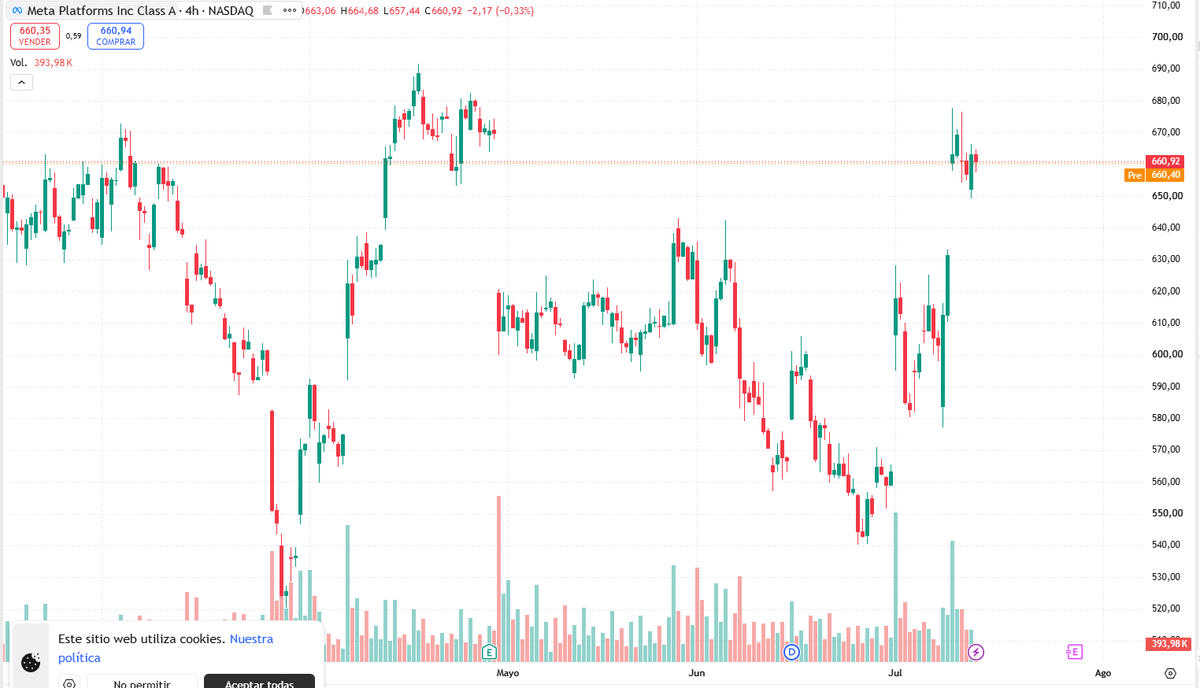
$META Lo hicimos. A 678$ era alrededor de 11% de retorno. Ahora es un 8,8%, precios actuales. Nosotros cerramos en apertura, fue un 7,93%, sin ordenes premarket🫡
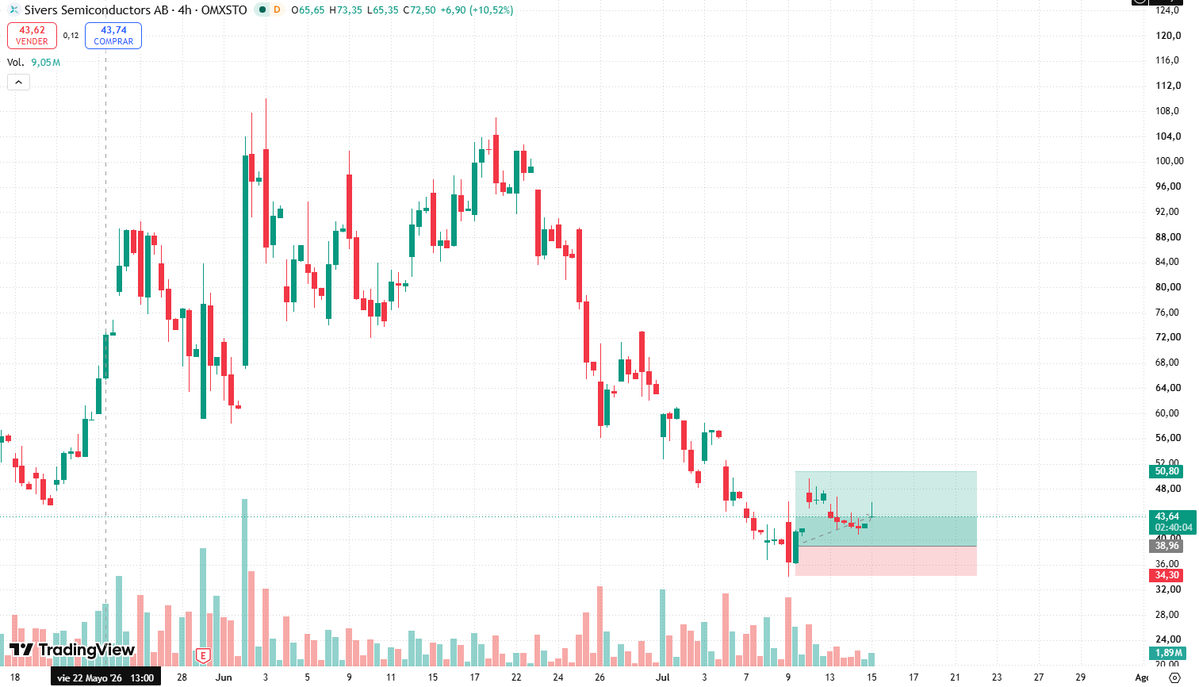
En $SIVE estamos en +10% a los precios comentados el jueves 9 de Julio. Ampliamos take profit. Posición swing, muchos factores exógenos que pueden afectar
La próxima gran capa de la infraestructura IA no será solo más GPUs.
Será mover datos de forma más rápida, más barata y con menos energía.
Ahí entran la optoelectrónica y la fotónica. $SIVE
El upside vendría de tres vías:
-conversión del pipeline en pedidos reales,
-rampas de producción en 2026-2027,
-posible rerating si el mercado empieza a valorar a Sivers como activo escaso dentro de photonics for AI.