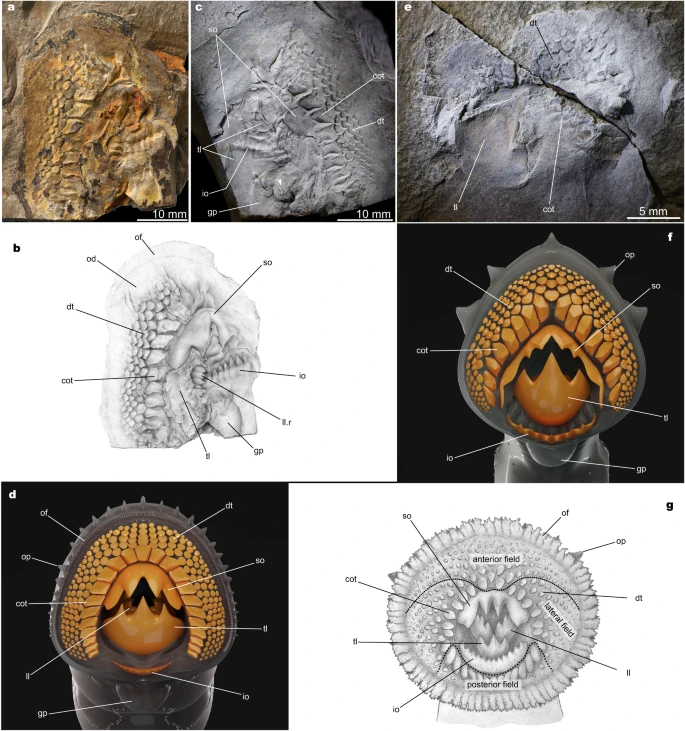
A new analysis of Dunkleosteus terrelli reveals massive jaws were far more cartilage-rich than once thought, reshaping ideas about its muscle layout, bite mechanics & feeding style. Time to rethink this Devonian apex predator
Engelman et al:
https://t.co/BfV0r2hmwZ
#FossilFriday
Wherein Martin Brazeau and colleagues (incl. @zerinajohanson and me) ponder the evolution of the vertebrate pectoral girdle. Open access: https://t.co/uilpPuiLgl
New paper! We describe the upper jaw of a new placoderm from Mongolia and implications for jaw evolution, led by Martin Brazeau with colleagues from Imperial, Manchester, the Mongolian Academy of Sciences and the Ulaanbaatar Natural History History Museum https://t.co/bqVWgvb8Xd
These are our Devonian fish type under water gliders for kids. Drepanaspis design can be converted to Pycnosteus, as teaching materials for our science communication events.
When actually placed in the water, they can swim as underwater gliders. Children paint their own colors.
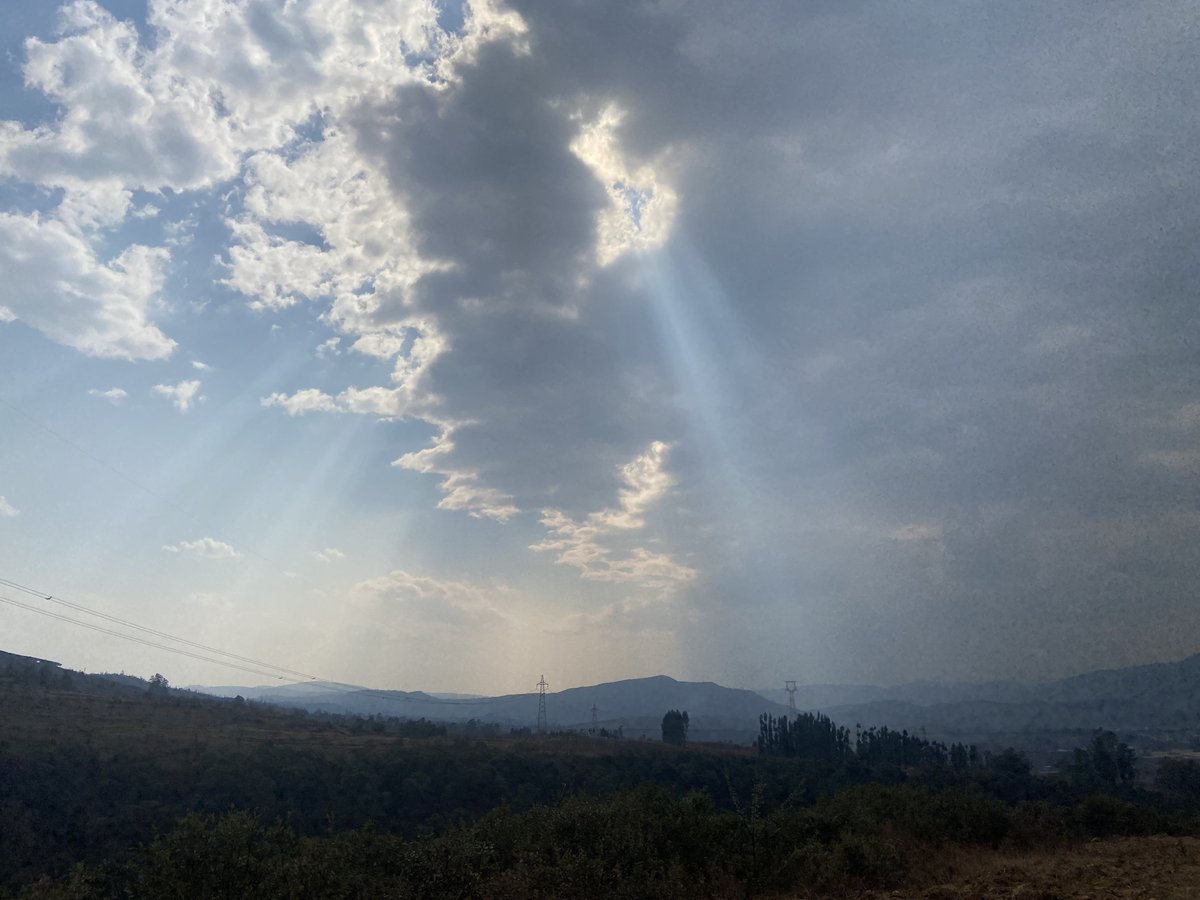
Just back from a field trip in Yunnan, revisited some old sites and found two new Early Devonian site, with some stunning fossils. Landscape is great as many of you have visited, but this winter is very dry and dusty , hope the rain come back soon to save the agriculture!
@kryptophanaron Thanks for the information. We have some models here from the "Stockholm School of Palaeozoic vertebrate" back in 1960s, I always like them, with all the patina like this model. Great find!
This is Coccocephalus, a 319 million year old fossil found in a Lancashire coal mine in the 1800s. Inside its skull is a fossilised brain - the actual brain! - preserved in 3D. New paper led by @Rodrigoichthys revises the story of brain evolution in fish🤯 https://t.co/UIwZ36Nohz