.
22 people have published more than 200 papers in 2024 (so far, we still have another six months to go)
We have been doing some research on another project and saw something that we found interesting. We'd be interested to know what you think.
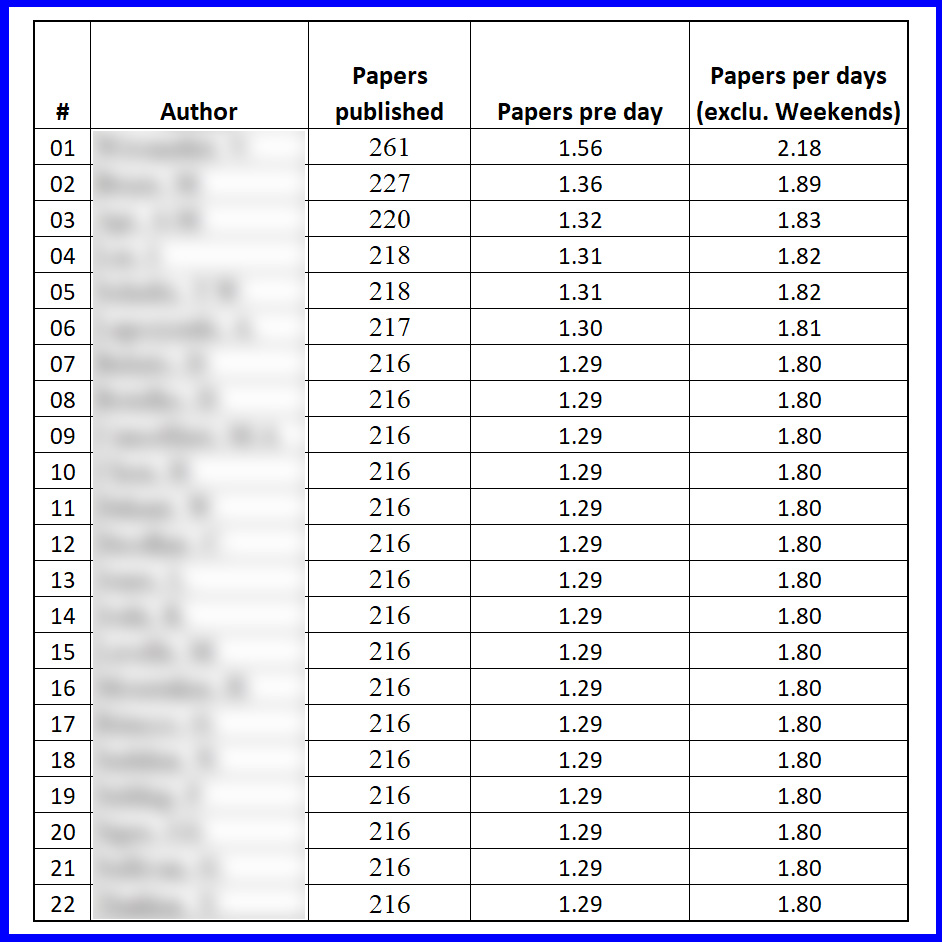
In 2024, 22 authors (according to @Scopus) have published over 200 papers. The table below shows the details (we decided not to show author names at this time).
The author who has published the most papers has authored 261 papers (as at 15 Jun 2024) meaning that he/she has published 1.56 papers every day this year (and counting).
If we exclude weekends (everybody has to rest, right?), then they have published 2.18 papers every day.
Serious question: Is it possible for anybody to contribute in a meaningful way (at least to warrant being at author) when they are publishing a paper every day?
Celebrating UN International #BiodiversityDay citizen scientists & researchers in 80 countries are collecting #eDNA from 500 freshwater lakes. Project LeDNA will provide ETH Zurich prof, Kristy Deiner a snapshot of Earth’s biodiversity. 🌎 https://t.co/4oXMjrRs5I @alpineedna
An informative article about @ESA_org @ASNAmNat award-winning ecologist! Her career, contributions to the field, and ongoing saga.
Nice write-up from @Andy2Dobson and @BjornstadOttar! https://t.co/auuzCG0z0l
@ykuzyakov Just 2 days ago I had a suspicion that they are a predatory journal concernig the quality of some papers that I read. Thank you for the info!
Are you concerned about the future of #aquatic resources & ecosystems? Please complete (& share with others) this “Grand Challenges for Aquatic Environments Survey”: https://t.co/ooFquSqSVO (10 questions/15 minutes/anonymous/closes 5 March) @aslo_org@KathyCottingham@MJVanni 1/4
new paper - we analyze blood parasites in 2268 birds sampled over 3000 m of elevation
but I want to talk about this by telling a personal story - about how one morning I woke up on the concrete floor of my hotel room, with no memory of how I got there
https://t.co/REXaenbGAi
Zero draft is a critical part of the academic writing process.
But a lot of folks ignore it and run into all sorts of problems including the writer's block.
Here's what a zero draft is and why you should write one:
Publication should not be a requirement to earn a degree.
But as far as I know, nobody even knows what institutions in what countries require publications to earn degrees. I was surprised when I asked about it on here. It's MUCH more common than I thought.
‼️ ‼️NEW PUBLICATION ALERT‼️ ‼️ Macrophytes benefit aquatic biodiversity, but what happens when we remove them? Check out our new article to find out!
https://t.co/gafcf1mIgp
Metazooplankton provides many indirect benefits for human: supporting services (e.g., as food for fish), cultural services (e.g., although involuntarily, they are used in many experiments!) and regulatory services (e.g., water filtration, to a degree linked in part to #ZooSize).
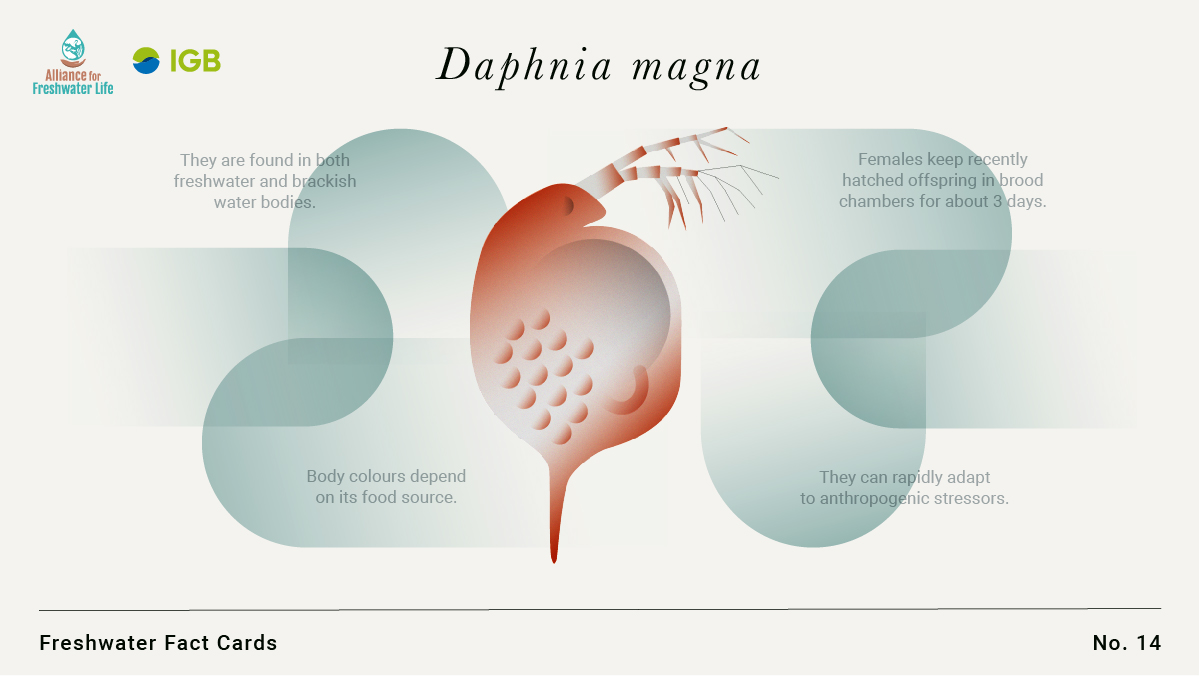
Mostly, #DaphniaMagna females reproduce asexually with diploid eggs that all develop to females. In adverse environmental conditions, it's haploid eggs fertilised by males. These dormant eggs can “rest” in the sediment for years(!) until environmental conditions become favourable
@StephenBHeard Steve, thanks once more for your material. It helped me upgrade the course so much. It went great this year 🥰. We had our last little chat with the students that managed to "stay on course" yeasterday. They are happy for having this experiance and we are happy to have them😊.
@dvm_uvm Good question. Didn't pay much attention to the variation in species name since I find it seldom in samples. I recently started using https://t.co/rO7nP0UUKO and over there it is L.kindtii. But I had a look in Flößner 2000, and its L.kindti over there. Needs more research 😊.