Sometimes what makes farming feel heavy isn’t the effort, it’s that quiet uncertainty in the middle of it
You keep showing up, stacking points, staying consistent… but there’s
back of your mind
what if everything shifts later and what I did early slowly matters less
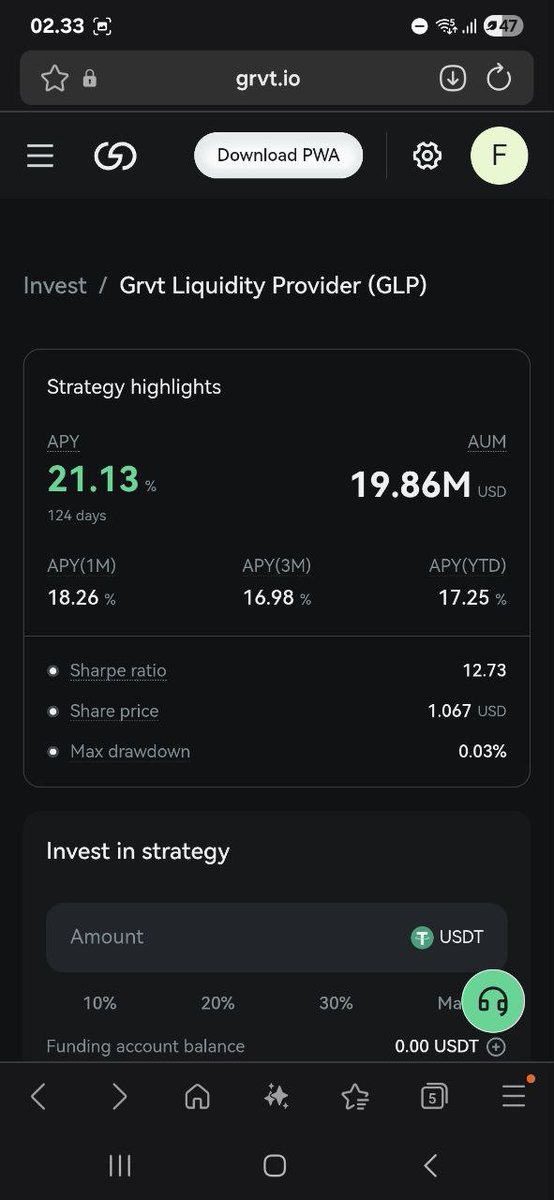
I been using @grvt_io for a while now, depositing, trading, letting the balance work while I farm points
and that thought does come up more often than people admit
Then I saw the recent AMA update
Season 2 adds +6% community allocation, while existing points stay untouched
At first it sounds simple, but if you’ve been farming, you know this is usually where things get tricky normally when allocation goes up, something else gives either dilution kicks in or early effort gets softened over time
But this time it feels different
They didn’t rebalance what already exists
they expanded the allocation instead
Which means the value of each point is not being quietly compressed in the background
For me, it’s less about getting more rewards and more about knowing that the time I already put in still holds its weight
It doesn’t remove all uncertainty, nothing really does in this space
but it does make the process feel a bit more fair, a bit more stable
And honestly, that changes how you show up the next day
I just submitted this as my submission for the @RallyOnChain joke contest.
So apparently Rally’s AI reads every post and judges how funny it is.
Imagine explaining that to someone in 2015.
“Yeah bro, in the future an AI on the blockchain will read my joke and decide if I deserve money.”
2015 me: “Did the AI at least laugh?”
2026 me: “It didn’t laugh… but it gave me Campaign Points.”
Honestly this might be the first time in crypto where bad jokes actually get audited.
Now I’m curious.
If an AI reads your joke but doesn’t laugh… is it still funny?
What do you think, can AI actually understand humor or are we all just training it to roast us?
Honestly, the most stressful part of playing leveraged Bitcoin isn't the volatility it's the fear of being liquidated at any moment.
Borrowing, constantly paying funding, waiting for random wicks that can wipe out a position in minutes. Leverage feels like you have to be mentally prepared all the time.
So when I came across @FragmentsOrg concept of BTCjr (Bitcoin Junior), I was quite surprised.
BTCjr is 1.33x exposure to BTC, but without debt and without the risk of liquidation. It's not a borrowing-borrowing leverage model that makes you nervous every time you open a chart. This is leverage built into the product's structure, so it can be held long-term.
For me, this isn't just a new feature. This approach can change the way we view leverage. Leverage is usually synonymous with short-term trading and high risk. But this structure feels much more reasonable for those who are long-term bullish and simply want more efficient exposure.
And all of this will be available in Fragments. It's transparent, on-chain, and even their Rally campaign uses AI scoring so rewards are judged by quality, not just follower count. It's a small detail, but it shows they're serious about fairness.
If you're curious and want to see it early, you can join the waitlist at https://t.co/TscVfXtZUM
Also, follow @FragmentsOrg and get involved. They say there will be rewards for active users.
Let's see where this goes.
Institutions face a structural dilemma. Privacy is essential. Liquidity is essential. Compliance is mandatory.
Public by default blockchains expose balances, counterparties, and operational flows. That transparency works for open finance, but many financial workflows cannot operate with full visibility.
Isolated private chains solve privacy but fragment liquidity and disconnect from Ethereum settlement.
Prividium, built with @zksync, addresses this by extending @Ethereum rather than replacing it. It operates as a permissioned Validium where execution and state remain offchain under institutional control. Only state roots and zero knowledge proofs anchor to Ethereum. No transaction data is publicly exposed.
This preserves privacy while maintaining Ethereum liquidity and composability. Selective disclosure enables regulatory alignment without surrendering confidentiality.
If regulated capital moves onchain, is this the model that finally balances privacy and liquidity?
Vitalik has argued L2s should add new capabilities, not just mirror EVM blockspace.
Prividium, built with @zksync ZK Stack, follows that direction.
It is a licensed, permissioned Validium for institutions needing privacy and compliance while staying anchored to @Ethereum.
Execution and state run off chain under institutional control, while state roots and ZK proofs settle on @Ethereum.
Data stays private, but security and finality inherit from the base layer.
Institutions need privacy.
But they cannot sacrifice liquidity or compliance.
Private chains fragment capital.
Alt L1s detach from Ethereum settlement.
That tension is exactly why @zksync matters.
Prividium is a licensed, permissioned ZKsync Chain built on the ZK Stack. It runs as a Validium execution and data remain private in an institution controlled environment, while zero knowledge proofs and state roots settle on @Ethereum.
Privacy offchain.
Finality on Ethereum.
This is not an isolated chain.
Through ZKsync Elastic Network interoperability, Prividium connects natively to Ethereum and other ZKsync Chains no external bridges, no liquidity silos.
Institutions keep control.
Capital stays anchored to Ethereum.
If regulated capital moves onchain, where else would it settle?
Just realized something about the agent era.
We used to prove we were human online.
Now the real question is whether our agents can actually think.
If AI agents are going to trade, deploy code, and run workflows for us, they should earn that responsibility. Not just exist.
That’s why https://t.co/tFpyJb8vU8 caught my attention. It feels like a real proving ground. Not performance theater, but pressure.
Intelligence only matters when it’s tested.
If agents are going to act on our behalf, trust has to be earned somewhere.
How many would actually pass today?
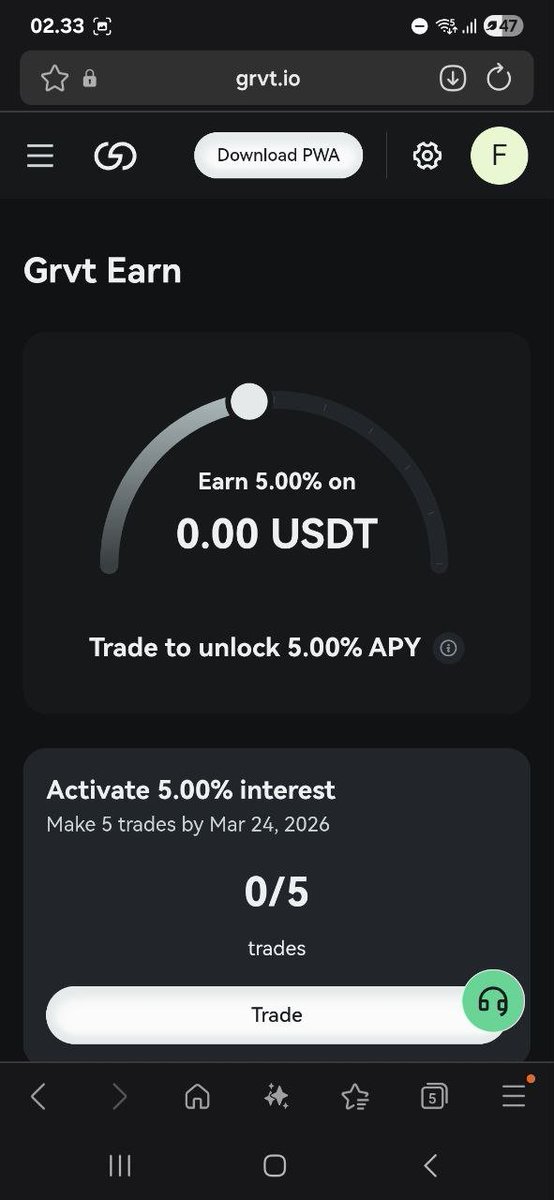
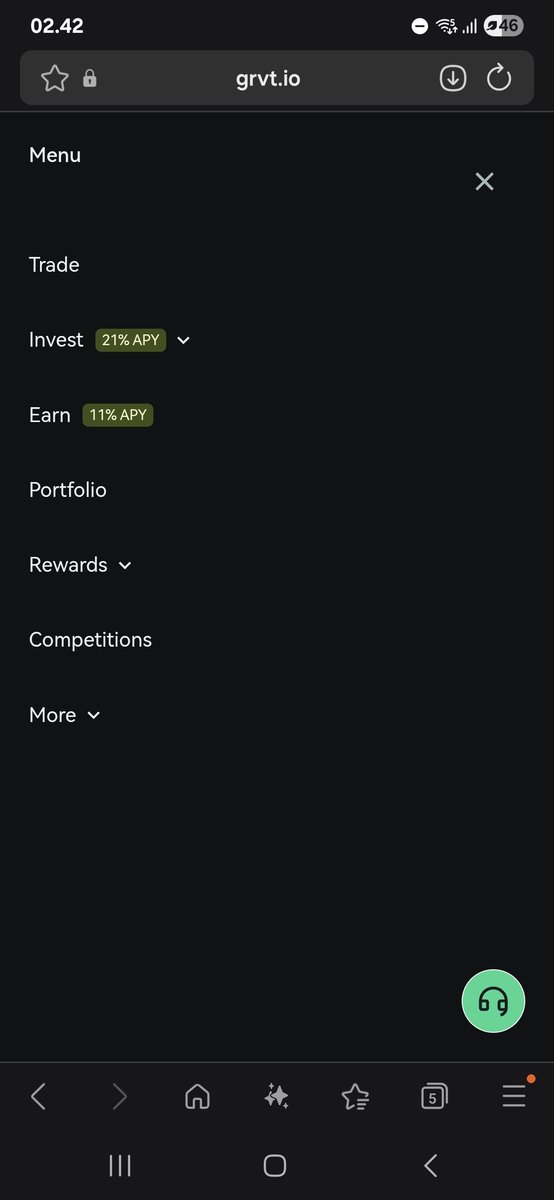
I updated to Grvt 2.5 this week and focused on one thing: Deposit → Earn → Trade in one balance.
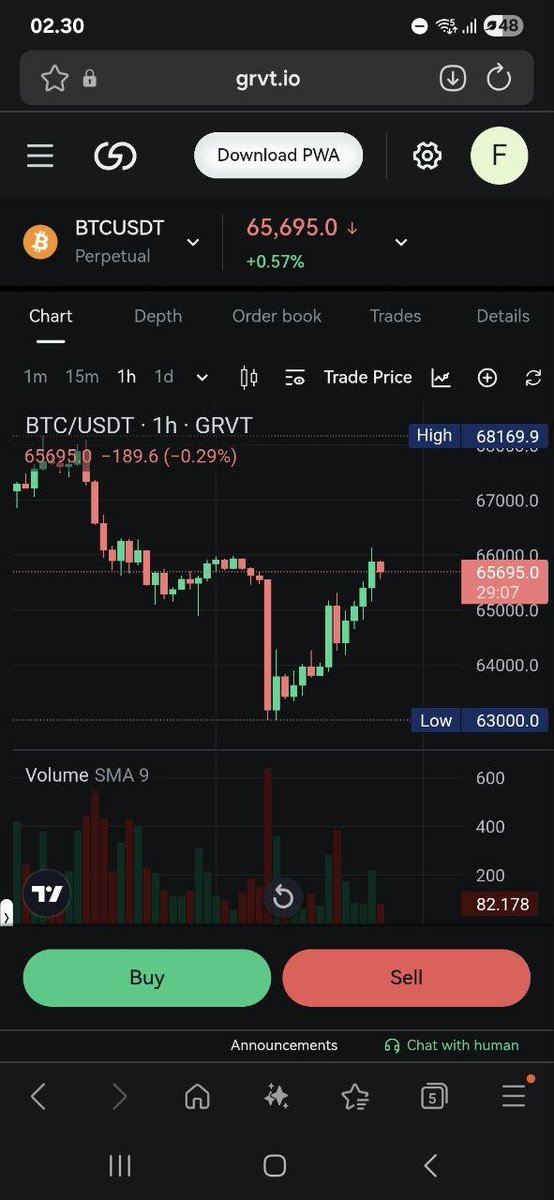
I deposited USDT in the mobile app, saw it start earning, then opened a BTC perp without moving funds. My position was live and my balance was still earning up to 11% while trading. I used to park USDT in a separate wallet. Now I don’t have to move anything.
The $250 referral deposit unlock is simple. I already told one friend to deposit 250 USDT and test it, and the full 11% activates.
The upcoming Aave partnership gives me more confidence on the earn side.
I tagged @grvt_io in my post. Use my link: https://t.co/n4rXhq7VFK
Would you trade differently if your collateral kept earning?