@haprho@Frankrypto@rahimfaid1@astrojeff_ And since you have "moon's spectra matching sun's spectra" I guess we're also including proving the moon, which I would add:
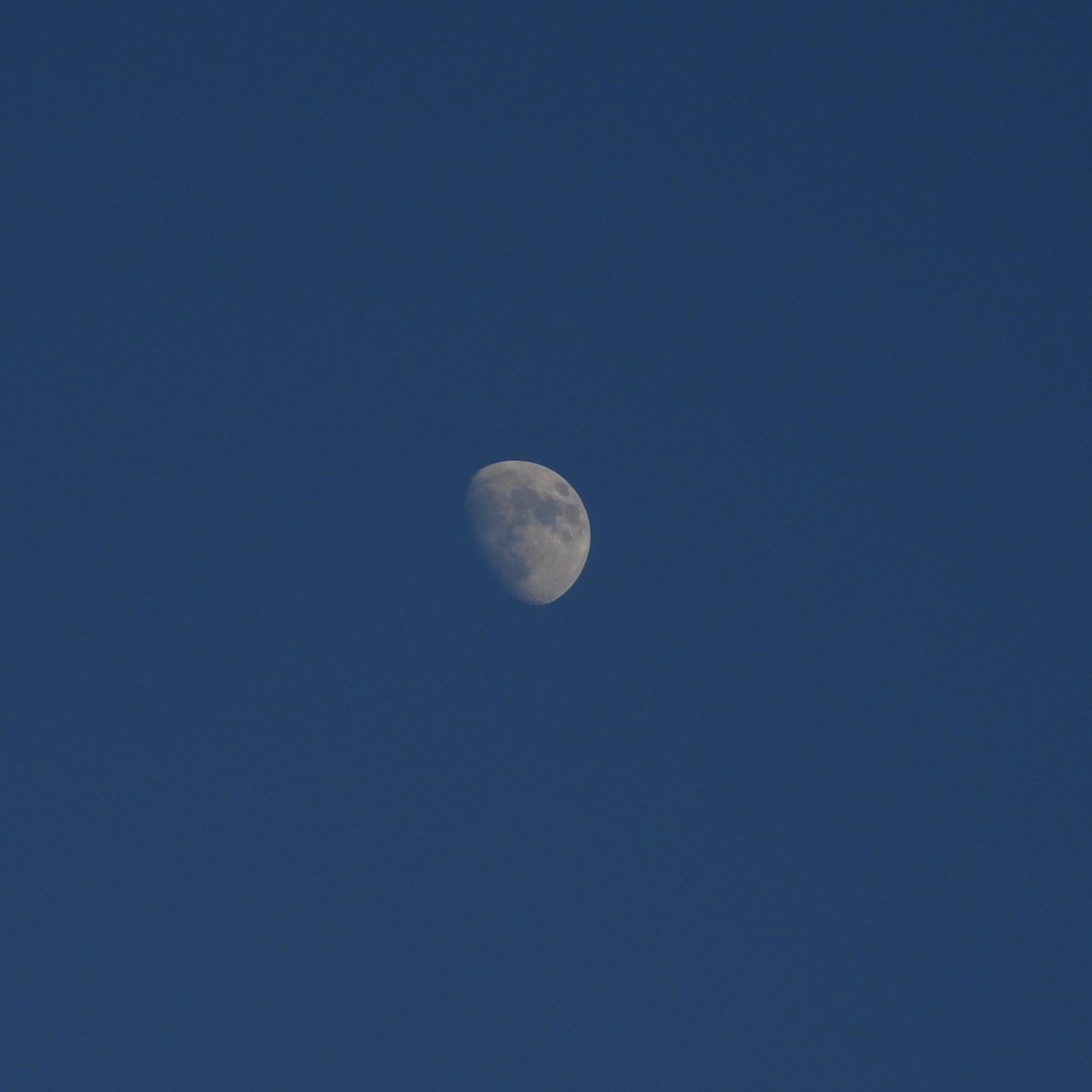
🔹️ Moon's shadows
🔹️ Moon's phases match up with any sunlit sphere pointing towards it
🔹️ Occultations
@haprho@Frankrypto@rahimfaid1@astrojeff_ I was surprised you didn’t already have:
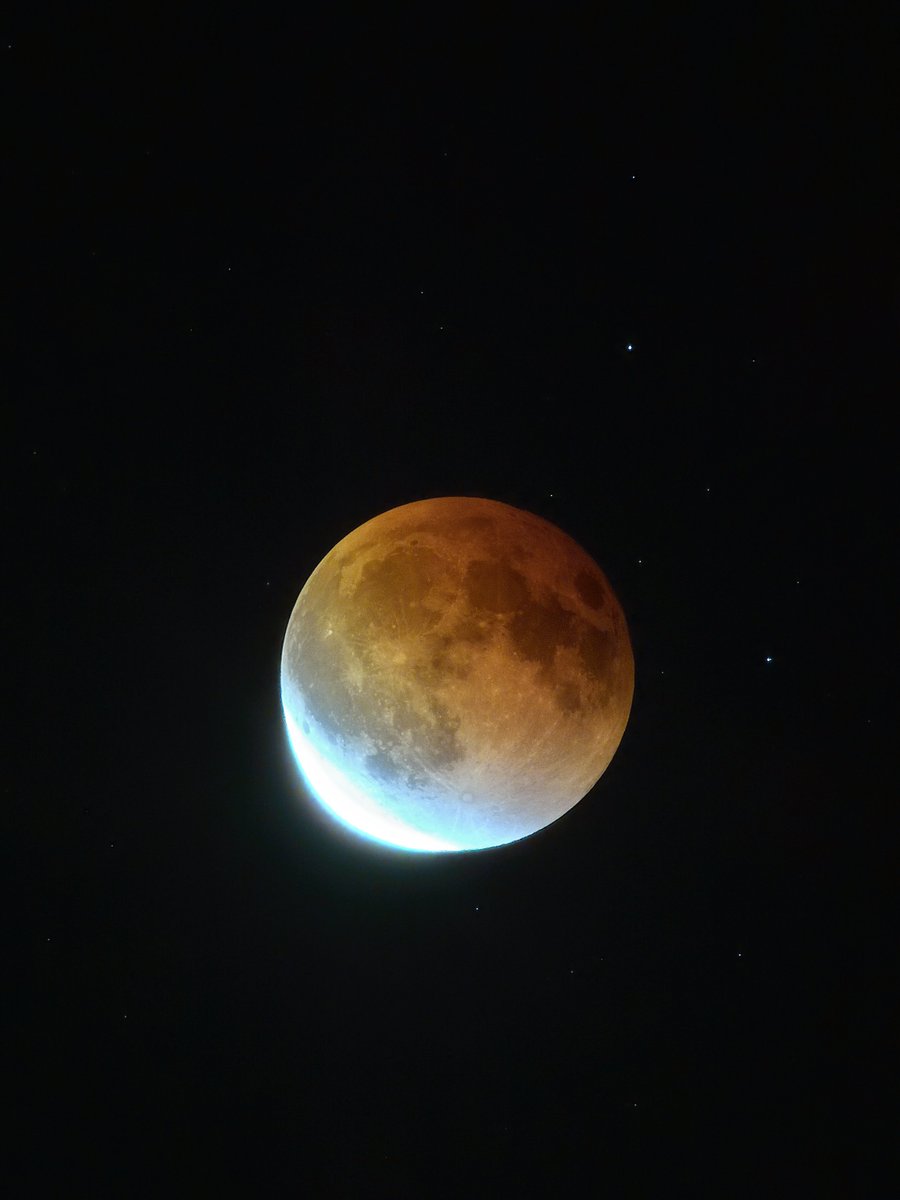
🔹️Lunar & Solar Eclipses
🔹️Moonrise & Moonset
🔹️No physical way for the moon to be floating in an orbit above a flat earth
🔹️EME radio communication
But I was very shocked to see a few that I didn’t think you would include!
@Frankrypto@rahimfaid1@astrojeff_@haprho The moon is my favorite way to disprove flat earth because it's so easily observable to any person and so simply and obviously wrong that it's a losing battle.
@rahimfaid1@astrojeff_@haprho You yourself showed how it doesn't work with a local sun in a nice little diagram.
While it works out perfectly fine with a very distant sun, like let's say ~93 million miles, for example.
https://t.co/UbY6f9ANWw
@_CosmicRey_@astrojeff_@haprho The projection of light onto the sphere should differ compared to the moon, unless the sun is at the same distance and angle from both, which is possible with a local sun, a local moon, and a local sphere.
@rahimfaid1@astrojeff_@haprho Exactly, you just showed why this doesn't work on a flat earth...
On a flat earth, the terminator lines should be different between the moon & ball as shown in your diagram.
Whereas on a planet the terminator lines should be the same, which is what happens in the real world.
@rahimfaid1@haprho No it doesn't... Why do you think the tucked away back of the column should be colder than the open side?
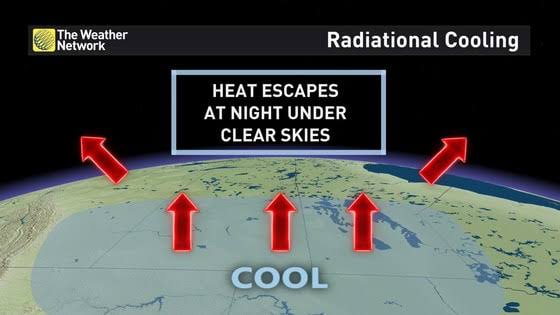
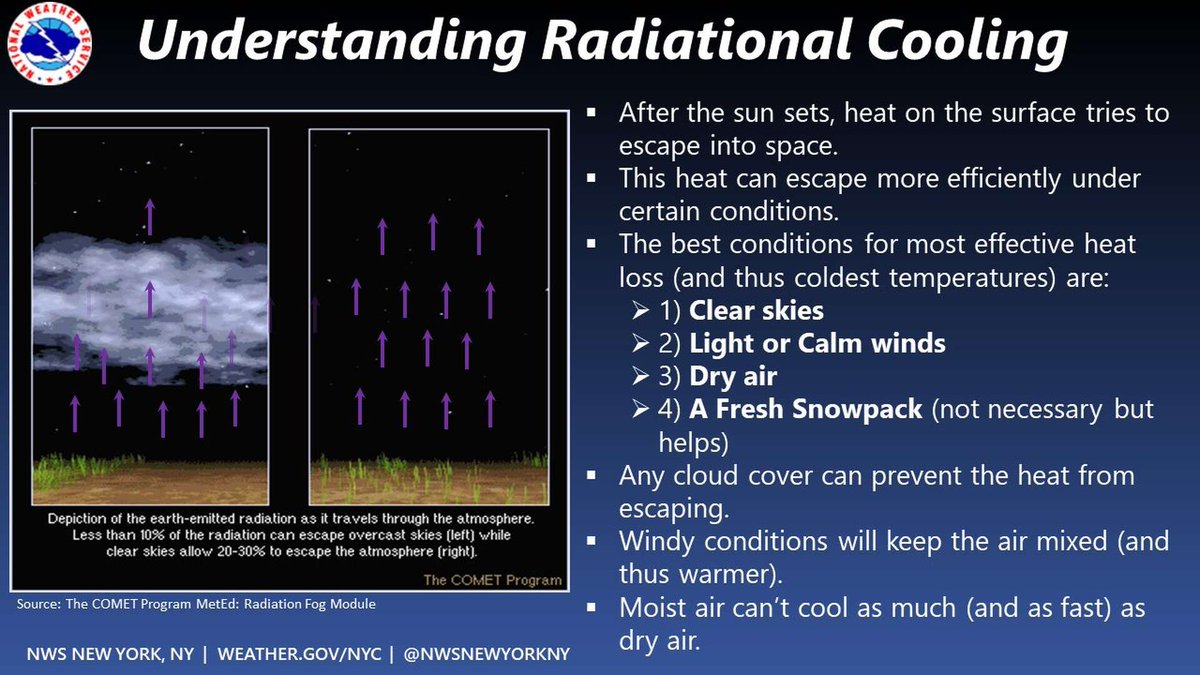
"Science says" it's radiational cooling, a very simple, well-known concept.
@rahimfaid1@astrojeff_@haprho The moon's phases are directly related to the sun.
Do you think the moon should be as hot as the sun if it's reflecting sunlight? If so, the earth's surface would be as hot as the sun according to you.
Also, the entire lightning bug is reflecting sunlight.
@rahimfaid1@haprho The back side of the pillar is next to a bunch of plants and a house which is way worse radiational cooling than clouds, something I expected you to be able to infer on your own with the help of the weather diagrams on the topic.
Yes, I know clouds are ice or droplets, not vapor.
@rahimfaid1@haprho The temperature is warmer where it's tucked away and colder out in the open. You get that regardless if the moon is out or not.
With experiments, you're supposed to test those variables, and guess what, when you do you find that you get the same results if the moon is out or not.
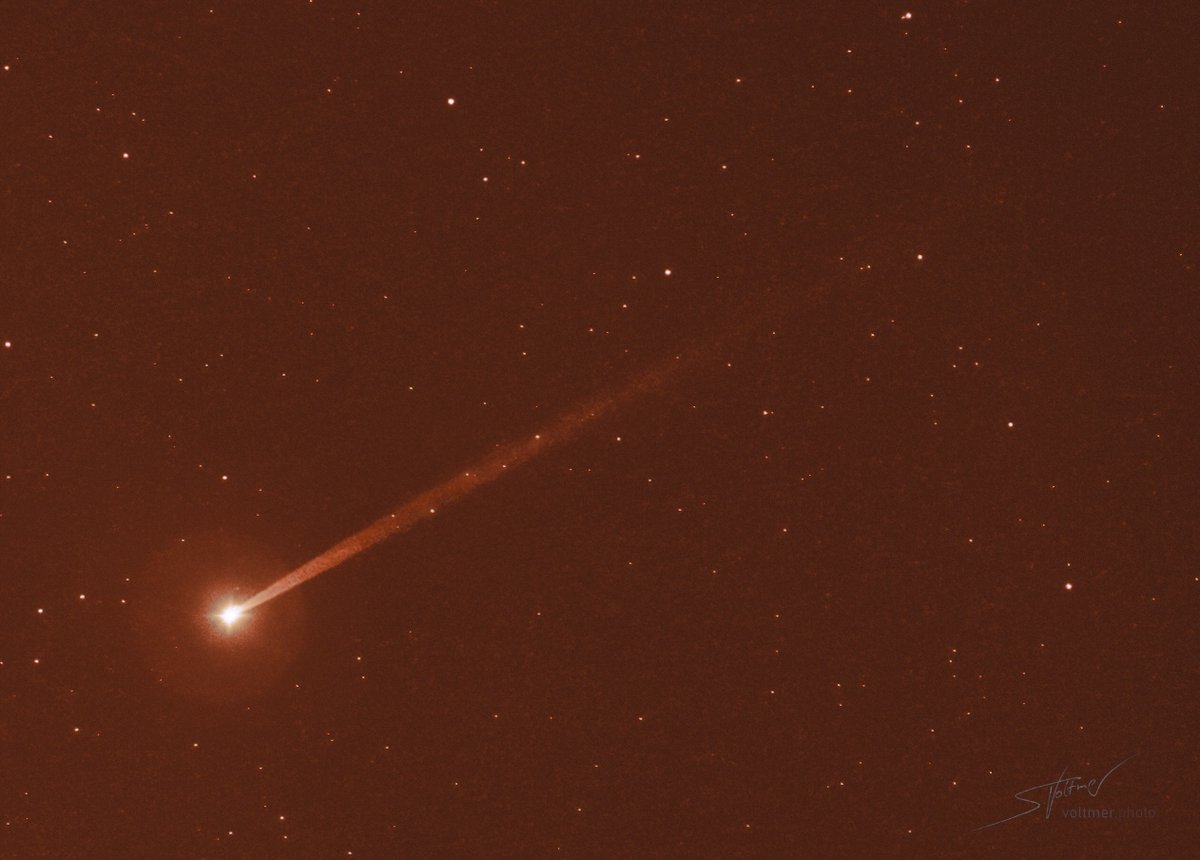
@Hmatt844@PixelPlayz16@alexboge Earth's atmosphere is influenced by the sun, giving it a "comet tail" (the geocorona) that goes past the moon.
Earth is far enough away that it's fairly subdued, but mercury is much closer, and its surface erosion stretches way farther.
@DarrenChen528 These are some of my favorites from different unique things!
This has made me realize I haven't done as much lunar photography as I should. Thanks to you, I'm going to try and fix that right away.
@rahimfaid1@haprho 1• The moon only spends half the time at night, and 0 correlation with temperature throughout any phase or even appearance at night.
2• And that was ignoring that it's impossible for light to be cold from a physics standpoint. That's literally the opposite of what light does.
@rahimfaid1@haprho So you're saying the function planets have is illuminating earth's surface?
Of the bat the light coming off planets is negligible, but also varies due to phases & positions, and then you have Mercury & Venus, which occasionally block sunlight, which is a bit counterproductive.
@rahimfaid1@haprho In English, the definition of a lamp is "a device that produces artificial light", which means man-made light, not just something bright.
@rahimfaid1@haprho Umm... no.
The Southern Ring Nebula (left) is just lower resolution & the Andromeda Galaxy (right) is lower exposure.
I've never attempted the Southern Ring Nebula, but I've done a mediocre attempt at the Andromeda Galaxy.
@rahimfaid1@haprho What manipulation or modification are you talking about? There isn't any drastic processing, especially in astrophotography (raw video below).
The only manipulation I've seen is from flat earthers, hopefully out of ignorance.
What functions do the planets perform perfectly?