🗞️ Our latest newsletter is out!
Read online 👉 https://t.co/KOB6R5ffcM
Subscribe 👉 https://t.co/7DNoflrY7X
👋 Take part in our research
☀️ Stories behind migration research
🔎 Findings of ongoing research
📝 Upcoming publications
And more!
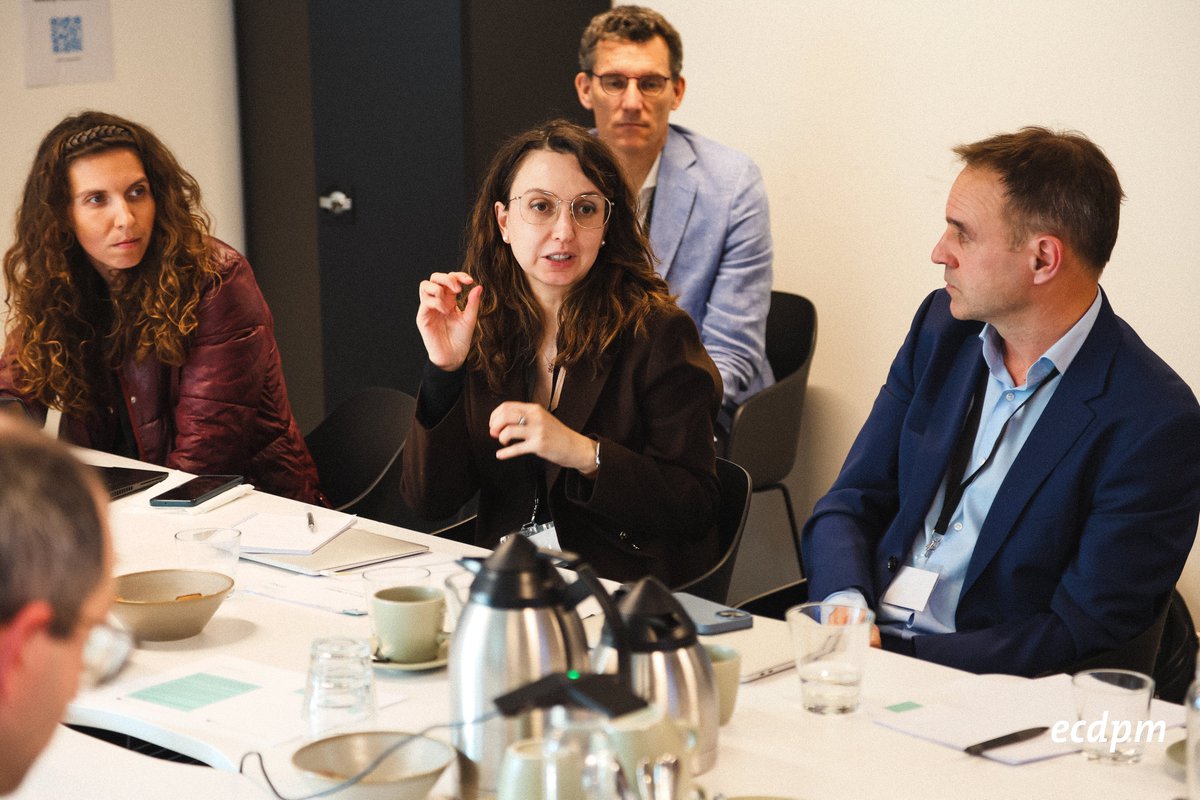
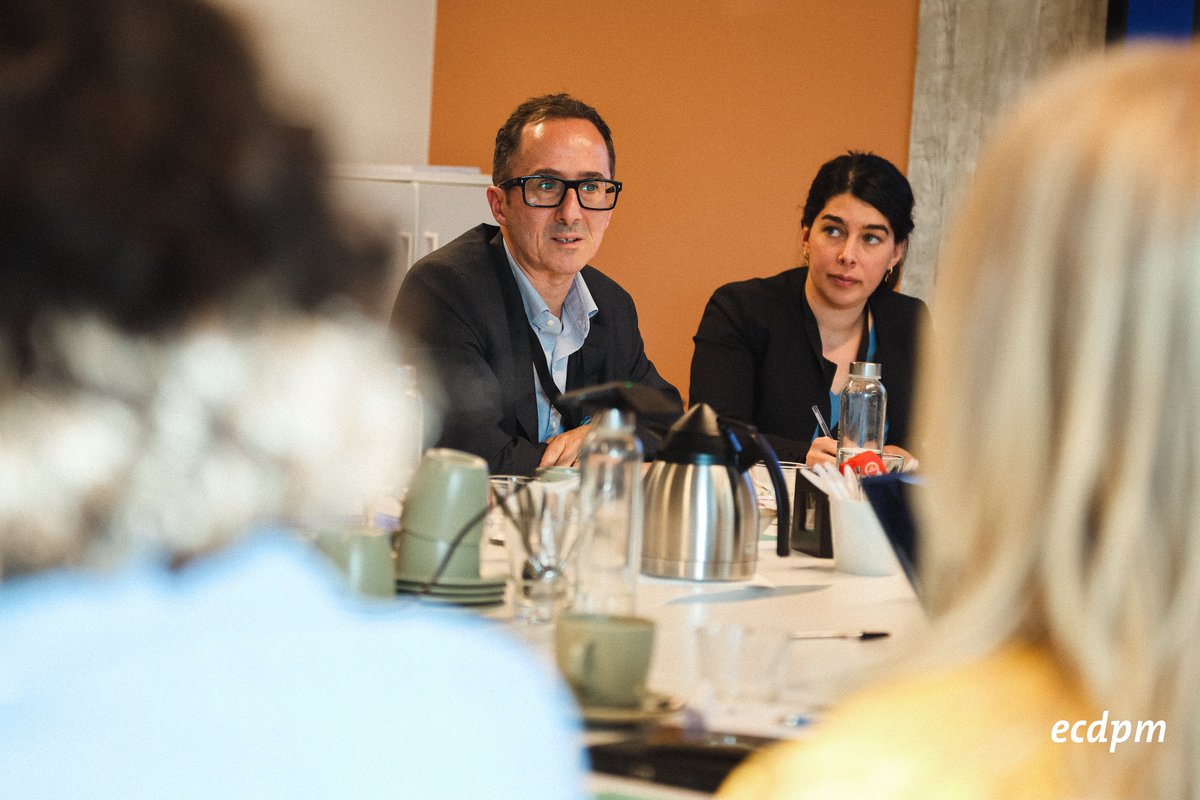
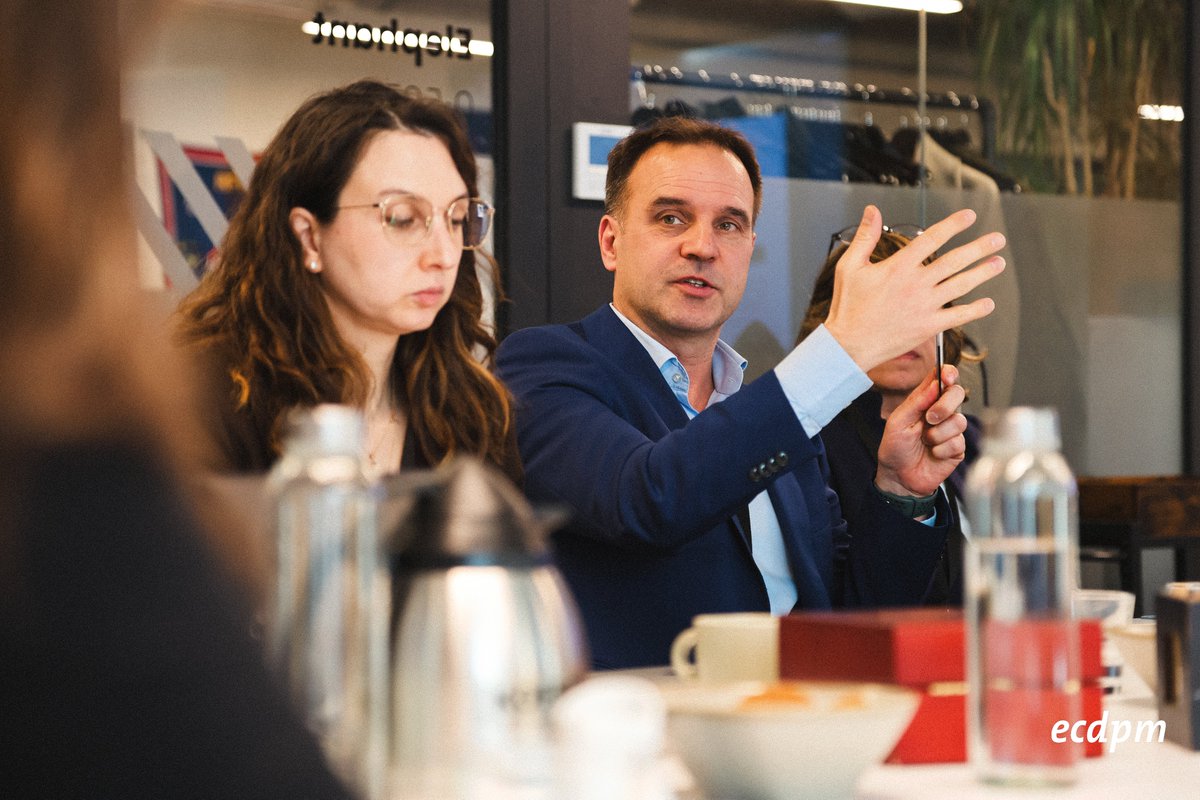
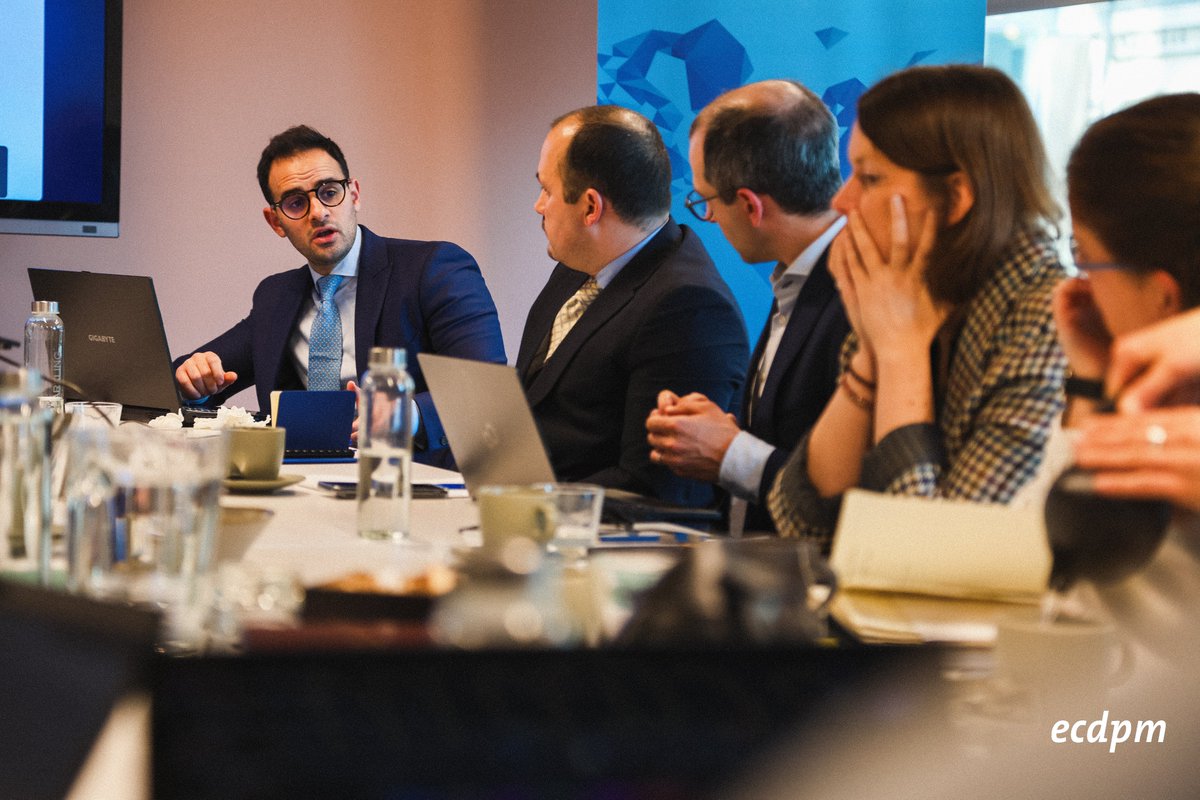
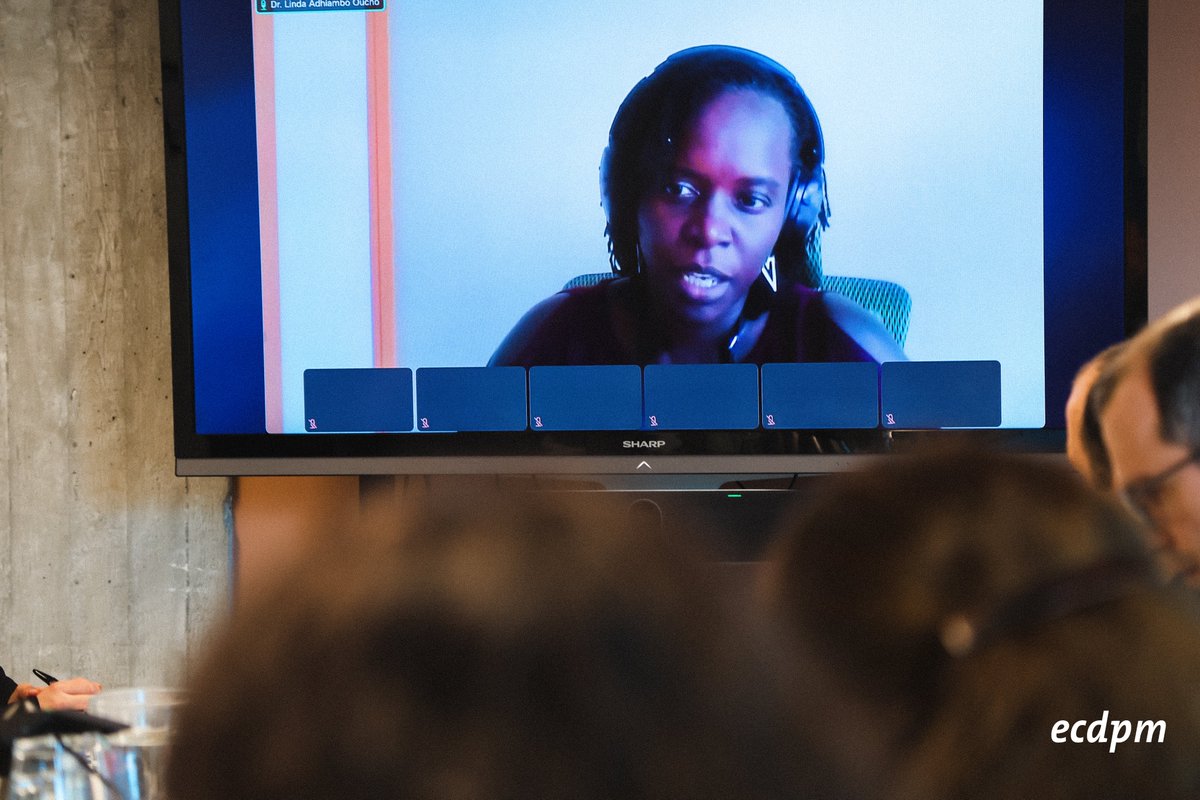
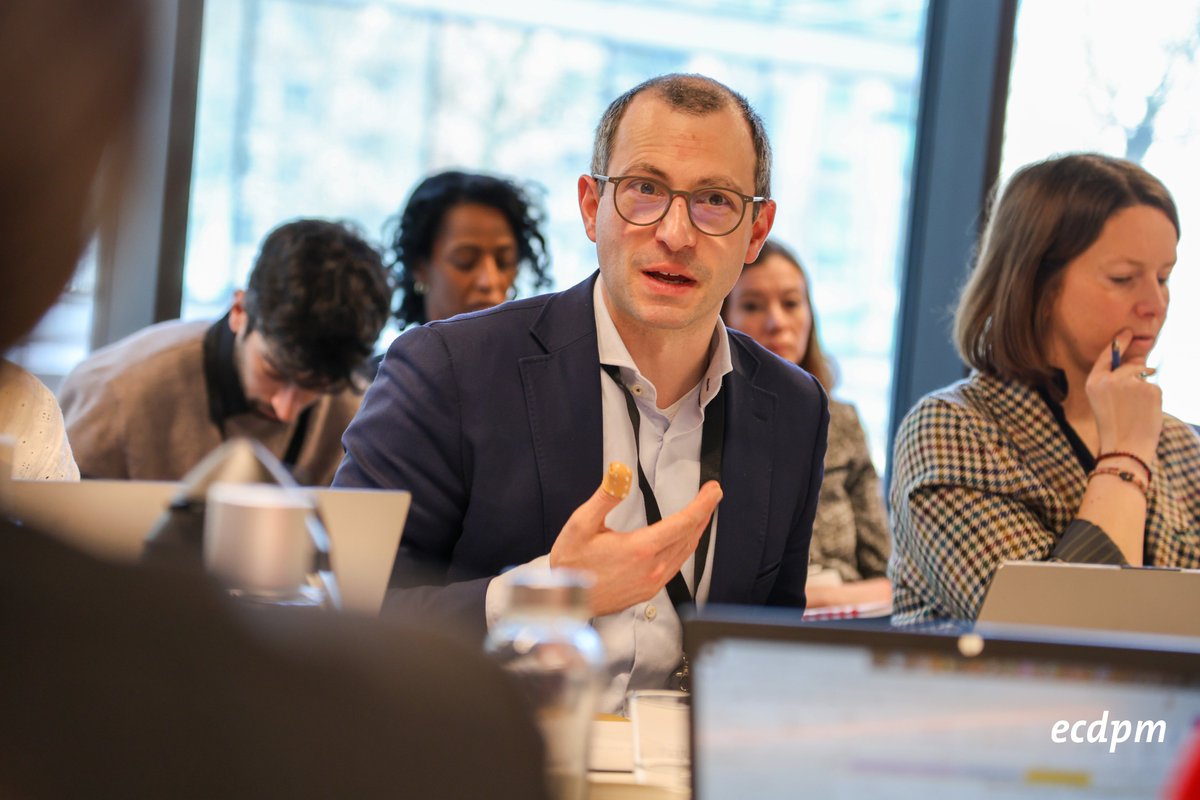
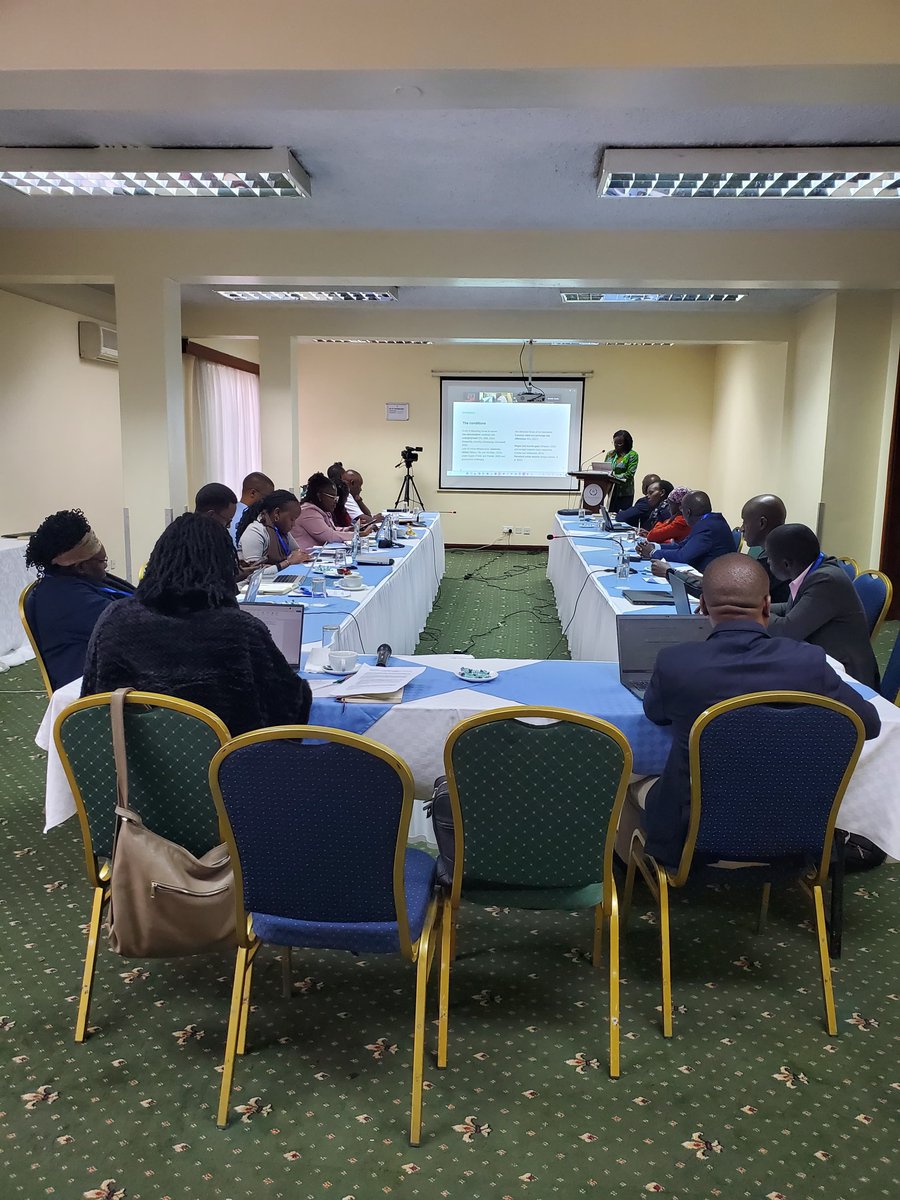
📸 DYNAMIG team members, policymakers and other experts met in Nairobi this week to discuss migration dynamics from an African perspective.
Thank you all for an incredible day of fresh insights and transformative discussions!
📣 Innovative research methods outline 3 stages to the pre-migration journey: the call to japa, exploration and documentation. Understanding this process is essential to ensuring safe migration pathways.
Read the commentary 👉 https://t.co/byitLl1nw7
📅 Upcoming workshop to showcase a variety of innovative qualitative methods employed in migration research, drawing on examples from the DYNAMIG project, as well as our sister project @AspirE_EU_Asia.
Register here 👉 https://t.co/hMqoAPStSL
📣 New research suggests improving living conditions and prospects in source countries can reduce the desire to migrate, potentially more effectively than strict borders. But what would that take?
Read the commentary 👉 https://t.co/LLZ5BHkquK
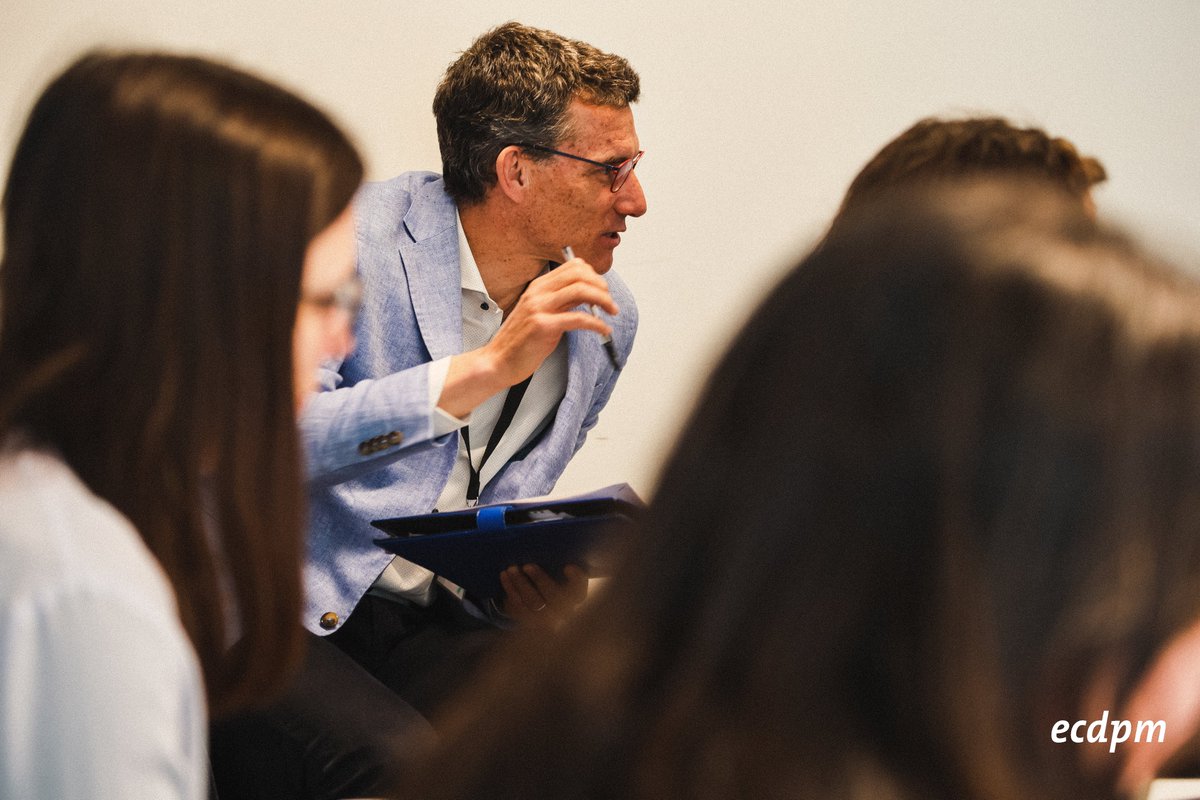
📸 A full house at our recent workshop on Bridging continents: Strategies for effective labour migration for Europe and Africa
Read more 👉 https://t.co/Pa9Jbb3QEe
📣 DYNAMIG research suggests that improving living conditions through aid can reduce migration aspirations. As a result, aid cuts from countries seeking to reduce migration may backfire.
Read the commentary 👉 https://t.co/uHAenDPWPE
📣 How are evolving gender norms impacting the migration decisions made by men and women in Africa?
Three key findings drawn from over 150 interviews with migrants and aspiring migrants in Kenya, Nigeria and Morocco.
Read the commentary 👉 https://t.co/OwnWi6ZPSf
📝 We conducted over 150 interviews with migrants and aspiring migrants in Kenya, Nigeria and Morocco that show how evolving gender norms impact the migration decisions made by men and women.
Read the findings 👉 https://t.co/n6Lw5H6qsJ
🎬 Aspiring migrants are faced with a high level of disinformation on migration processes through social media, and there are ways destination countries might better inform potential migrants of the best and safest routes.
@UM6P_officiel@ECDPM@EUI_EU@KielAfrica@AMADPOC
🎬 Migration and migration policy are heavily influenced by underlying assumptions - but what are they, and how do they differ between groups?
Carlotta Minnella @EUI_EU talks about new DYNAMIG research on migration assumptions.
If you are a policymaker or practitioner who works on issues related to migration in Europe and Africa (government, international organisation, think tank, NGO, civil society or the private sector), we invite you to take part in our survey 👉 https://t.co/VJflQOznBU
💭 On #WorldMigrantsDay, we honour migrants' contributions & challenges by pausing to listen.
With @AspirE_EU_Asia and PACES (@issnl), we're sharing powerful stories from (aspiring) migrants as part of their research.
🔗 https://t.co/ACedt22hGr
#Migration#MigrationPolicy
🎬 Did you know that mobility agreements may actually result in lower overall permanent migration?
@DrSempijja, associate professor at @UM6P_officiel, discusses the effect of mobility agreements on migration to and from Morocco, and why this matters for policymakers.
🎬 One of the major challenges for #migration policy is the diversity of migrant motivations, backgrounds and the decisions they take.
A policy for all migrants may have very different effects on different migrant groups.
@kielinstitute