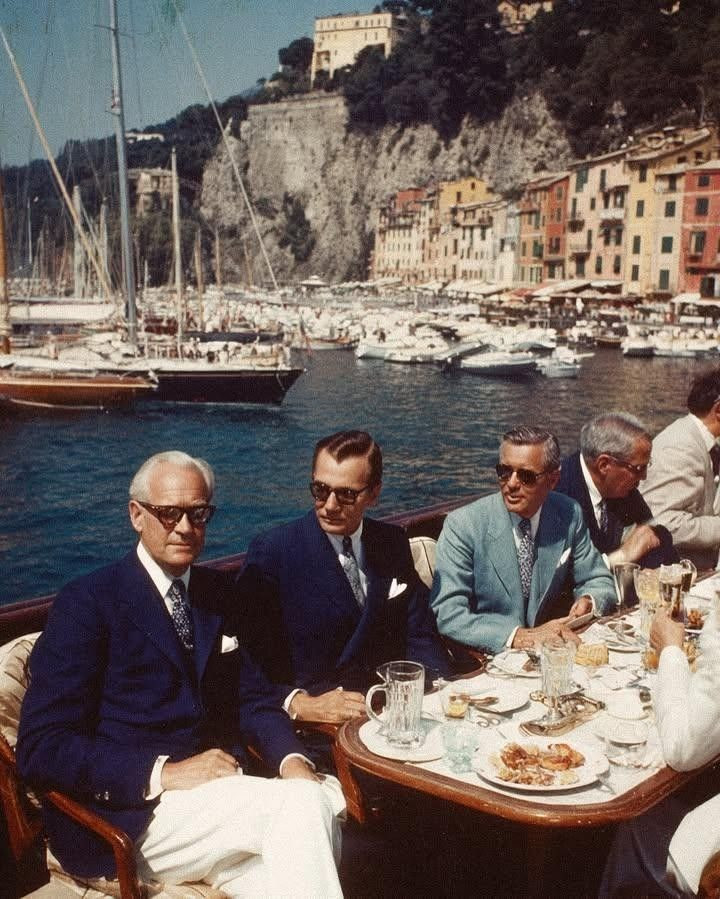
"The richest 0.001% don't wear luxury."
Yes they do. You're just too poor to know what these brands are.
Forget Dior. Forget Louis Vuitton.
Old money wears quiet luxury.
Here are six brands that billionaires, world-leaders, and royalty actually wear:
𝟭) 𝗭𝗘𝗚𝗡𝗔
Clients:
• Lewis Hamilton
• Cillian Murphy
• Tom Cruise
Ermenegildo Zegna founded the company in 1910 in Trivero, starting as a wool mill before evolving into the world's largest men's luxury fashion group. Unlike any other house on this list, ZEGNA controls the entire supply chain.
Best known for suiting fabrics so refined that rival luxury houses source from them.
𝟮) 𝗟𝗼𝗿𝗼 𝗣𝗶𝗮𝗻𝗮
Clients:
• Jeff Bezos
• European aristocracy
• Middle Eastern oil heirs
Founded in 1924 by Pietro Loro Piana as a high-quality wool mill in Italy. His grandson, Franco, revolutionised the brand in the 1960s-70s by pioneering rare fibres like baby cashmere and vicuña.
Today, they're best known for sourcing the world's rarest natural fibres and creating ultra-soft cashmere coats starting.
𝟯) 𝗕𝗿𝘂𝗻𝗲𝗹𝗹𝗼 𝗖𝘂𝗰𝗶𝗻𝗲𝗹𝗹𝗶
Clients:
• Daniel Craig
• Prince William
• Silicon Valley billionaires
Brunello Cucinelli borrowed money in 1978 to launch a small cashmere workshop in Umbria. He restored a 14th-century castle as headquarters in 1985 and built a $3 billion empire through artisan ethics and discretion.
The "King of Cashmere" is best known for Zuckerberg's custom grey T-shirts, which cost between $400-600 each.
𝟰) 𝗕𝗿𝗶𝗼𝗻𝗶
Clients:
• Donald Trump
• Barack Obama
• Pierce Brosnan
Established in 1945 in Rome by master tailor Nazareno Fonticoli and entrepreneur Gaetano Savini. The brand gained international fame dressing Hollywood stars and world leaders throughout the 1950s-60s.
𝟱) 𝗞𝗶𝘁𝗼𝗻
Clients:
• Vladimir Putin
• David Beckham
• George Clooney
Ciro Paone, from generations of Neapolitan fabric makers, started a tailored clothing workshop in 1956. He rebranded to Kiton in 1968 and founded a tailoring school to preserve traditional techniques.
Best known for featherlight suits with up to 25,000 stitches per jacket.
𝟲) 𝗖𝗲𝘀𝗮𝗿𝗲 𝗔𝘁𝘁𝗼𝗹𝗶𝗻𝗶
Clients:
• Al Pacino
• Denzel Washington
• Unnamed UHNW individuals
Vincenzo Attolini pioneered the light, unstructured Neapolitan jacket in 1930s Naples, ditching British padding for shirt-like comfort. His son Cesare opened a workshop in 1987 with his own sons to scale production.
Traditional hand techniques create lightweight, unstructured jackets with extended darts and minimal lining.
—
Thanks for reading! Enjoyed this post?
I built an 8-figure music label from scratch and host luxury events.
Follow me @averyx99 for more content like this.
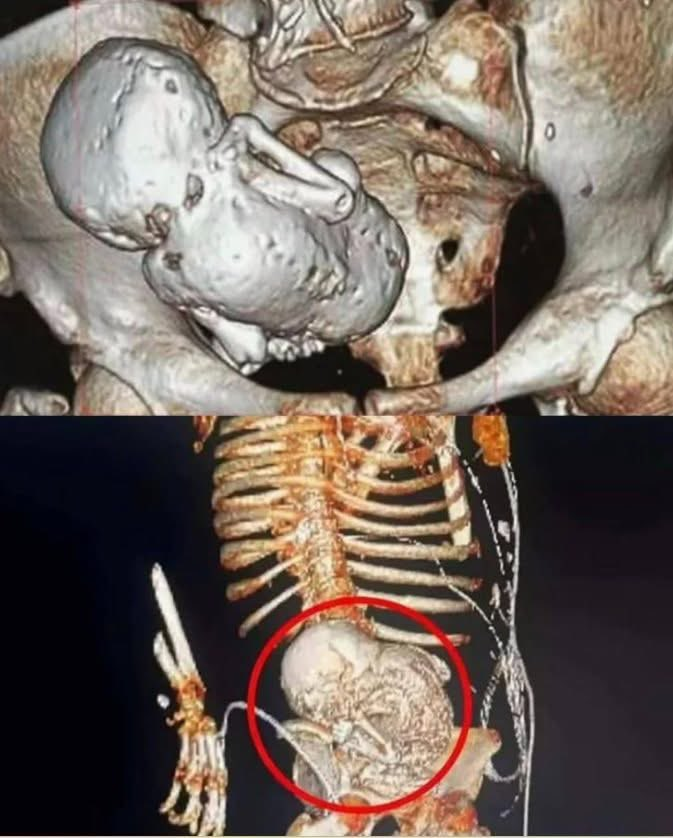
En 2013, una mujer de 82 años en Colombia ingresó a urgencias con lo que creía que era una grave enfermedad abdominal. Al ver su estado, los médicos temieron inicialmente un tumor grande y agresivo, un diagnóstico que habría significado un futuro complicado. Pero cuando las imágenes se hicieron visibles, la sala quedó sumida en un silencio atónito. Lo que vieron no era una enfermedad, sino una maravilla surgida de las profundidades del misterio médico: un feto calcificado perfectamente conservado que había permanecido en su interior durante más de 40 años.
Este fenómeno, conocido como litopedión o «bebé de piedra», es uno de los casos más raros de la historia de la humanidad, con menos de 300 casos documentados. Comenzó cuatro décadas antes durante un embarazo ectópico que no pudo ser absorbido de forma natural. En una asombrosa muestra de la fuerza del instinto humano a nivel biológico, su cuerpo se dio cuenta de que no podía expulsar los restos. Para proteger su vida de la infección, su sistema inmunológico obró un milagro silencioso: comenzó a envolver al feto en una capa protectora de calcio, transformando un momento de pérdida en un espíritu inquebrantable de supervivencia.
Durante cuarenta años, esta mujer vivió una vida plena y saludable, sin saber que llevaba en su vientre a un pequeño ser que la acompañaría eternamente. Su cuerpo había creado un escudo, una luz de esperanza que le permitió prosperar a pesar de la tragedia del pasado. Esta historia es un conmovedor testimonio visual de hasta dónde llega nuestro cuerpo para protegernos, transformando un dolor silencioso en un milagro que la acompañó hasta el final. Es un recordatorio de una belleza sobrecogedora de que, incluso ante lo que parece imposible, existe una fuerza interior que reside en el recuerdo de nuestros seres queridos fallecidos: honrar la vida que fue y proteger la que permanece.