@YannisKaramits Είναι γνωστό για τις γεωπολιτικές σου αναλύσεις. Όπως αυτή η πετυχημένη " Ισραήλ Γάζα δεν θα ασχοληθεί κανείς"
Τελείωσε το Μουντιάλ και ξανά έγινε γεωπολιτικός ινφλουενσερ.
Βίντεο ντοκουμέντο με τις κινήσεις μαυροφορεμένου άνδρα λίγο πριν ξεσπάσει η φωτιά στον Ασώματο.
Βρείτε τον απο το σήμα του κινητού και κρεμάστε τον ανάποδα 😡
Η Ευρωπη ειναι τοσο εγκεφαλικα καθυστερημενη που προσπαθει εδω και 2 μερες ν'αναλυσει με 600 διαφορετικους τροπους την ισλαμιστικη επιθεση εναντιον των gays στο Βερολινο, ενω φταιει αποκλειστικα το φασιστικο μεσαιωνικο ισλαμ και τιποτε αλλο
The true story of the Trojan War…
Nolan’s Odyssey and the controversial choices on casting, translation used etc. have caused a lot of discussion around Homer’s Epics. What struck a chord personally is Lupita Nyong'o’s remark that the Odyssey (and by inference the Iliad as well) is “just a story”, meaning that any kind of liberties can be taken in re-telling it.
Yet this cannot be further from the truth. Those works form the basis of the immense in scope and chronology Greek literary tradition and their purpose was not simply to entertain but to celebrate and instil to the next generations the common Greek cultural traits and ethos. Moreover, these epics are not mere figments of Homer’s imagination. Behind the various divine and mythological depictions lies a real historical backdrop of a long struggle that lasted for centuries. A series of wars that were carved so deep into the psyche of the Greek people that were remembered in various stories and legends for long afterwards, until Homer formulated them into his Epics several centuries later…
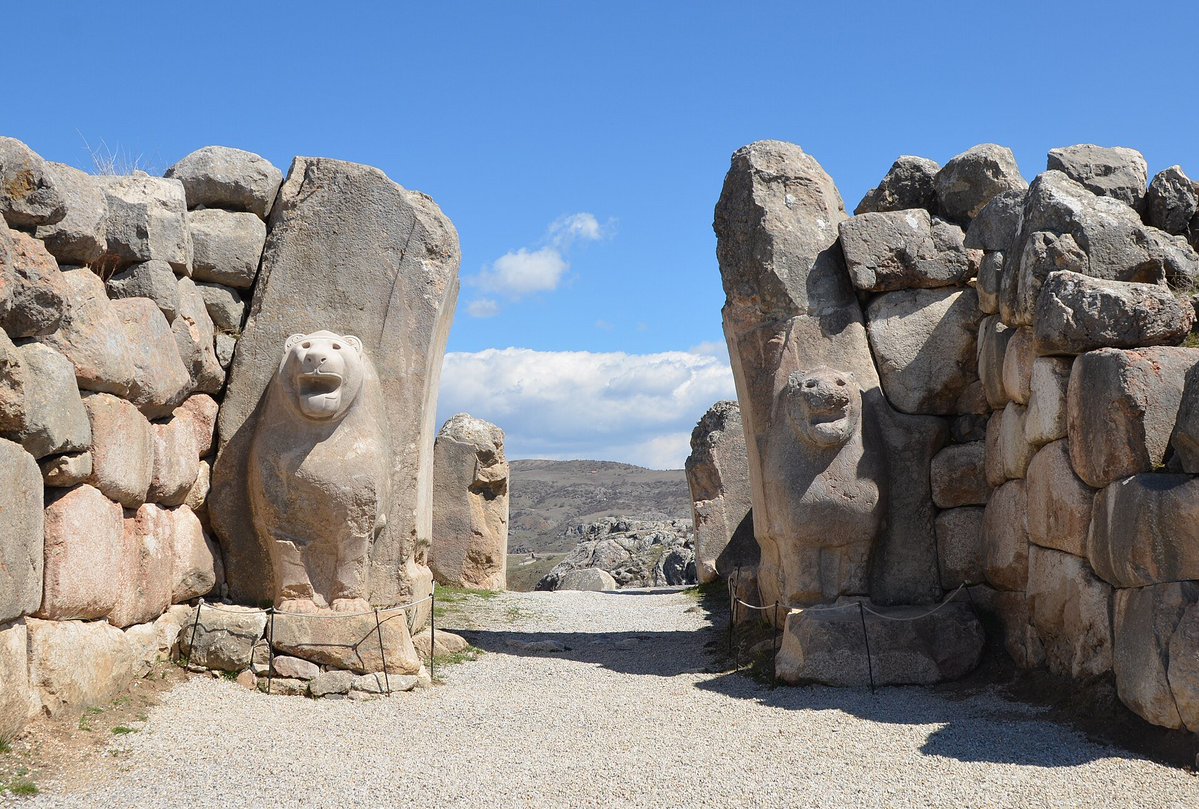
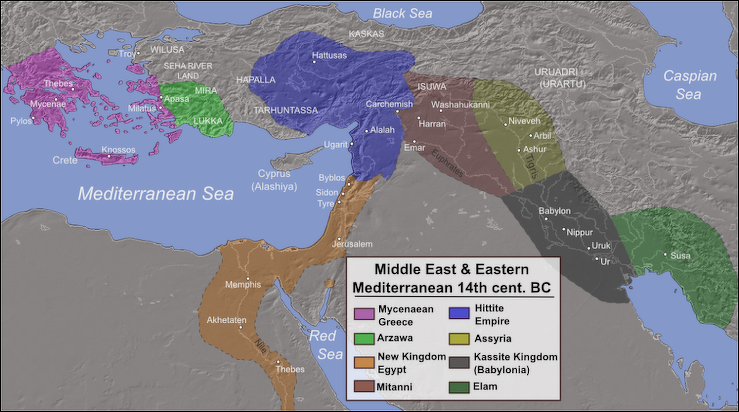
These wars did not just involve the city of Troy but another major Empire of the Bronze Age, the Hittites, centred in Central/ Eastern Anatolia and Northern Syria (c.1600-1200BC). In the Hittite capital Hattusa a treasure trove of official records carved on clay tablets has been unearthed by archaeologists. These records mention important events such as wars with Egypt, Mitanni and other major states of the era, as well as conflicts to their west against a kingdom the Hittites name as the Ahhiyawa. The Ahhiyawa are widely accepted by historians and archaeologists to be the Bronze Age Mycenaean Greeks - from the name Achaeans (the perceived dominant Greek tribe of the era) as Homer also names the Greeks in his epics.
We cannot be sure exactly how events unfolded in detail but by combining archaeology, Hittite records and later Greek references we can get a somewhat vague glimpse of what transpired in those distant times.
By the late 15th century BC there was an increasing Mycenaean presence in western Anatolia. Settlements such as Miletus and Ephesus show clear Mycenaean permanent settlement. According to Hittite records, it is around this time that the Hittites attempted to wrest control of western Anatolia as well, but a confederation of primarily Luwian (west Anatolian) peoples called Arzawa and their allies the Mycenaeans resisted. Hittite records specifically mention the Mycenaean leader Attarasiya (some link the name to the mythical Mycenaean King Atreus) and how he defeated one of their vassal warlords, Madduwatta.
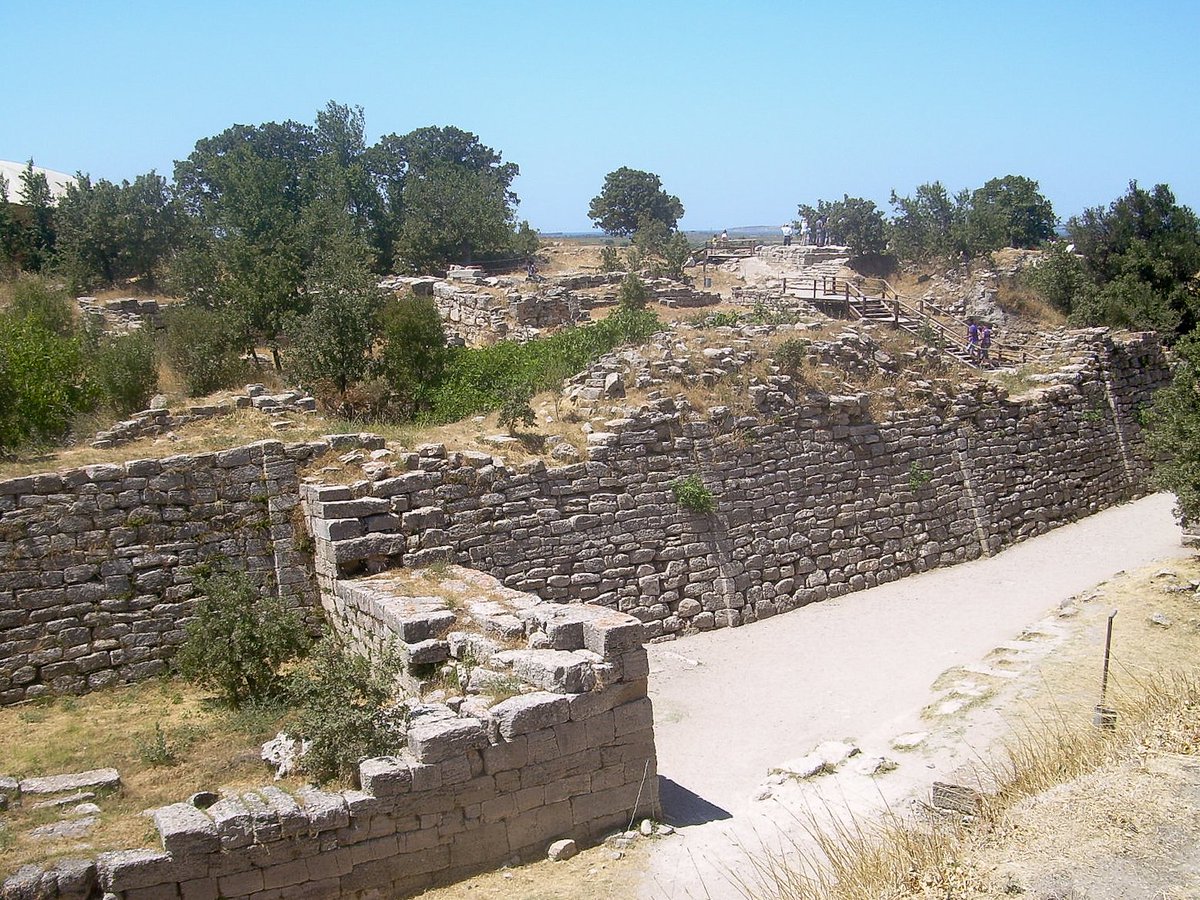
Hittite records, also mention a polity name Wilusa (identified as Ilion or Troy), to the west. At c.1280 BC they had struck a treaty with its ruler Alaksandu. This name is widely regarded to refer to the Greek name Alexander (Alexandros). Notably in the Iliad Paris is also named Alexandros. Thus, it is quite possible that Wilusa (Troy) had gradually come under Mycenaean influence and either its native rulers had adopted Greek-sounding names or at some point a ruling elite of Mycenaean Greek origin had taken over.
In any case archaeology shows that at circa 1250 BCE, the city was extensively destroyed. It is not certain by whom, since it could be the Mycenaeans, the Hittites or another independent warlord that attacked this strategically located city which, evidence suggests, engaged in a continuous back and forth between the two powers.
Hittite records mention further conflicts afterwards, such as a Hittite expedition against the Mycenaean city of Milawanda (Miletus), during the late 13th century BC. Relatively shortly afterwards both the Mycenaean and the Hittite civilisations collapsed due to a combination of factors during the Bronze Age Collapse and the so-called “Greek Dark Ages” ensued.
Yet, however distorted and mythologized through the centuries, the collective memory from this era endured, centred around the tragic fate of the the city of Troy. Later, primarily through Homer’s Epics, this collective memory played a foundational role in the gradual re-emergence of Greek civilisation that would eventually give rise to the subsequent Classical and Hellenistic periods.
🇬🇷 🇸🇦 Στις 7:15 το πρωί του Σαββάτου η ελληνική πυροβολαρχια Patriot που βρίσκεται στη Σαουδική Αραβία αντιμετώπισε με 100% επιτυχία δύο βαλλιστικούς πυραύλους που εξαπολύθηκαν από την Υεμένη προς το Γιανμπου.
Odysseus saying “our age of bronze is collapsing” was probably the stupidest line in the entire movie.
It would be like a Medieval man saying “the Middle Ages are almost over”.
Middle of what?
It’s the PRESENT to them!!!
"And if golden-haired Menelaus kills Paris, the Trojans will return her together with the treasures." -Homer Rapsody Γ, 284
Here is your medieval bald Menelaus. Chris Nolan disrespected the Greeks, and especially us Spartans.
🚨BREAKING: Sony is moving in damage control mode right now.
After thousands of PS5 owners canceled PlayStation Plus to protest the death of physical discs, Sony quietly started sending 50% subscription discounts to win them back.
Just private offers sliding into inboxes hoping nobody would notice.
They don't want this story getting louder before November 19.
Source: https://t.co/2oE5G2FU3S
This is a microcosm for the core of every liberal argument. "The past was never good, you were mistaken." It's how their idea of "progress" gets justified.
No anon, your country wasn't better when it was ethnically homogenous and Christian. You need gay brown global communism.